The home of architecture and design in the Asia-Pacific
Get the latest design news direct to your inbox!

Get the latest design news direct to your inbox!
London’s week-long celebration of all things design eschewed showiness for a more subtle sensory experience, writes Ola Bednarczuk.
September 26th, 2013
London Design Festival is a massive treasure hunt for design enthusiasts, and one in which the city itself plays as much of a role as the product launches and installations. This year’s event showed a real focus on exploration and sensory engagement; with fewer large-scale landmark installations than previous years, some of the biggest surprises came through exploring a little further and looking a little harder.
Betts and Ruh
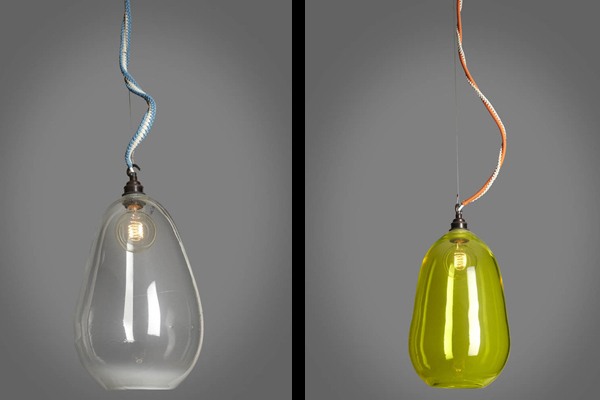
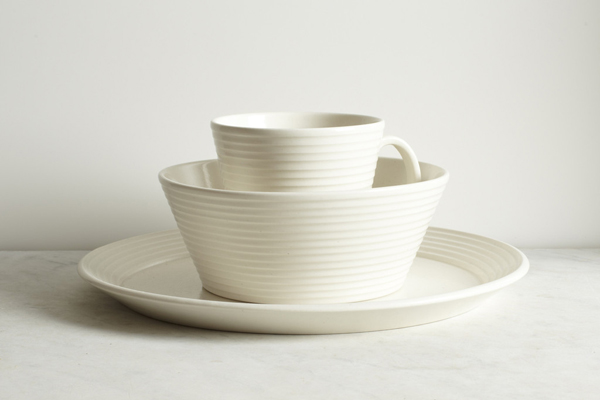
Behind the doors of a backstreet garage in Mayfair, The New Craftsmen showcased the beauty of contemporary British craftsmanship – including ceramics by Billy Lloyd and lighting by Aimee Betts and Michael Ruh.
Billy Lloyd
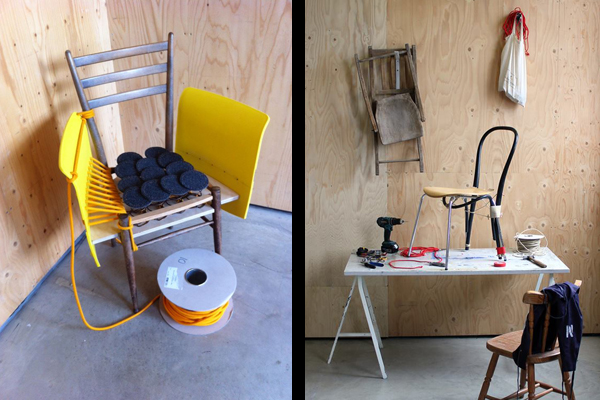
Over at Central Saint Martins, recent graduate Paulo Goldstein filled a college meeting room with furniture made only from recycled and re-imagined pieces found discarded across London.
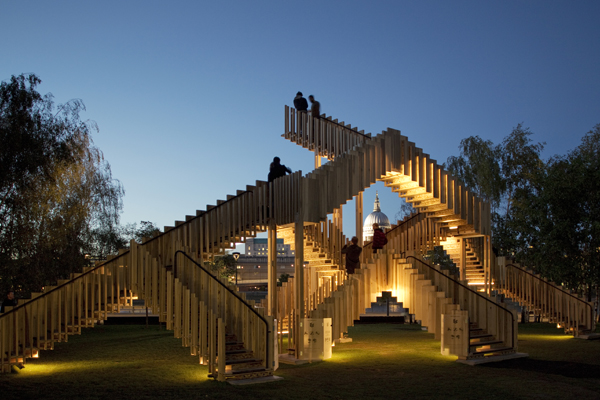
The Festival’s largest project was Endless Stair, an installation by architects dRMM and engineers Arup, sponsored by the American Hardwood Export Council (AHEC). An Escher-inspired interlocking timber structure ( hero image) installed outside the iconic Tate Modern, Endless Stair was an exploration of form and the material potential of hardwood timber. To paraphrase project architect Alex de Rijke, every century can be defined by its building material: the 20th by concrete, the 19th by steel, the 18th by brick. Could hardwood then be the material of the 21st century?
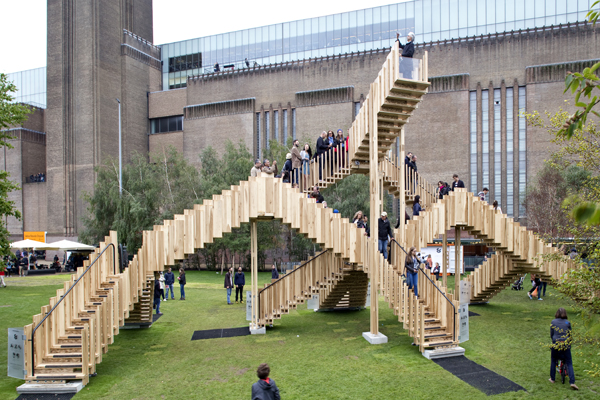
Endless Stair – drMM with Arup
At the Victoria & Albert Museum – the beating heart of the festival – the installations were built into the fabric of the museum, encouraging visitors to wander every gallery to find its surprises.
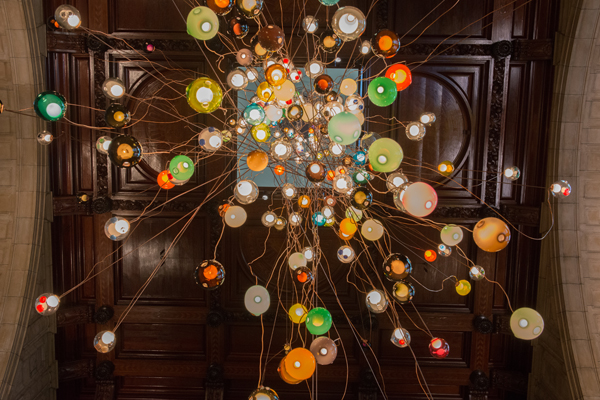
Omer Arbel at V&A
In the main entrance, a 30-metre cascading chandelier by Omer Arbel, comprising 280 of his 28 Series glass pendants, was a magical way to start the journey.
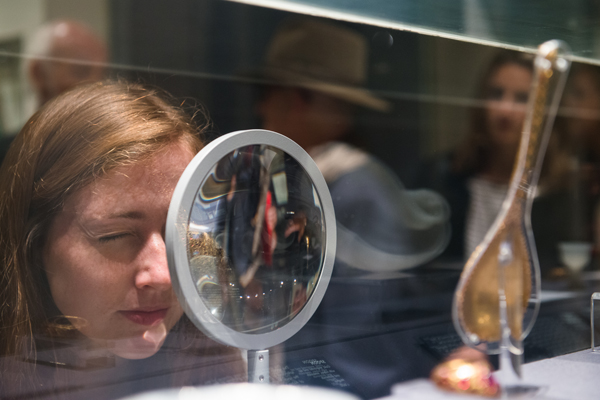
God is In The Details at V&A
A group project entitled ‘God Is In the Details’ asked visitors to look more closely at the museum’s permanent collection, with Swarovski magnifying lenses mounted in front of favourite objects selected by Tom Dixon, Faye Toogood and other key designers.
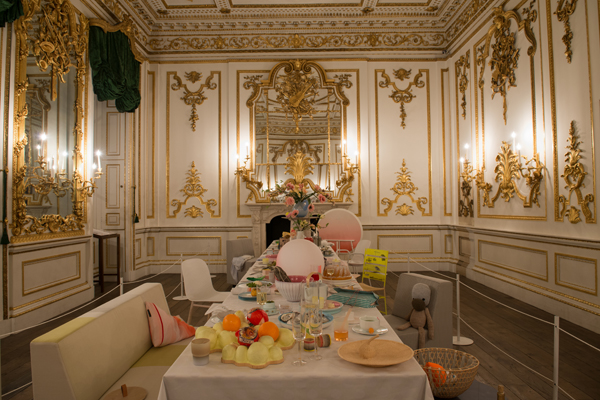
Scholten & Baijings
Continuing through the museum, there seemed to be a surprise around every corner – in the British Galleries’ music room, an installation by Scholten & Baijings showcased tableware in a setting designed to resemble a dinner party mid-evening. In a stairwell leading into a gallery, Najla El Zein’s Wind Portal, made of thousands of paper windmills that spun in the breeze, looked as if it could have always been there.
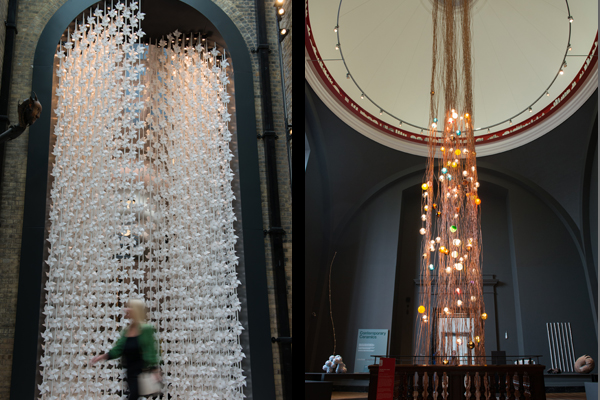
Najla El Zein’s Wind Portal and Omer Arbel’s Installation
A Georgian townhouse was the setting for Established & Sons co-founder Sebastian Wrong’s latest project Wrong for HAY, a collaboration with Danish brand HAY. The juxtaposition of the townhouse’s classic interior with new contemporary designs by Wrong and others, including Alexander Taylor and Stefan Diez, created a beautiful contrast.
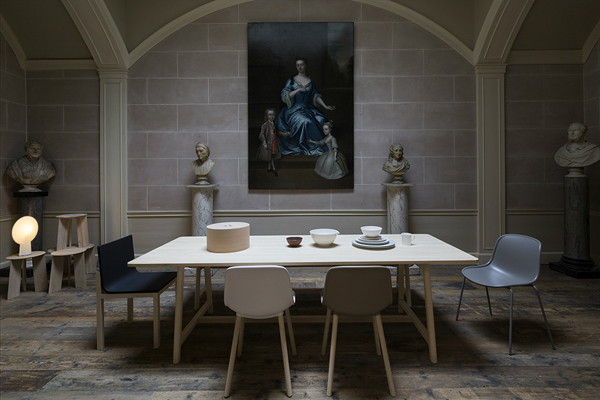
Wrong for Hay
Exploring the festival also meant discovering new and established international design, with showcases situated around the city – Polish design in a stately Victorian townhouse; Mexican and Swedish at the experimental Designersblock exhibition; Chilean at Designjunction.
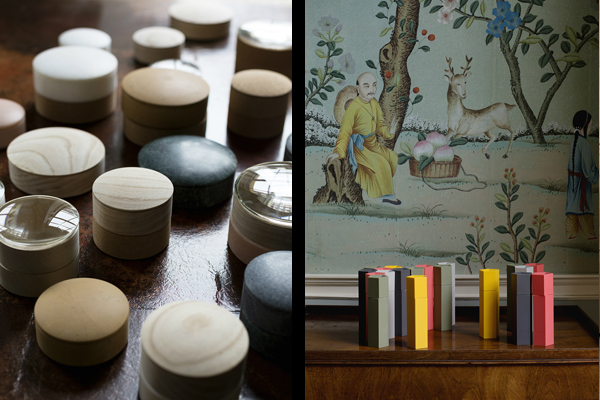
Wrong for Hay
The international pavilion at trade show 100% Design, in the city’s west, was the hotspot for global design – and it was here that Ross Gardam, Charles Wilson, Adam Cornish, Ed Linacre, Viktor Legin and Stephanie Ng showed some of their most recent work. The collective marked the first Australian showcase at 100% Design and followed on from the Suzanne Trocme-curated Common Wealth exhibition of last year’s festival.
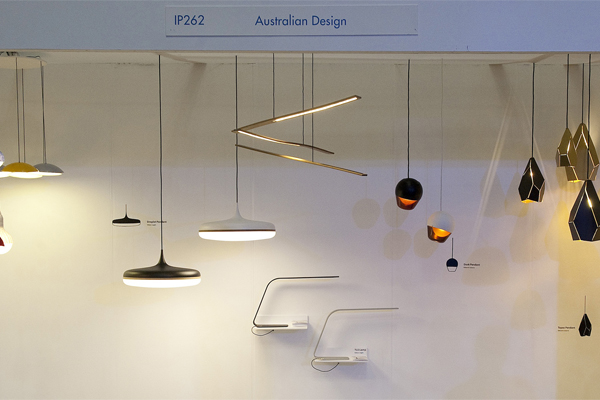
London Design Festival
londondesignfestival.com
Images © Jonas Lencer, Susan Smart Photography, Ashley Bingham
INDESIGN is on instagram
Follow @indesignlive
A searchable and comprehensive guide for specifying leading products and their suppliers
Keep up to date with the latest and greatest from our industry BFF's!
The internet never sleeps! Here's the stuff you might have missed