The home of architecture and design in the Asia-Pacific
Get the latest design news direct to your inbox!

Get the latest design news direct to your inbox!
A new interior design course at the University of Tasmania offers students real-life practice in designing with the environment in mind.
December 16th, 2010
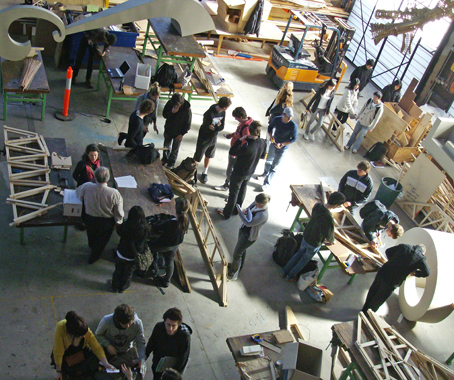
In response to growing industry demand for graduates with an understanding of the environmental issues impacting on design, the University of Tasmania has developed an integrated course for aspiring interior designers.
The Bachelor of Environmental Design offers a combined course in the first year of studies, after which students go on to pursue specialisations in furniture design, architecture and interior design.
2010 has been a special year for the course, with students finishing their first specialty year of the interior design stream.
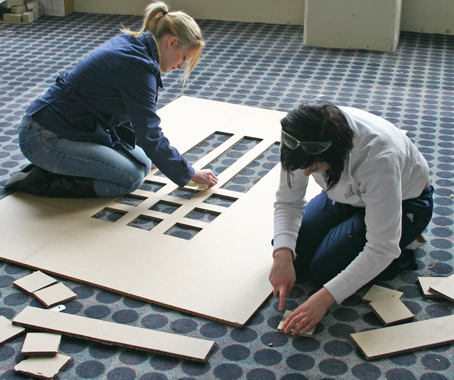
The unique aspect of this course is its integrated approach, carrying the theme of sustainability and social and cultural awareness through every unit and subject.
“It’s about how to integrate passive solar design, about selecting the materials to make sure that they are environmentally superior,” explains Program Director Kirsty Máté.
“Students also look at social issues; it’s not just about the environment, but about the impact that design has in a social and cultural context.”
Design offices are now regarding knowledge of sustainability in the social and environmental context as a prerequisite in potential employees.
As Máté explains, “it’s something that students need to have as soon as they hit the ground.”
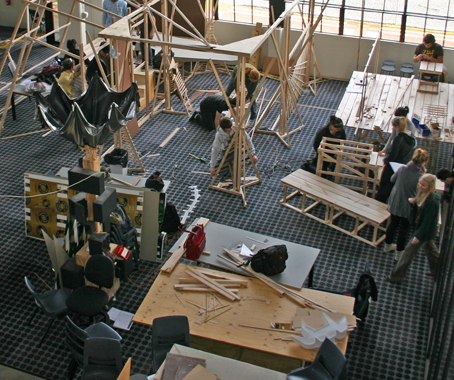
The workshop lets students exercise practical skills in interior design
University of Tasmania
utas.edu.au
INDESIGN is on instagram
Follow @indesignlive
A searchable and comprehensive guide for specifying leading products and their suppliers
Keep up to date with the latest and greatest from our industry BFF's!
Congratualtions to Zandro Tumaliuan, Senior Designer KCA International and Maha Nasrallah, Pan Emirates Consult, who have each won tickets to the IFI Congress in Dubai thanks to indesignlive.com. Congratulations and thanks to all those who entered! Stay tuned for more great competitions on indesignlive.com. ifi2009dubai.org
The internet never sleeps! Here's the stuff you might have missed