The home of architecture and design in the Asia-Pacific
Get the latest design news direct to your inbox!

Get the latest design news direct to your inbox!
Refreshing Asian expressions can be found at the new Wanchai2 in Hong Kong writes Jessica Niles DeHoff.
May 15th, 2013
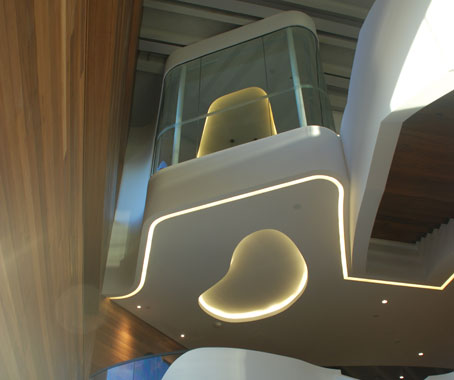
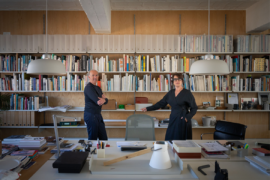
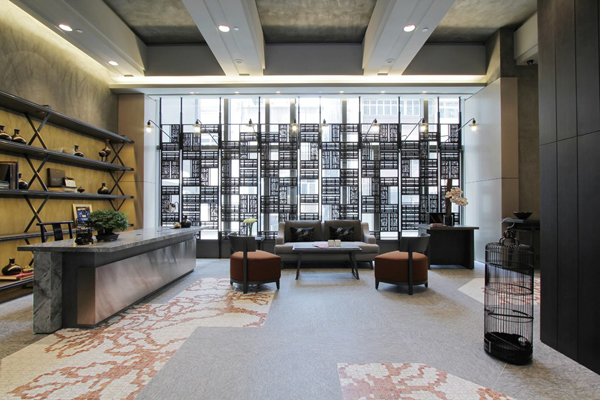
Designed by Gary Chang of Edge Design Institute, Wanchai2 reflects the city of Hong Kong with its unique merging of traditional Chinese and modern design influences.
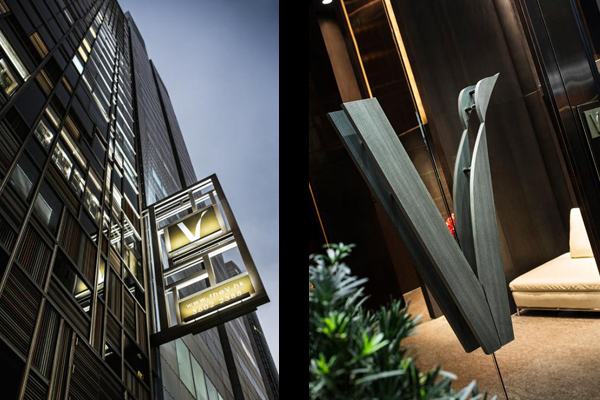
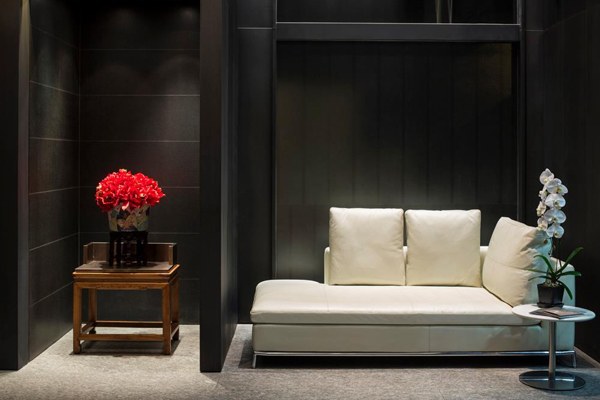
While the entry sequence is unusual – one must first find a relatively modest doorway off the street, then take the lift to the hotel proper on the third flloor – once there, a compelling visitor experience awaits.
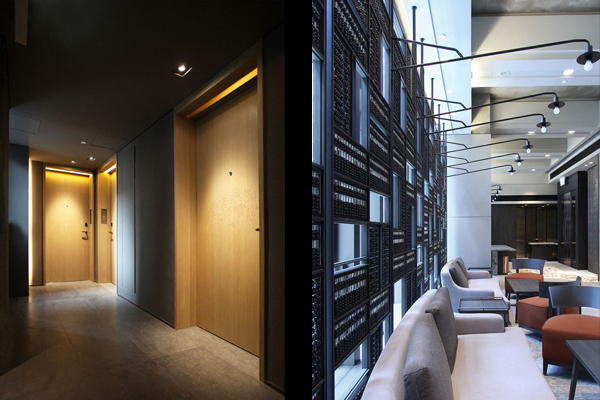
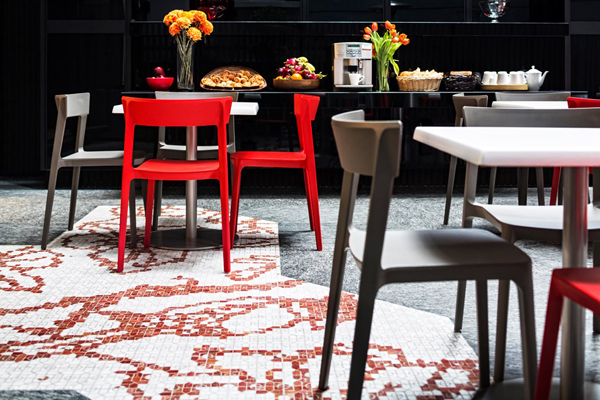
In the hotel lobby, a long modular screen recalls the abacus, and a ceiling turns out to be made of drawer fronts like those found in a traditional medicine shop. Leading towards the terrace, a nostalgic and colourful floral pattern of tiles, a familiar bit of old Hong Kong, peeks through the neutral grey flooring.
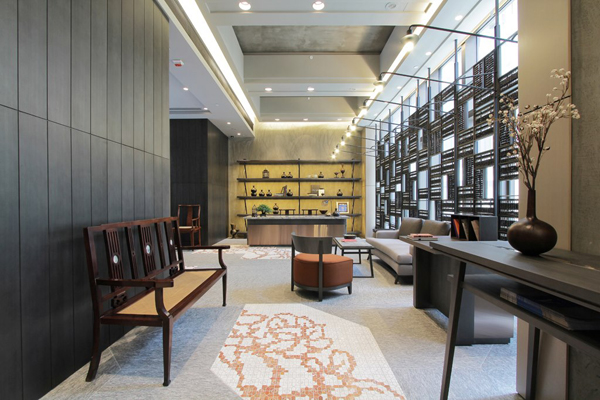
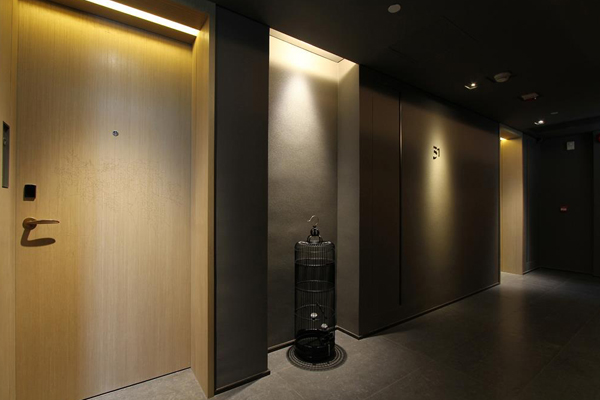
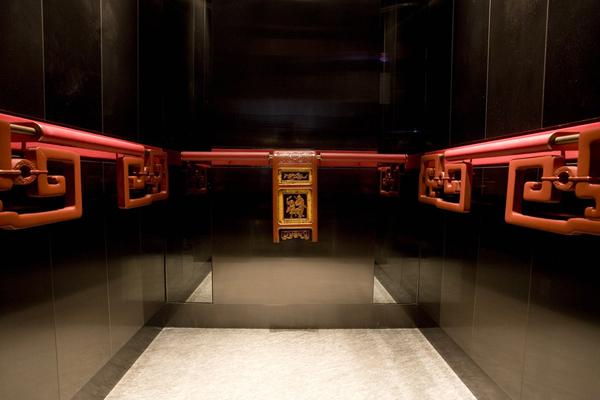
These are the more complex local references in the hotel’s design, but elsewhere in the building a simpler approach is taken with antique chairs, chests, and other furnishings filling in display areas and punctuating corridors.
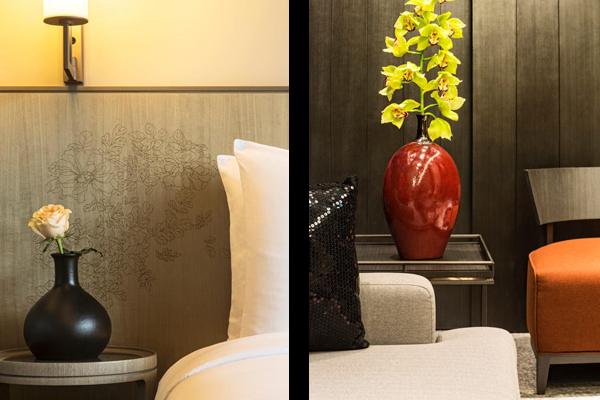
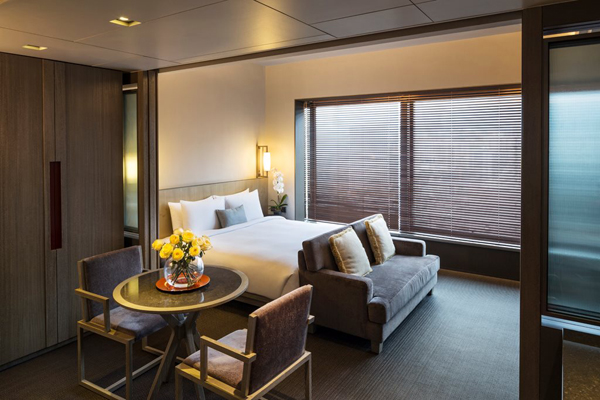
Traditional seating can be found in the rooms as well, and the black-and-red colour scheme of lacquer ware shows up in closets and drawers. Chang is known for his intelligent solutions for small spaces and storage units, and in this project he has come up with many space-saving devices: even the television screens are out of the way, set into window walls that can be covered with curtains when not in use.
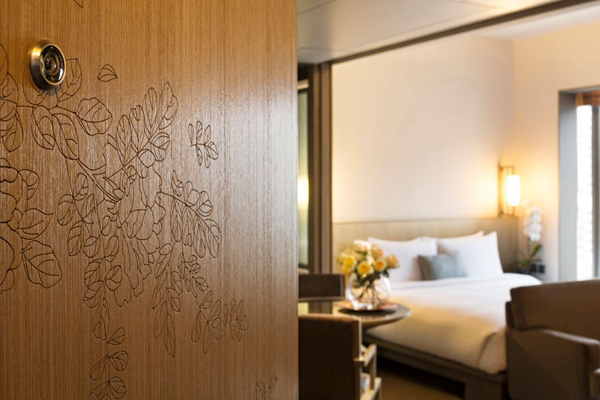
Decorative touches appear on wood laminate surfaces like the headboards and the doors, which are inscribed with a laser-cut pattern of birds and flowers.
The hotel’s owner and operator, the locally prominent V Group, has been operating hotels and serviced apartments since 2005. The team’s knowledge of the longer-stay market has allowed for certain refinements here, conveniences that are not available at a typical short-stay hotel. For example, the rooms have small washer-dryer units so that guests who are going on to further travel don’t need to spend money on laundry service, but can take care of their washing themselves. In addition, elements that proved popular in the more luxurious suites of other V Group properties – like stand-alone tubs and flexible room layouts with partitions – are also used here where space permits.
Edge Design Institute
edge.hk.com
INDESIGN is on instagram
Follow @indesignlive
A searchable and comprehensive guide for specifying leading products and their suppliers
Keep up to date with the latest and greatest from our industry BFF's!
For the first time outside Australia, two of Australia’s most recognised design companies have opened their combined showroom in Auckland. Corporate Culture is known for its collection of designer furniture and homewares from international designers such as Arne Jacobsen, Hans Wegner, Karim Rashid and Louise Campbell. Designer Rugs specialise in classic and traditional hand knot […]
The internet never sleeps! Here's the stuff you might have missed