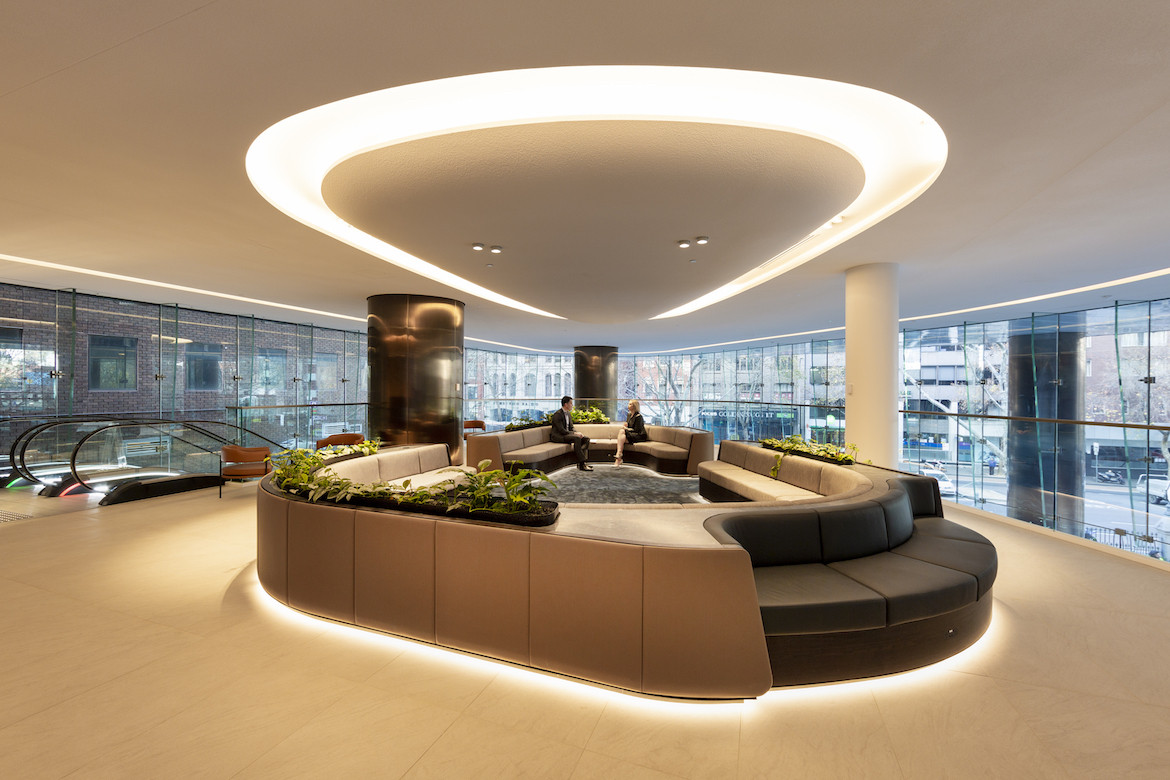
The meaning of a 9-to-5 workplace has shifted demonstrably since March 2020. But as many of us continue to regularly work from home – whether by choice or reluctantly as the result of another lockdown – it’s important to consider why the traditional office concept isn’t going out of fashion. Rather, it’s just getting a facelift.

The pandemic has shaken up what offices perceive as necessity. Formerly, although smart technologies and innovative design solutions proliferated, offices were, in essence, a space for staff to work in the same environment. But now that workers have shown work can still get done from home, the general consensus is that office spaces must be designed differently: with collaboration, connectivity, technology and wellbeing in mind.
Designed as part of Melbourne’s new Wesley Place precinct, Charter Hall and Cox Architecture’s 130 Lonsdale Street is doing just this.
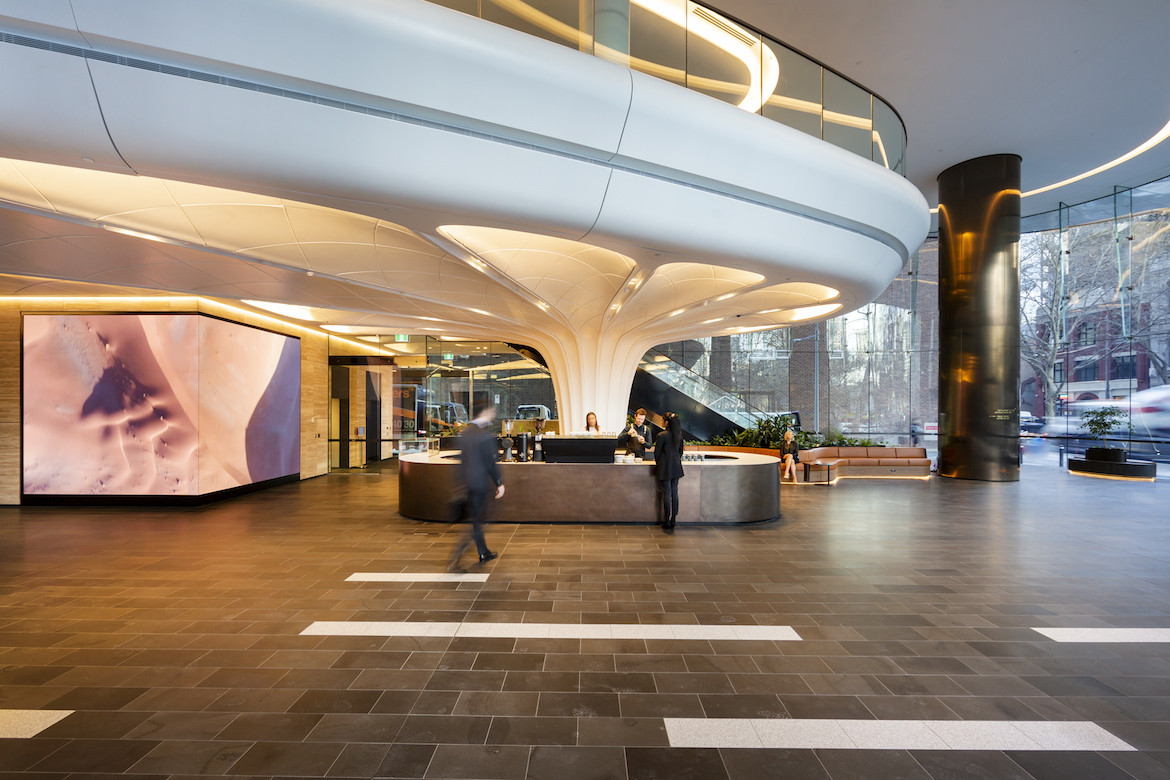
“The building design has been conceived to embed environmentally sustainable design principles,” says Cox Melbourne director Simon Hausseger. Among the environmentally sustainable design principles incorporated were a thermally efficient facade and urban greening, which act to enhance the health and wellbeing of users.
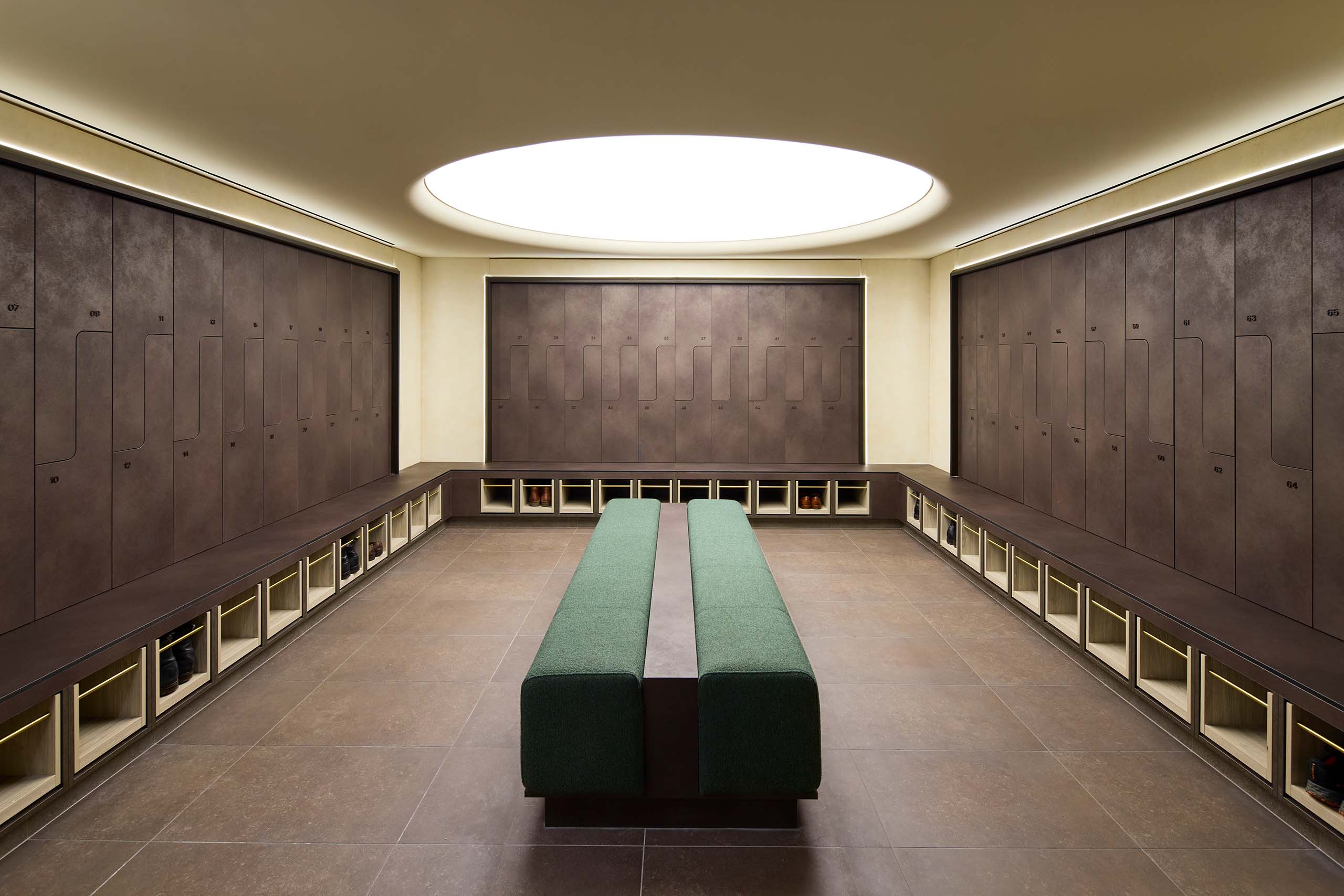
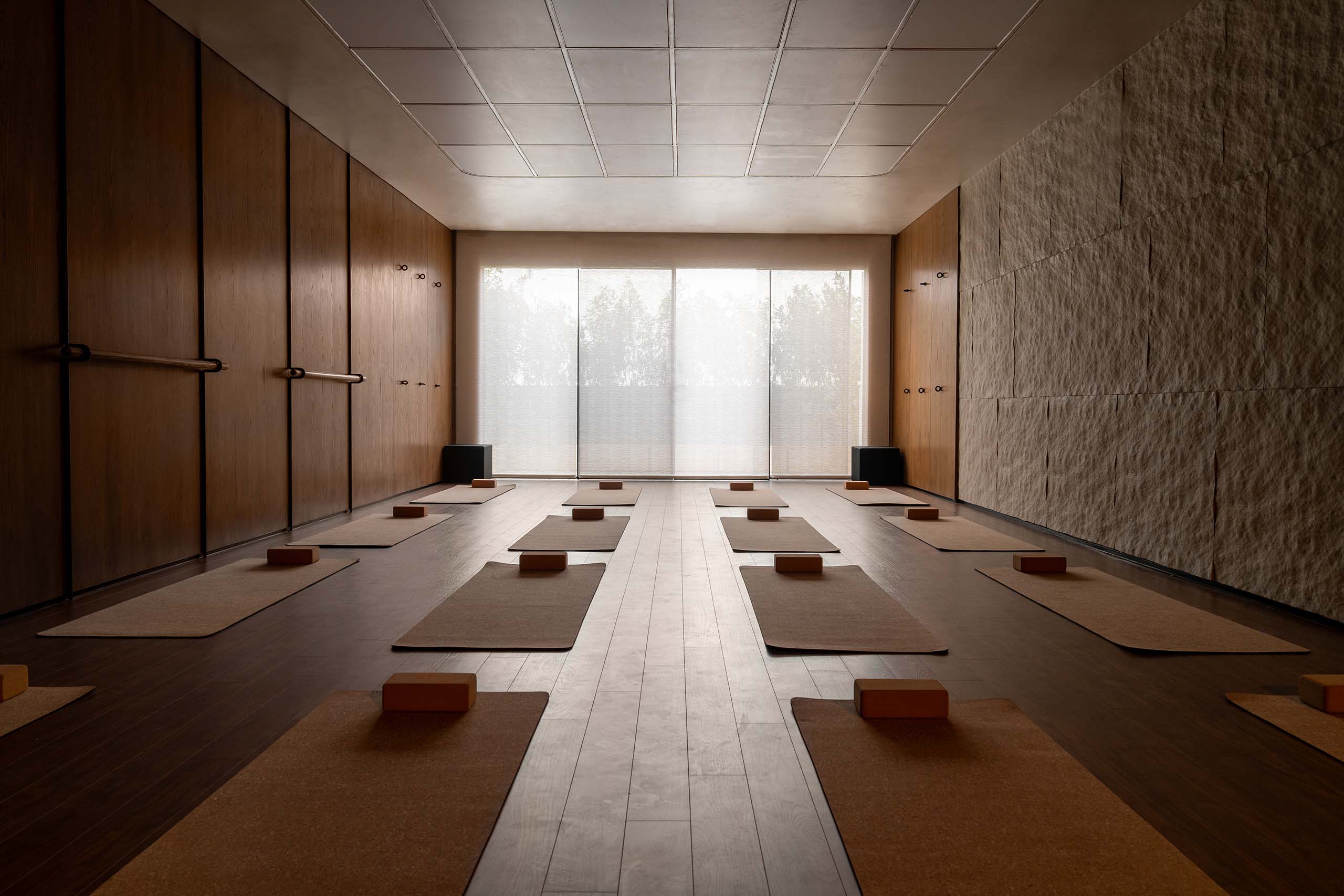
Similar to Market Lane’s approach to wellbeing, 130 Lonsdale Street has thoughtfully kept health and wellbeing at the forefront by incorporating wellness-encouraging amenities, such as the basement bicycle racks, as well as biophilic design, such as the use of earth-tones applied in patterns to mimic nature, natural materials such as basalt, travertine and timber, and exposed timber ceilings and feature walls.

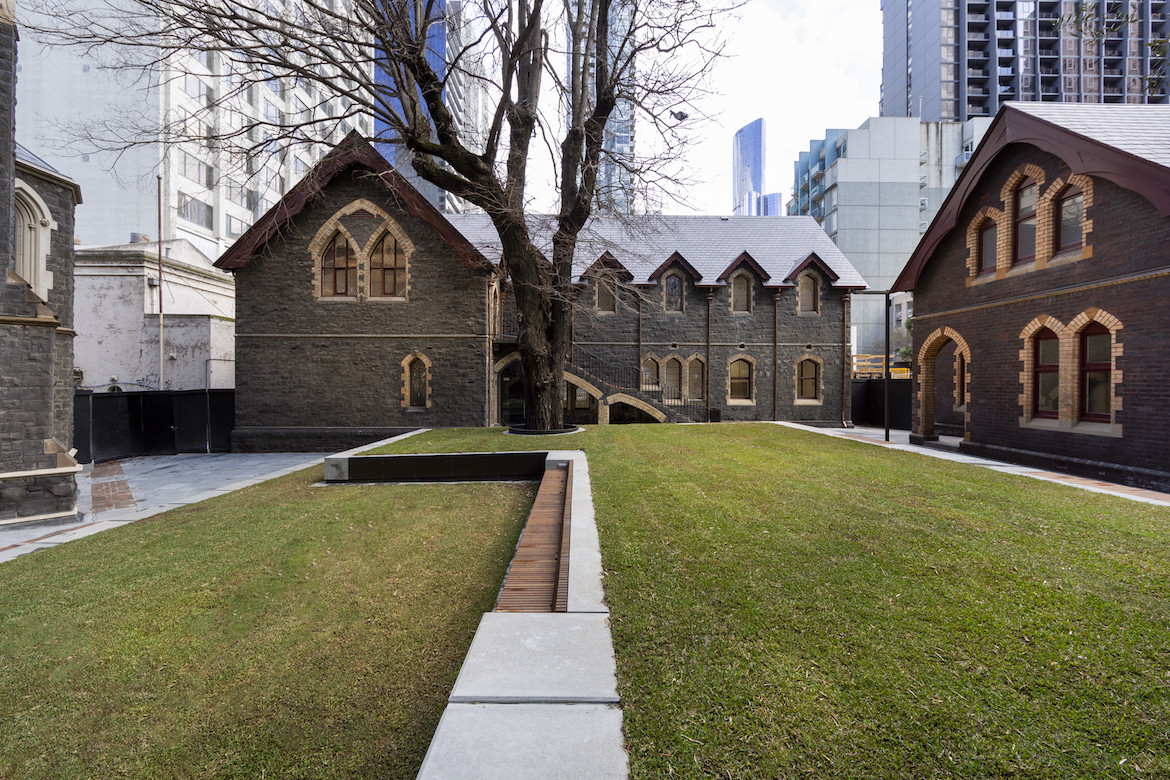
The precinct is a well-needed regeneration of the CBD area – significantly, the building also has direct access to one of Melbourne CBD’s only five urban greenspaces. Not only, says Charter Hall’s regional development director Simon Stockfeld, does this greenspace “play a key role in improving liveability in the metropolis, but it also invites returning tenants to work outside on the warmer days”. Equipped with USB chargers and WiFi, it enables an outdoor working environment that caters to the Covid-19 influenced workforce.
In the wake of the pandemic, the building’s internal smart technologies have also stood the test. “People can access the building, call a lift and choose its level with the simple swipe of their mobile phone, while touchless doors and tapware in bathrooms and an air filtration system ensure a healthy indoor environment for our tenants,” says Stockfeld.

Rising above and combining with the heritage surroundings, the building brings a strong sense of identity to the surrounding precinct.
As Hausseger describes it, 130 Lonsdale Street is “a highly sculptural, curvaceous architectural form that responds thoughtfully to both heritage context and the skyline”.

The project was popular enough to be fully leased well ahead of completion by tenants including Australian Super, Vanguard, Cbus Super, Telstra Super, AFCA, UCA, along with Charter Hall, who moved its Melbourne Head Office into the building.
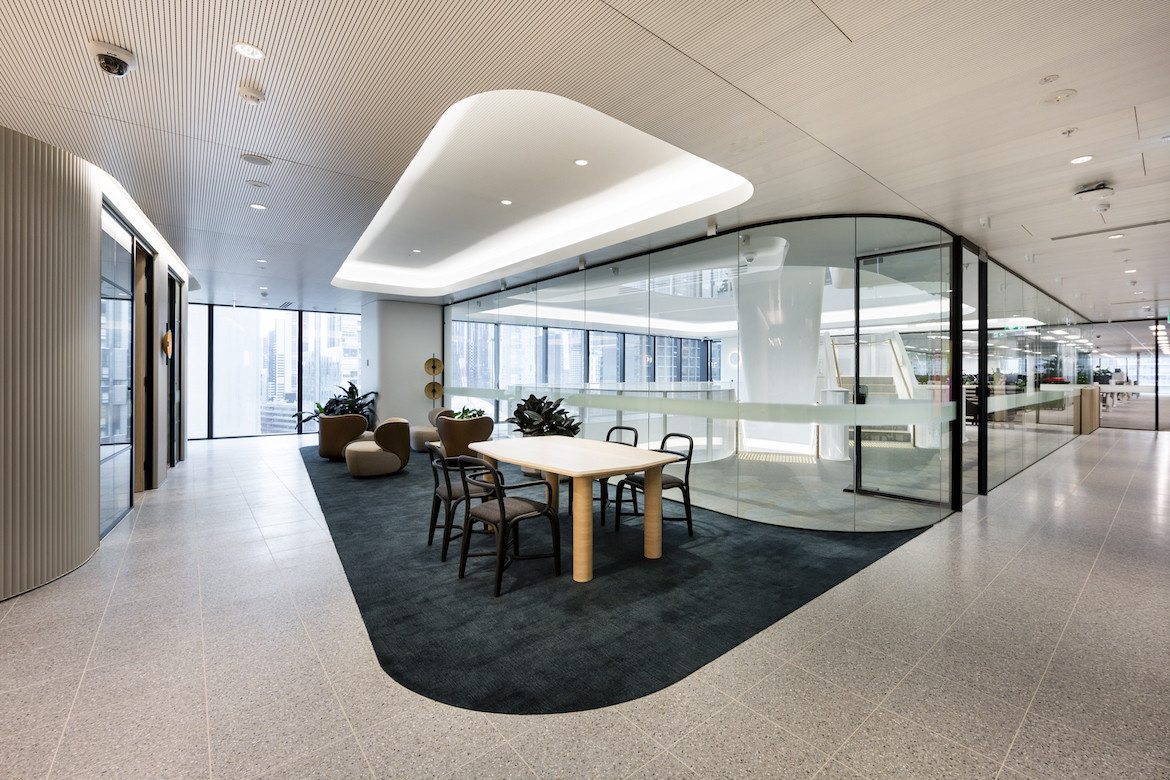
Pictured in images 2, 6 and above, the Vanguard Investments Australia fit-out by Bates Smart.
Charter Hall
charterhall.com.au
Cox Architecture
coxarchitecture.com.au
Wesley Precinct
wesleyplace.com.au
Lynton Crabb Photography
crabb.com.au