Reduce, Re-Use, Recycle
Published
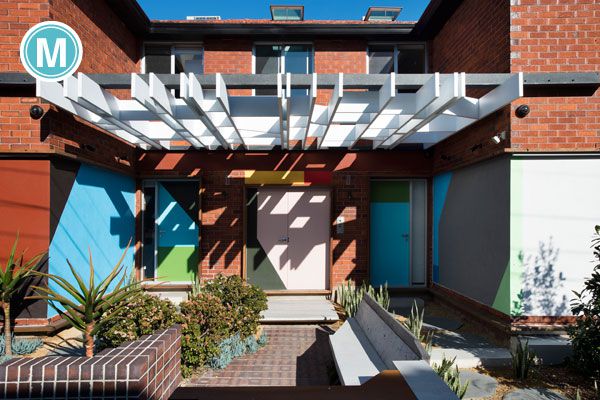
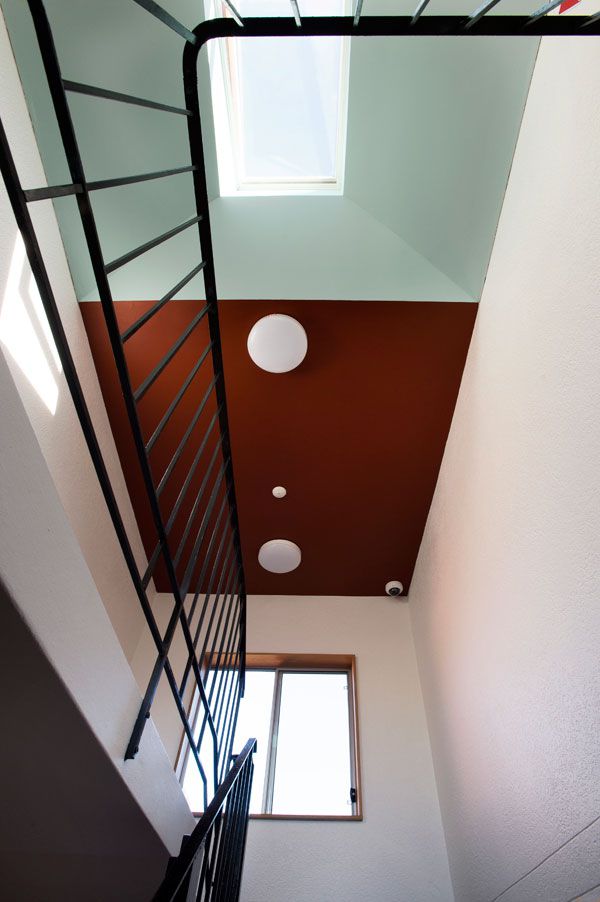
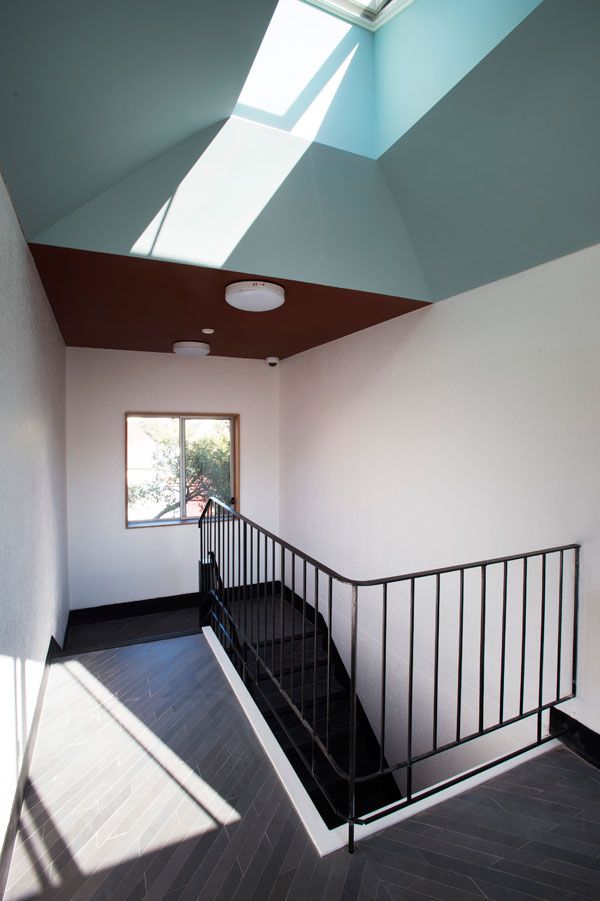
Sustainable buildings vs. sustainable living is an important distinction. Clever projects such as Polychrome in Sydney represent a critical re-think of sustainability to challenge our understanding of the principle.
One of Sydney’s most recent (and award-winning) multi-residential projects, Polychrome by architect David Boyle, serves as an excellent example of this approach.
Constructed in the late 1960s and 1970s, the multi-storey red brick buildings offered an idealized residential typology replacing the perceived cramped, dark terraces and semi-detached houses of our inner city suburbs. Generally considered to be of little architectural merit due to their scale, negative streetscape impacts and unused open space, the red brick apartment blocks have faced heavy criticism in recent years. However, where many developers and architects have chosen to knock them down and build afresh, Polychrome suggests a sustainable alternative, where the inherent character of the red textured brick is given value.
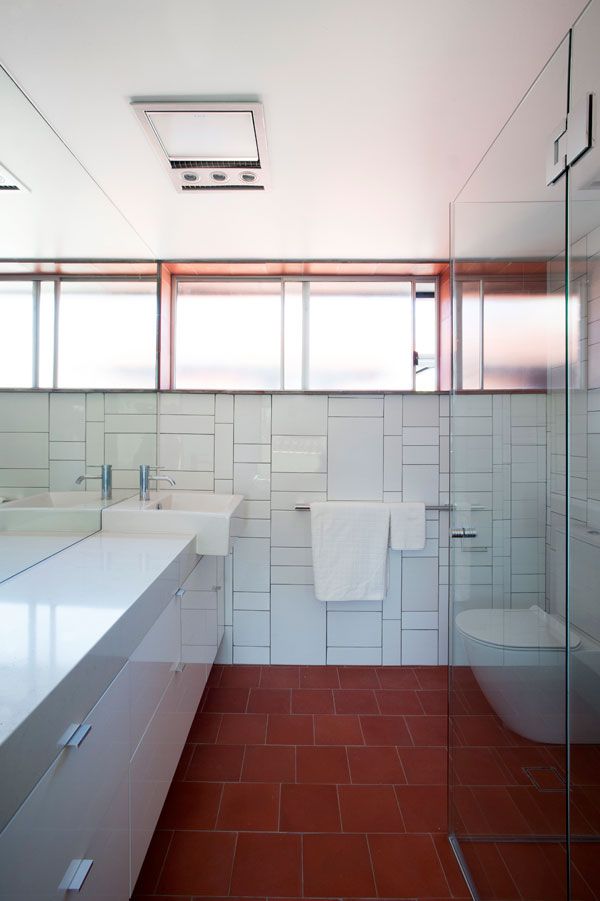
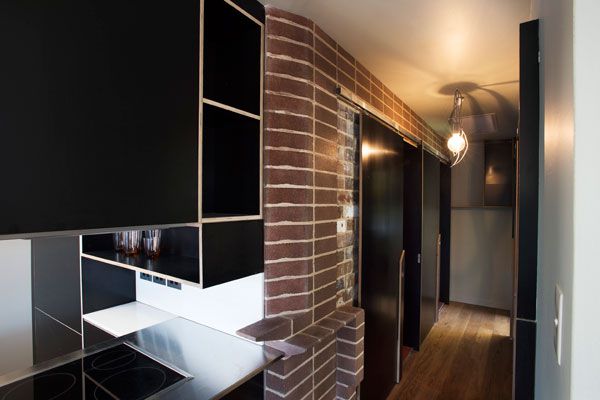
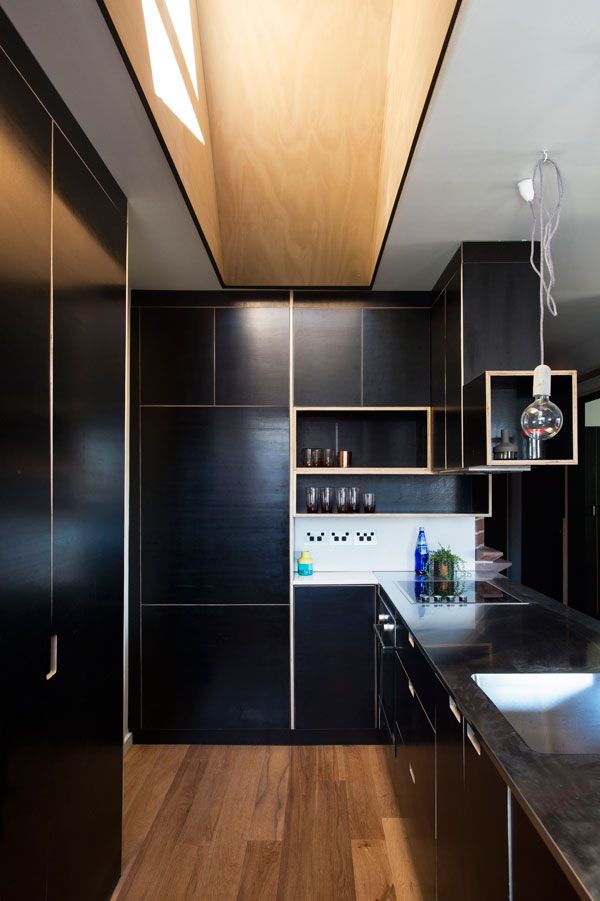
With minimal change to the existing ‘H’ shaped building footprint, the four two-bedroom units in Sydney’s Newtown have been fully refurbished and upgraded to meet building code requirements and for potential strata subdivision. Internal planning changes relocate bedroom spaces to the rear to create larger open plan living areas connecting to new side and front gardens and improve passive cross ventilation and aspect. New doors to the ground level units provide separate entries from the street more akin to semi-detached houses.
Read the full story in Issue 63 of Indesign, on sale December 12.
Latest Projects
QLD
Living outside the box
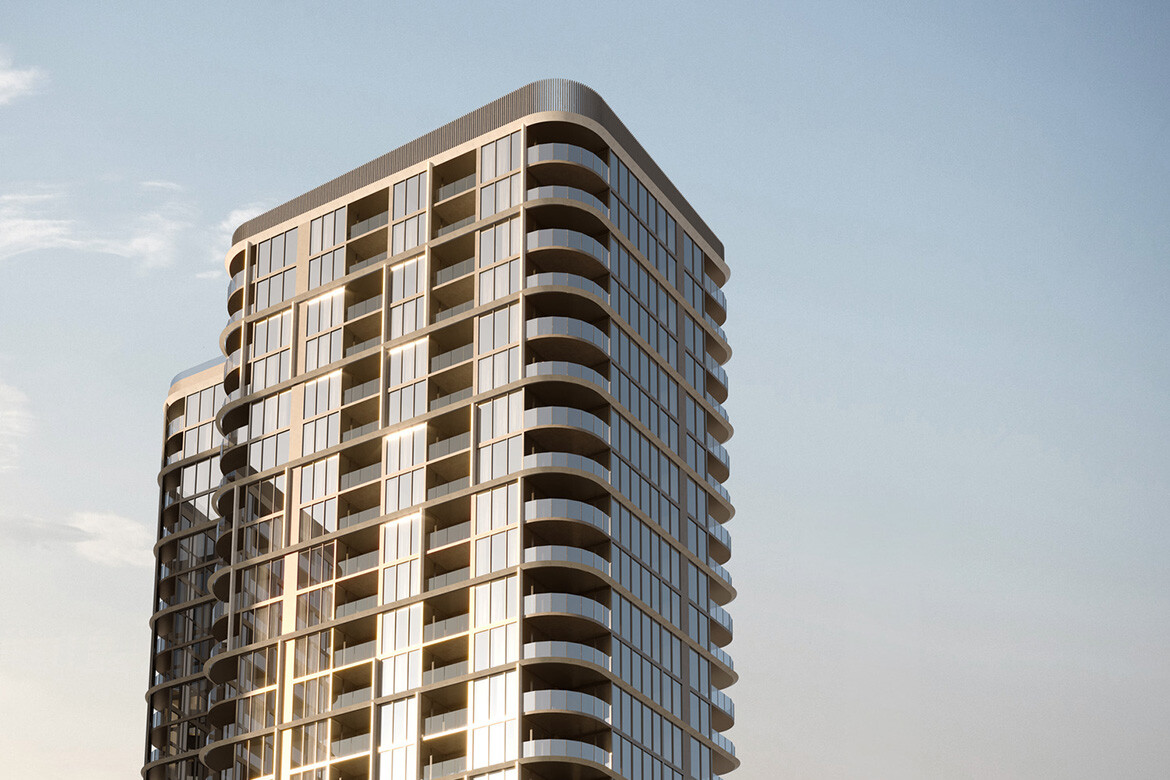
At Northshore Hamilton, Plus Studio’s Danny Juric is looking beyond the apartment tower as an isolated object, drawing on mature trees, Brisbane’s subtropical climate and the rituals of outdoor living to shape Duet.
Project
A civic gateway for Pakenham
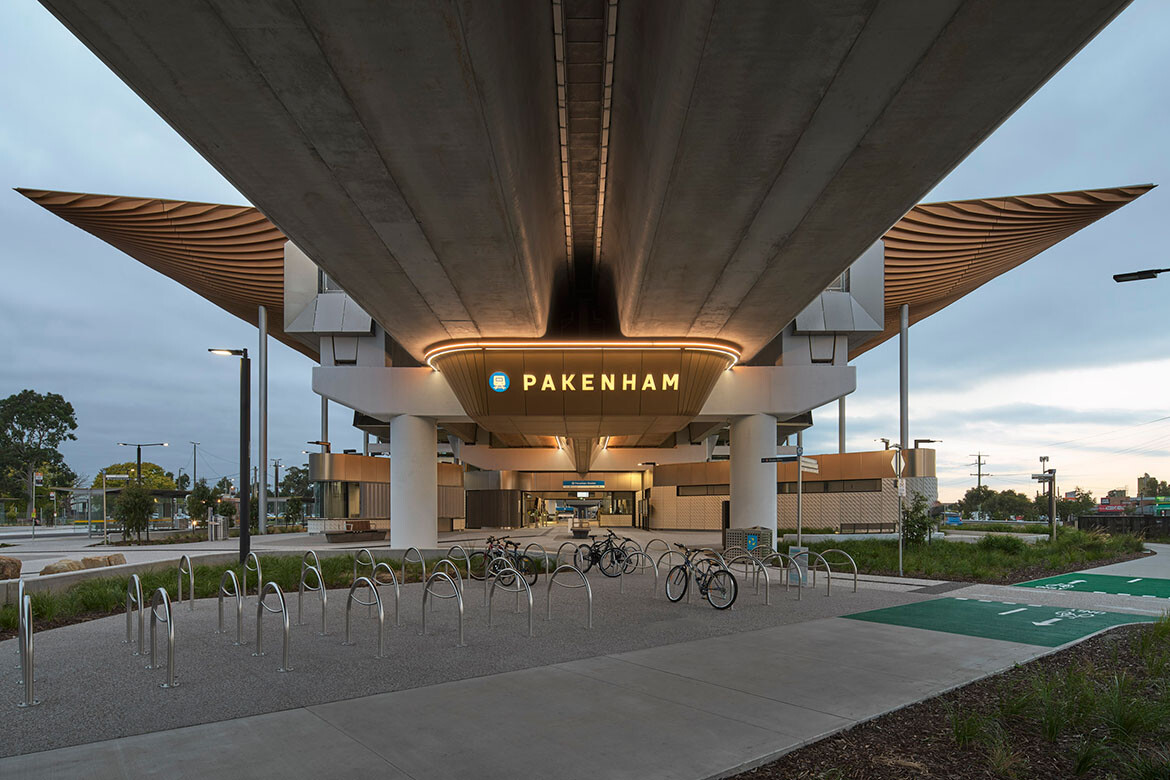
Genton’s Pakenham Station transforms a utilitarian transport interchange into an open civic landmark, reconnecting the town through landscape, public space and infrastructure designed around Country.
Workplace
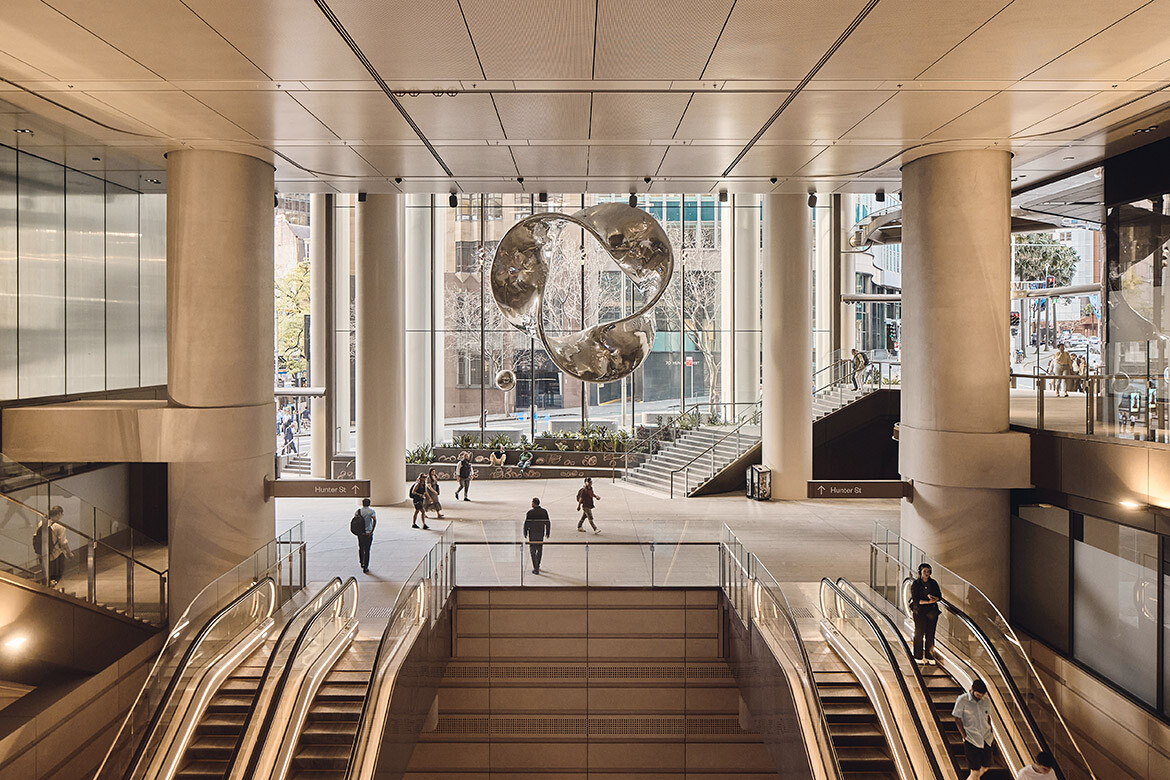
Per atria ad astra
In the very heart of Sydney’s CBD, 1 Elizabeth is a vast civic-scale project that integrates workplace design, transport infrastructure, event spaces, and hospitality around some dramatic void spaces.
Workplace
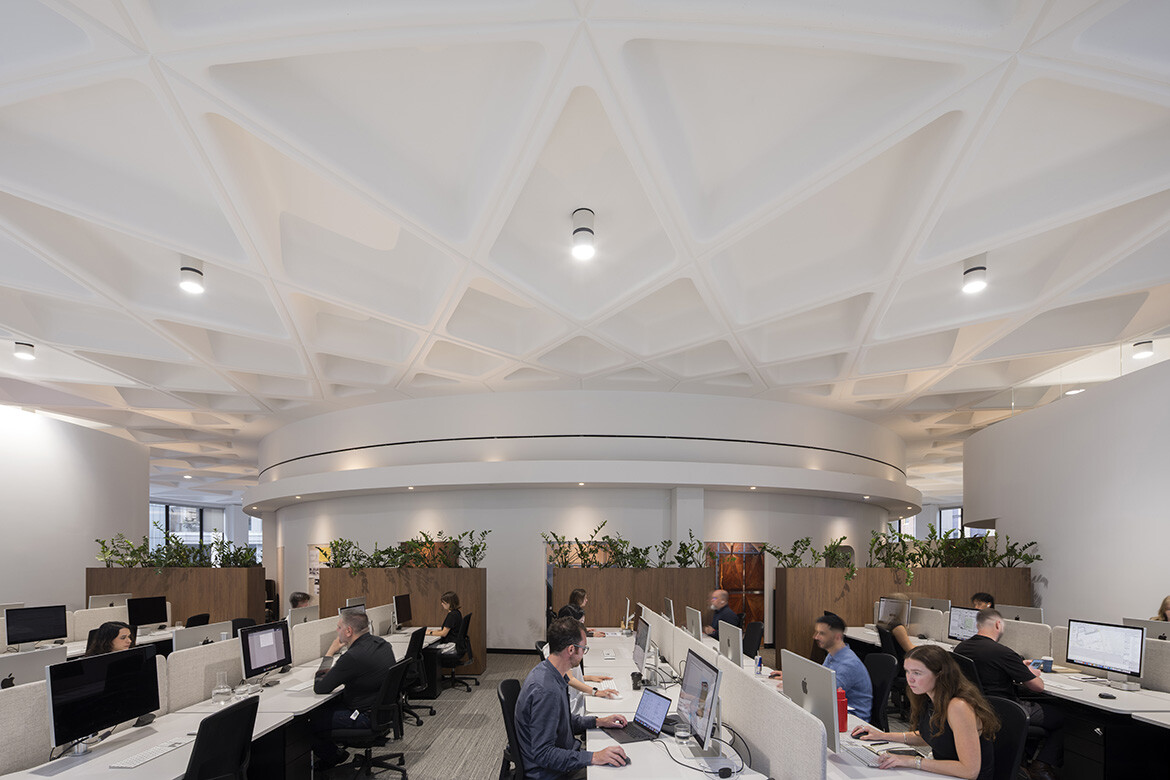
Seidler, Nervi and fjcstudio walk into an office tower
Set within hallowed architectural surroundings amidst the ghosts of Harry Seidler and Pier Luigi Nervi, fjcstudio’s new Sydney home brings geometric clarity and a spirit of creative exchange to a challenging workplace fit-out.