Party Bus
Published
By
jesse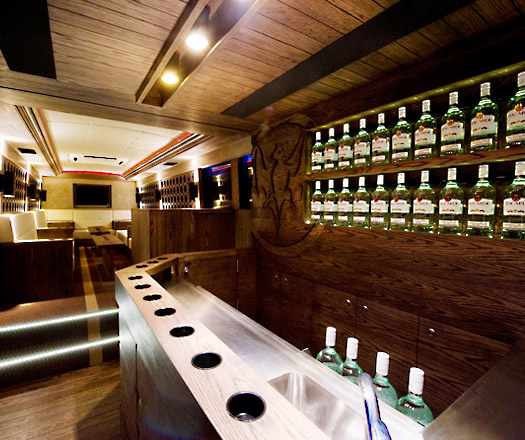
Next stop: mobile marketing. Design firm, Identity Group, takes interior design on the road.
While the popularity and versatility of internet advertising is constantly evolving, it seems the old fashioned ‘party bus’ experiential approach to marketing is well and truly alive… and on the road again.
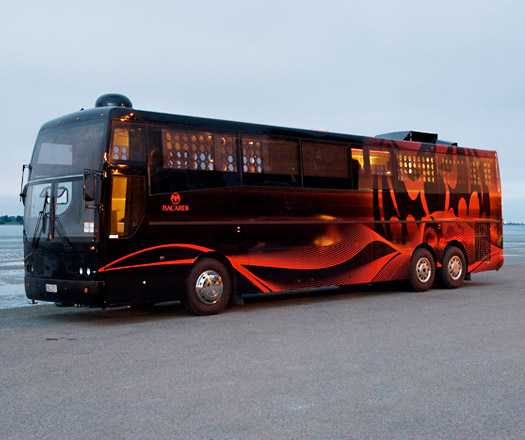
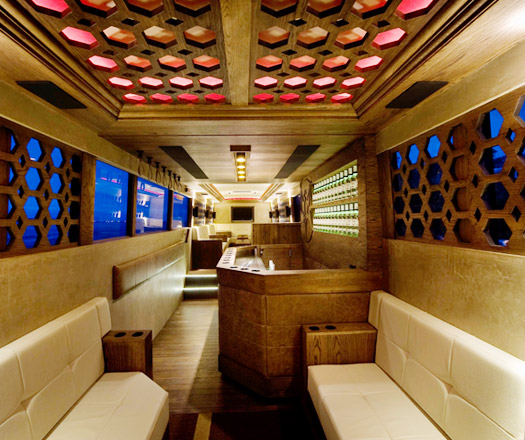
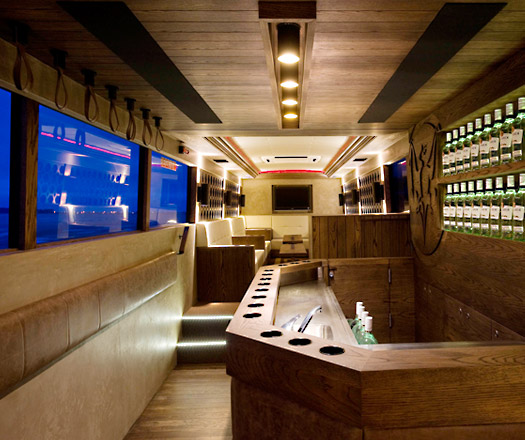
When New Zealand firm, Identity Group, were approached by Bacardi’s 42 Below Ltd to create a ‘unique portable brand experience’ they took on the challenge, developing a retro-style space inside a converted sightseeing coach.
The bus was totally stripped out, the floor was lowered, the roof raised. The project involved major structural work to make room for all the comforts of an inner-city bar.
“The project was a fast paced fit out which involved attention to detail and programming not normally required in a ’stationary’ interior design project,” says Identity Group’s Jen Conlon.
Working with bus builders, an engineer, auto sound technicians, as well as lighting suppliers, and tradespeople, the firm not only needed to create the ‘bar’ aesthetic, but the bus also needed to be road worthy and meet strict safety standards.
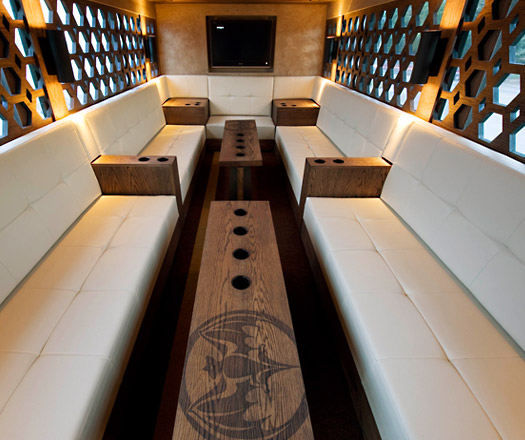
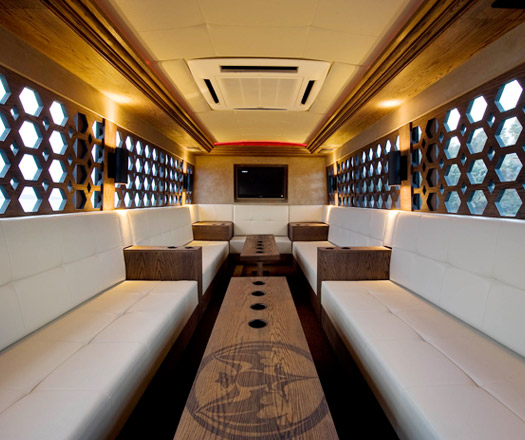
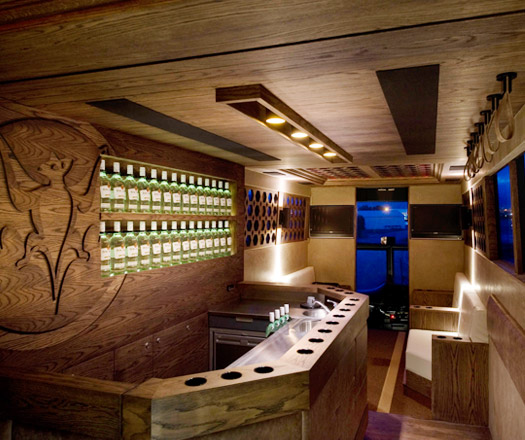
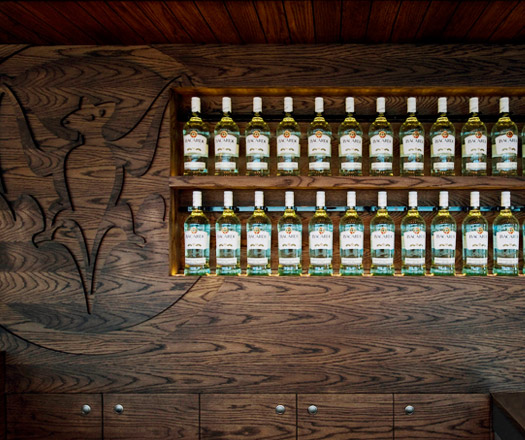
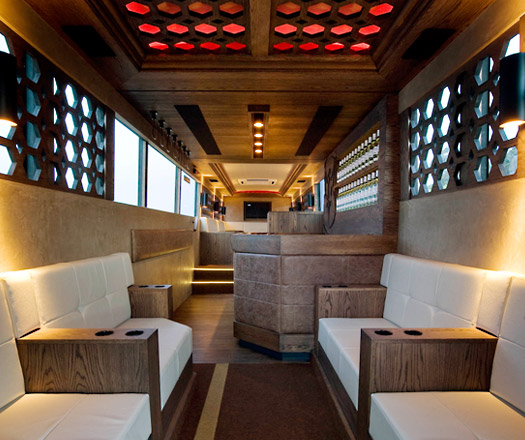
Identity Group have referenced the brand’s heritage, with stylish “retro Cuban” features, dark stained timbers, plush buttoned seating, timber and carpet flooring and plaster walls. Hexagonal-cut timber screens cover some of the windows and, on the ceiling, are backlit with red LEDs.
The Bacardi bus comes complete with sound system, state-of-the-art lighting, plasma screens, barbecue, bathroom facilities and a fully-stocked bar (complete with ice-bin).
“Because it was such a unique project and there were so many unknowns, no one quite knew how it would turn out, but in the end I think the finished product exceeded everyone’s expectations,” Conlon says.
Bacardi Bus
bacardibus.co.nz
Identity Group
idgroup.co.nz
Photography by Stephen Goodenough
stephengoodenough.co.nz
Latest Projects
QLD
Living outside the box
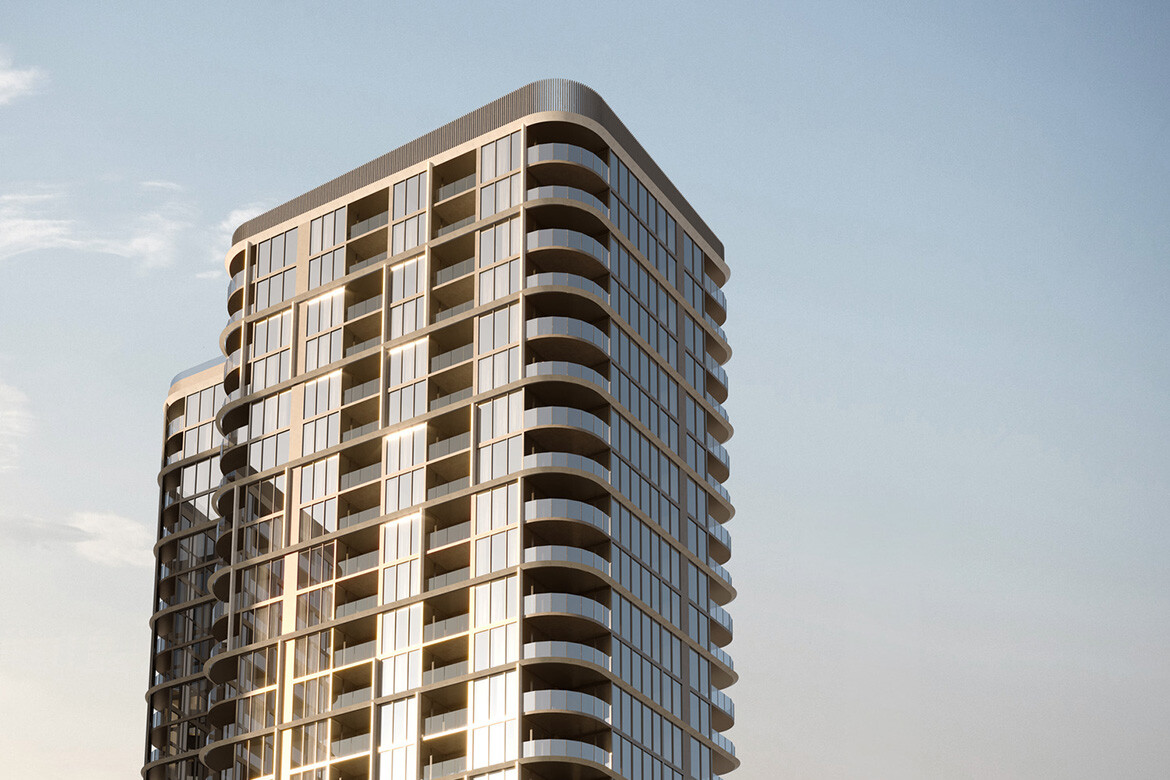
At Northshore Hamilton, Plus Studio’s Danny Juric is looking beyond the apartment tower as an isolated object, drawing on mature trees, Brisbane’s subtropical climate and the rituals of outdoor living to shape Duet.
Project
A civic gateway for Pakenham
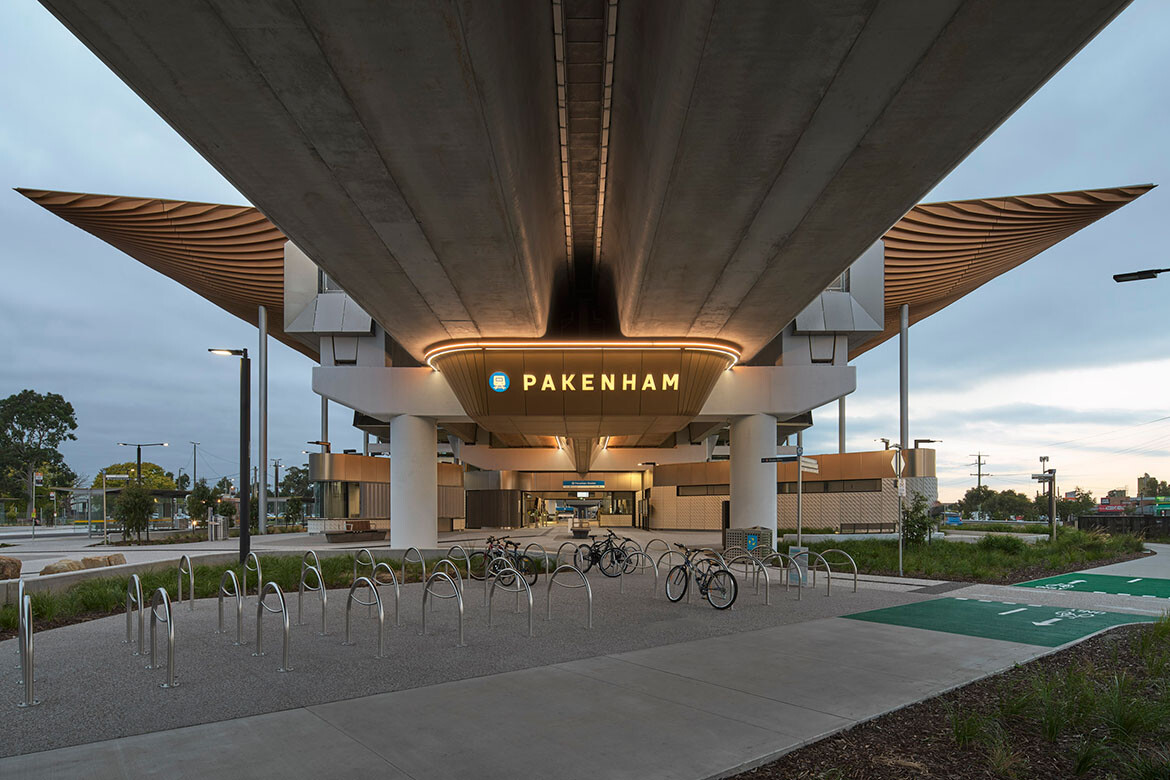
Genton’s Pakenham Station transforms a utilitarian transport interchange into an open civic landmark, reconnecting the town through landscape, public space and infrastructure designed around Country.
Workplace
Per atria ad astra
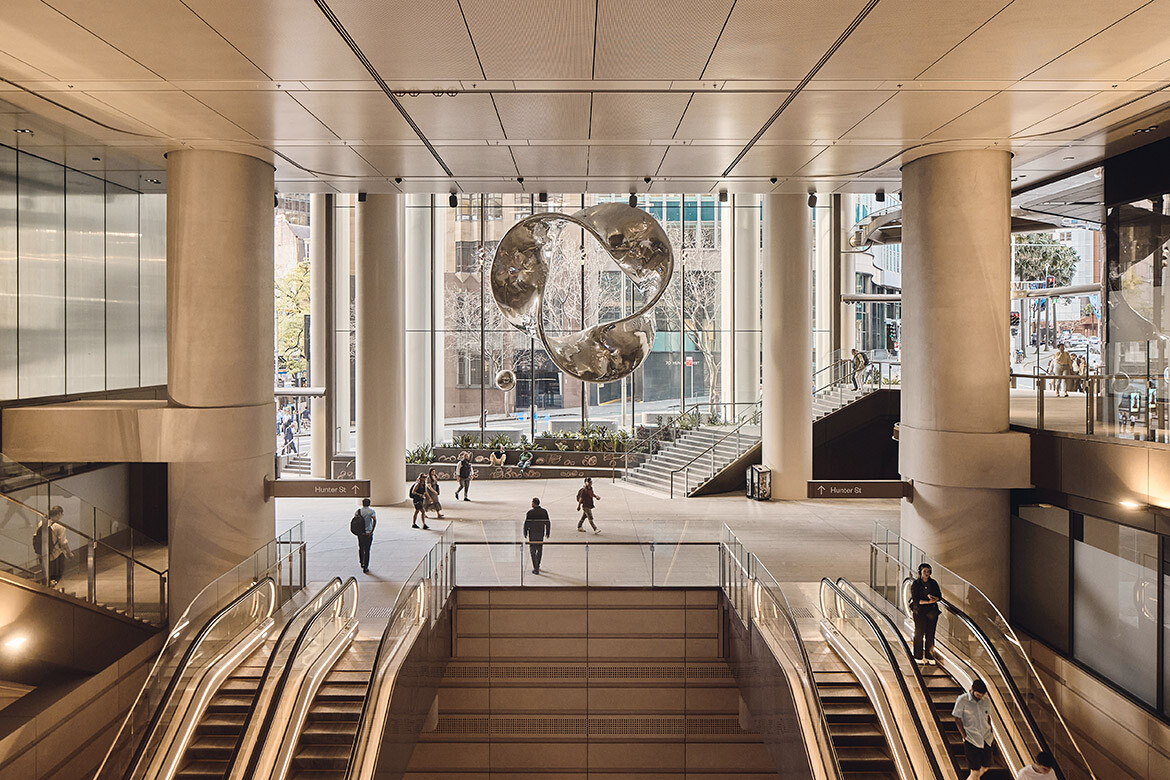
In the very heart of Sydney’s CBD, 1 Elizabeth is a vast civic-scale project that integrates workplace design, transport infrastructure, event spaces, and hospitality around some dramatic void spaces.
Workplace
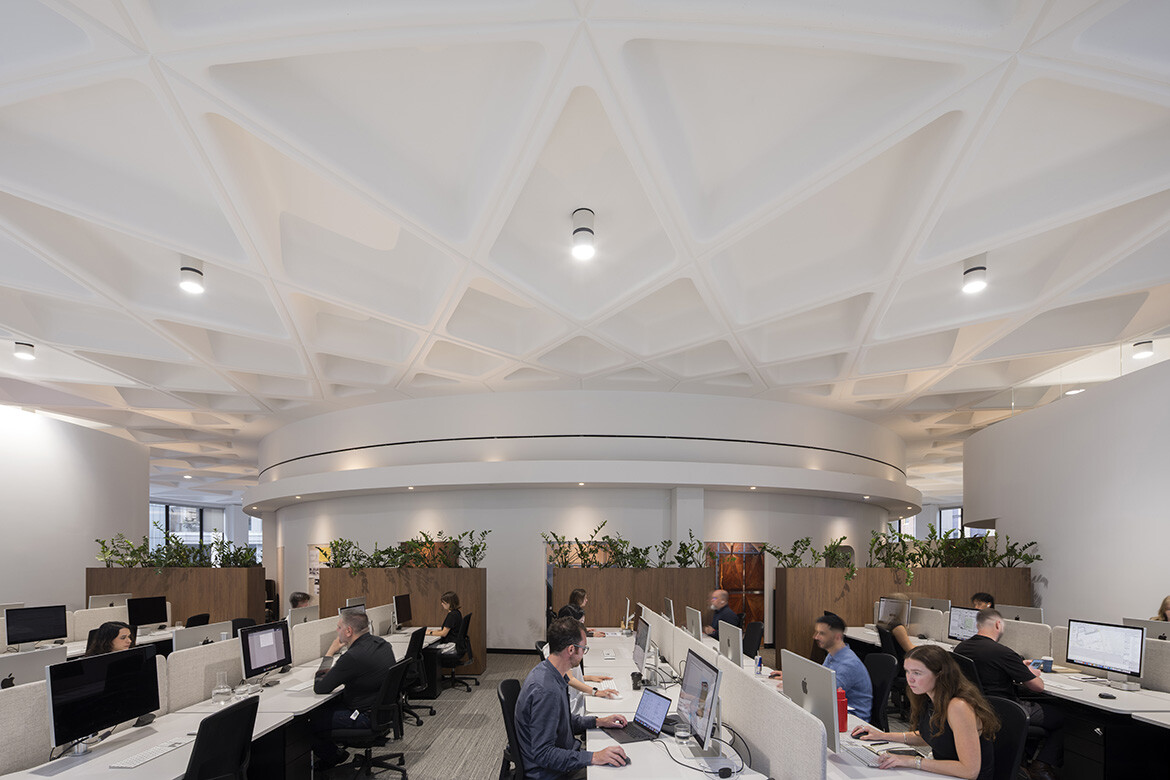
Seidler, Nervi and fjcstudio walk into an office tower
Set within hallowed architectural surroundings amidst the ghosts of Harry Seidler and Pier Luigi Nervi, fjcstudio’s new Sydney home brings geometric clarity and a spirit of creative exchange to a challenging workplace fit-out.