Panorama Interior Architecture and Design step into the hospitality sector by introducing QTC Restaurant, Shenzhen, China.
October 16th, 2013
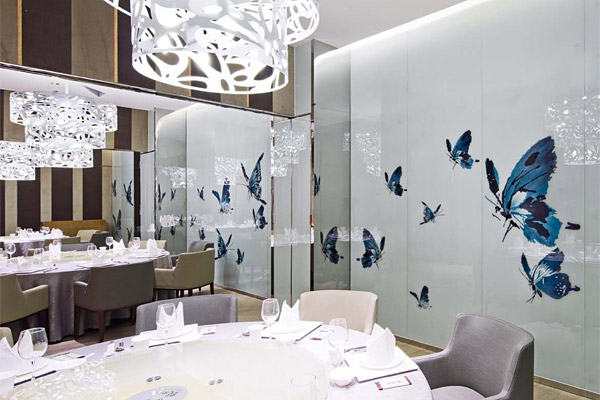
Pushing the boundaries of traditional Chinese restaurant design is Panorama’s revolutionised QTC dining concept crowned ‘Butterfly Garden’.
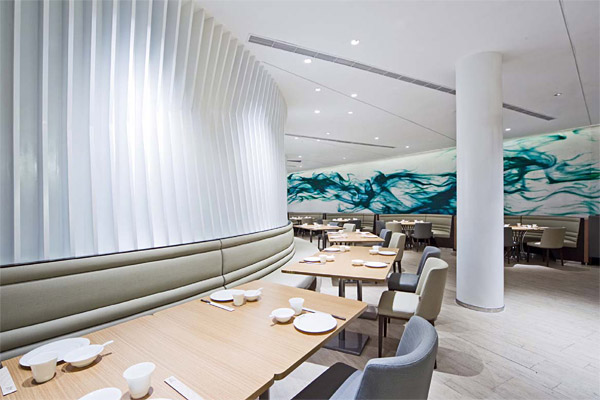
The triangular-shaped site constructed predominantly by glass and steel structure imposed a challenge of any standardised restaurant layout provision and high heat gain.
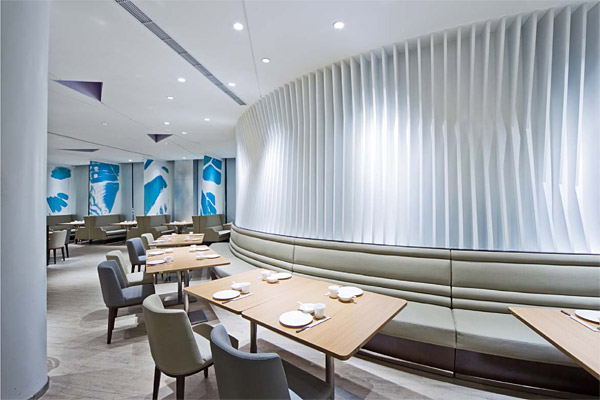
These special restraints subsequently were developed into design opportunities for Panorama and were used to set up a strong brand identity.
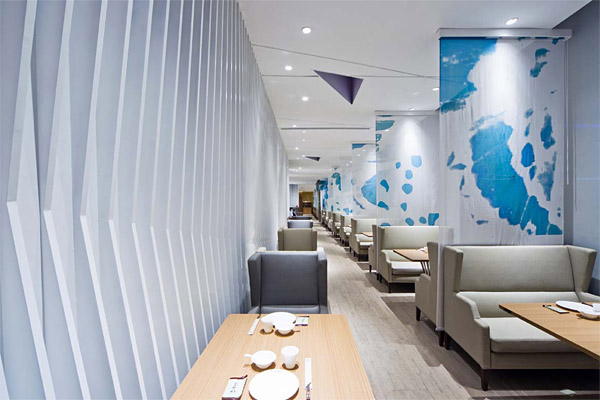
Key design elements include open dining areas with various seating patterns in booth, bench and table – and private VIP rooms scattered on the exterior.
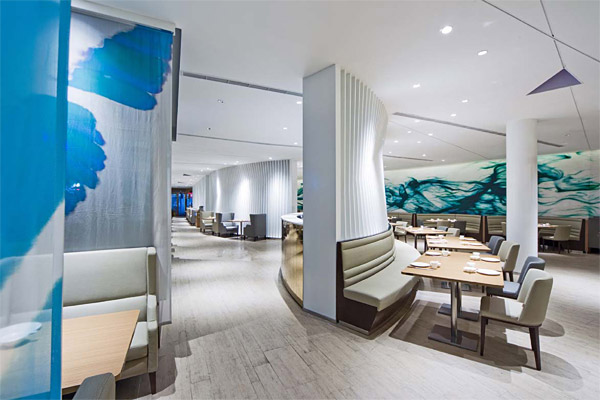
In line with the chosen theme, a central curved white feature wall signifies the sense of movement of the flying butterfly and in turn breaks the rigidity of the triangular site providing multiple sight points.
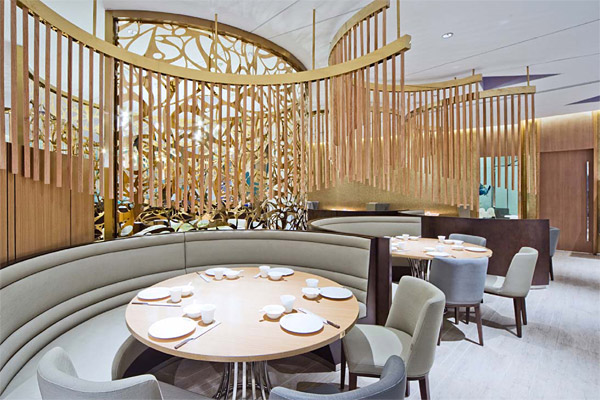
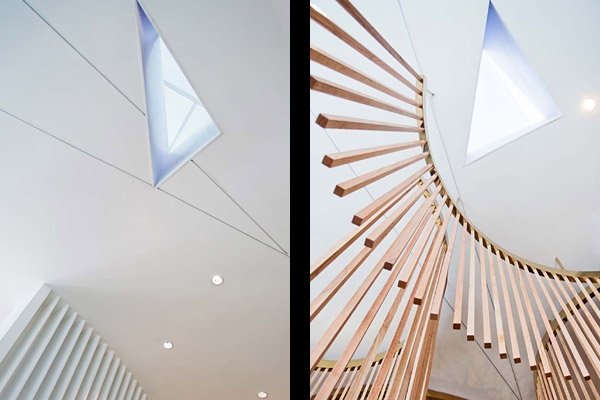
Super-sized butterfly wings are suspended by translucent dividers to provide vividness to space. Triangular skylights in different sizes have been used to open up the false ceiling to bring in extra light during daytime dining.
Two-tone beige dining chairs have been alternately placed to subtly contrast the timber flooring which has been used to offset the white ceiling and walls.
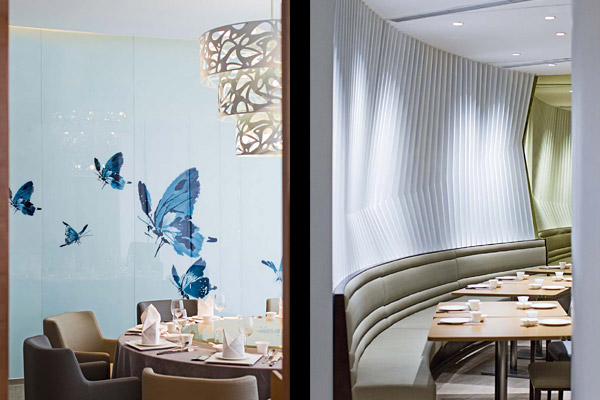
Panorama has designed QTC to reflect a new era of trendy Chinese restaurant design.
PANORAMA
INDESIGN is on instagram
Follow @indesignlive
A searchable and comprehensive guide for specifying leading products and their suppliers
Keep up to date with the latest and greatest from our industry BFF's!
Developed by bangdesign for Stylecraft, Kinn is an Australian-made collection of seating and occasional tables, shaped by modest proportions, practical detail and the changing demands of shared interiors.
At 3daysofdesign 2026, AHEC’s immersive exhibition traced the journey of American hardwood from forest to finished product.
The Geelong College’s Sport and Wellbeing Centre ‘Belerren’ designed by Wardle is designed around bringing in natural light. But Shade Factor’s job was to help modulate and precisely control it for the most important competitive moments.
In the last instalment of our three-part performance seating series, Alex Bain from Architectus explains why sitting well shouldn’t feel like sitting at all and explores an unexpected success metric of the hybrid workplace: the grounding power of emotional support.
Architects at work. Stephen Crafti talks to architect, Rob Mills, about his search for the perfect Melbourne workspace.
Melbourne-based Sinclair Knight Merz (SKM) Architects and Engineers and London’s Wilkinson Eyre Architects (WEA) have been appointed to design an exciting new research hub for Melbourne’s Swinburne University of Technology.
Ad agencies have come a long way since the days depicted on Mad Men. Buzzing, energetic and always looking for the next big idea, it only follows that the workplace design for them should help spark inspiration. J. Walter Thompson’s (JWT) new Bangkok office by Orbit Design does exactly that.
The internet never sleeps! Here's the stuff you might have missed

Late night rethinks, endless material testing and prototyping, half-finished or abandoned projects – the work behind-the-scenes work is often where ideas come undone. Elton Group’s Think Good Micro-Grant – a $5,000 annual fund now open for applications – exists to back this kind of unseen effort.
At Paddington Town Hall, the Australian rug studio reflected on two decades of bespoke design with an event that brought its archives, collaborations and making processes into motion.
Cox Architecture’s Remy Chard reminisces about her interstate trip for Saturday Indesign two years ago, writing that such design events can act as catalysts for connection while countering the ‘catch-up trap’.
KFive Furniture and Finnish design brand, Nikari, invite us into a world of Finnish folklore and exquisite woodworking traditions. As we step through this moody, magical forest of culture and contemporary design, we discover what makes Finnish design distinct from its Scandinavian counterparts.