The home of architecture and design in the Asia-Pacific
Get the latest design news direct to your inbox!

Get the latest design news direct to your inbox!
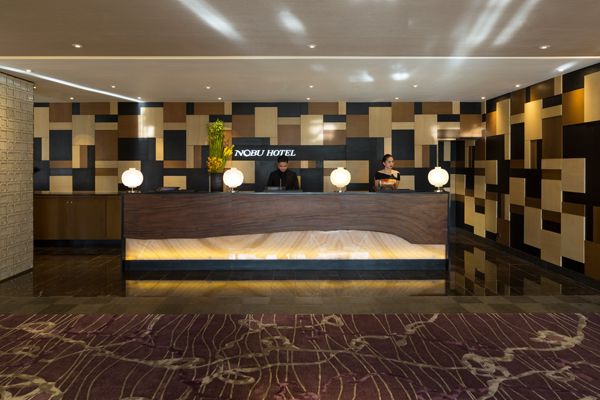
Rockwell Group has designed Nobu’s first Asian hotel, as a part of the City of Dreams Manila project, an urban resort in Manila Bay.
June 11th, 2015
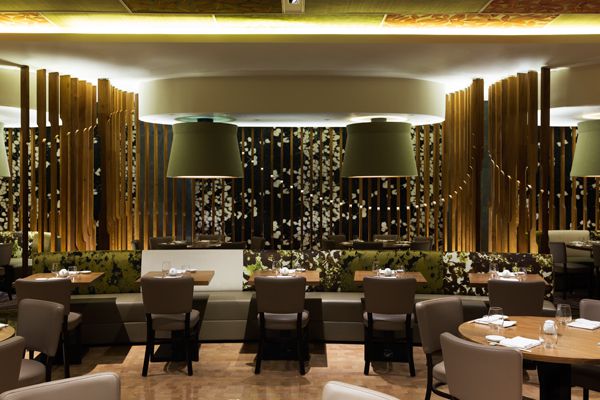
Offering guests an oasis of laid back luxury within the larger resort, Rockwell’s design includes 321 guest rooms, a 335-seat Nobu restaurant, and outdoor terrace. The material palette incorporates Nobu’s “truth-to-materials” aesthetic, which draws on organic forms in neutral tones, juxtaposed with bold dashes of purple and green.
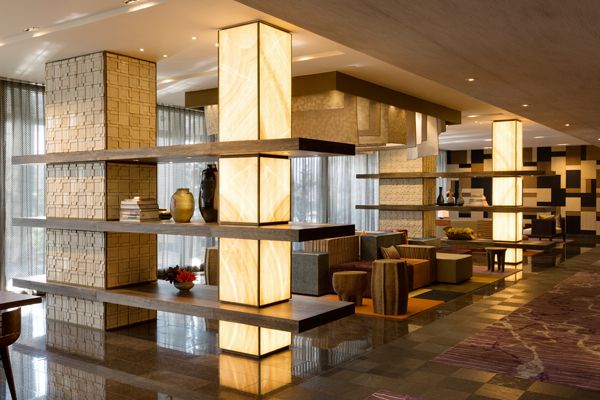
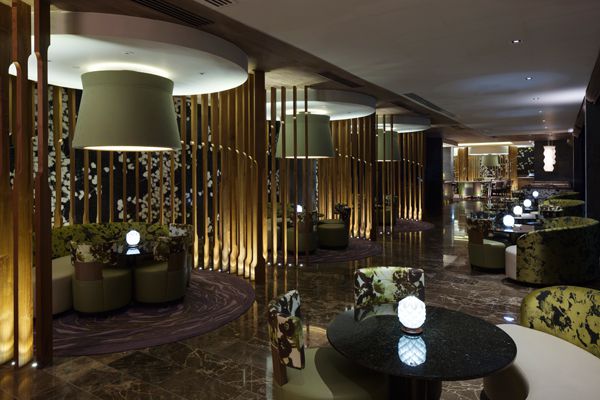
Arriving in the lobby, guests are welcomed by cosy groupings of custom, live-edge wood tables and patchwork sofas. Darkened brass patterned screens divide the room into two lounge areas. A brass chandelier, inspired by bento boxes, and area rugs resembling gestural sand paintings set the tone for the relaxing experience that lies ahead.
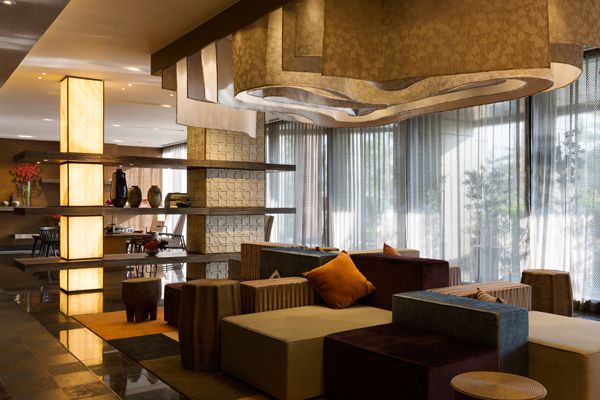
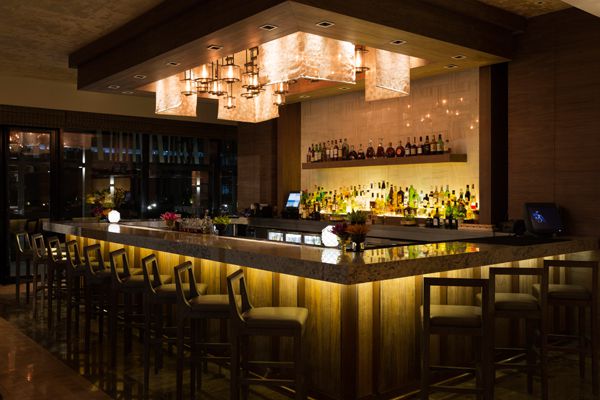
The Nobu restaurant itself sits within an idyllic setting complete with outdoor terrace. The bar and lounge area feature semi-private pods, screened off with custom slats for casual dining and drinks. Two private dining rooms with removable screens have views to the terrace outside, where teak cabanas situated on a platform deck surrounded by water look out on the City of Dreams gardens.
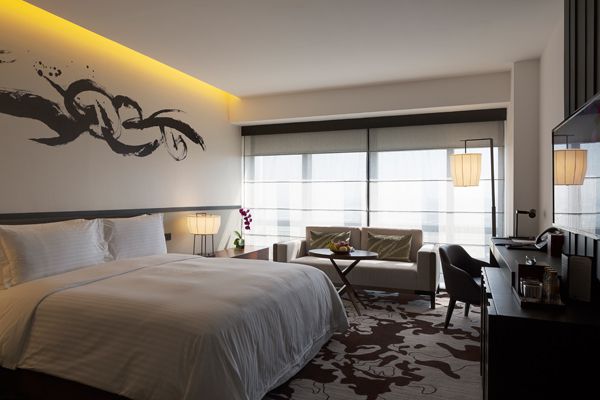
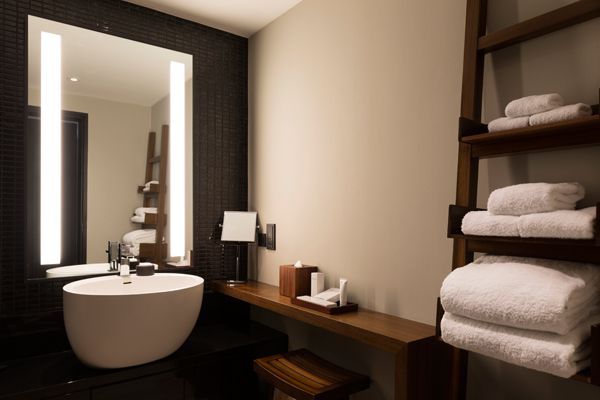
Each guest room houses a feature wall in each room, displaying a custom graphic reinterpreting calligraphy. As in the lobby, carpets resembling sand paintings are an unconventionally bold feature.
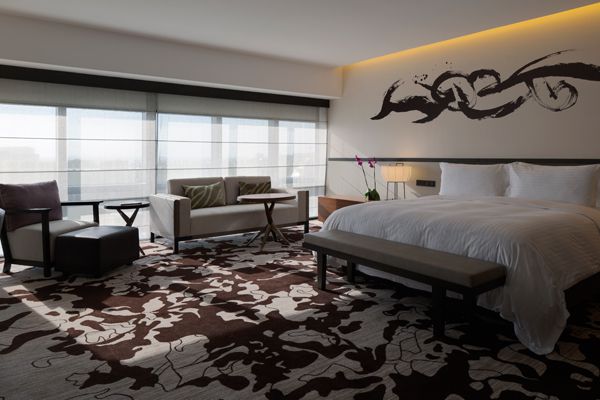
Rockwell Group included organically shaped and distressed finish pine bedside tables in each room, with accompanying wooden coffee table. Custom standing and table lamps with lantern style shades set the rooms aglow.
The design of the hotel is at one time both modern, yet invitingly warm and marks a terrifically bold statement for Nobu’s move into Asia.
Rockwell Group
rockwellgroup.com
INDESIGN is on instagram
Follow @indesignlive
A searchable and comprehensive guide for specifying leading products and their suppliers
Keep up to date with the latest and greatest from our industry BFF's!
The internet never sleeps! Here's the stuff you might have missed