Melbourne Rectangular Stadium’¨’¨
Published
By
jesse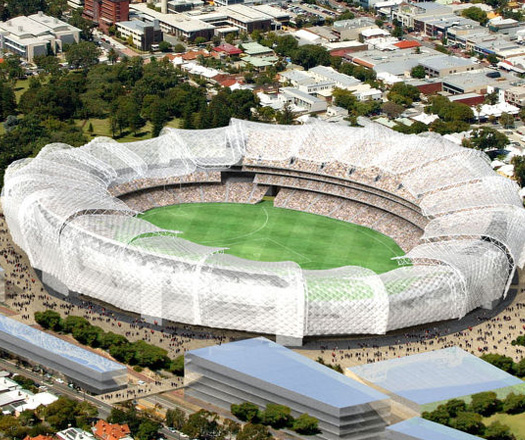
The Melbourne Rectangular Stadium is not far from completion, and the project continues to gain a great deal of international attention.
Some of you may have glimpsed the beginnings of the new Melbourne Rectangular Stadium (MRS), currently under construction on Edwin Flack Field in the Olympic Park precinct.
This is a “bold move forward for sports architecture in Victoria”, say Cox Architects, who have collaborated on the project with engineers Arup and Norman Disney and Young.
The opening of this world class event and sports complex is just around the corner, scheduled for completion in early 2010.
Both aesthetic and sustainable the stadium takes the form of a bioframe dome with a lightweight steel structure which uses 50% less steel than the average cantilever roof.
The structure encompasses a combination of glass, metal and louvers, utilising recycled building material where appropriate.
A feature of the design lies in its illuminative qualities; the stadium roof is covered with thousands of LED lights that light up the Melbourne skyline by night.
The LED lights will use around one tenth of the power required to floodlight the stadium while highlighting its sculptural design.
Cox Architects describe the stadium as a “unique and dynamic form that is innovative and memorable ”.
The complex will be home to the Melbourne Victory and Storm soccer and rugby teams, providing them with an outstanding training, sports and medicine complex.
Despite being mid-construction, the MRS has already been named the winner of the international Bentley Award, recognised for excellence in parametric modelling for structures.
’¨’¨
Architect
Cox Architects and Planners
cox.com.au
Builder
Grocon
Client
Sport and Recreation Victoria (Department of Planning and Community Development)
Project Management
Major Projects Victoria
majorprojects.vic.gov.au
Latest Projects
QLD
Living outside the box
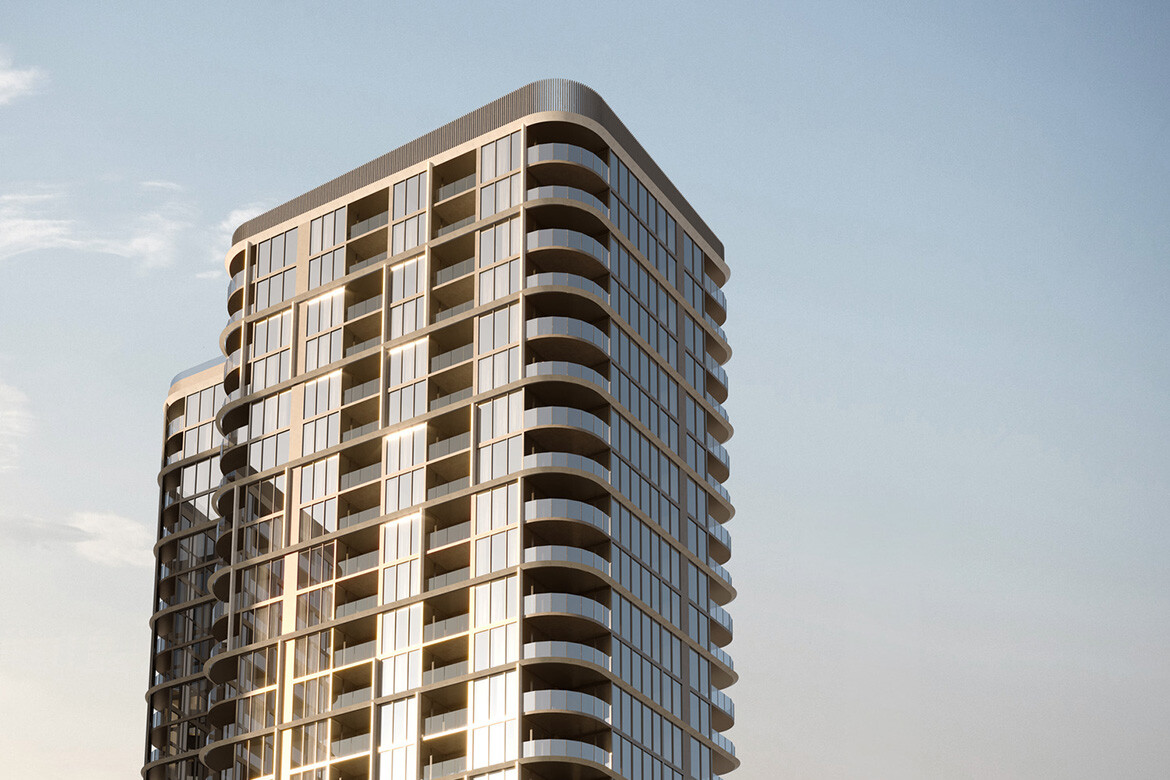
At Northshore Hamilton, Plus Studio’s Danny Juric is looking beyond the apartment tower as an isolated object, drawing on mature trees, Brisbane’s subtropical climate and the rituals of outdoor living to shape Duet.
Project
A civic gateway for Pakenham
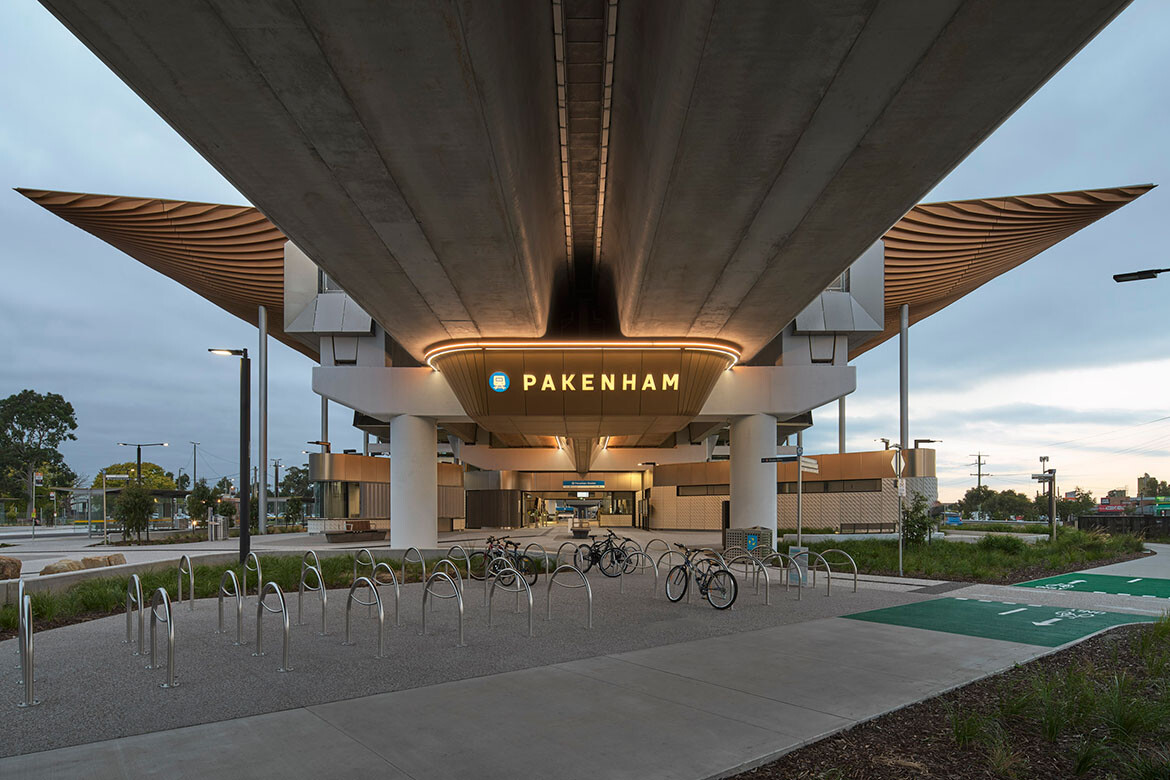
Genton’s Pakenham Station transforms a utilitarian transport interchange into an open civic landmark, reconnecting the town through landscape, public space and infrastructure designed around Country.
Workplace
Per atria ad astra
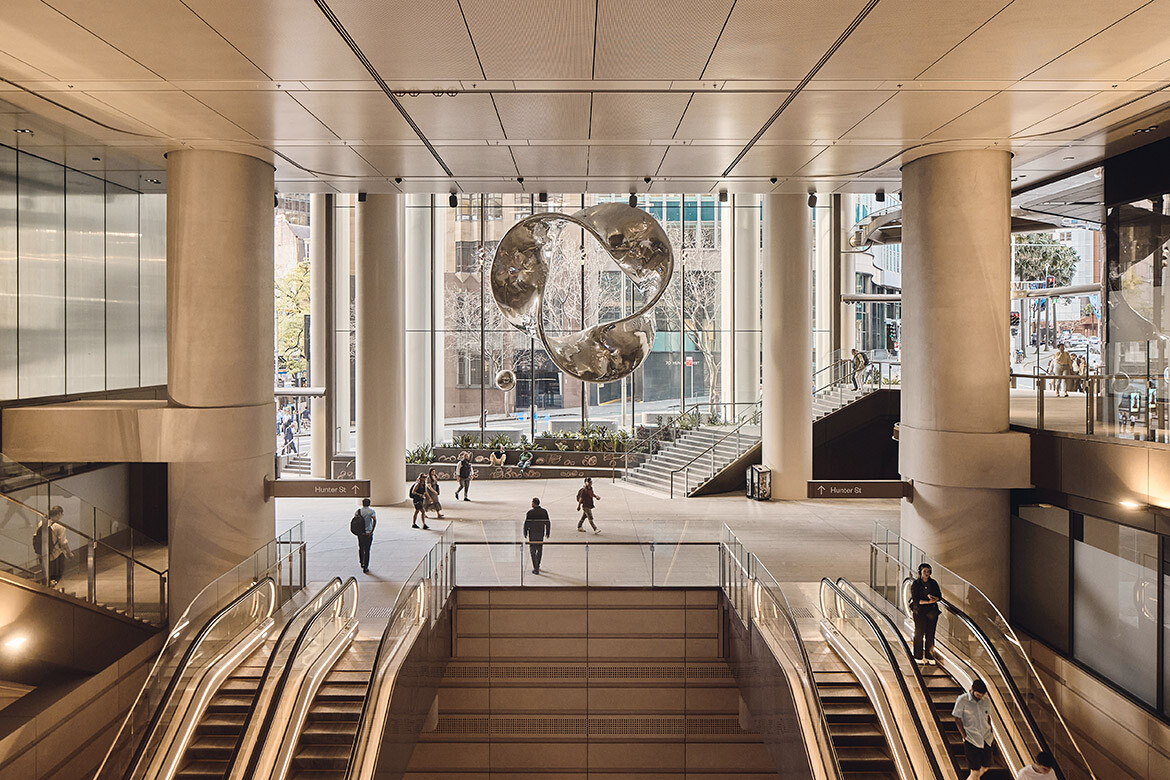
In the very heart of Sydney’s CBD, 1 Elizabeth is a vast civic-scale project that integrates workplace design, transport infrastructure, event spaces, and hospitality around some dramatic void spaces.
Workplace
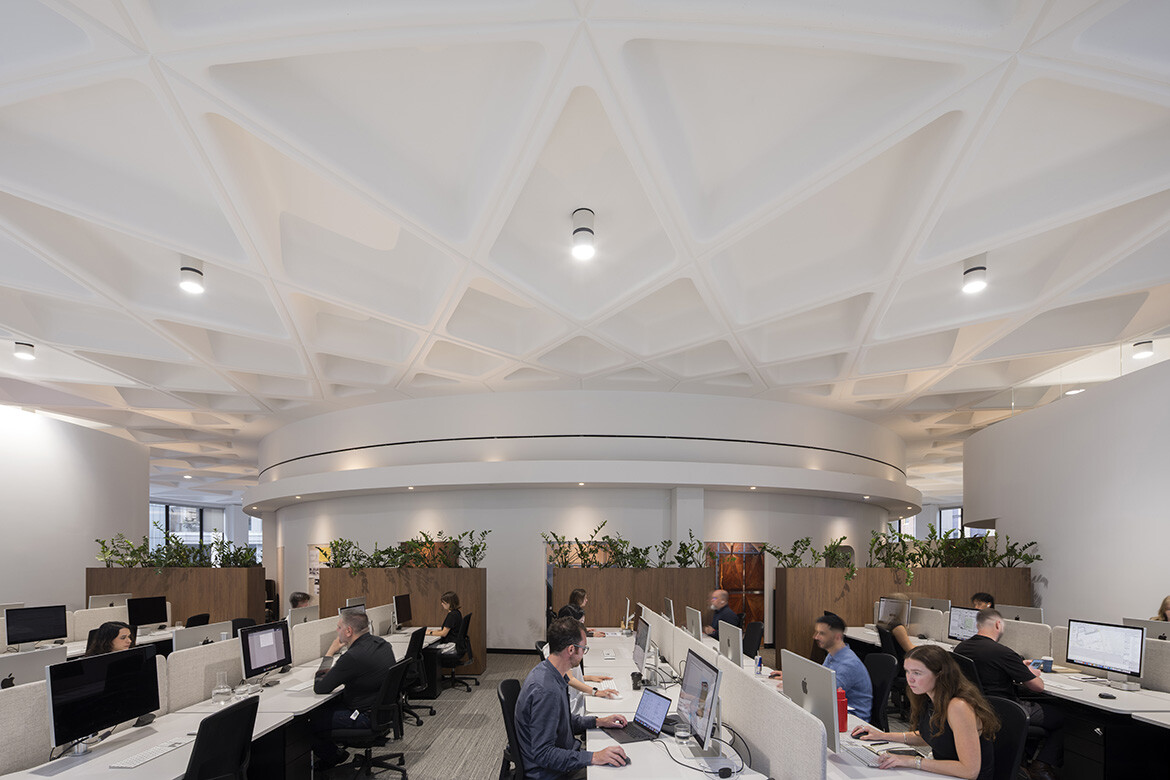
Seidler, Nervi and fjcstudio walk into an office tower
Set within hallowed architectural surroundings amidst the ghosts of Harry Seidler and Pier Luigi Nervi, fjcstudio’s new Sydney home brings geometric clarity and a spirit of creative exchange to a challenging workplace fit-out.