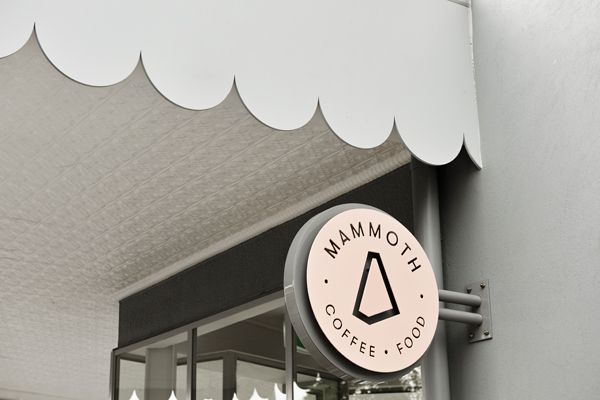
After making their mark with Richmond favourites Touchwood and Pillar of Salt and Northcote hotspot Barry, husband and wife duo Jamie and Loren McBride have just opened the doors on their latest café project, Mammoth.
November 11th, 2015
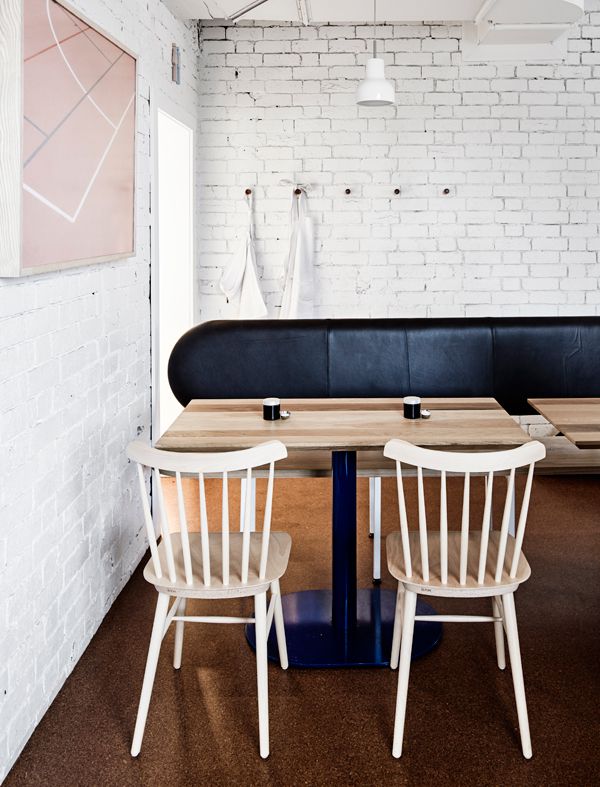
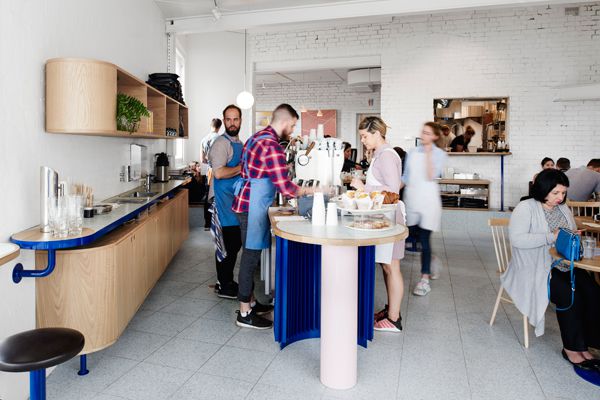
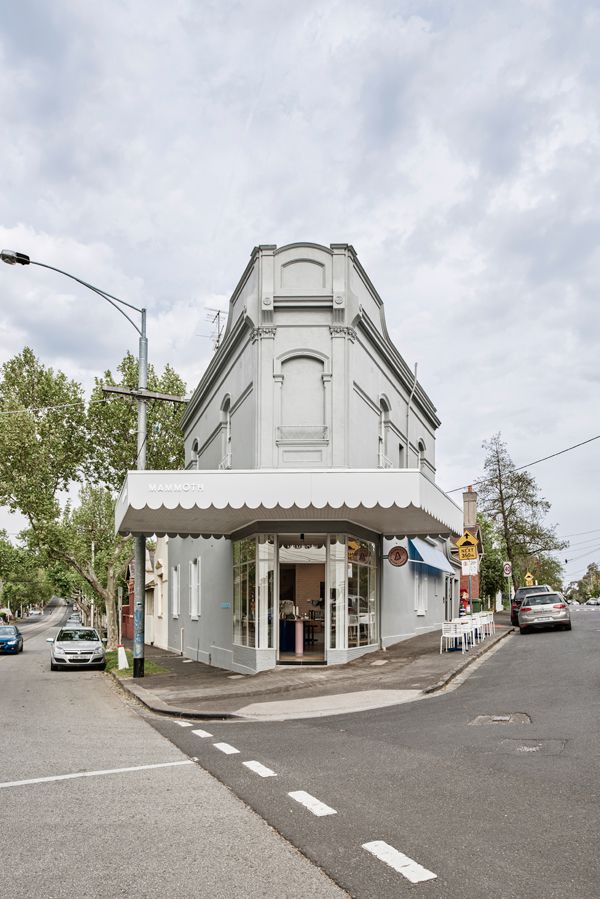
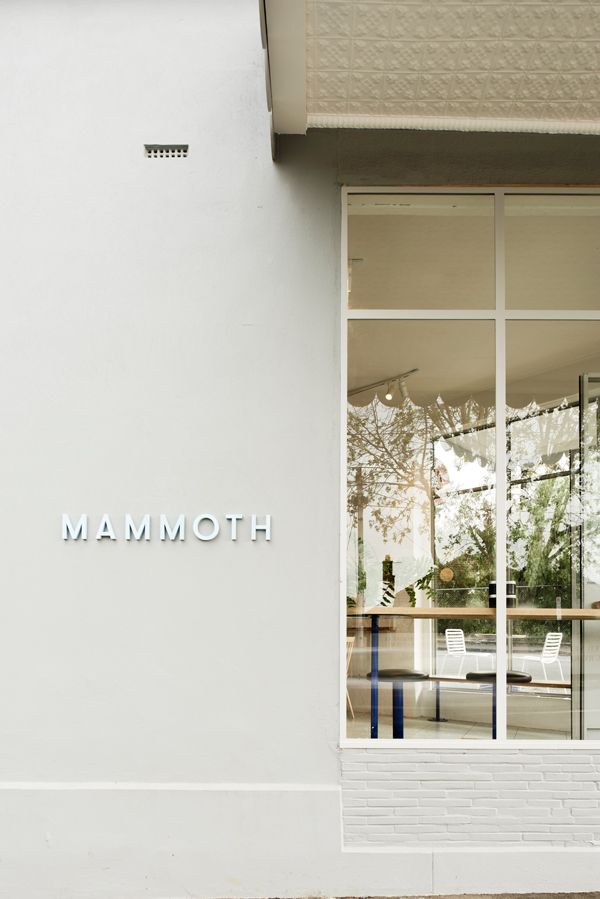
A unique triangular tenancy wedged between Malvern Road and Beatty Avenue in Armadale, Mammoth is the next chapter in Jamie and Loren’s ongoing mission to further explore the potential of healthy, creative and contemporary café style dining. Engaging Melbourne architecture and interior design studio Technē converted the site based on a brief focused around creating a peaceful, happy space that had a nod to subtle reference points including West Coast USA, summer holidays and the aesthetic of Wes Anderson films.
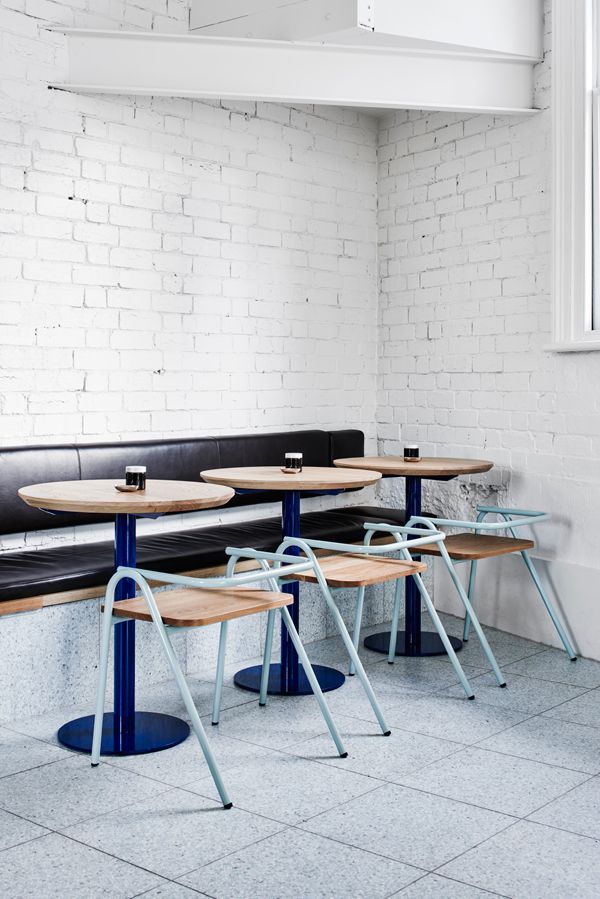
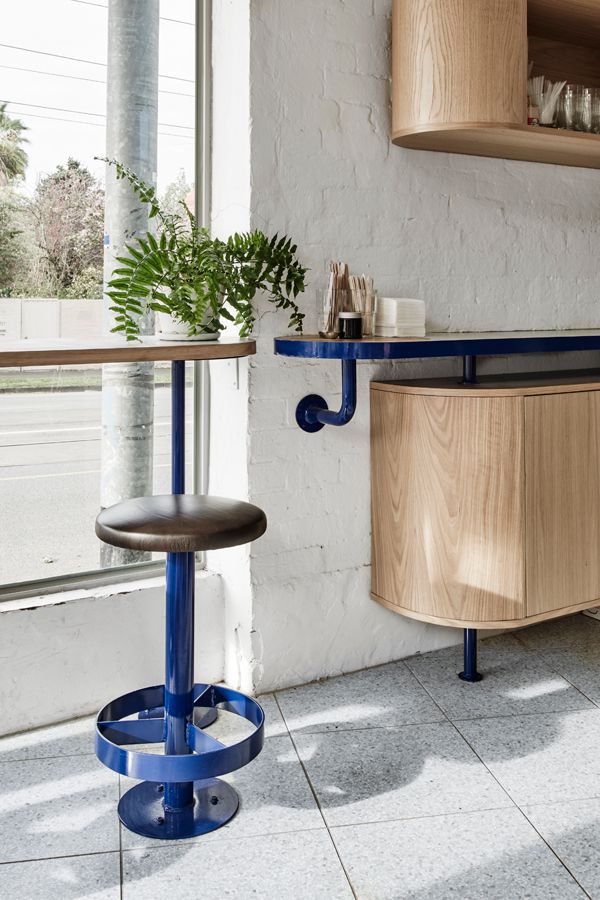
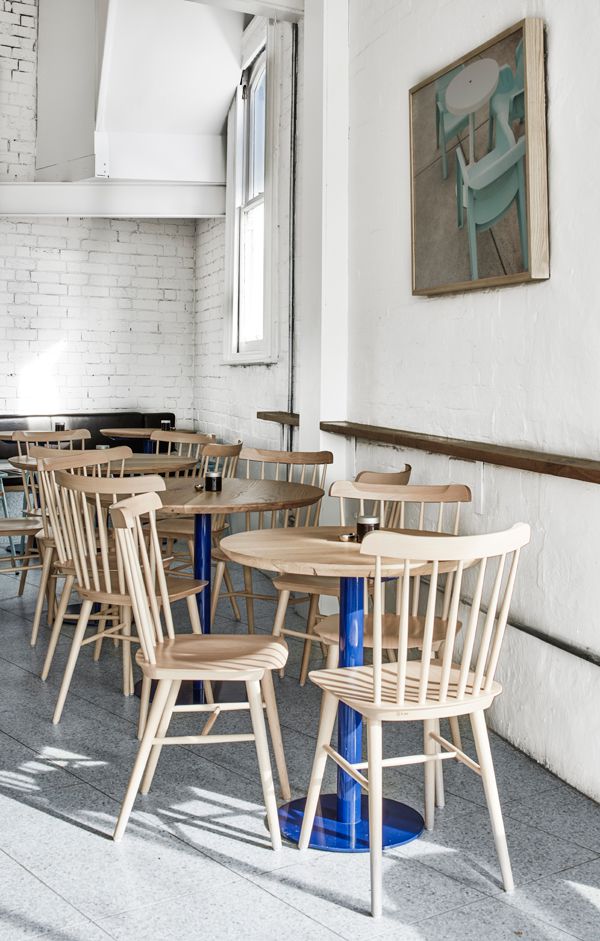
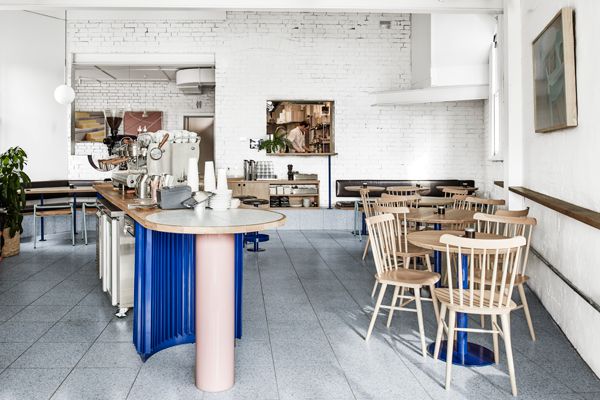
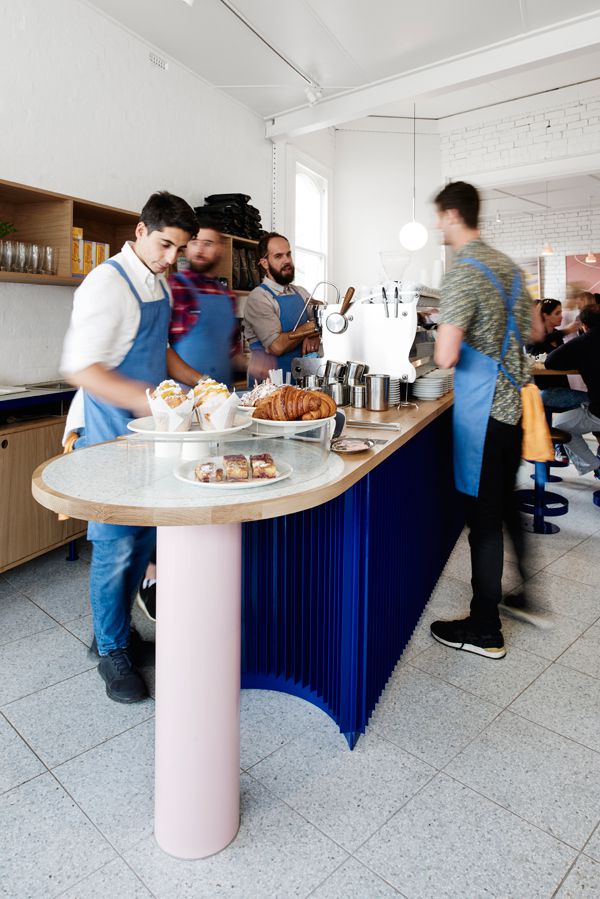
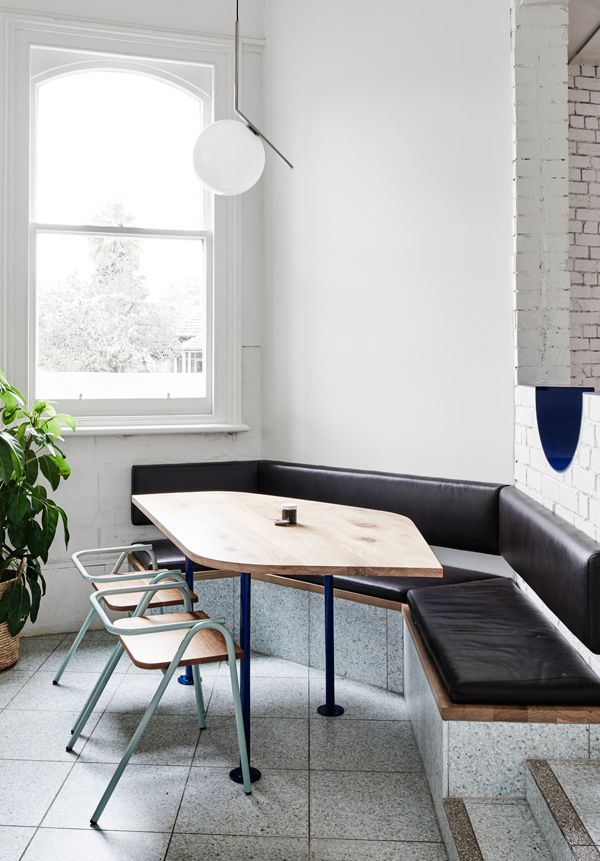
Working with a site that was irregular in shape and split into two distinct sections, Technē began by workshopping multiple potential floorplans in line with the client’s openness to exploring non-standard seating arrangements. In response, a sculptural front counter that incorporates bar-style seating greets guests and creates a central focal point of the room. A variety of seating styles capitalise on the natural nooks that are created by the site’s triangular floor plan. In addition loose seat and table settings, long benches, banquettes and bar seating at the central counter offer multiple configurations.
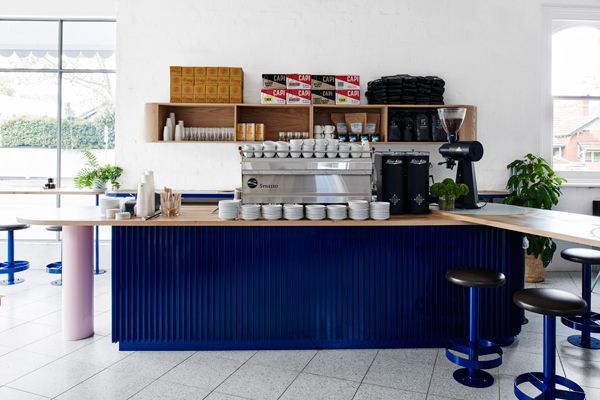
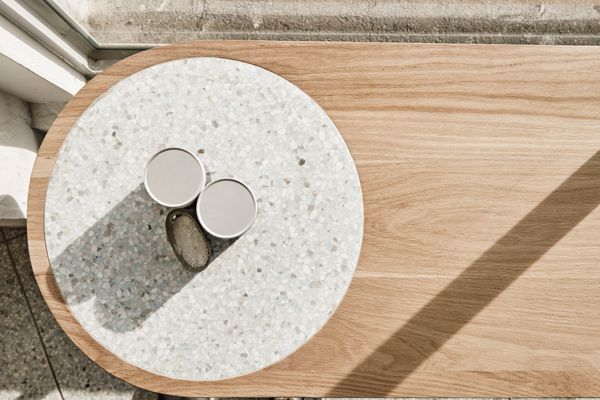
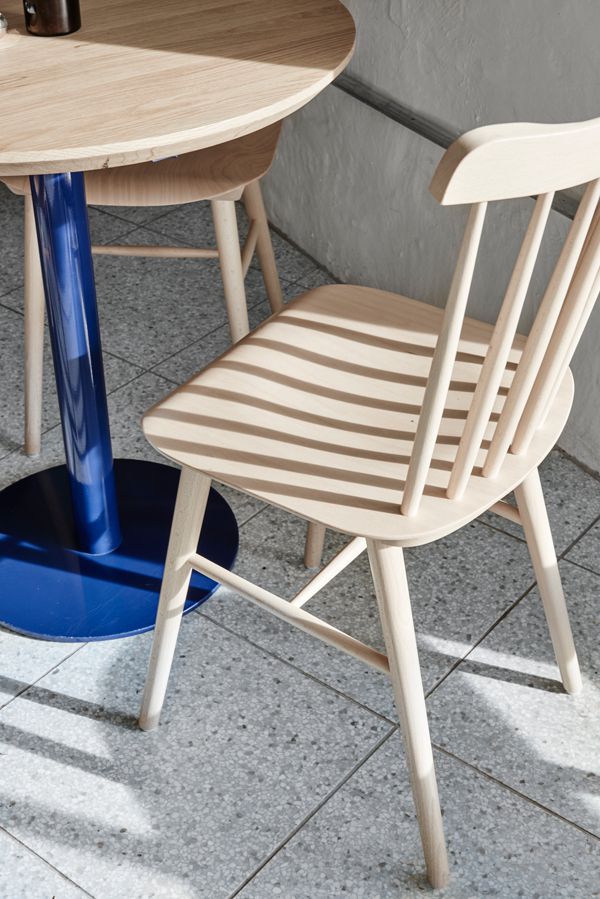
In finishing and decorating the space, Technē opted for clean, simple white walls to increase the sense of space and reflect the natural light. Splashes of blue are an instantly recognisable signature of the design, from the powder blue terrazzo flooring and powder-coated navy blue metal table legs, to the varying shades of the blue aprons of floor staff. American Oak benchtops and tabletops add warmth to the space, complementing the natural light.
“Due to the nature of a small, triangular and split-level site, space planning for this project was initially a tricky exercise. However the quirkiness of the site quickly became an enjoyable design challenge for us,” says Technē senior interior designer, Jonny Mitchell. “From there, we sought out to reach a balance between functionality and aesthetic, with the added bonus of a very fun set of reference points.”
Mammoth Café
eatmammoth.com
INDESIGN is on instagram
Follow @indesignlive
A searchable and comprehensive guide for specifying leading products and their suppliers
Keep up to date with the latest and greatest from our industry BFF's!
In the first instalment of our three-part series exploring what it means to sit your best, we pose the question to Gray Puksand’s Dale O’Brien, who discusses the importance of ease and majority rule when it comes to sitting and reveals why specifying a task chair is not unlike choosing a Volvo.
Aeron Chair’s new shades, Nightfall and Jasper, arrive with a sense of quiet cohesion – no bells and whistles, no loud technicolour; just two timeless, perfectly versatile near-neutrals. But the new hues aren’t just about colour – and their significance is much more profound than their surface-level subtlety might suggest.
Stepping into Intuit’s Sydney workplace certainly doesn’t feel like walking into an office. Why? In this film, we discover that, when joy takes precedence as a design driver, even a high-performing commercial CBD headquarters can feel like an intuitive wonderland that invites employees to choose their own adventure.
In the second instalment of our performance seating three-parter, we turn to DKO’s Michael Drescher and Jacob Olsen to peek behind Sayl’s confident architectural form and explore the ideas of inclusivity, adaptability and freedom to move as hallmarks of what sitting your best actually means.
As a precursor to a more in-depth article in the next issue of Indesign, Jan Henderson ventured to Shepparton to discover SAM and enjoyed every moment.
The internet never sleeps! Here's the stuff you might have missed
Interior architecture needs to shape a balance between the energy of collaboration and the facility for focused concentration.
Arts writer and editor Victoria Hynes reports on the breadth of this year’s Venice Biennale, drawing out highlights from national pavilions including Australia, Morocco, India and the UK.