JIMMY GRANTS – EMPORIUM
Published

Techne Architecture + Interior Design turns traditional in a playful new project at the freshly launched Emporium Melbourne centre, as Annie Reid discovers.
The practice has created a second cousin to Fitzroy’s Jimmy Grants restaurant, from Made Establishment’s George Sykiotis and George Calombaris.
Located in Emporium’s ‘food café’ precinct, Jimmy Grants is a compact, 70sq m souvlaki bar, which pays homage to the proliferation of milk bar or mixed businesses run by Greek or Italian immigrants during the 1970s and 1980s.

“It’s a milk bar in its earliest incarnation,” Techne’s co-director, Nick Travers explains. “It’s supposed to be fun, playful and low-fi.”
Techne’s team comprised Travers and architect Dale McDougall, with branding by End to End Creative.
The focal point is the black, white and blue Jimmy Grant branding across the facade, echoing an abstract Greek flag and an old apothecary symbol, while mosaics and feature Terrazzo tiling line the floors and walls under a blue and white striped, fabric awning.

On one side, a faux-glazed side entry is imagined as a turn of the century shop front, complete with hand painted signage and timber mouldings. Other kitsch references include the neon sign inspired by bug zappers, a stick on letter menu and an old school pin-up sign.
The popular 1980s ‘bolt on’ renovation also gets a guernsey, symbolised by the red brick wall and timber lined servery, while an enlarged image by Melbourne photographer, Rennie Ellis, adorns the back wall.

“We like the suburban ideas it encapsulates in what were very personal businesses,” Travers says. “There’s a nostalgia about this era, but we’re looking at it though rose-coloured glasses.”
Another reference to Melbourne’s suburbs is the galvanised cyclone mesh fence, which demarcates the staff and public areas. Since opening, the fence has subsequently attracted a collection of padlocks, perhaps in a cultural nod towards the popular worldwide trend.

The hardest challenge was incorporating the required food preparation amenity given the space restraints, which inspired the long dual-access stainless steel dress bench. Techne was also encouraged by the property owner, Colonial First State to create something different within its ‘cafe court’ concept.
“We had a good time working with the client,” McDougall says. “And it’s proving very popular with customers.”
Technē Architecture + Interior Design
techne.com.au
Jimmy Grants
jimmygrants.com.au
Latest Projects
QLD
Living outside the box
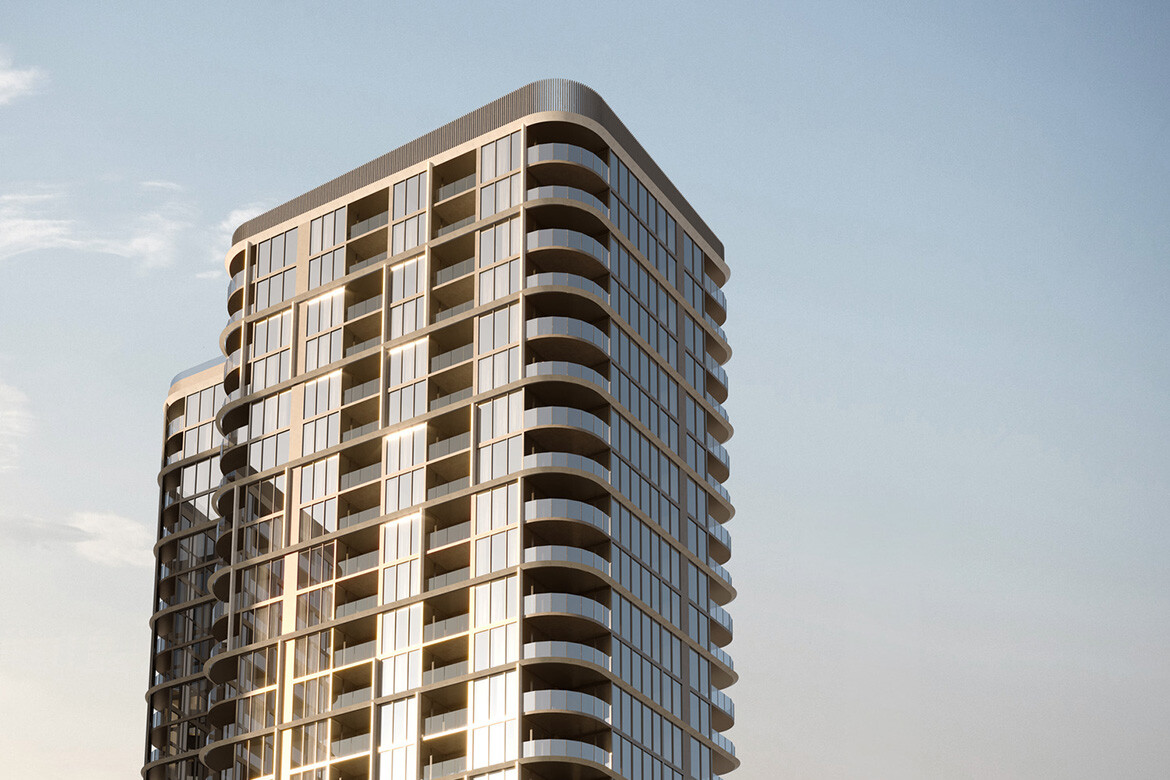
At Northshore Hamilton, Plus Studio’s Danny Juric is looking beyond the apartment tower as an isolated object, drawing on mature trees, Brisbane’s subtropical climate and the rituals of outdoor living to shape Duet.
Project
A civic gateway for Pakenham
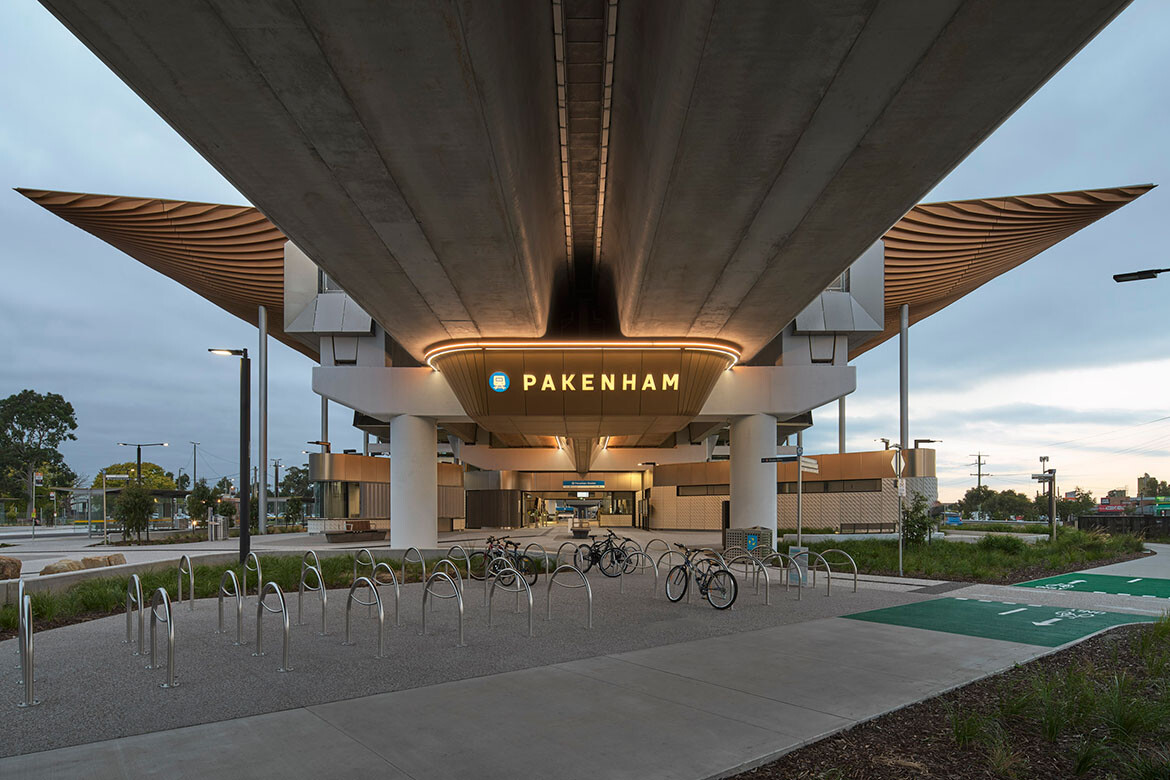
Genton’s Pakenham Station transforms a utilitarian transport interchange into an open civic landmark, reconnecting the town through landscape, public space and infrastructure designed around Country.
Workplace
Per atria ad astra
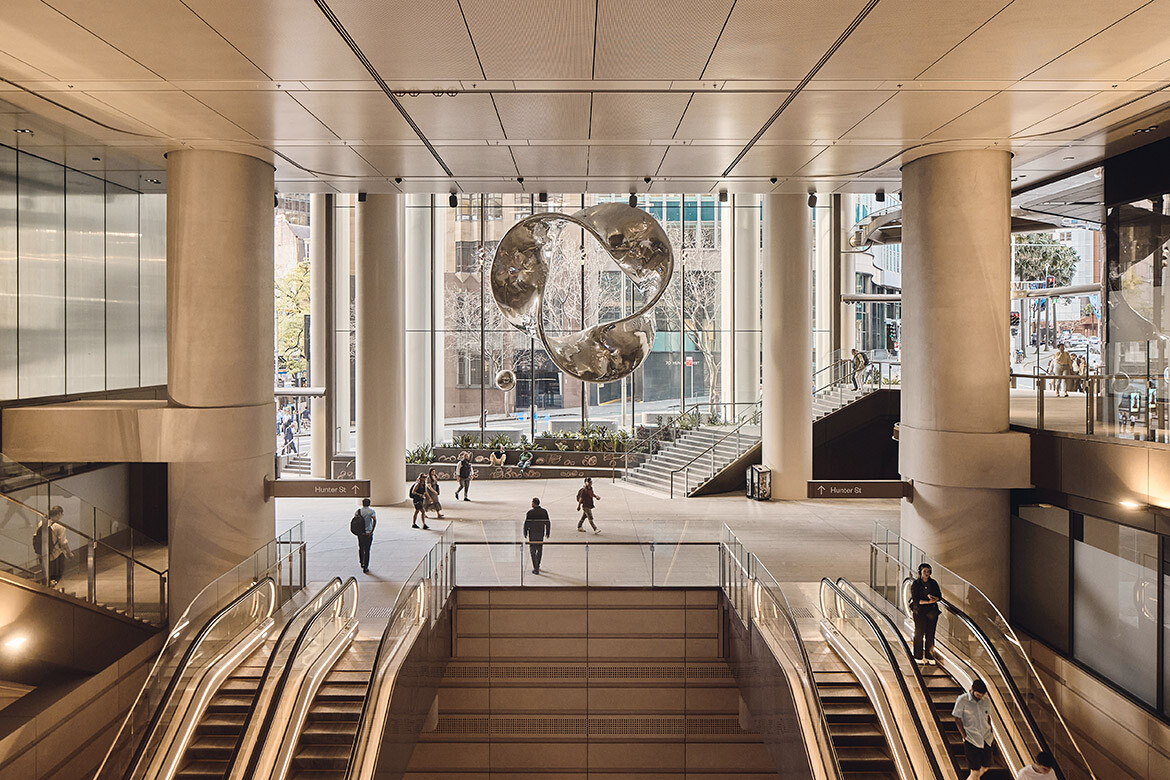
In the very heart of Sydney’s CBD, 1 Elizabeth is a vast civic-scale project that integrates workplace design, transport infrastructure, event spaces, and hospitality around some dramatic void spaces.
Workplace
Seidler, Nervi and fjcstudio walk into an office tower
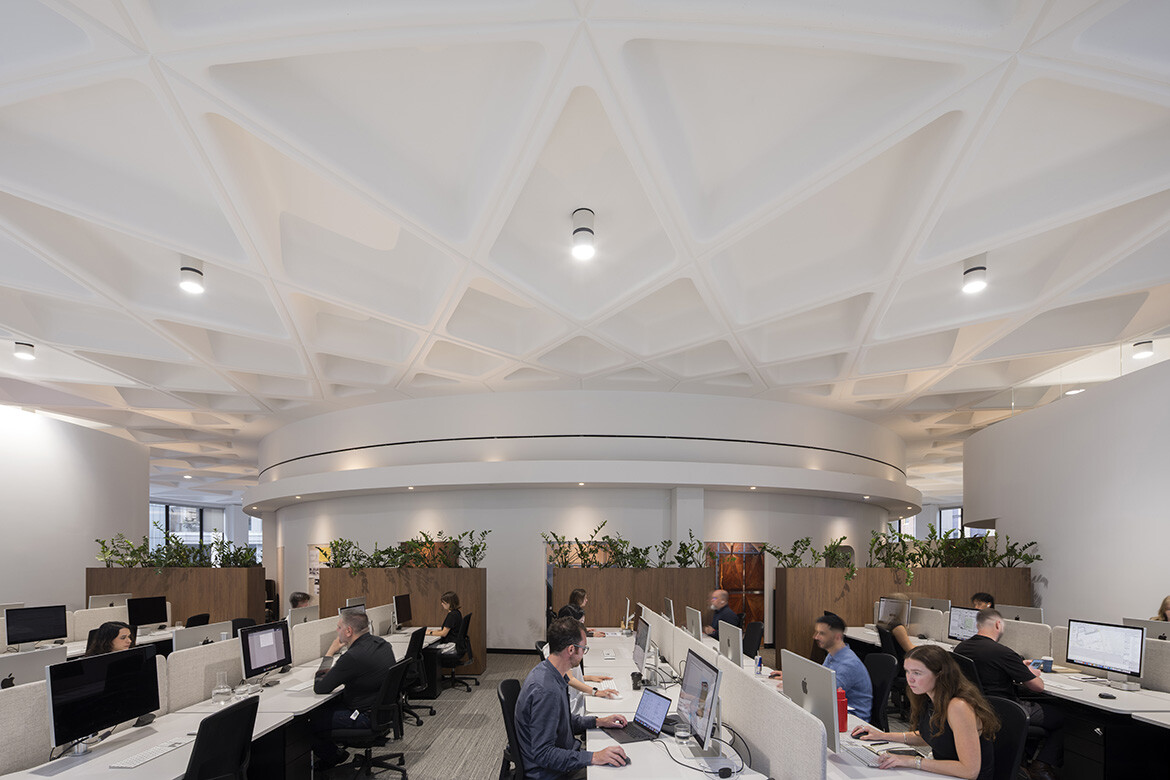
Set within hallowed architectural surroundings amidst the ghosts of Harry Seidler and Pier Luigi Nervi, fjcstudio’s new Sydney home brings geometric clarity and a spirit of creative exchange to a challenging workplace fit-out.