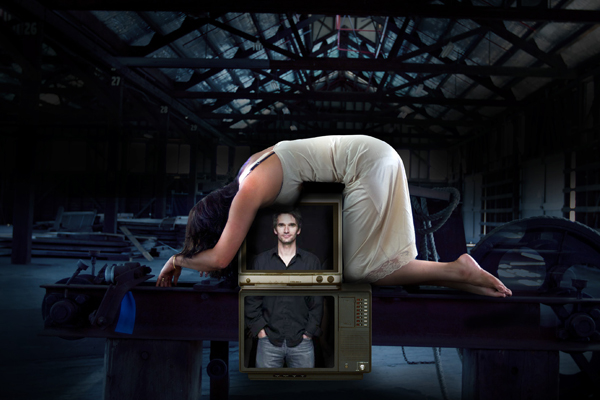
Bringing to life a theatre event which incorporates live music, film, lighting design, performance, installation art and the image of The Gruen Transfer panelist Todd Sampson posed a challenge.
Staging it inside of a cavernous 5000m2 warehouse over two storeys, devoid of excessive props or partitions, qualified the task as super-tricky. The creative team at Living Room Theatre (LRT) realized the solution might be to get some professional help, so they called in the architects.
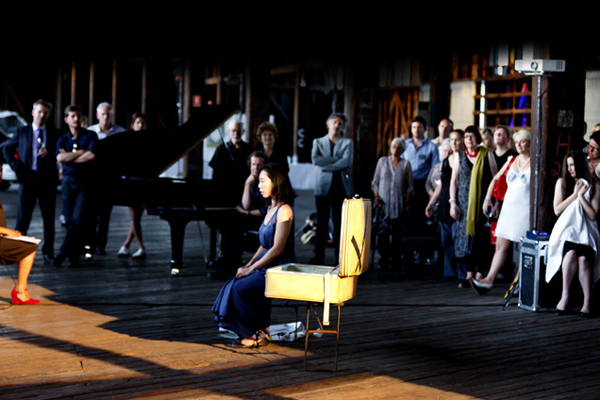
Through a competitive expression of interest process, nine architectural teams were engaged to bring to life sets for the 16 scenes of the play. Macdonald and LRT’s Artistic Director, Michelle St.Anne decided to keep each design team working in isolation, in order to promote variety and distinctions in the set design.
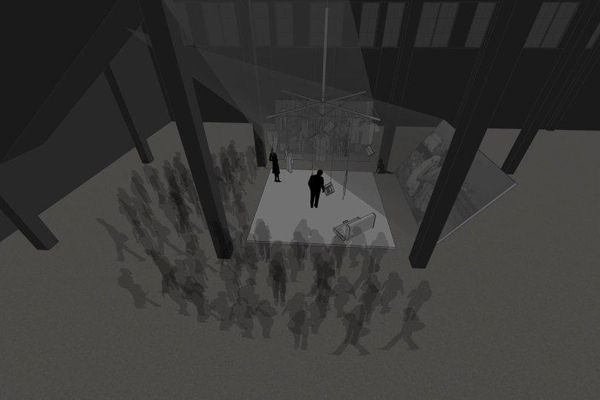
Macdonald and St Anne also wanted to reveal ‘layers of texture’ through the production. For a play concerning memory and trauma, specifically mental illness, it was important that the grit and graininess of the main character’s memories be tangible to the audience. The vast scale and emptiness of Pier 2/3 as well as its rawness provide a haunted ambience, the perfect setting for a contemporary ghost story and rich fodder for the design teams.
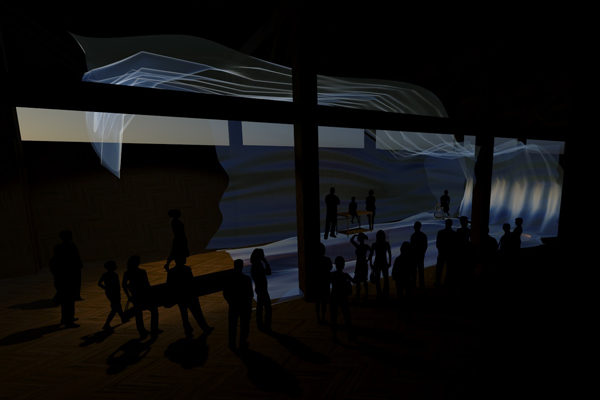
I Love Todd Sampson promises to be an immersive theatre experience. The audience will physically journey through the Pier during each performance, following protagonist Laura as she wrestles with her demons, searching for comfort by immersing herself in the life of T-Shirt fan Todd Sampson.
Prepare to be taken on a trip. You might just encounter breathing golden clouds, climb to incredible heights, experience improvised live music, wonder at the scale of Sydney’s industrial and maritime history and be charmed by some one-of-a-kind theatre sets, up close and personal.
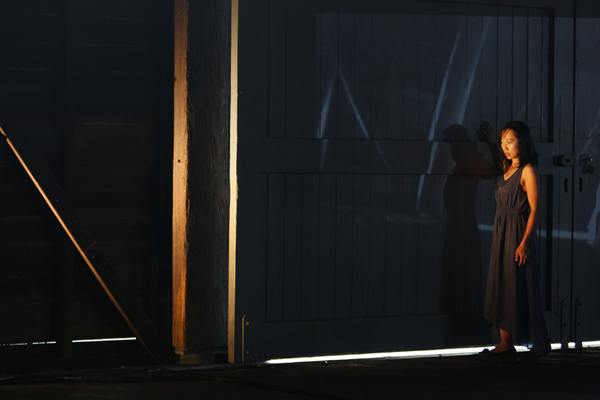
Performances start on February 28th and tickets are available through moshtix.
For design minded folk, a special Architects Tour is being held on Wednesday 20th February from 6.30pm to 8.00pm.
The tour will be opened by Penelope Seidler and entry is $10/AIA members and $20/no-AIA Members.
(Attending the tour will entitle you to $10 off a ticket for one of the performances during the production’s run)
Click here to buy tickets for The Backstage Tour on February 2oth 2013.
I Love Todd Sampson