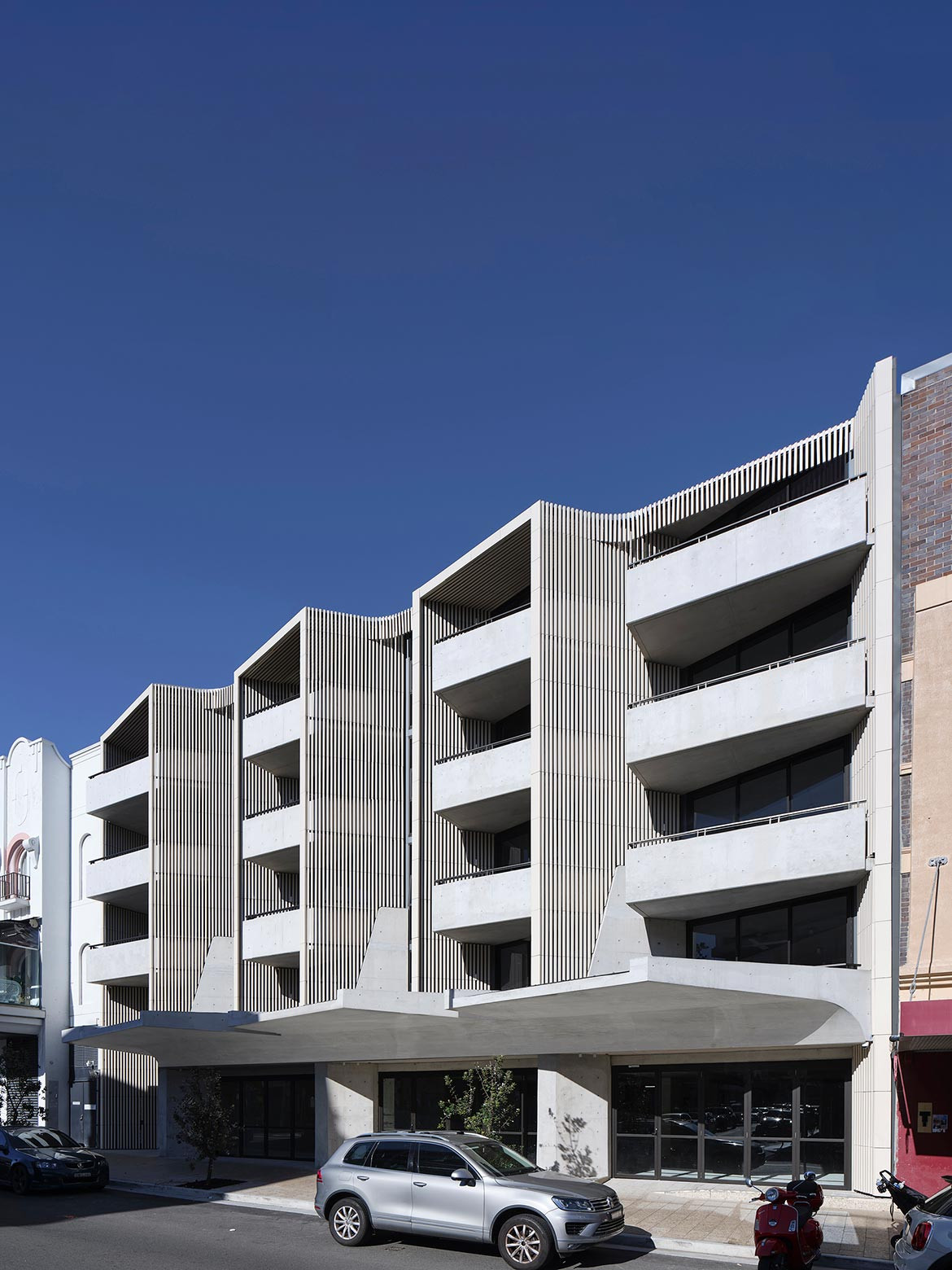
With multi-residential living a preferred lifestyle these days, the winner of The Multi-Residential Building category at the 2021 INDE.Awards shows why. The winner, Pipi, designed by Smart Design Studio is a beautifully sculpted building that speaks of contemporary design and is very much at home in the beachside suburb of Bondi where it is located.

Comprising 29 apartments and penthouse with retail at ground level, Pipi is a showcase of fine design, excellent amenity and thoughtful detailing. As supporter of the INDE.Awards and The Multi-Residential Building category, Bosch as a supplier of outstanding appliances for the kitchen and bathroom, is in tune with great design but also the idea that a home needs only the very best amenities that are also future-ready.
Olya Yemchenko, Senior Brand Communications Manager for Bosch reflected, “The INDE.Awards advocate that good Multi-Residential design is multifaceted, it recognises efficiency, quality of design, sustainability, functionality and innovation through thinking.
The shifting landscape presented by 2020 has seen a greater focus on sustainability and innovative thinking and it is these characteristics that really connect with the Bosch brand. Our products seek to spark enthusiasm, improve quality of life and help conserve natural resources. It is this philosophy that drives us to support initiatives such as the INDE.Awards Multi-Residential Building category and continue to support outstanding design in this space.”
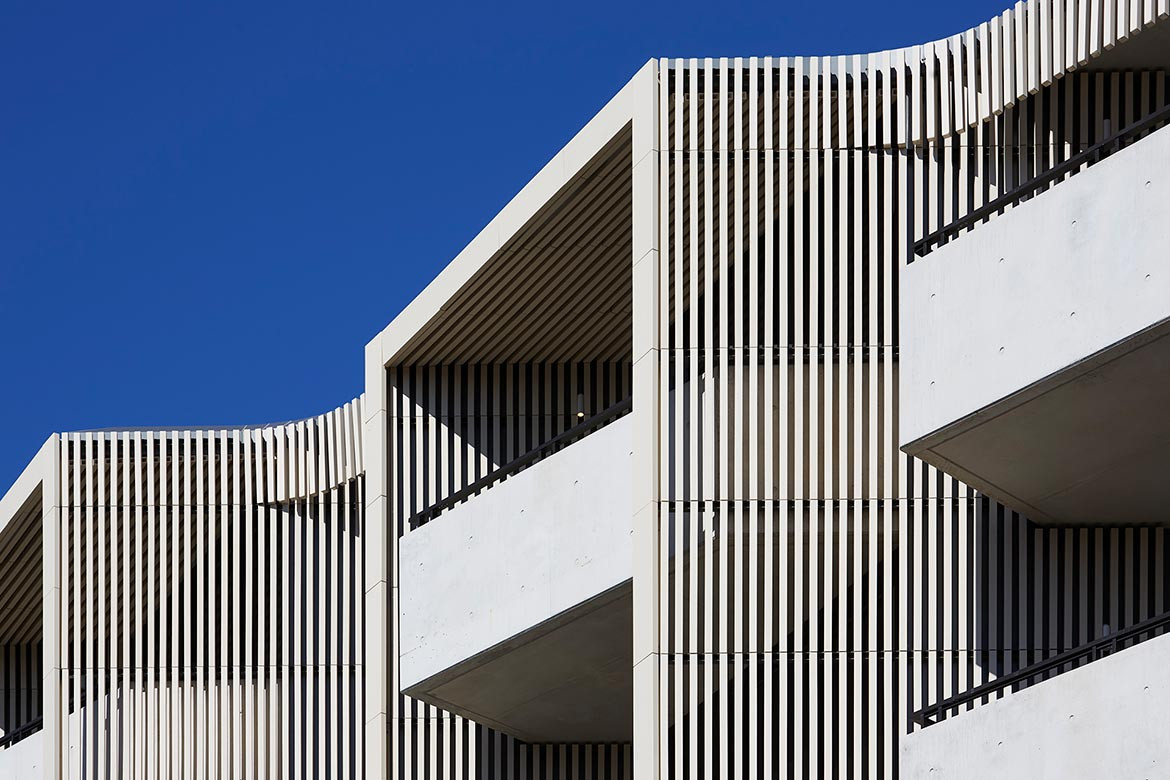
The exterior of Pipi is white and monumental with the balconies of the apartments enclosed and screened from the street by white terracotta battens that have been arranged vertically to form tall portal frames. There is a hint of art deco style and the natural terracotta provides scale against the off-form concrete balconies.
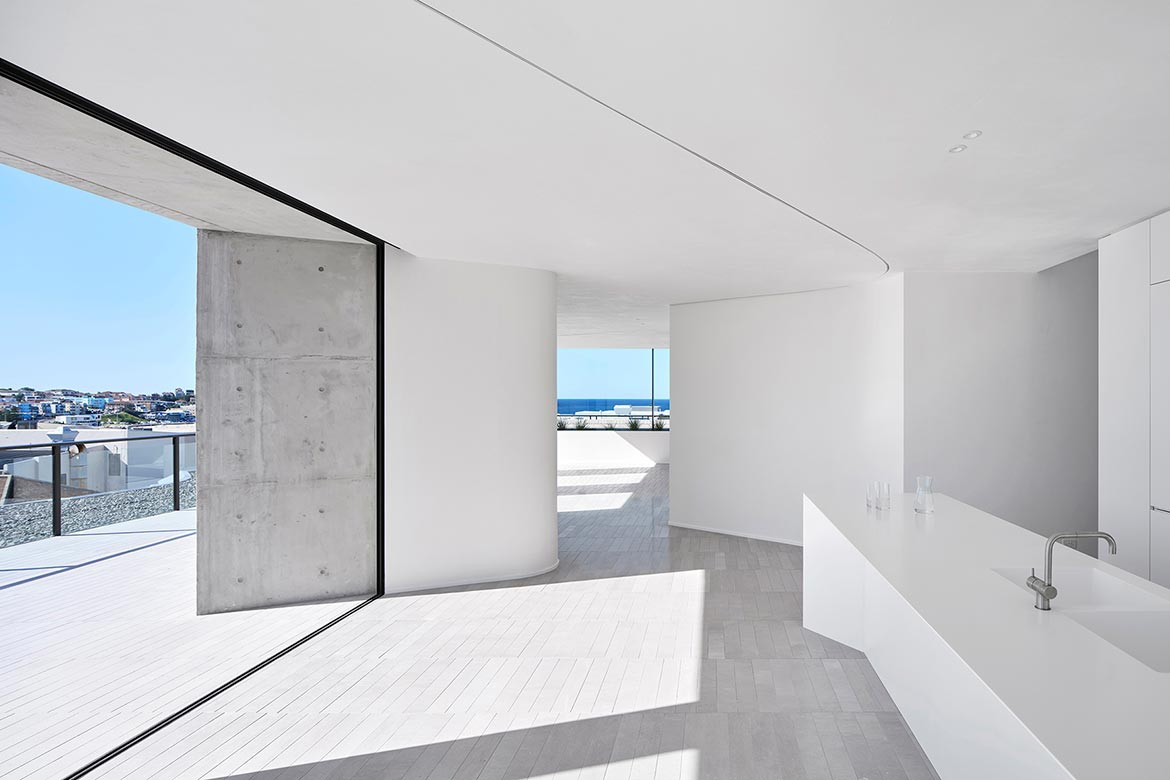
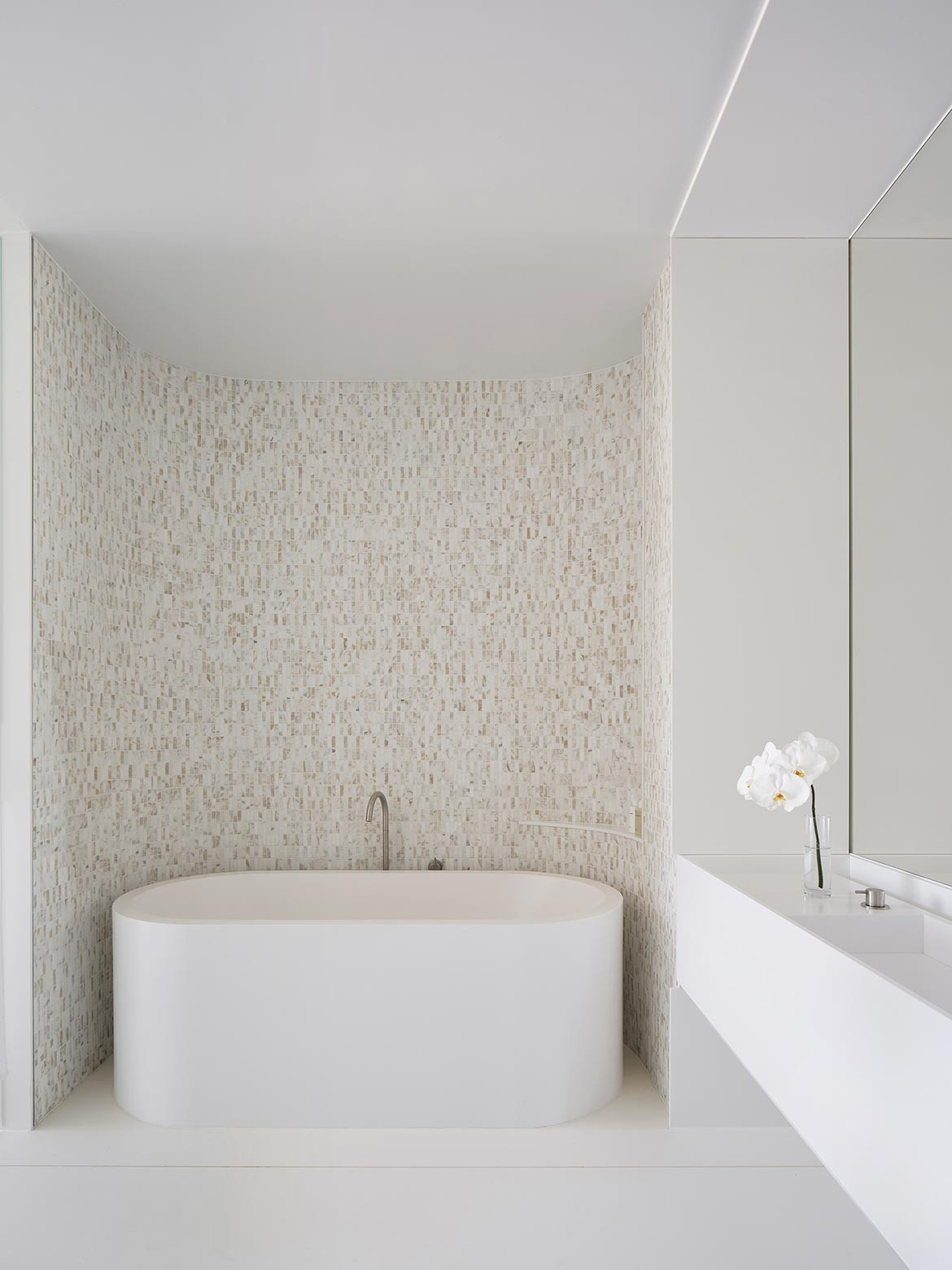
Inside, the floorplan has been carefully devised to afford every amenity and there is natural ventilation, abundant sunlight and outdoor space for 73 per cent of the building. The materiality is appropriate for the seaside location and is intendhas been chosen with care to help reduce maintenance during the life of the building.
Yemchenko elaborated on the winning project, “In this year’s shortlist it was exciting to see the diverse range of geometric shapes used throughout the façades. The winner of the multi-residential building category for 2021 is no exception as Pipi by Smart Design Studio is a beautifully-sculpted building showcasing angled blades and folded planes.
The façade elements are angled in such a way that they filter light, providing both privacy and at the same time direct views of the iconic Bondi beach. Seen as the paradise location of Sydney, the homes use textures such as pale concrete and terracotta to fit into the natural surroundings and provide the luxury beachside lifestyle.”
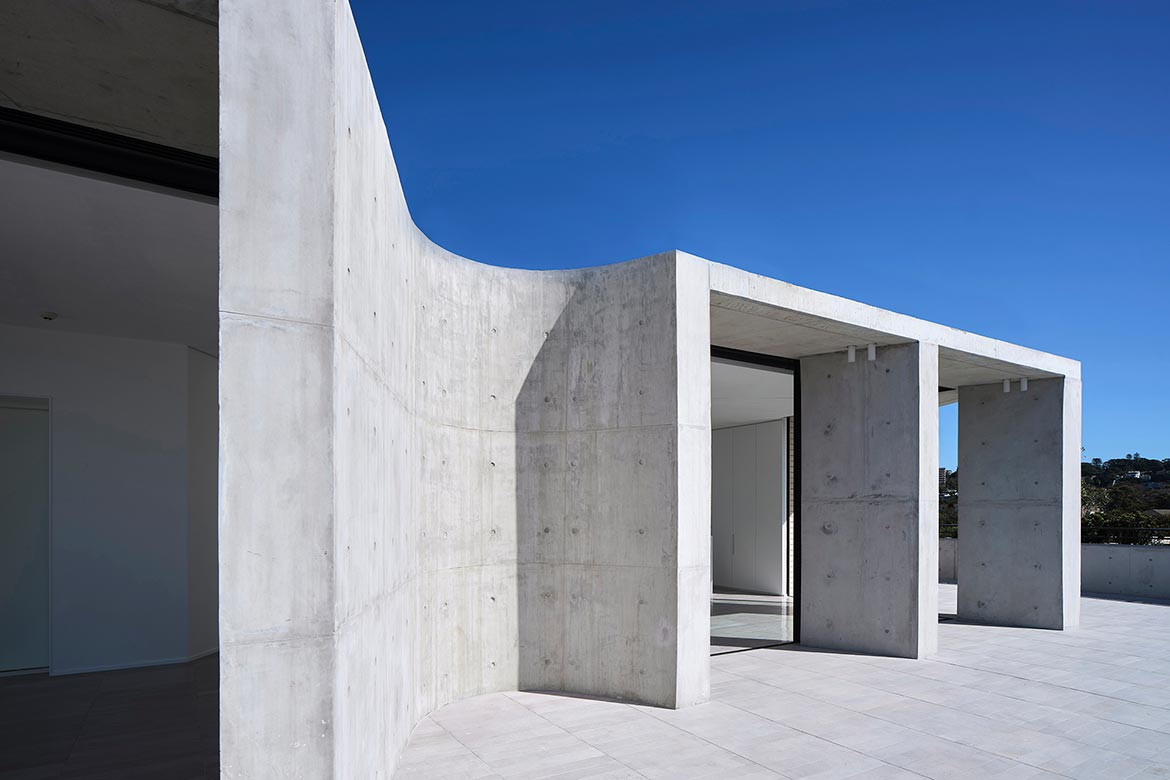
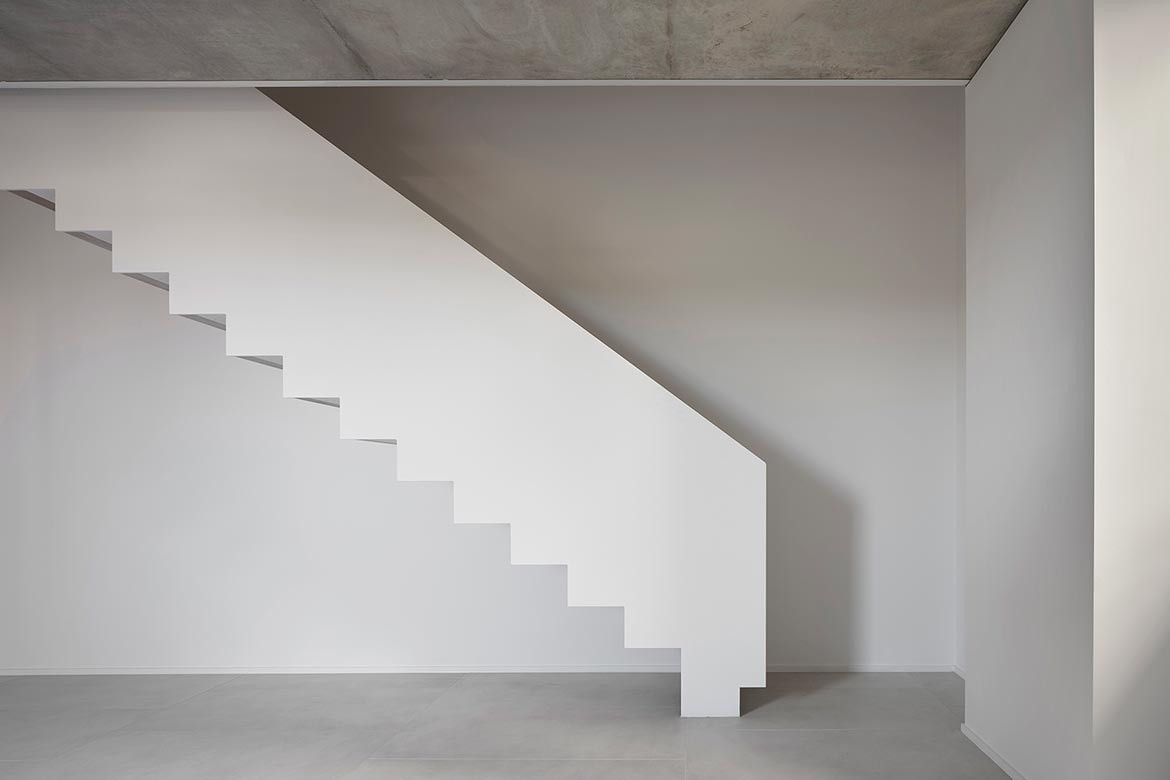
The pièce de résistance of Pipi is the two-storey penthouse on the top floor of the building, set back from the street with outstanding views of beach, ocean and sky. Exterior splayed concrete blades frame the vistas and protect from the sun and the fine detail of the fenestration and super clear glass help merge the distinction of outside with the inside.
As a Multi-Residential Building Pipi is a superb setting for apartment living and certainly sets the bar high for design in the future.
Photography: Romello Pereira, Prue Ruscoe