The home of architecture and design in the Asia-Pacific
Get the latest design news direct to your inbox!

Get the latest design news direct to your inbox!
Old hands at Tibetan Hand knotted rugs.
April 1st, 2010
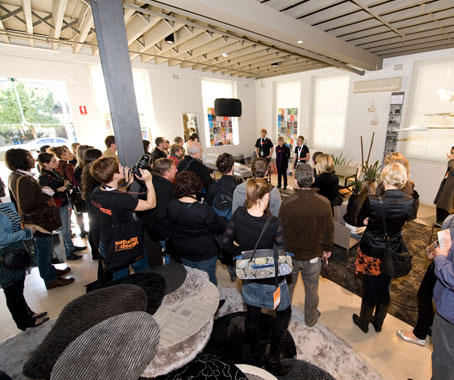
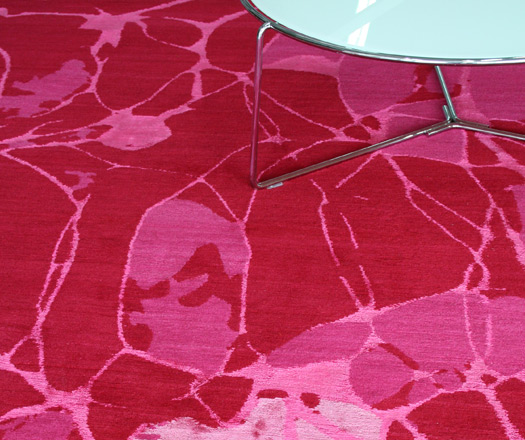
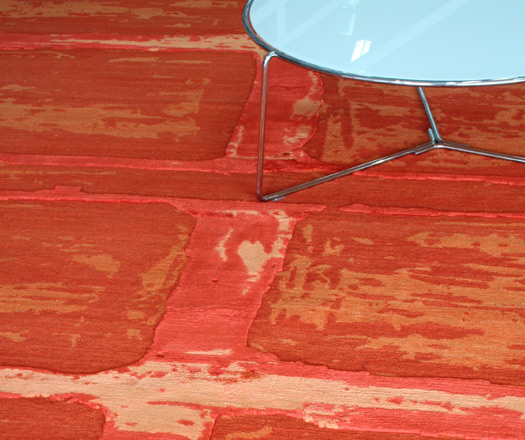
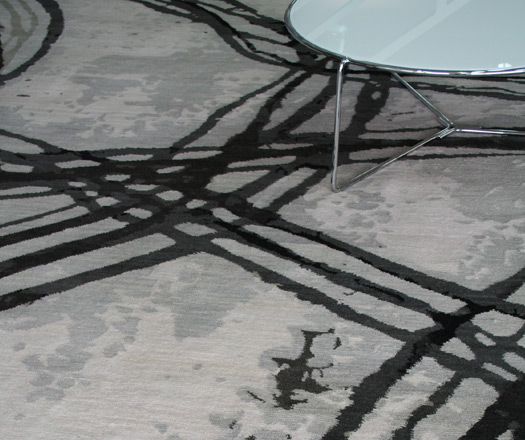
RC&D’s (Rugs, Carpet and Design) Sandii Malka-designed Himalayan wool Tibetan hand-knotted rugs and carpet are made using traditional weaving techniques handed down from generation to generation.
Tibetan carpets have a unique appearance that cannot be emulated with other rug making techniques and with a combination of hand-carding and hand-dyeing of the textured Himalayan wool.
Tibetan knotting techniques result in a spectacular rich, worn-in look that reflects the subtle lustre resulting from the use of a delicate silk followed by the hand washing process.
Himalayan wools and yarns come in a variety of shades which provide depth and a brash aesthetic for which Tibetan carpets are known.
The hand-knotted rugs are created with the highest grade Himalayan wool, silk, linen, and hemp and natal with weaving qualities available in 60, 80,100,150 and 200 knots per square inch.
This ancient production technique involves hand-weaving the yarns using warp and weft cotton threads and knotting them to the rug one-by-one.
An assortment of finishes and textures is achieved via loop and cut piles, specialist hand dyeing techniques and a chemical wash that enhances the carpet’s unique appearance.
Each of the yarns is hand-carded and hand-dyed according to the required designs and colours, and once weaving is completed, hand shearing and carving is applied to complete the final carpet product.
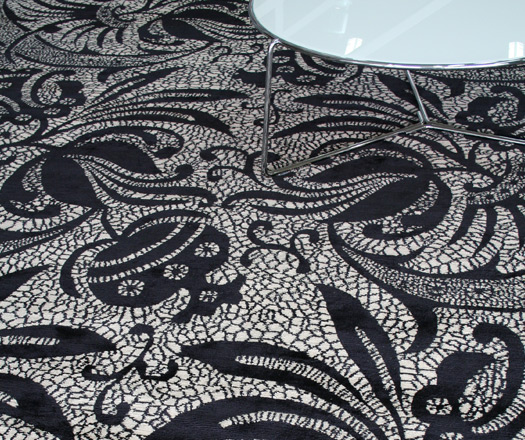
Designs include the pink or silver-coloured Sketch, Harmony also in silver, Blocks in tangerine, Black Lace – a black and white product, and the green-coloured Shells design. A range of dimensions are available such as 1.83m by 2.75m, 2.3 by 2.9m while there is also the option of having rugs and carpets customised to any size.
RC&D is a solutions-based company, offering specialised services in the design and production of tailor-made rugs and carpets.
Working closely with the design and architectural sector the company offers exclusive products of exceptional quality.
The design and production process is limited only by a customer’s individual requirements in size, shape, colour and feel. Wall-to-wall carpeting for commercial and residential projects is extensive and can be tailor-made to various requirements.
RC&D
rc-d.com.au
INDESIGN is on instagram
Follow @indesignlive
A searchable and comprehensive guide for specifying leading products and their suppliers
Keep up to date with the latest and greatest from our industry BFF's!
Nexus Interiors are proud to be opening their new Melbourne showroom and would love to have you there to join the celebrations. They’re promising an unforgettable night with live acoustic music, fine food and drinks. Register your details to launch the Nexus Interiors showroom & win one of many door prizes on the evening to […]
The internet never sleeps! Here's the stuff you might have missed