The home of architecture and design in the Asia-Pacific
Get the latest design news direct to your inbox!

Get the latest design news direct to your inbox!
From nendo comes the Fritz Hansen N02 Recycle Chair – a new, all-purpose chair made of upcycled plastic household waste.

Designed in collaboration with Japanese design studio nendo, the N02 Recycle Chair is the first chair the Fritz Hansen team has ever produced in coloured, recycled Polypropylene.
Stylish, practical and suited to almost any space, the strong, stackable N02 chair was design with inspiration from the idea of a simple crease of paper on designer Oki Sato’s worktable. This image of folded paper has been translated into the chair’s back crease within its shell. This flourish is not only stylish, but essential to the design, as it helps support the sitter’s upper and lower back when in use.
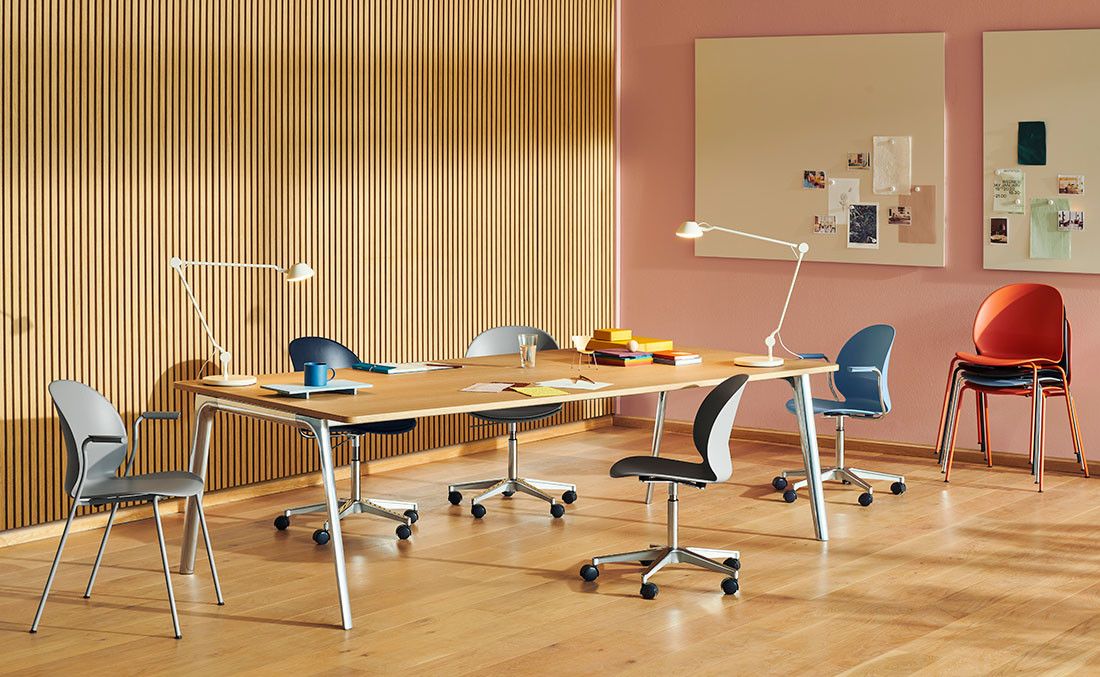
The N02 Recycle chair can be seen as a philosophical statement of intent from the Fritz Hansen team. Long known for their extensive experience creating beautiful, well designed stacking chairs – including Indesign favourites such as the iconic Series 7 and Ant – the N02 Recycle is Fritz Hansen’s next step in that tradition, incorporating the latest in eco-friendly design principles.
The hardwearing plastic used in the manufacturing of the N02 Recycle comes entirely from household plastic waste. This plastic is then collected, processed and upcycled in Europe, reducing transportation.
“The fact that the material is constructed from everyday recycled plastic creates an extra connection between the user and the chair,” says nendo’s Oki Sato “It’s an accessible design made for everyday use and made from everyday recycled, household plastics”
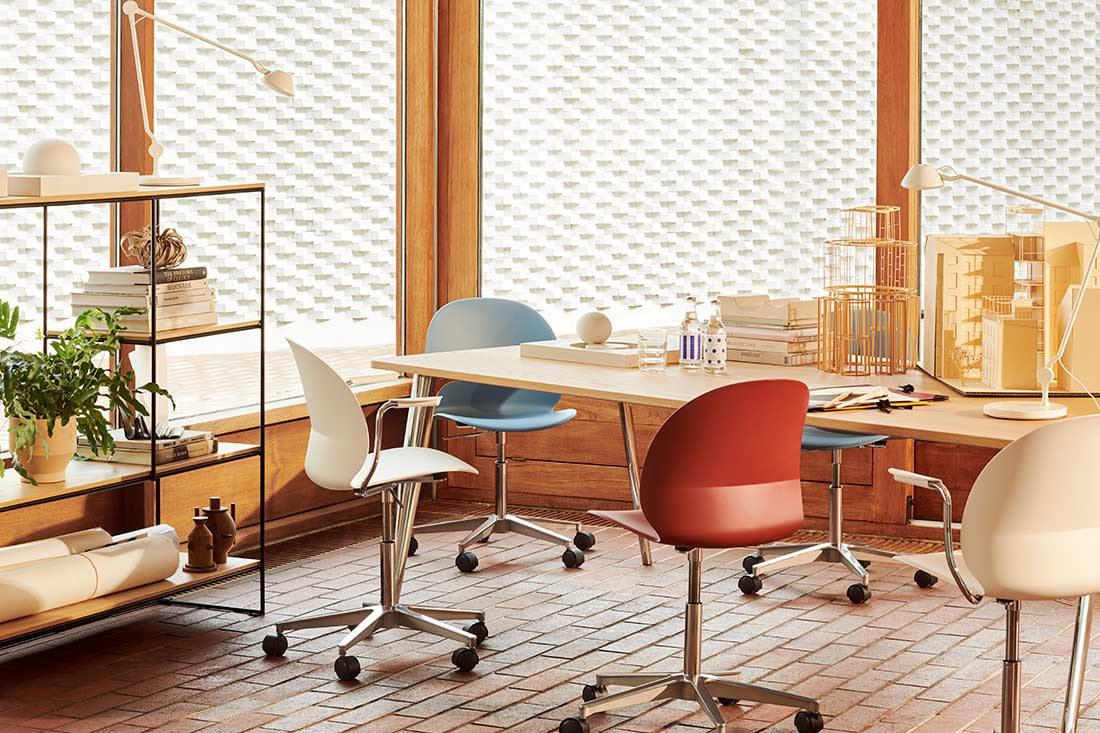
Furthering the green credentials of the N02, the elegant shell of the chair itself is made of circular plastic, meaning it is not only made from recycled plastic, but it can be recycled again if necessary.
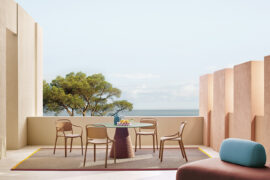
Available now in Australia through Cult, the N02 Recycle Chair comes in seven different colour options, all inspired by earthy, and warm tones in Scandinavian nature. These colours and multiple leg options make N02 Recycle a strong solution for dining rooms, home offices, meeting rooms or as extra, multi-purpose seating.

INDESIGN is on instagram
Follow @indesignlive
A searchable and comprehensive guide for specifying leading products and their suppliers
Keep up to date with the latest and greatest from our industry BFF's!
The internet never sleeps! Here's the stuff you might have missed