The home of architecture and design in the Asia-Pacific
Get the latest design news direct to your inbox!

Get the latest design news direct to your inbox!
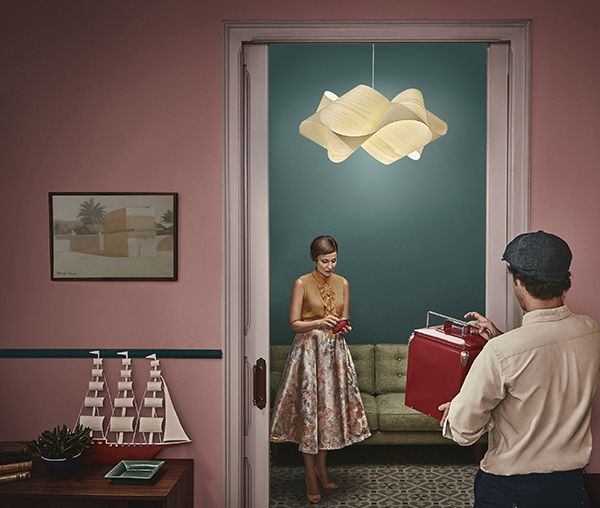
To launch their latest series of hand-made wood-veneer lamps, LZF has taken a more fictional approach, devising a set of rich narratives to tell the tale of the lamps, and the people that use them.
April 6th, 2016
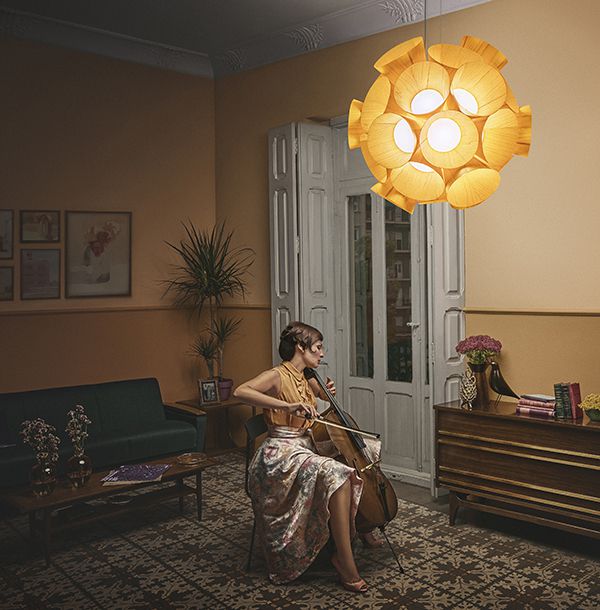
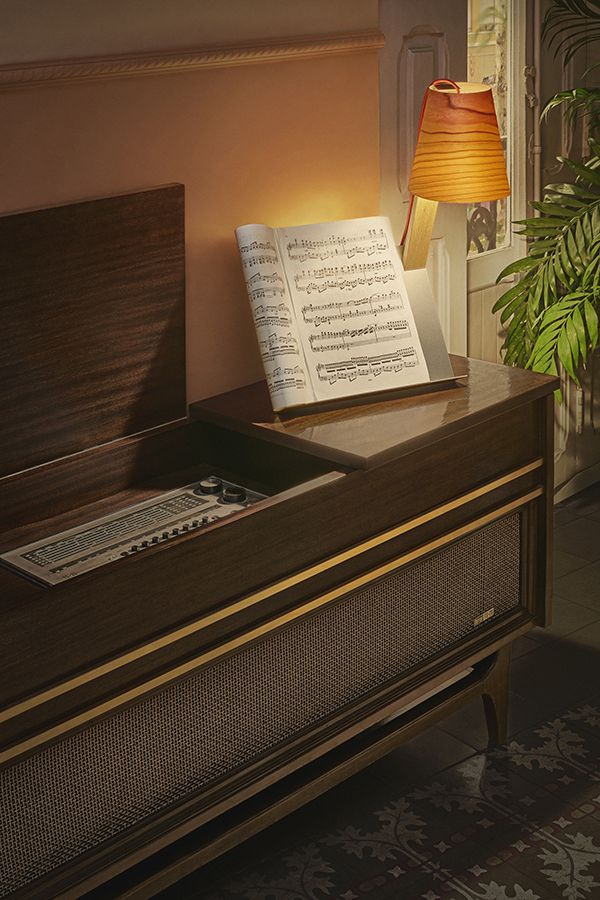
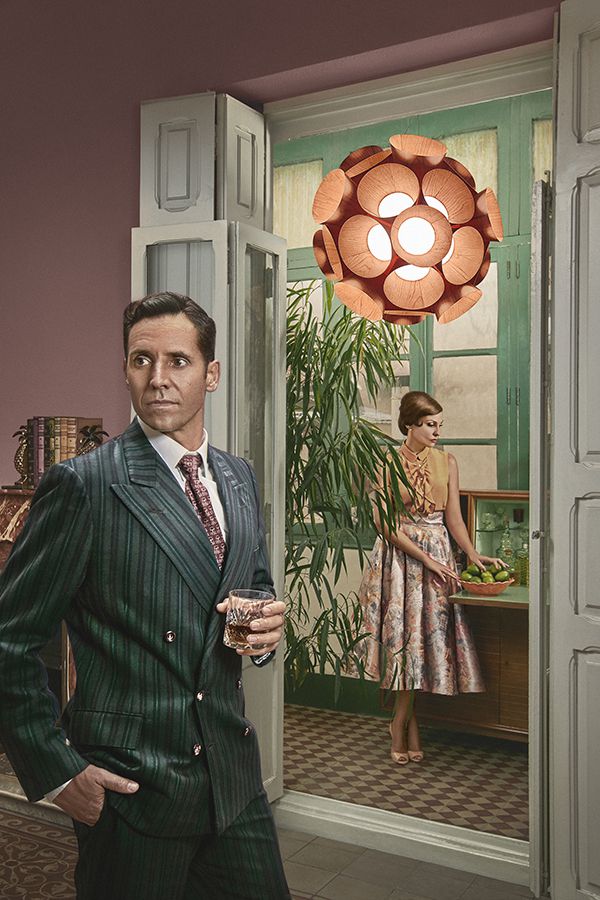
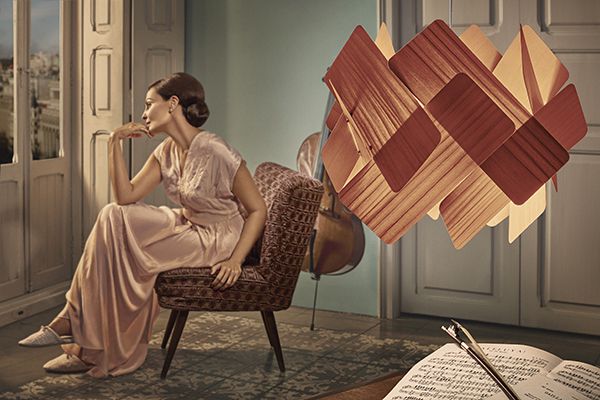
The campaign, which will be featured within the LZF magazine, catalogue and across its digital channels, is an intriguing blurring of fiction and fact. Set in the 1950s, the highly stylised, romantic photographic narrative showcases new pieces in situ from the 2016 collection like the Dandelion and Swirl pendants.
Titled Telling Tales, LDF has used Edward Hooper paintings, as well as Hitchcock’s Rear Window as references for the catalogue images. The idea was to showcase the lamps in dark, night time scenery, to best illustrate their gentle luminescence – but also to show how the lamps might live and breath in real life. To develop the narrative, LDF engaged writer and novelist Grassa Toro, who was invited to collaborate as part of the company’s annual program of guest artists from outside the world of industrial design. The six-part story also includes a film and a six-volume book edition that will appear periodically throughout the year.
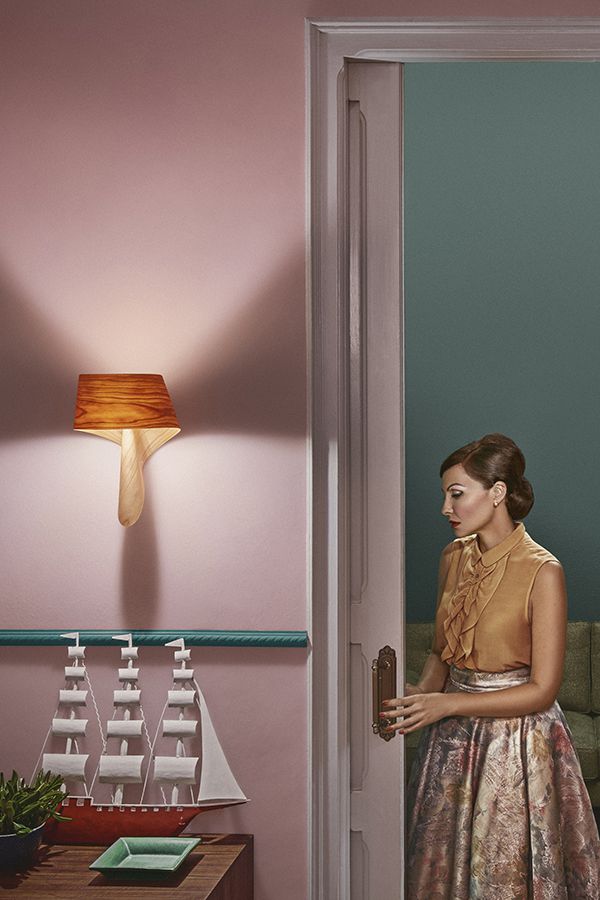
The first instalment of the campaign, Lana & John, features the torch-like Air A wall lamp by Ray Power, and the Asterisco table lamp by Cuatro Cuatros, which is combined with a reading lectern.
LZF
lzf-lamps.com
INDESIGN is on instagram
Follow @indesignlive
A searchable and comprehensive guide for specifying leading products and their suppliers
Keep up to date with the latest and greatest from our industry BFF's!
The internet never sleeps! Here's the stuff you might have missed