The home of architecture and design in the Asia-Pacific
Get the latest design news direct to your inbox!

Get the latest design news direct to your inbox!
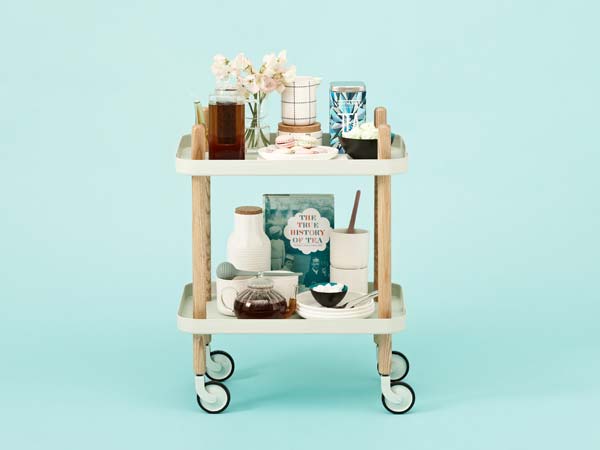
Danish design house, Normann Copenhagen is making and breaking all the rules.
November 23rd, 2015
‘Design Trends’ is a phrase widely used throughout a number of industries; fashion, architecture, interiors and consumer products. In the business of design, players want to capitalise on the latest trends so as to stay relevant to their target market. By the same token however, each of the very same players are pursuing designs and innovations to stand out from their competitors.
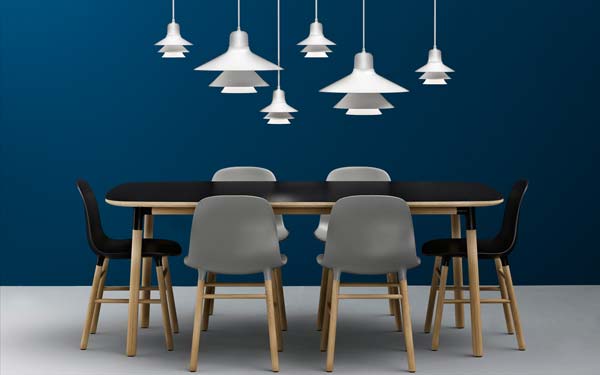
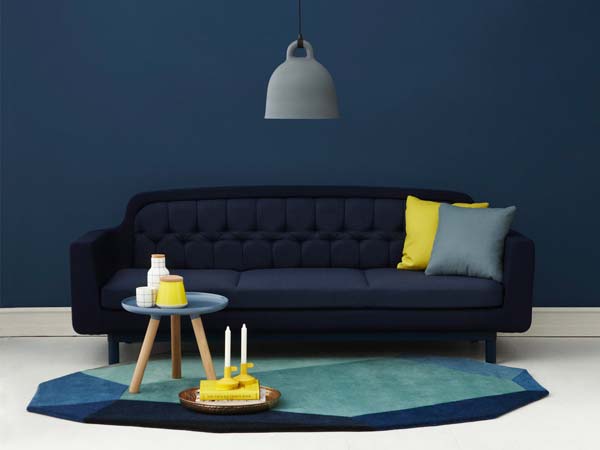
Sticking to current trends and challenging them are two contrasting ideas that often compete alongside one another in a brand’s vision. Though it may appear that the two cannot coexist harmoniously, it’s actually quite the contrary. Product ranges and trends emerge, evolve and change at will, displaying the market’s directional bias on a given time frame, sure. But, it is when those same products are reimagined, built upon and reworked that honest innovation takes place, moving the industry forward.
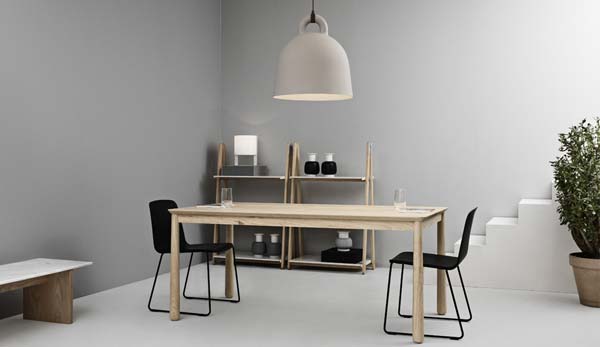
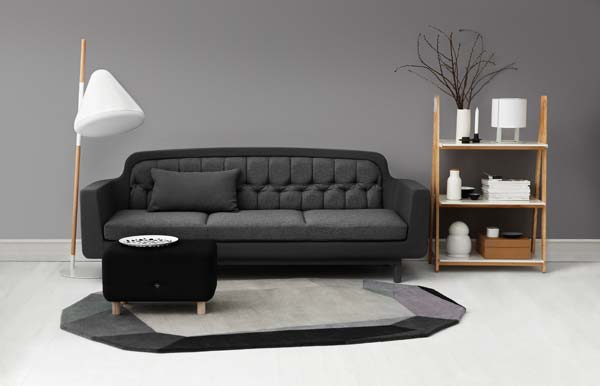
Normann Copenhagen is known for its brand mobility; the ability to be malleable and comprehensive in their approach to design and challenge the conventional rules. Simultaneously, they are often inspired by trends in the innovation process that see them reimagining everyday products with humour, quality and a “less is more” philosophy. It is not uncommon for them to produce a vase manufactured with clay, made to look like grass, or make a bowl entirely out of rubber.
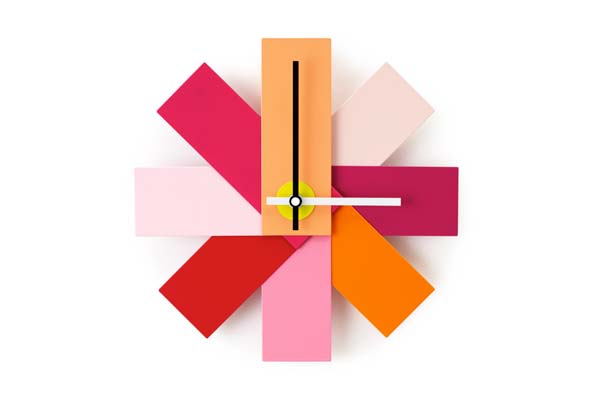
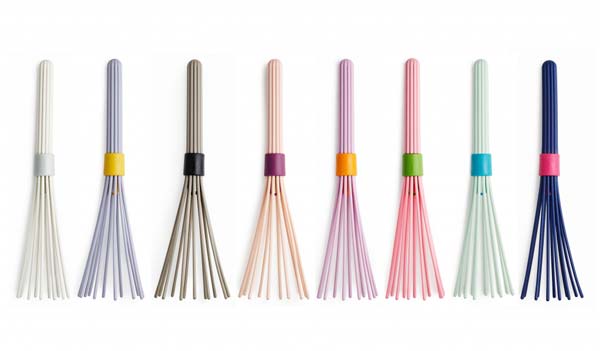
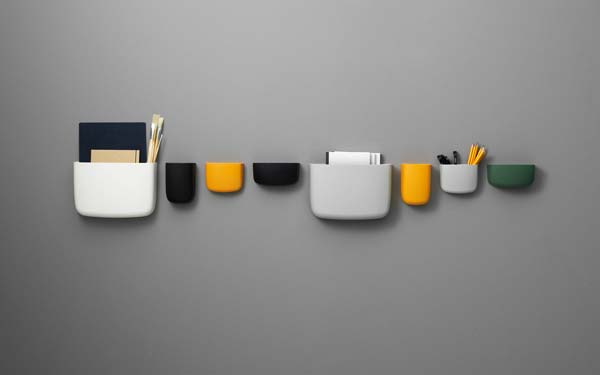
The driving forces behind the practices of Normann Copenhagen allow the company to effortlessly create products that see traditional materials put to untraditional use. Bold and dramatic play on colour and texture see to the reinvention on everyday, established products to create modern home décor for their customers. Embracing trends with a view to develop them is what really positions Normann Copenhagen as an industry leader in innovative, expressive design.
Normann Copenhagen is available in Australia through DISTRICT.
INDESIGN is on instagram
Follow @indesignlive
A searchable and comprehensive guide for specifying leading products and their suppliers
Keep up to date with the latest and greatest from our industry BFF's!
The internet never sleeps! Here's the stuff you might have missed