The home of architecture and design in the Asia-Pacific
Get the latest design news direct to your inbox!

Get the latest design news direct to your inbox!
Forward thinking is essential for Herman Miller and it is fitting that as supporters of the INDE.Awards and partner of The Design Studio category the company ‘sees the big picture’ and the universal language of design that connects together the Indo-Pacific region and indeed the world.


April 8th, 2020
Celebrating more than 100 years in business, Herman Miller is a leader in its field and as a progressive thinking company embraces and adapts to change. With iconic products such as the Eames lounge chair and ottoman designed in 1956, revolutionary then for the use of moulded plywood form and still at the cutting edge of style today, the company has gathered a plethora of unique and desirable brands under the auspices of the Herman Miller Group (HMG).
Forward thinking is essential for Herman Miller and it is fitting that as supporters of the INDE.Awards and partner of The Design Studio category the company ‘sees the big picture’ and the universal language of design that connects together the Indo-Pacific region and indeed the world.

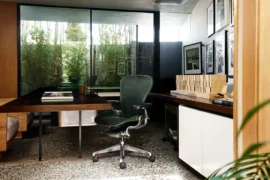
Herman Miller understands the changing workplace environment and has helped define fine design through its products. The company informs and aids designers providing products that incorporate innovation and technological advances through its own research and development.
Jeremy Hocking, President Herman Miller International, began working with Herman Miller as a 23 year old, has experienced every facet of the company and participated in its growth. He explained, “Herman Miller is fundamentally a quality product and is a design company. At heart what we do is we talk about design to solve problems…there is one thing we focus on, human centric design. (At) Herman Miller you look to do something new, to work with a new material, to innovate and make things better, make the world a better place to move the art forward.”

And this groundbreaking company is not just thinking about future design but actively preparing for it with Living Office. This innovative program is a way of working through a process of designing with particular environments and always keeping the future in mind to achieve a better work experience. So by providing a framework to accommodate its world-class products Herman Miller presents total workplace design solutions.
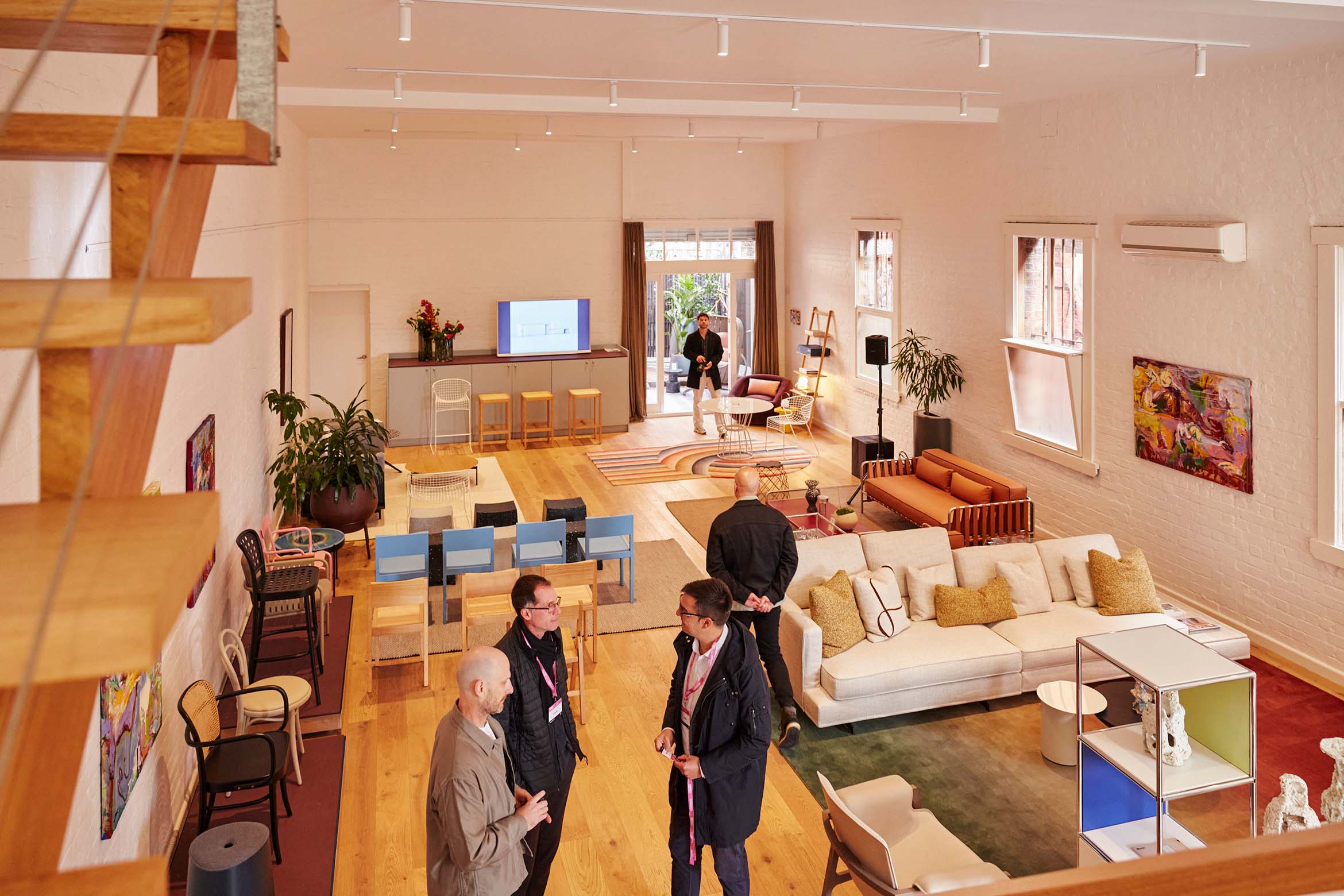
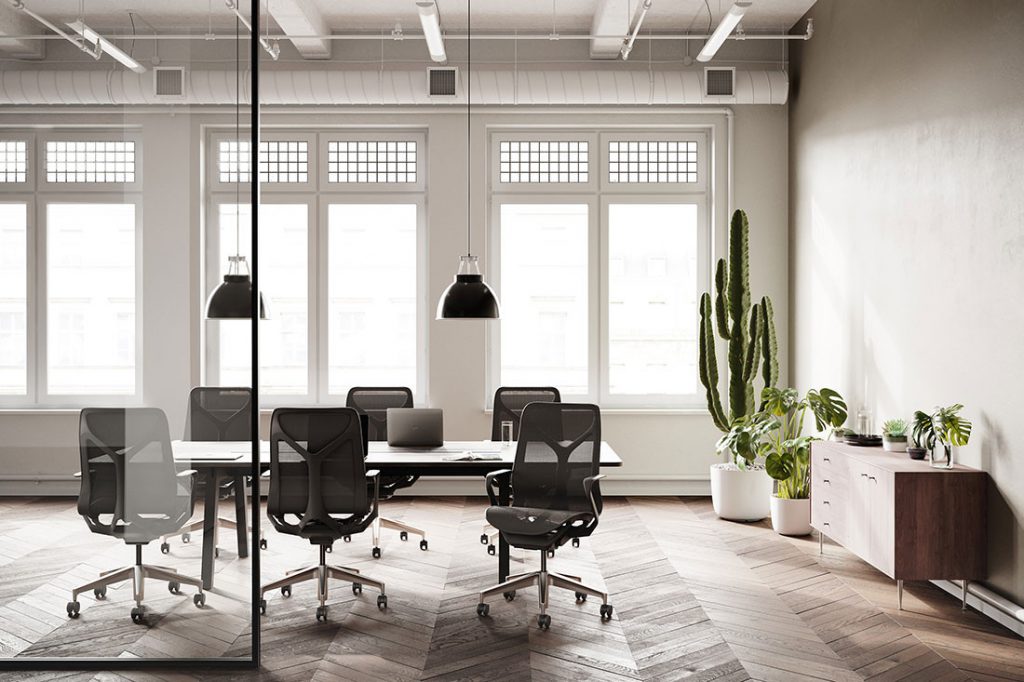
With change a constant in the world of design, style and requirement reflect the mood of designers and their clients. As Hocking commented, “If you look at workplace today I think the very significant change has been these last 10 years the almost ‘softening’ of workplace so that it is more residential. We are all trying to play a part in creating spaces where people can collaborate and feel good about themselves and particularly the new generation of people at work where there is much less formality. “

Things maybe more relaxed in todays workplace, however Herman Miller sets rigourous standards for its products combining quality and comfort, style and longevity to achieve perfect design outcomes. As a company with 100 years of experience, Herman Miller is poised to dominate the workplace environment in the next century presenting more fine products that enhance and sustain our working lives.
INDESIGN is on instagram
Follow @indesignlive
A searchable and comprehensive guide for specifying leading products and their suppliers
Keep up to date with the latest and greatest from our industry BFF's!
The internet never sleeps! Here's the stuff you might have missed