The home of architecture and design in the Asia-Pacific
Get the latest design news direct to your inbox!

Get the latest design news direct to your inbox!
The shift to agile working has necessitated not only a cultural and behavioural change in workers, but also the rapid adoption of technologies and product solutions that respond to the flexibility required in these new-look office spaces. Alice Blackwood reports.
August 11th, 2015
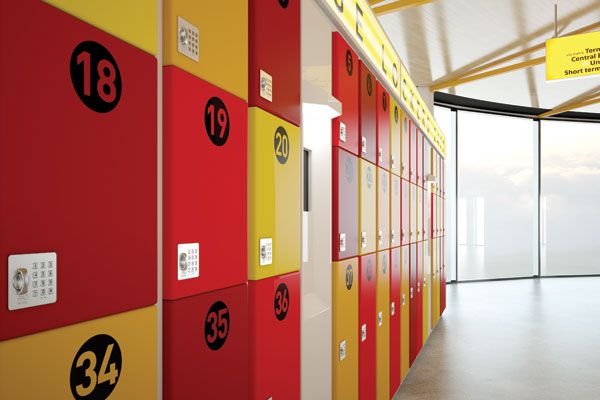
People no longer work in just one space with one team. They may work from a satellite location – like a café or from home. And when they do arrive to work, there’s no static desk-space waiting for them. Instead there is a locker where they can store their personal effects, and a hot-desk where they can plug in and log on.
“I think one of the biggest challenges is the reduction in personal work space,” says Eric Coster, managing director of Creative Management Solutions. “You used to go to your desk, which was like a home away from home – with all your files, pictures of the family and such.
“Nowadays we’re more mobile. We don’t have that same level of personal space but, importantly, that doesn’t reduce our need for personal storage,” he says.
Coster has worked within the Australian architecture and design industry for over a decade and watched over the last 10 years as workplace design has rapidly evolved to cater for a new generation of mobile working. His international network of designers and manufacturers, as well as extensive travel to the world’s leading trade fairs, has allowed him to identify just where the gaps are in the Australian market, when it comes to solving those technological and behavioural challenges that pop up in flexible working environments.
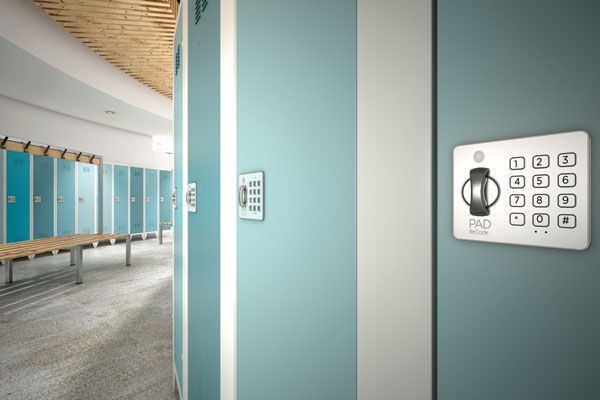
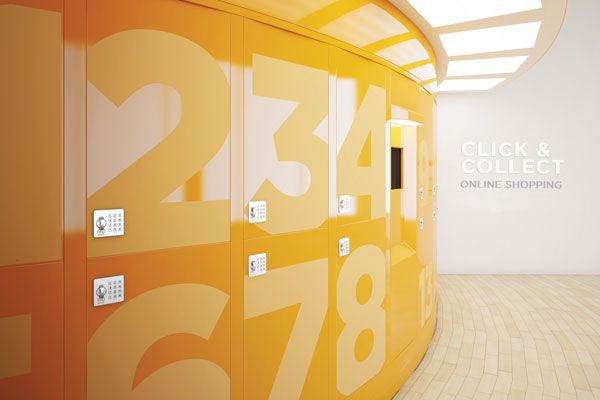
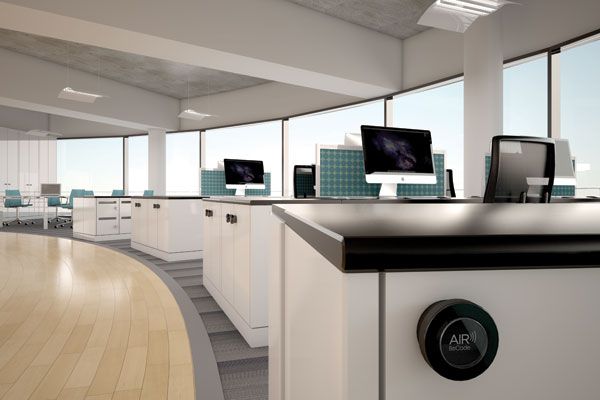
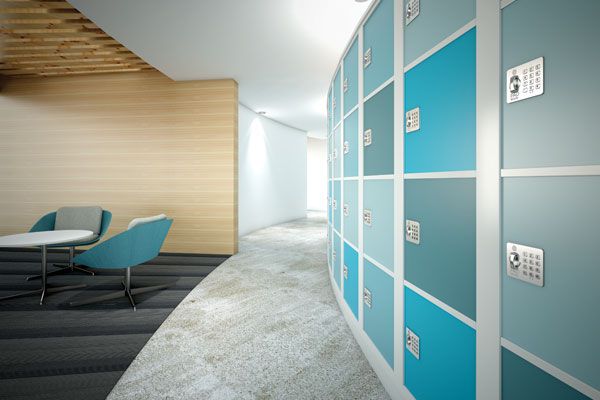
Coster has observed the growth of lockers as an essential workplace item, with some buildings housing anywhere between 100 – 2000 lockers for agile workers. And while it seems a simple convenience, says Coster, locker security can be an administrative nightmare. “Trying to control keys and access to lockers can quickly become uncontrollable,” he says, pointing out the locker security evolution from keys, to electronic locks, smart access card locks and now, the most cutting edge of locker security options, the retro-fittable Be Code.
“It’s the first lock that is totally battery operated, without WIFI or network connection,” says Coster. “It doesn’t effect the security gateway and an access card allows you to access your locker. There’s even controls for facilities personnel, via a dedicated smart phone app.”
Just 6 months new to Australia, the advantage of Be Code is its Lithium battery operation which allows you to change the battery from the outside of the locker, without compromising security.”
Moving back to the issue of desk space and personal storage, Coster highlights the convenience of innovations such as the HotBox. A situational storage option, this particular product allows workers to have their computers, mobile devices, pens, paper – and everything else – at their fingertips.
London duo, product designer Jamie Rothwell and interior designer Rachel Forster, have created the HotBox to replace the briefcase and plastic tray, providing a customisable, durable, transportable file folder.
“People still need to have their working tools handy and close to them,” says Coster. “Where once upon a time you’d open your desk drawer to grab your files and stationery, that’s no longer there. You now come to the office, store your stuff in your locker, grab the items you need for the day and transport them around in your HotBox, which allows you to store all your personal things in one container.”
Be Code and HotBox will be on show at Galleria during Sydney Indesign, 13 – 15 August. Click here to register your attendance to Sydney Indesign this week!
Interested in agile working and the workplace design evolution? Book in to attend our Indesign’s WorkLife seminar series – click here for the full WorkLife program.
Creative Management Systems & Solutions
creativemanagementss.com
INDESIGN is on instagram
Follow @indesignlive
A searchable and comprehensive guide for specifying leading products and their suppliers
Keep up to date with the latest and greatest from our industry BFF's!
The internet never sleeps! Here's the stuff you might have missed