From aesthetic design to acoustics, there are multiple aspects of a space that contribute to improve productivity, speech intelligibility, and individual comfort levels. A focus on sustainability and a connection to nature have also emerged as key factors with the growing acceptance of biophilia as a modern design standard.
The Acoustic Timber range from Autex Acoustics® stands out due to its duality. Not only does it allow designers to create acoustically-balanced environments, but it also caters to biophilic design principles by celebrating the diversity and richness of timbers commonly used in interior spaces.
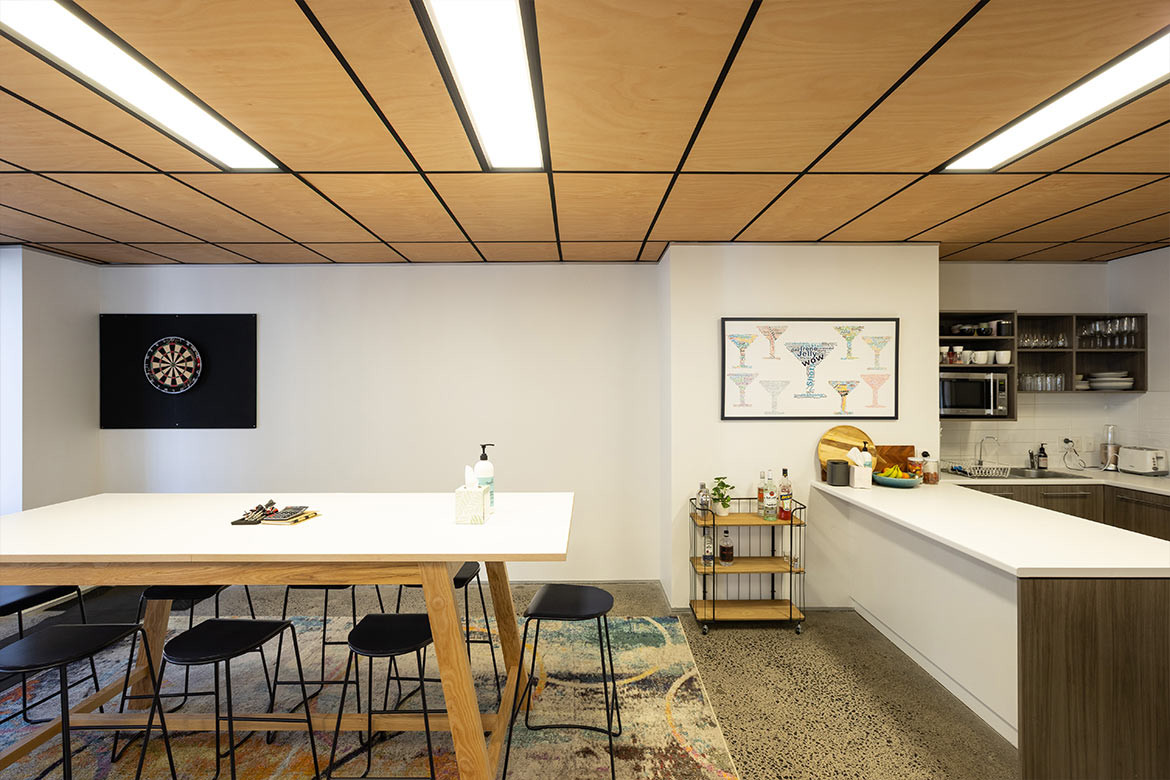
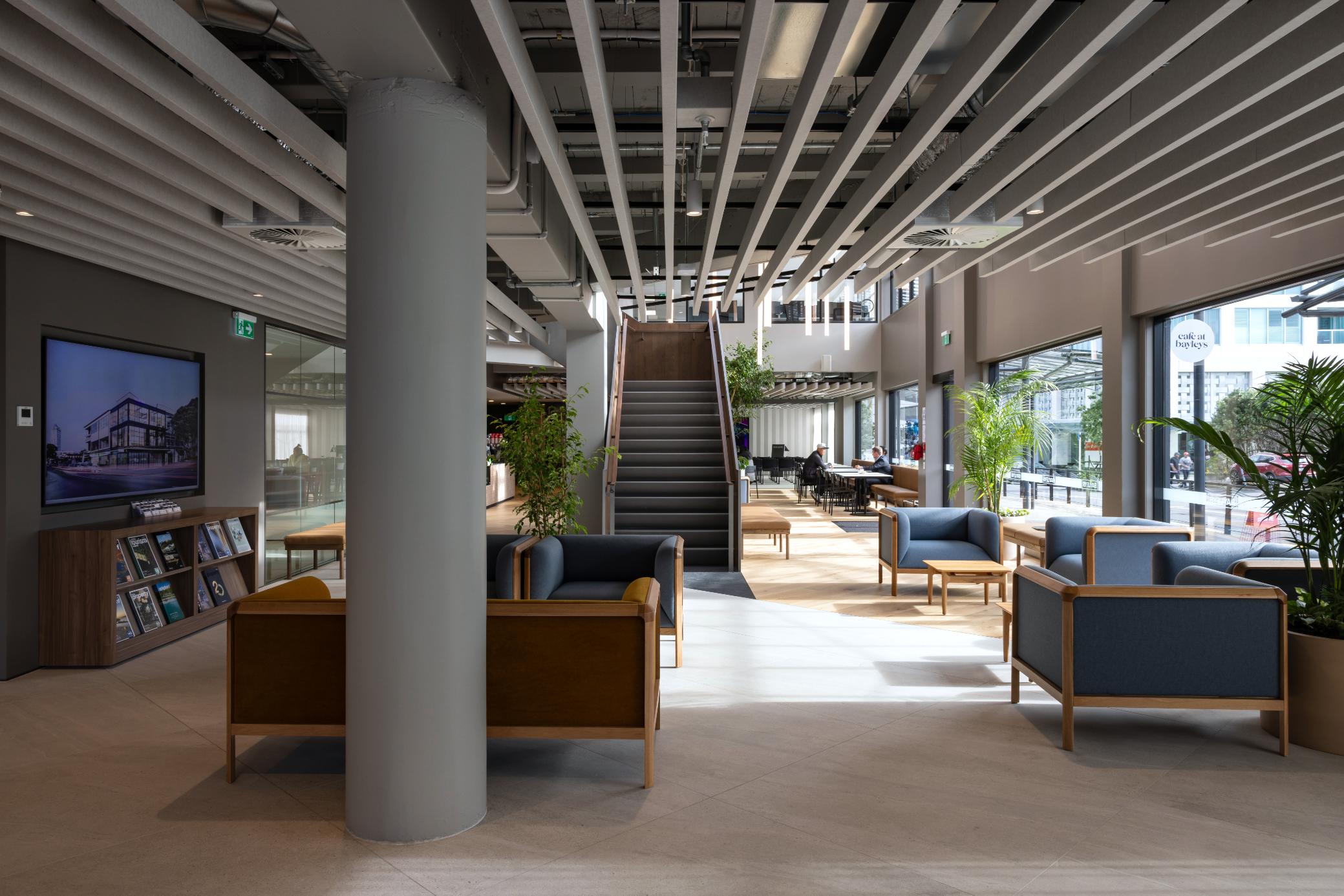
Made in Australia, Acoustic Timber is a beautiful, high-performance and carbon neutral acoustic treatment that is designed to realistically imitate timber. Available in panels, baffles, and ceiling tiles, the range offers solutions that effectively reduce and control reverberated noise and echo in building interiors, offering tailored acoustic absorption across a wide range of frequencies.
The high-performance acoustic qualities of Acoustic Timber are attributable to the Autex Acoustics products it comes in: Cube™, Ceiling Tiles, Quietspace® Panel, and Frontier™ Raft Beam 100 and 250. Each product has a Noise Reduction Coefficient (NRC) ranging from 0.45 and higher (Cube 12mm), 0.85 and higher (Ceiling Tiles), and 0.90 and higher (Beam 250). With its selection of performance profiles and design options, there is an Acoustic Timber treatment to suit every acoustic requirement.

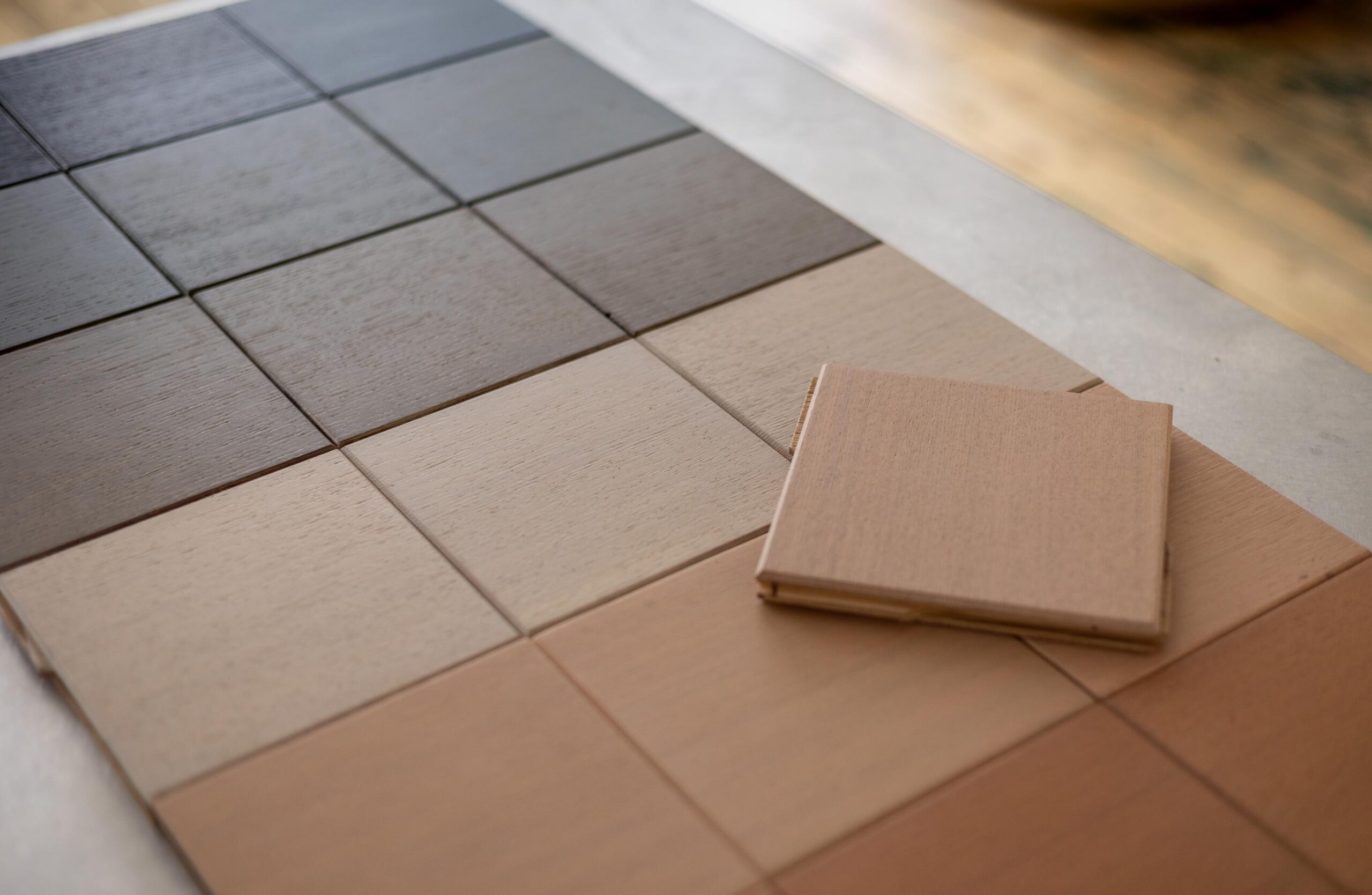
To ensure a natural, high-end finish, Autex have hand-picked a selection of premium woodgrains taken from real timber veneers, which are digitally printed onto the panel surface with a safe, water-based, UV cured ink. To ensure a collection that is up to date with modern design trends, Autex consulted with experts to curate a range that would be familiar to interior designers, but also with a few unique options.
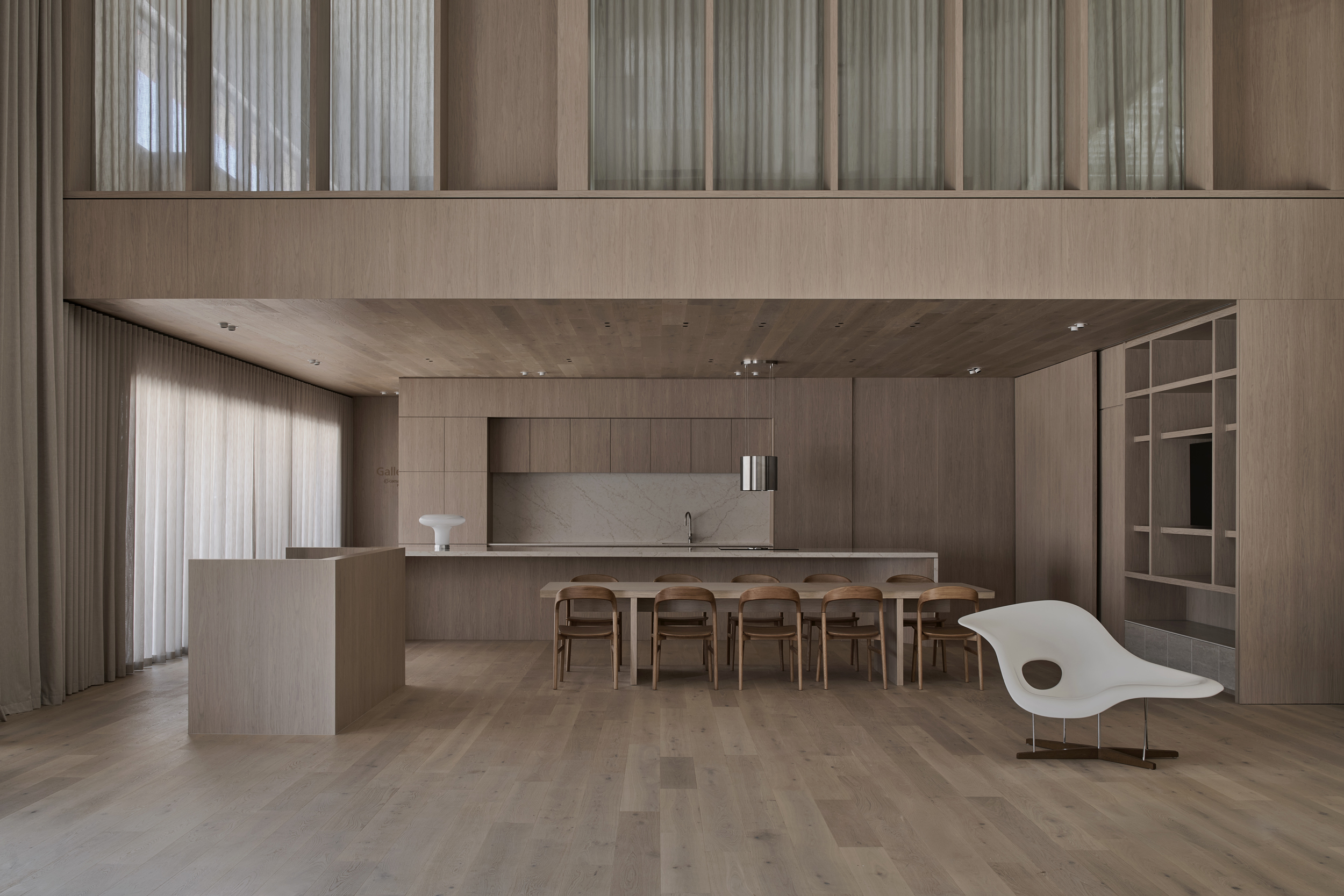
Made of 100% polyester fibres, Acoustic Timber is Group 1 fire rated and can help you meet seismic requirements. Lightweight and semi-rigid, Acoustic Timber can be used for applications where traditional timber cannot, including small to large scale wall and ceiling applications, panelled wall and ceiling installations, decorative timber slat screens and ceiling features. The product’s durability, stability and performance make it the ideal choice for commercial, education, hospitality, theatres and auditoriums, recording studios and retail spaces, while its natural timber look means it can be easily paired to match timber joinery and cabinetry.
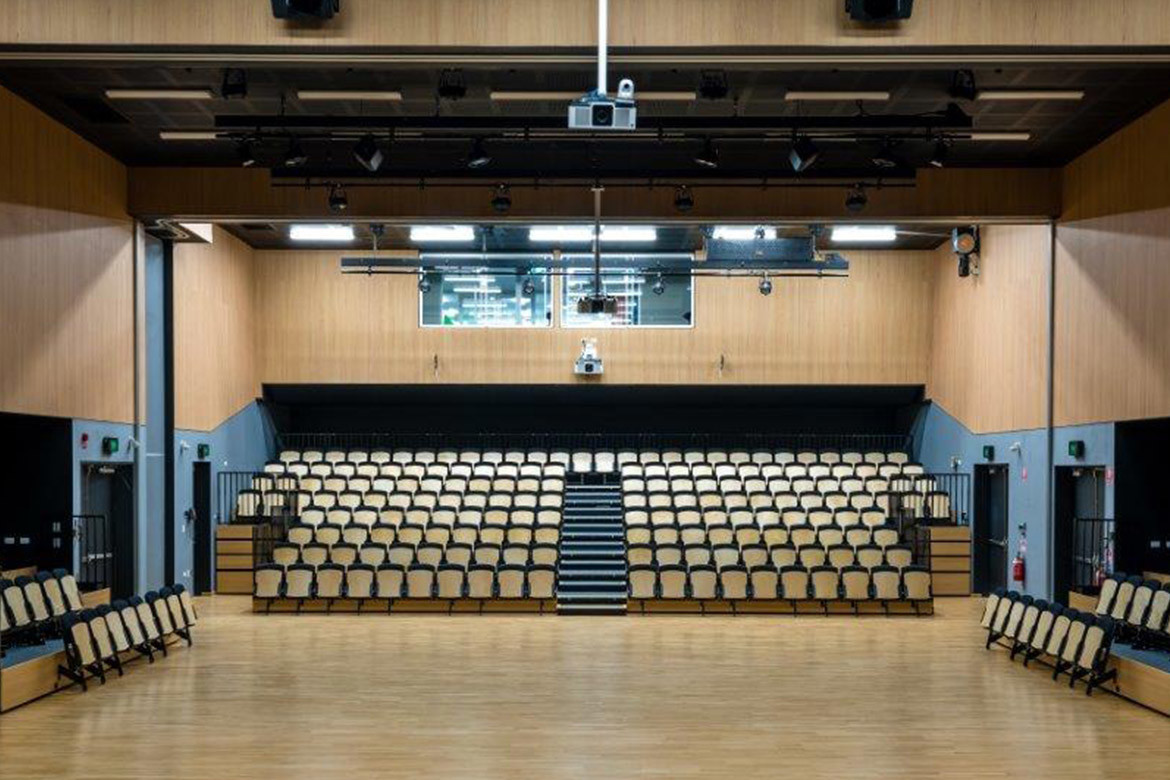
With a local supply chain, Autex gives designers and specifiers a ready source of stock and the advantages of speed on site. Their customisation tools offer unique avenues for creative expression including intricate patterns, expanding screens, inlayed logos, motifs and murals for ease of install.
For over 30 years, Autex Acoustics has been a pioneer in designing, developing and manufacturing innovative acoustics, all while remaining committed to reducing their impact on the environment. In fact, all Autex products are carbon neutral, and the company is the first in the interior acoustics industry to have reduced and balanced carbon emissions from their business operations and products to zero.
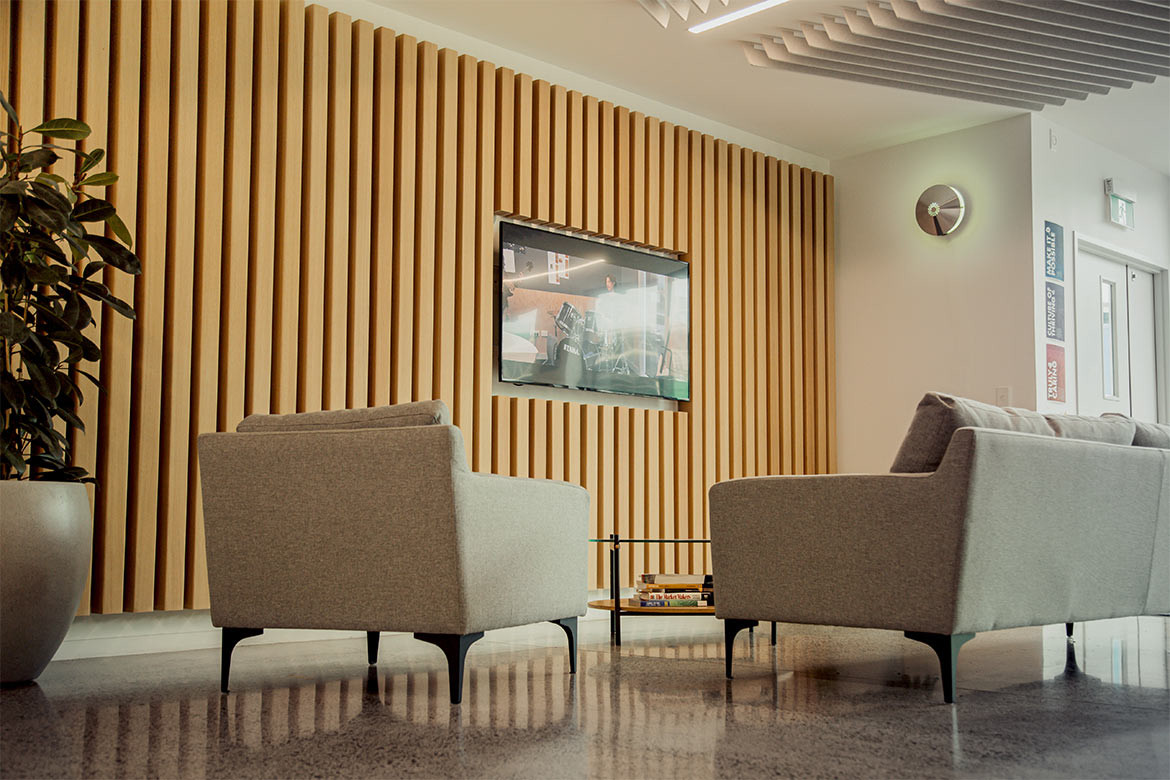
The Acoustic Timber range continues this commitment to sustainability. Acoustic Timber contains a minimum of 60% recycled fibre (from PET plastics) and is designed to be recycled at the end of its life. In addition, both Acoustic Timber panels and rafts are made from Cube, which is Declare certified to be Red List free.
For more information on the Acoustic Timber range, visit the Autex Acoustics website here.