Personality magnetically draws us to a place and makes it meaningful. It does not arise from a standard recipe, but from the dynamic interplay of elements infused with flourishes of individuality and aesthetic boldness. Tom Mark Henry is a studio that is known for its ability to colour in the blank canvas of the built form with a unique and compelling interior story that invites us to write ourselves into the narrative.
The studio’s projects, including hospitality, gyms, homes and commercial offices, become characters within the urban landscape, engaging, conversational and richly layered in their materiality. Colour and form, movement and stillness, past and present all find their point of balance and harmony. At the heart of the creative process are also meaningful relationships with clients, and envisioning those who will find belonging in a space.
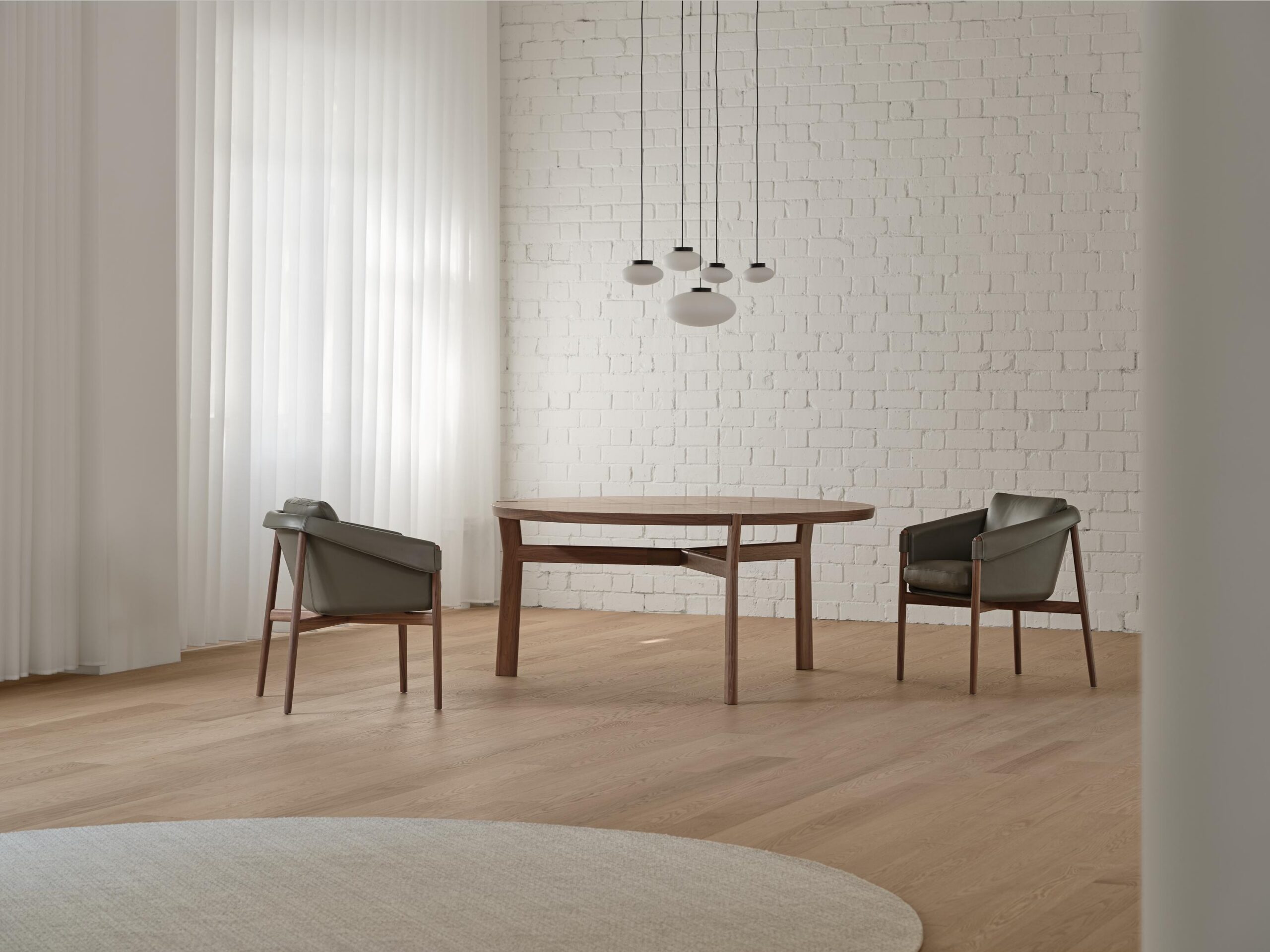
In selecting furnishings, Tom Mark Henry’s director, Jade Nottage, looks for pieces that are both bold and striking in their personality, yet have a classic, timeless and enduring quality. She was drawn to the Issho Dining Table by King for its character and its potential to become a lasting legacy piece.
“I loved this table for so many reasons! For me this has the right blend of striking personality and classic elements.”
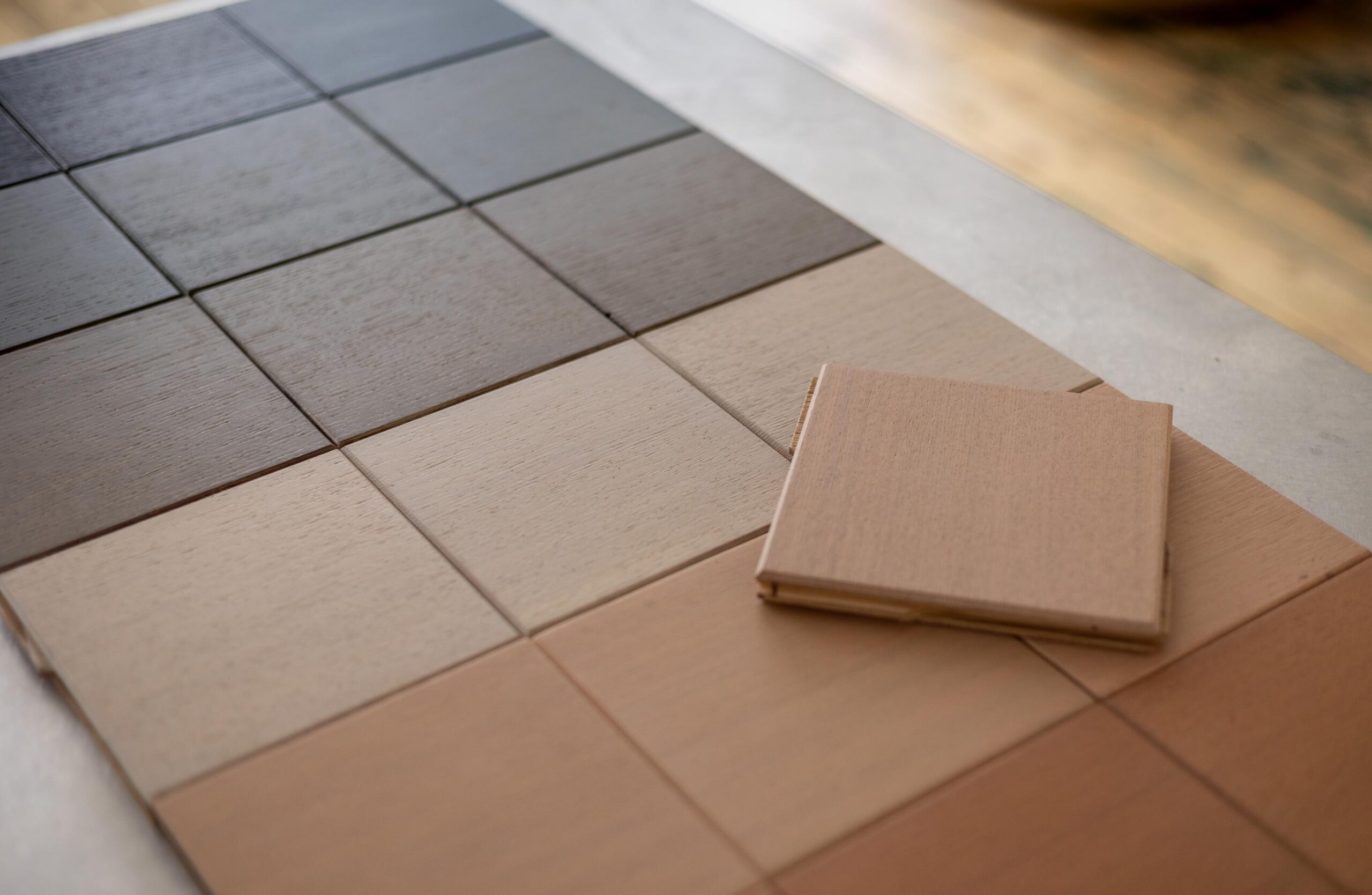
Issho is available in three signature finishes including Congo (pictured), and an American Walnut – a timber Nottage says she is always drawn to for its quality, rich colouration and its connection to the time-honoured traditions of crafting fine furniture. Issho – with its distinctive Modernist touch of the artistic and versatile leg placement – balances the tradition of centuries with a dramatic future-forward geometry. The organic softening of the round top complements the verticality and solidity of the legs.
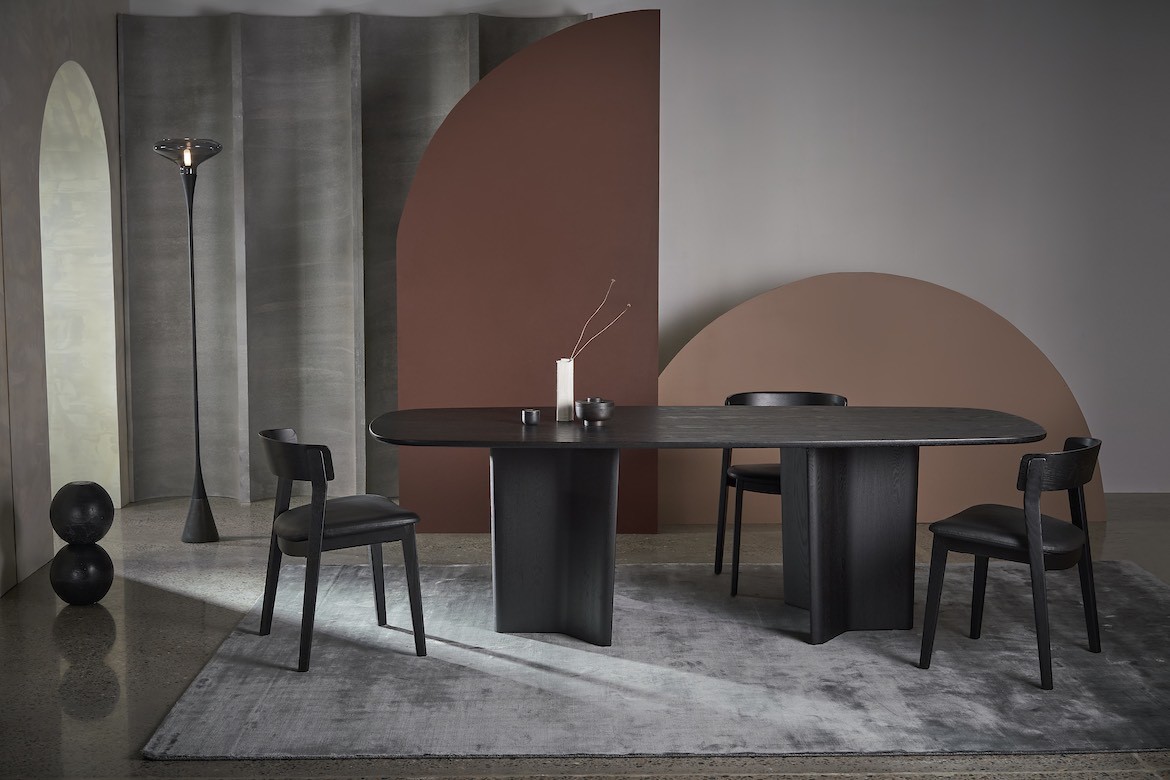
Issho means “together” in Japanese, and when Nottage imagines the life around the table, she pictures a gathering of her closest friends. A feast, with a banquet of Japanese sushi and vibrant conversation and laughter as everybody relaxes, dining casually and passing platters, making up for time apart after the recent months of pandemic lockdowns.
“I have felt significant solitude over the past three months,” she muses.
This experience of being alone is a complete contrast to the nature of the projects and the design process Nottage engages in. Tom Mark Henry does not have a palette, per se, she says. Its motivation is “always to get to the bottom of what the client is wanting”.
“Our job is to guide them, because at the end of the day it is their home, restaurant or bar. Our goal is to have a client who is happy.”
In designing a home, Nottage invites clients to reflect on how long they will use spaces for, how many children there are or may be and what space they will need to occupy.
The design may not start with a blank slate, she explains. In many cases, clients have items of furniture or artwork that have intense personal meaning and emotional importance. Nottage respects this connection.
“I consider it has its place from the outset [of designing]. I respect people owning that item and support them being proud of owning that item. We ask people to be very open with us early on, and it is a trust that they let us into their homes and share those precious things that are heirlooms for them.”
The process of aligning with a client and their needs and vision means designers are “asking people to drop their façades a little bit with us”. That vulnerability and openness is key to ensuring that when a project is complete, the result will be exactly what the client wanted.
“That is the human side of this business. We come into this as a creative, but the whole client management side is enormous. There is design, but there is also budget and construction to consider. “We care a lot – we dream about our jobs – it is not a job you check out from at the end of the day. The people side carries with you.”
Tom Mark Henry
tommarkhenry.studio
King Living
kingliving.com
Photography
Tim Robinson
Photography Assistant
Corey Madden
Production
Eve Milburn
Styling
Lara Hutton
H&MUA
Wayne Chick