The home of architecture and design in the Asia-Pacific
Get the latest design news direct to your inbox!

Get the latest design news direct to your inbox!
Ross Didier has carved out a path in the Australian product landscape and continues to succeed doing things his way.


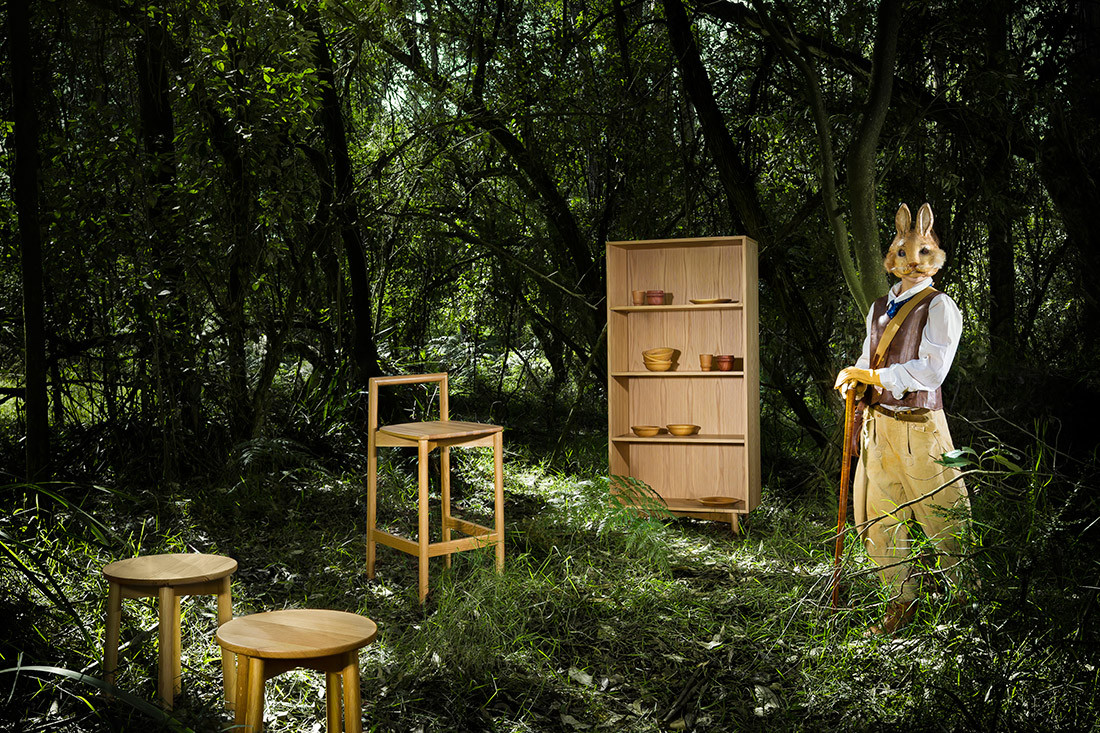
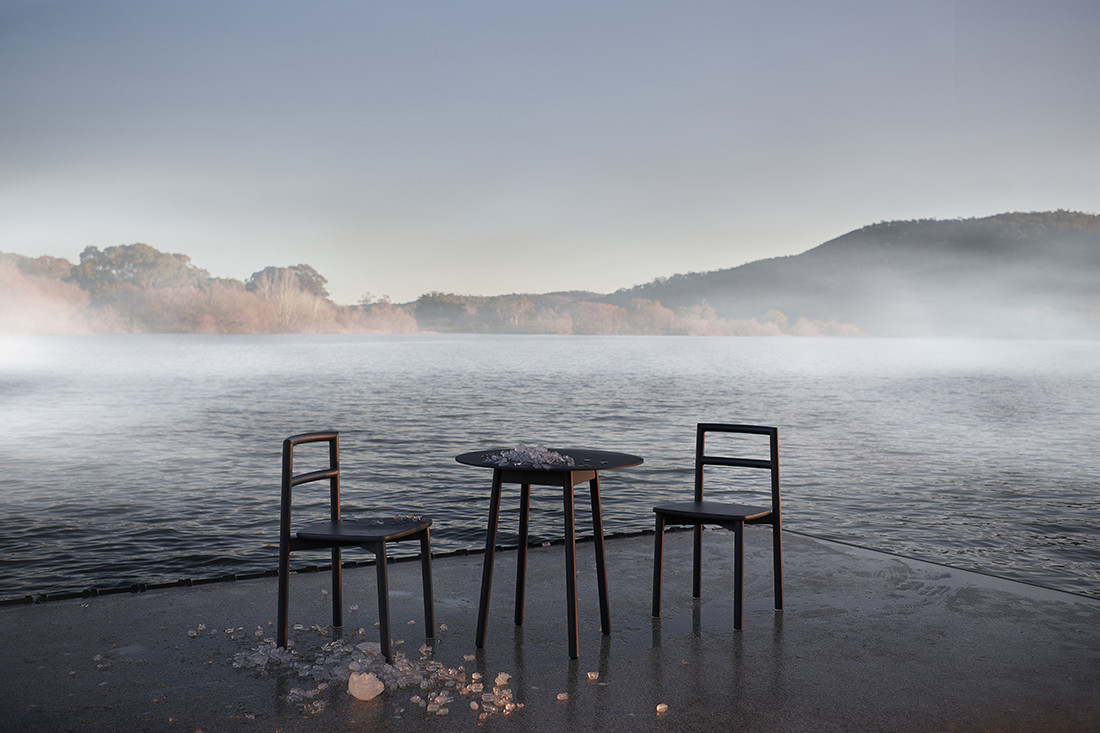
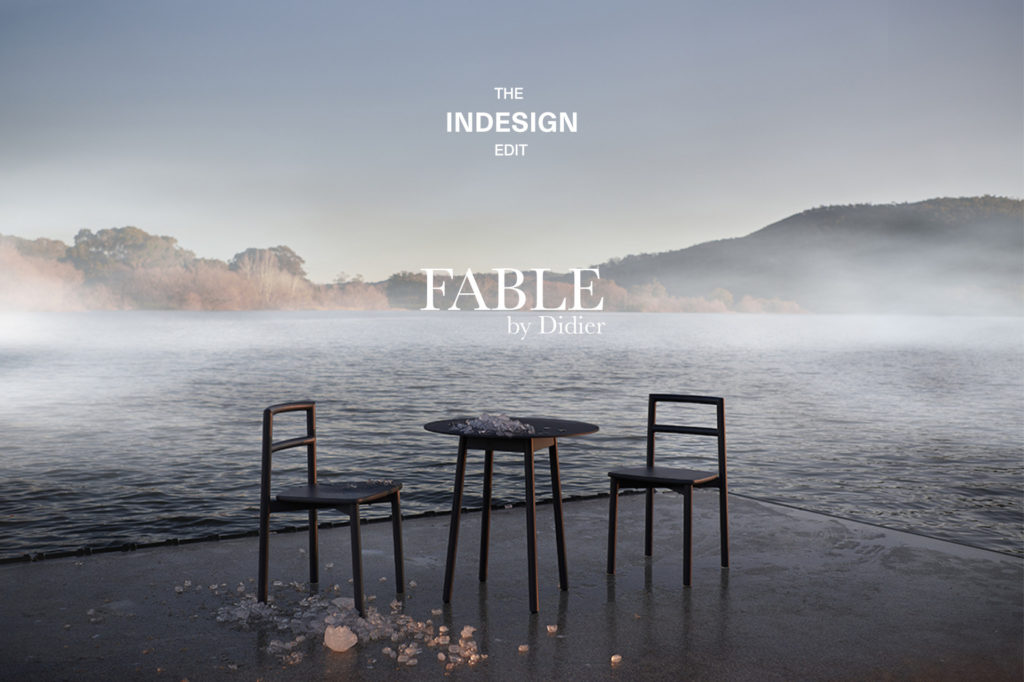
Fable, Ross Didier. Photography by Anna Stroud
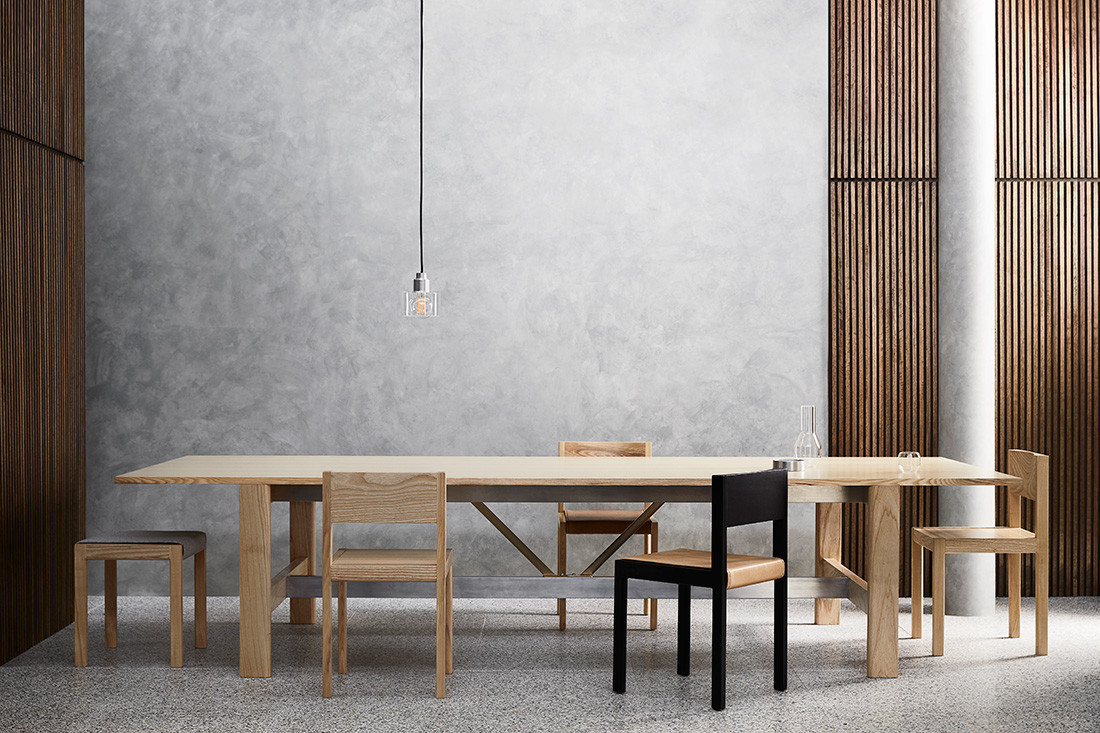

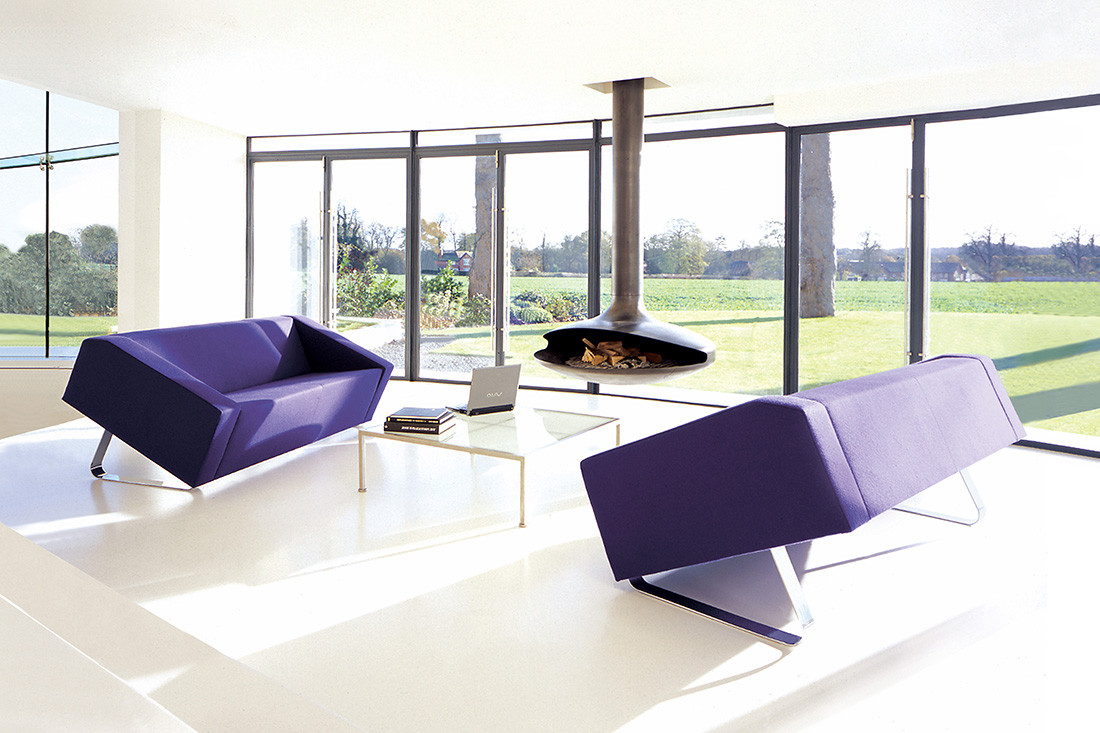
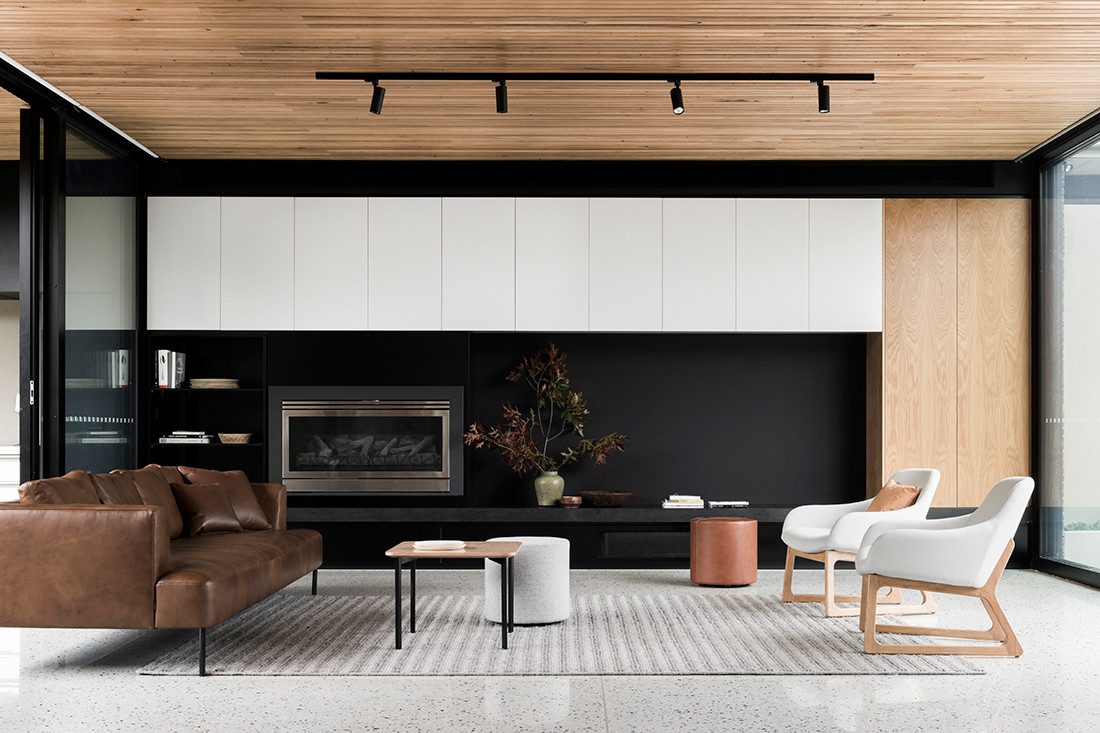
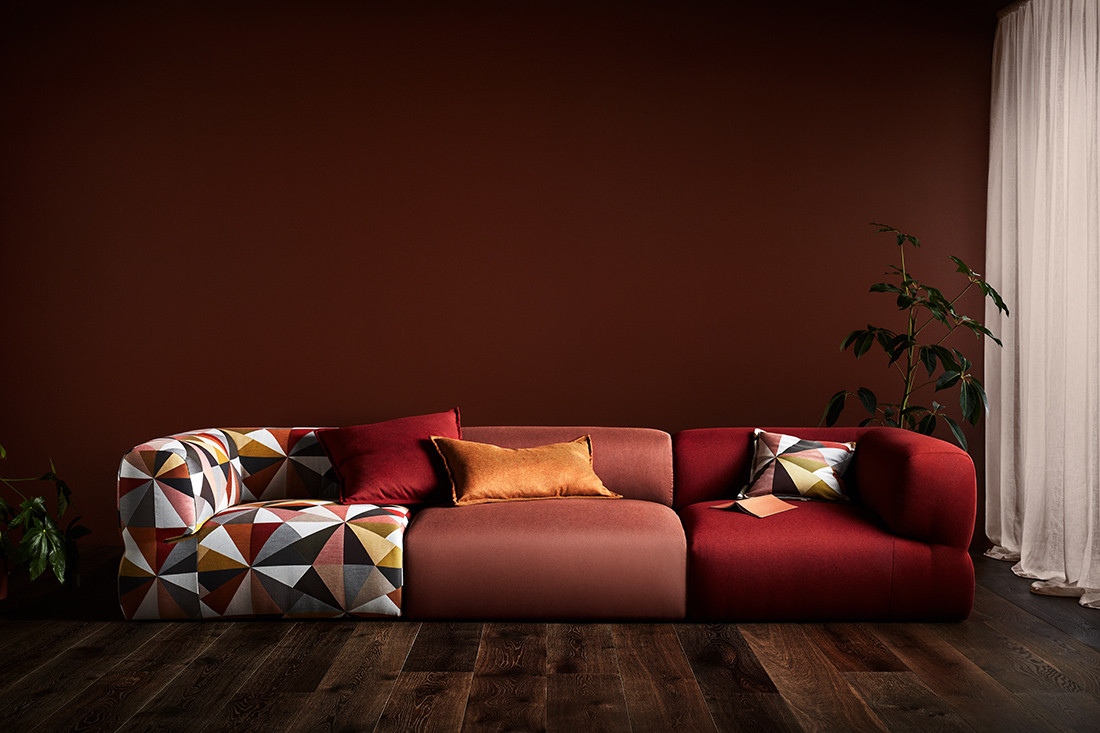
Puffalo sofa, Ross Didier. Photography by Mike Baker
Defined by a subtly interwoven backstory — or “narrative”, as the designer calls it — there isn’t so much a signature as a sense of character to the designs of Ross Didier. Whether that character is the functional companion of a Tiller or the hedonism of a Puffalo, each object has a raw and singular energy that reads as a continuum.
Initially, it was through undertaking the Tertiary Orientation Program at RMIT that Didier’s interest in industrial design was sparked. This quickly gave way to a passion for fine art sculpture and a fusion of focus: the blurring of installation art into interiors. At some point, Didier became a self-confessed student workaholic applying industrial design to art-making. (For context, this was the late 1980s and early 1990s when the art/design conflation was at its peak, with Jeff Koons and Marc Newson ascribing the ‘product as art/art as product’ perspective within their practices.)

Cow Udder Chandelier (silicone and rubber) Ross Didier
Following graduation, Didier found himself working in back- of-house theatre in London where he built sets and constructed props, and an array of objects including luggage, furniture and chandeliers. “It was the dumping ground for artists; everyone was working in the theatre,” says Didier. “This was the time of Cool Britannia [including the emergence of YBA: Young British Artists]. It felt like the centre of the universe.” Yet, while in the middle of the action, Didier was also bearing witness to its fade. “I started to get a twang of what was happening in Southeast Asia and a sense of very exciting things happening closer to home.”
Returning home to Melbourne as a furniture designer at the start of the century, however, was challenging in ways he hadn’t anticipated. Didier’s talent as a designer has never been questioned with commissions and accolades pouring in from the start. For example Nintendo, which commissioned the then-burgeoning practice to design furniture for its Australian presence and a project in Hong Kong for Microsoft through Mima Design.
While designs may have gone into production, receiving press and awards on the world stage, Didier saw very little return. “I was working bars, doing odd jobs, intermittently doing small furniture/lighting jobs, and struggling to pay the bills.”
Fable, Ross Didier. Photography by Anna Stroud
Fast forward and, having commenced his own practice, Didier was gaining recognition. A highlight was a commission to create furniture for Melbourne’s Vue de Monde restaurant by chef Shannon Bennett and project architect Elenberg Fraser. “It gave me my first insight that things could happen locally with global significance and really changed my attitude to how I wanted to work,” says Didier. “I had been so focused on looking for the golden opportunity with big overseas companies that I hadn’t realised I’d become very good at self-producing — and really loved it.”
Although Didier had been designing pieces and arranging production, he had never considered it a best-case scenario. “The idea of designing, managing and manufacturing the products that I could then take to market in Australia and overseas worked really well, but it was a slow process figuring out what I was good at,” says Didier.
To some extent the idea had remained remote, as part of a deliberate strategy to avoid structure in favour of an organic working methodology. What followed was a series of successive commissions, each of which further enforced Didier’s realisation that self-managing and self-producing was not only possible but fiscally viable.
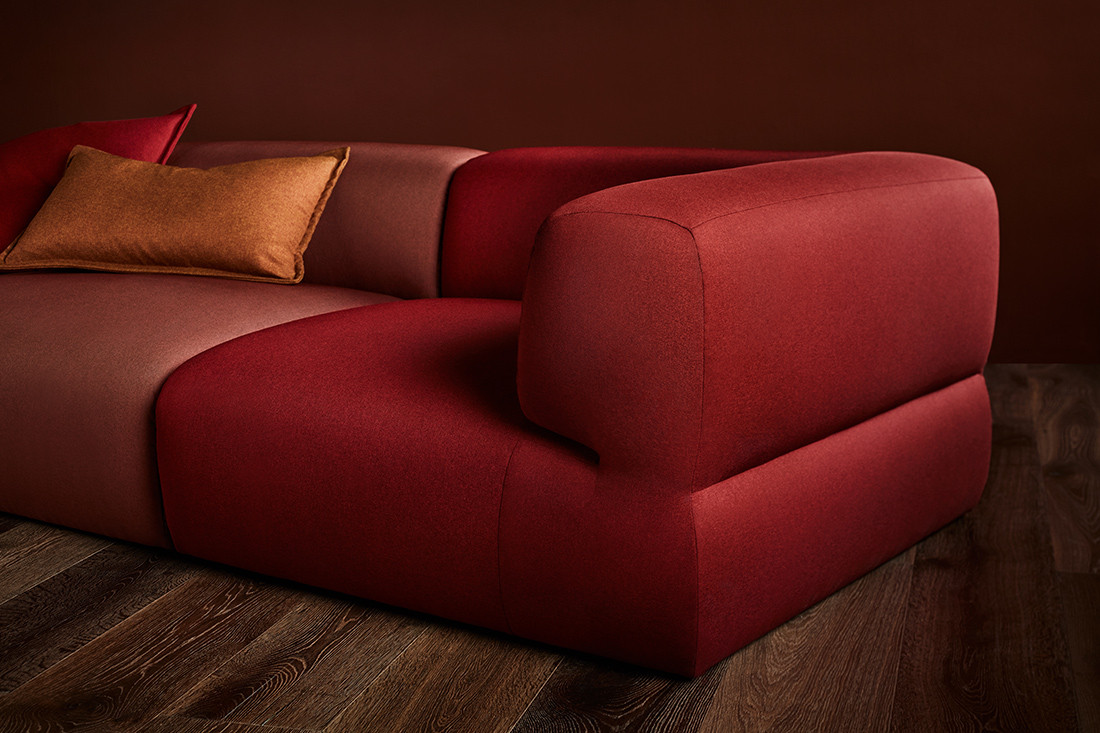
Puffalo sofa, Ross Didier. Photography by Mike Baker
Ranging from accessible and affordable utilitarian products to high-end luxury, Didier’s design language is very much about storytelling: “What I really enjoy is a strong, authentic narrative. From 100 design ideas, I will cull it back to ten and maybe, just maybe, go with one. But it will always be the one with the strongest story that goes forward,” explains Didier.
A catwalk piece that has recently proved itself viable is the Puffalo, an example of modular lounging. Designed as the show piece to introduce an extended commercial range, Puffalo has been an immediate success receiving kudos and sales in equal measure. The range that has followed embodies the Didier philosophy of universality of design.
Although the core studio comprises just five team members and three essential offsiders, the true picture of Didier is that of a global design and production house of hundreds. This includes collaboration with industry leads such as JRF and Design Nation, where a wide range of skilled response is always determined by who is best suited to the job at hand. In a world that currently calls for local manufacturing while celebrating Scandinavian and European imports, Didier sees local from a different global perspective; one that returns the focus to boundless ideas, expertise, and the making of good design.

Ross Didier, portrait by Dianna Snape
INDESIGN is on instagram
Follow @indesignlive
A searchable and comprehensive guide for specifying leading products and their suppliers
Keep up to date with the latest and greatest from our industry BFF's!
The internet never sleeps! Here's the stuff you might have missed