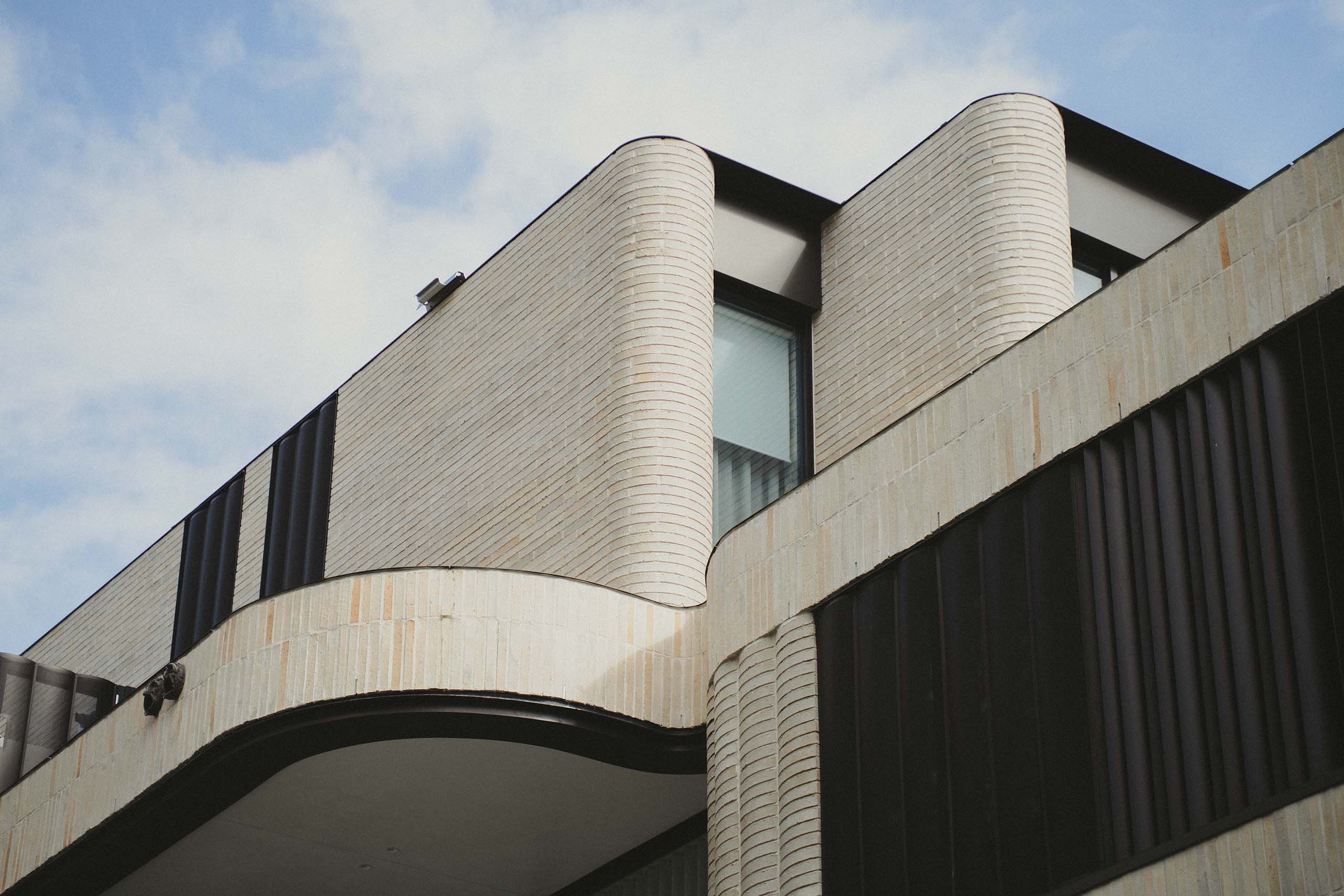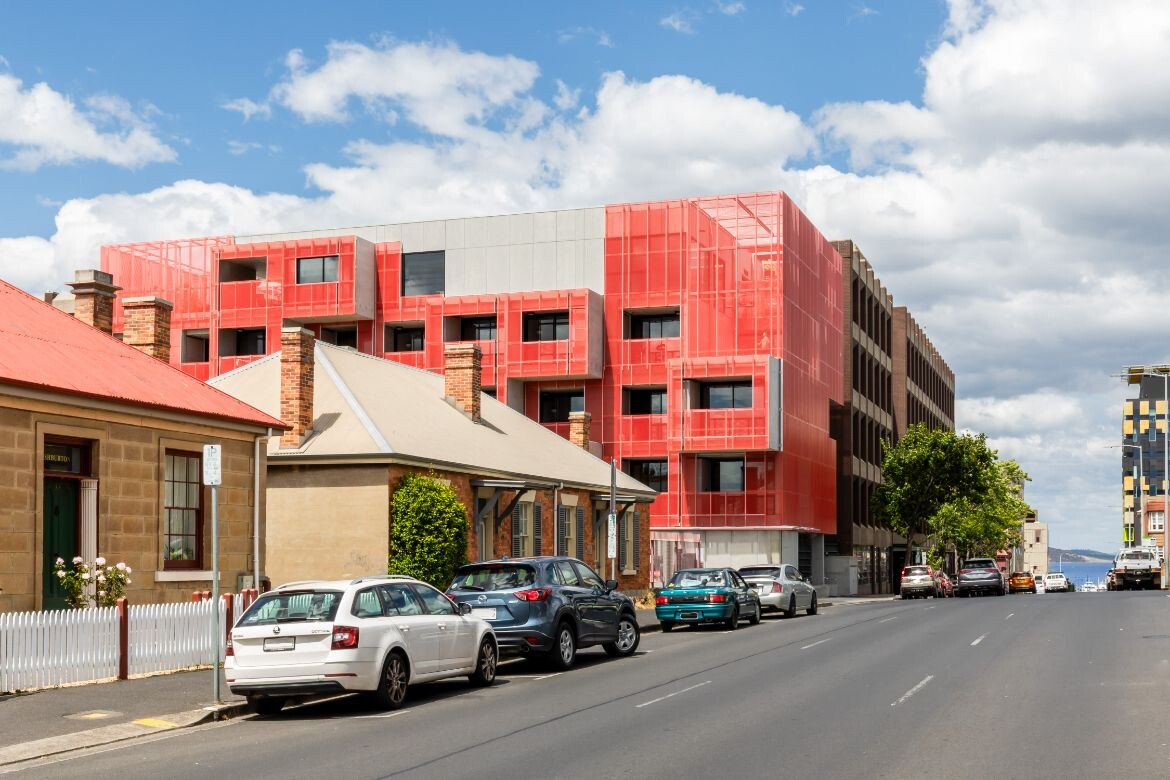
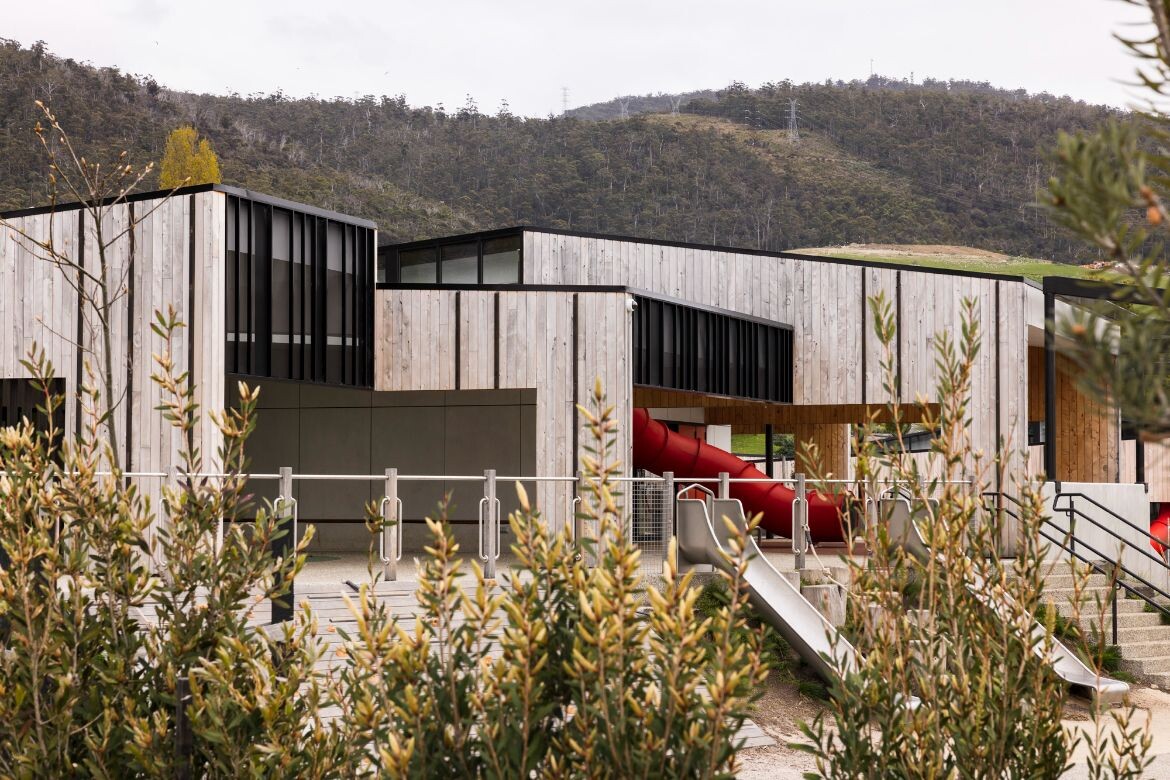
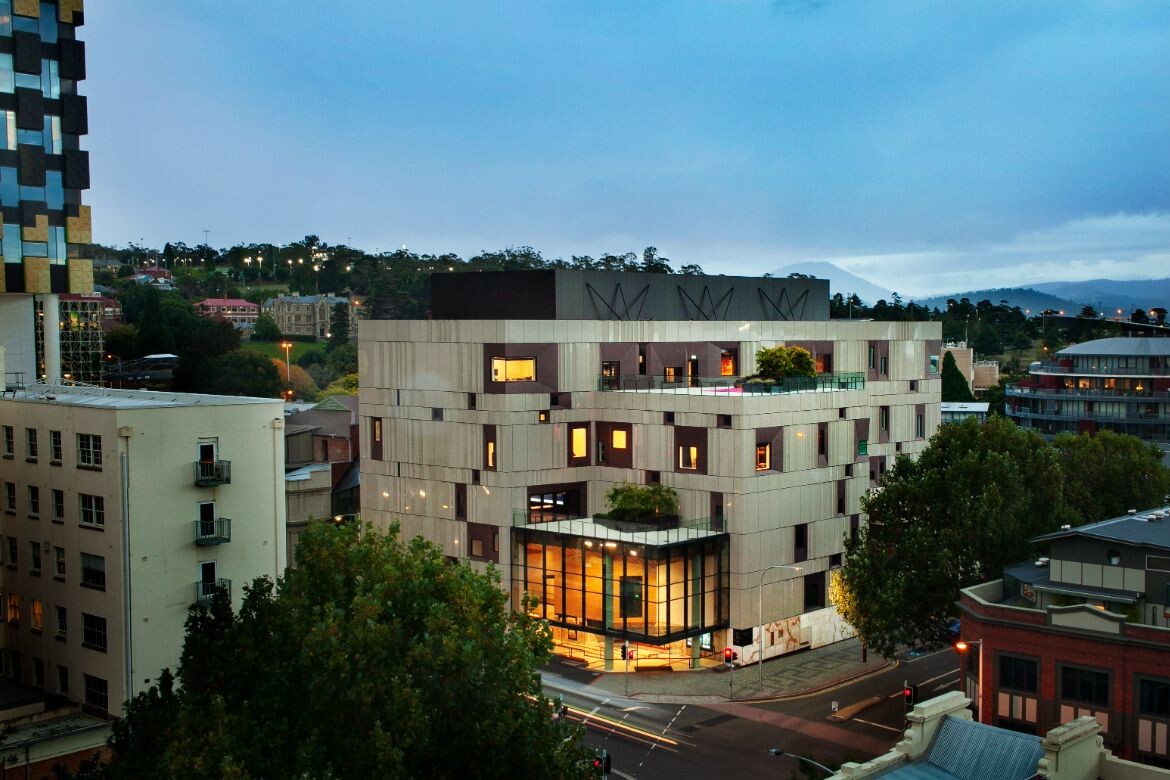
LIMINAL Studio was established by Peta Heffernan with Elvio Brianese in nipaluna, Hobart, Tasmania in 2011 and, since then, the studio has created award-winning projects – receiving, among many other accolades, an INDE.Award in The Learning Space category for The Hedberg in 2022.
Recently, LIMINAL opened a studio in Naarm, Melbourne and the commissions are rolling in. Work is still underway on a plethora of projects in the Tasmanian studio (the southern end of the Studio); however, with Peta now in Melbourne, there is greater physical presence for Victorian (and beyond) clients.

LIMINAL has distinguished itself as a transdisciplinary architecture and design practice through its many identities – LIMINAL Architecture, Spaces, Objects and Ideation – that covers most genre of design and then extends into realms others are reticent to discover.
LIMINAL has distinguished itself as an innovator and leader but it is also a fine collaborator, creating lines of communication with other practices. The studio is globally connected and truly understands the idea of co-design, working with such iconic practices such as Snøhetta and WOHA to realise expertly crafted and award-winning design that is truly up there among the world’s best.
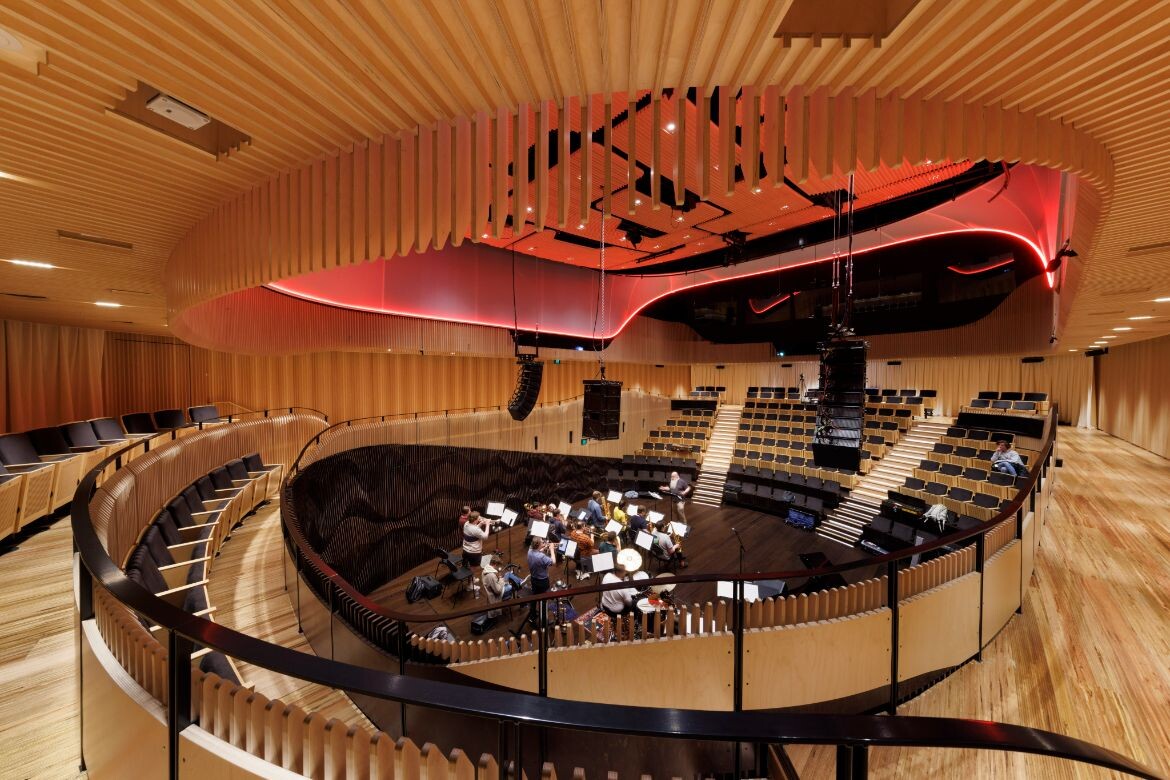
For LIMINAL there is a deep connection to the history and culture of First Nations peoples, and this perspective is integral to all projects. For ten years there has been valuable input to the design table through an Aboriginal and Torres Strait Islander voice collaborating with the practice, and this has helped direct and inform the design that LIMINAL conceives.
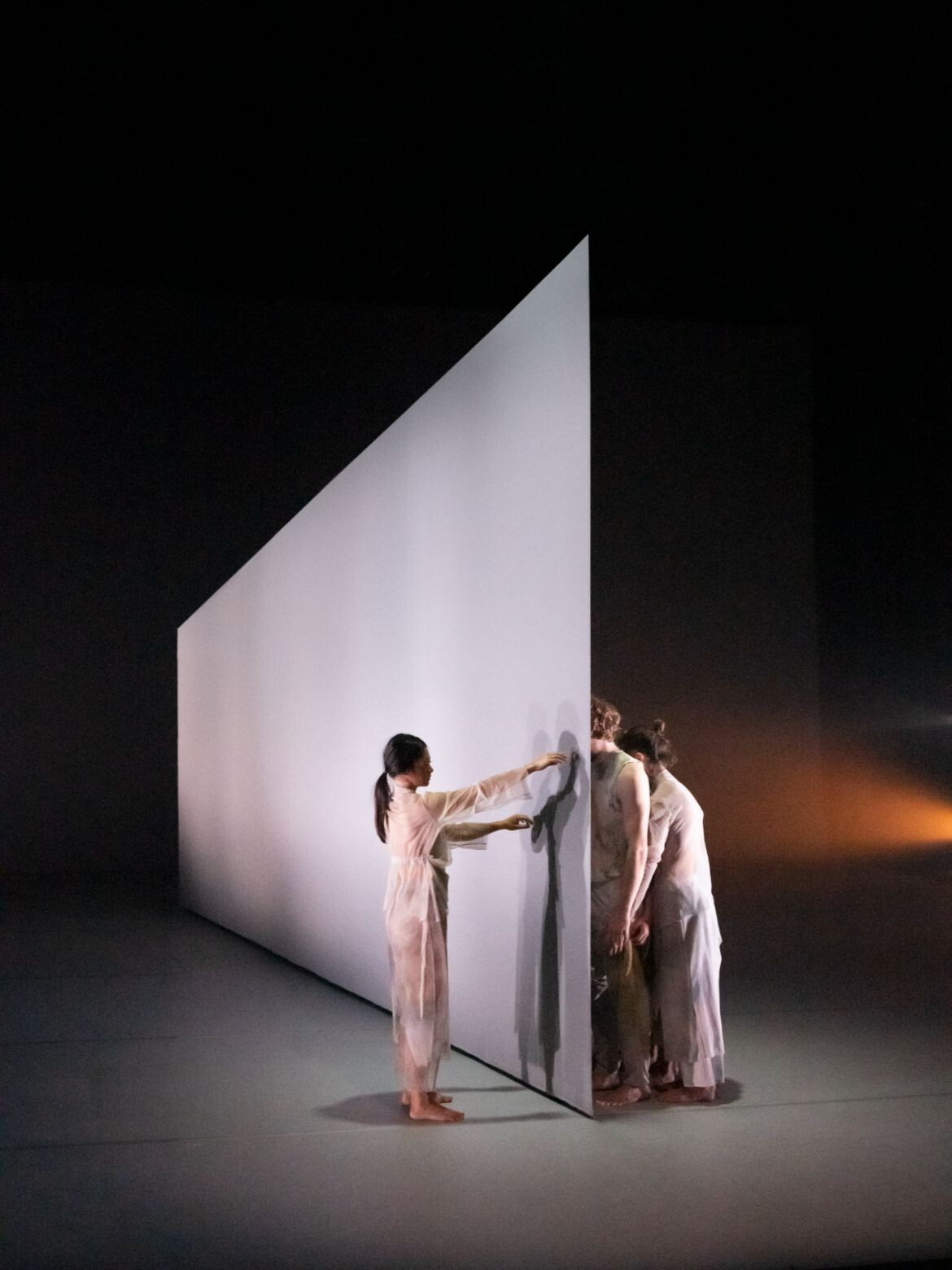
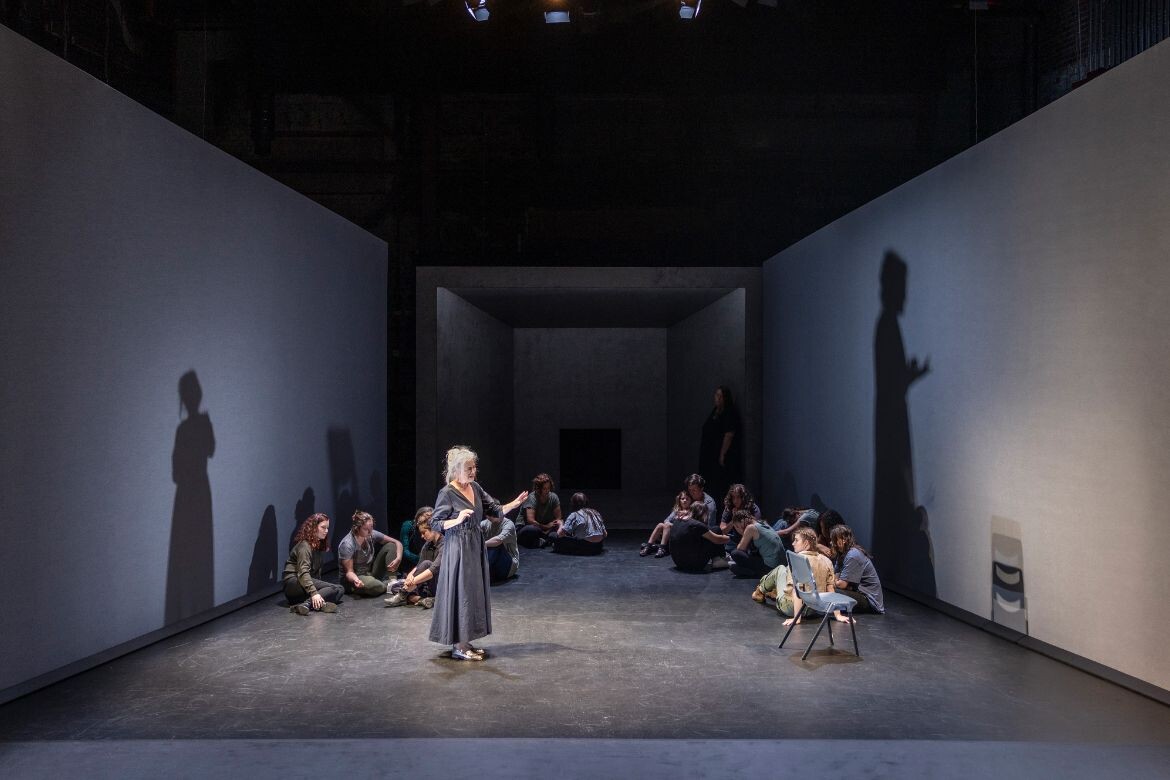
Meanwhile, LIMINAL does not limit its ideas and practice purely to the formality of architecture. Through LIMINAL Spaces the studio has spread its wings to discover the scope of creativity with set design and installation projects. Most notable collaborations have been with Dancenorth for the concept design and scenography for the contemporary dance work, Dust, Archipelago Productions for the play, The Bleeding Tree and Woman of Troy, and the Tasmanian Theatre company’s Born From Animals.
Related: Joining Peta in the jury, Helena Clunies-Ross
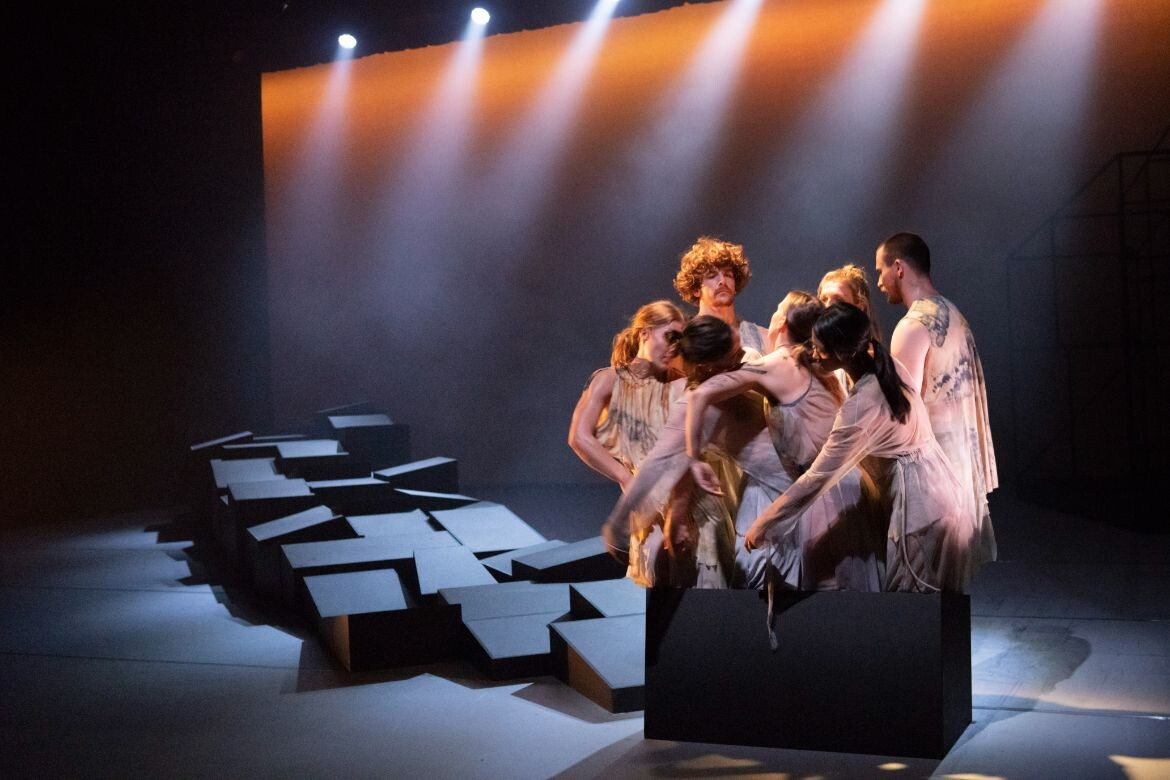
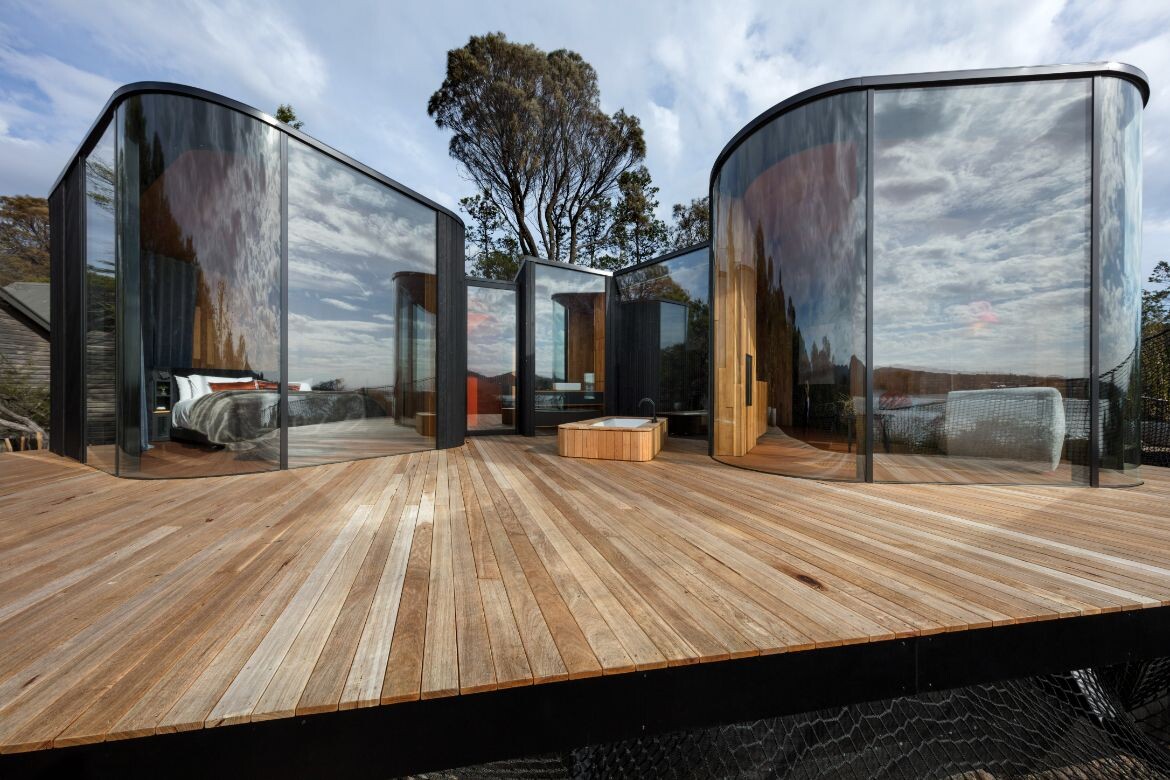
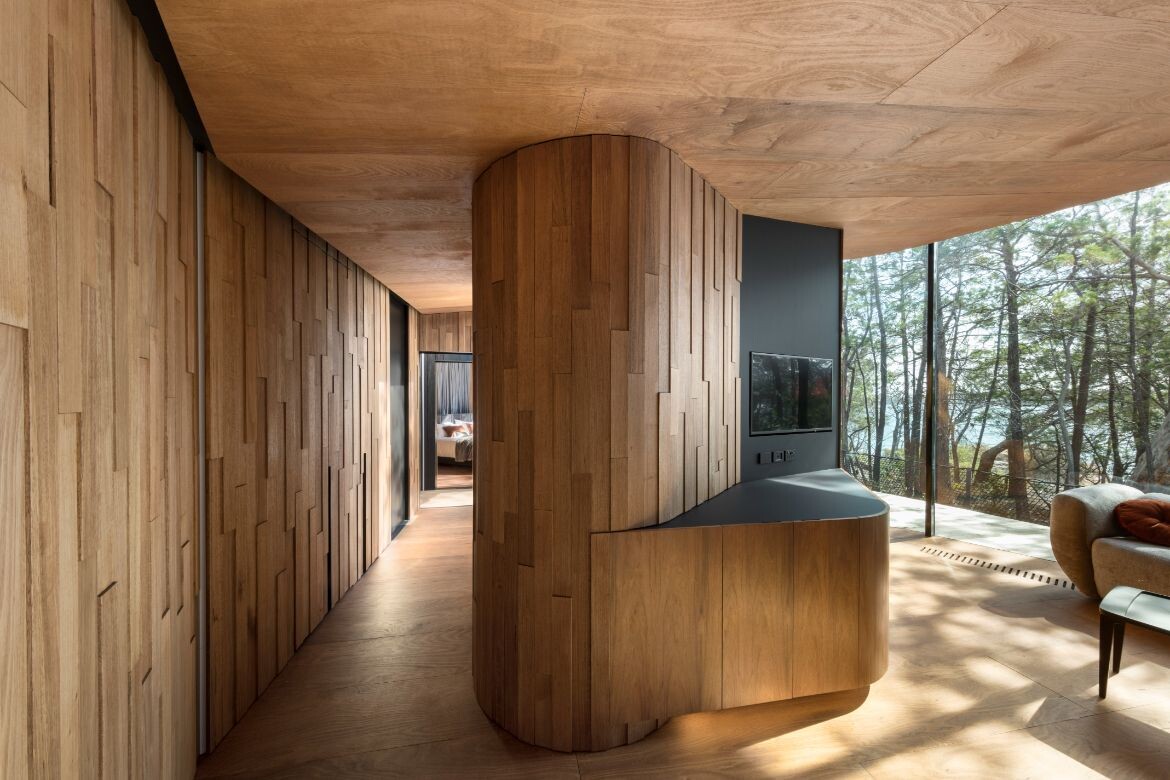
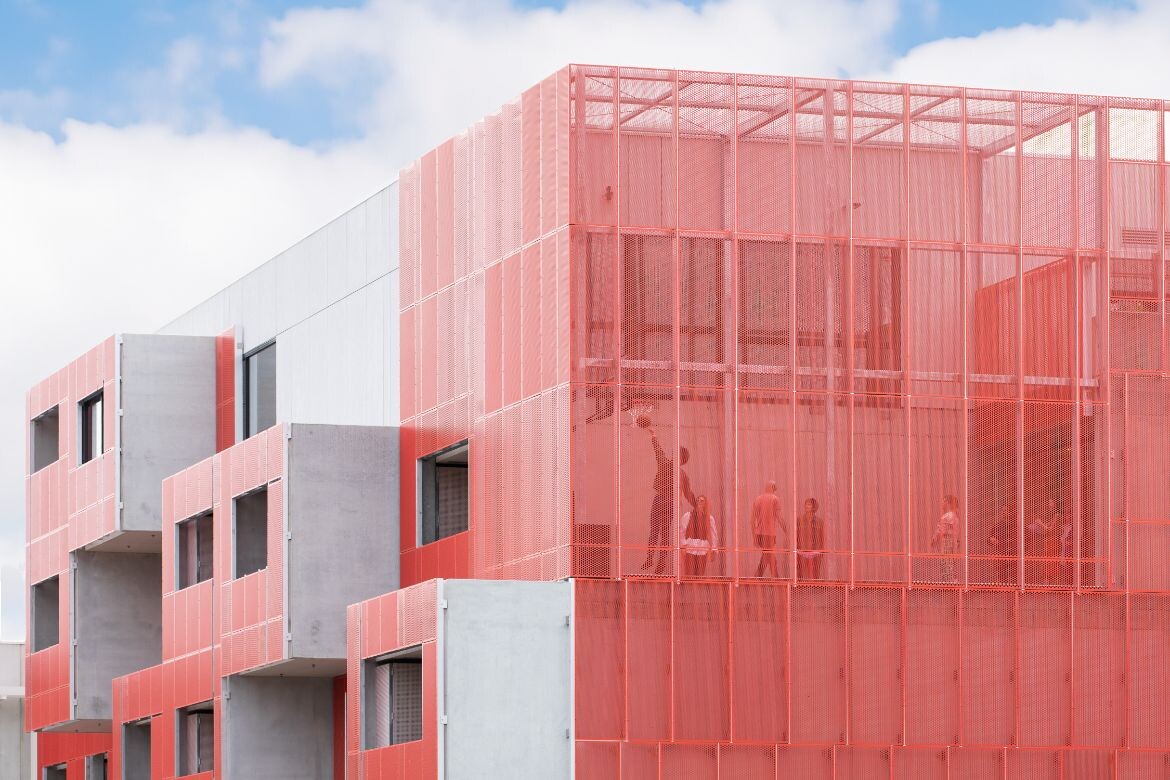
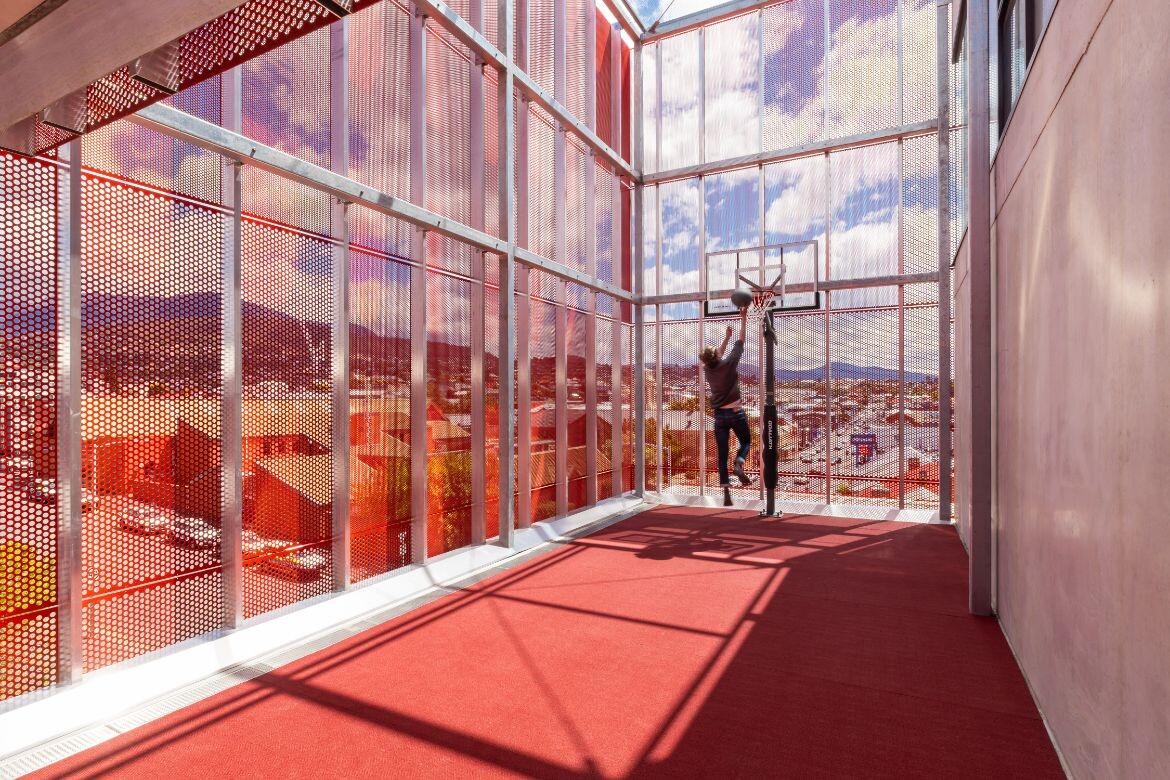
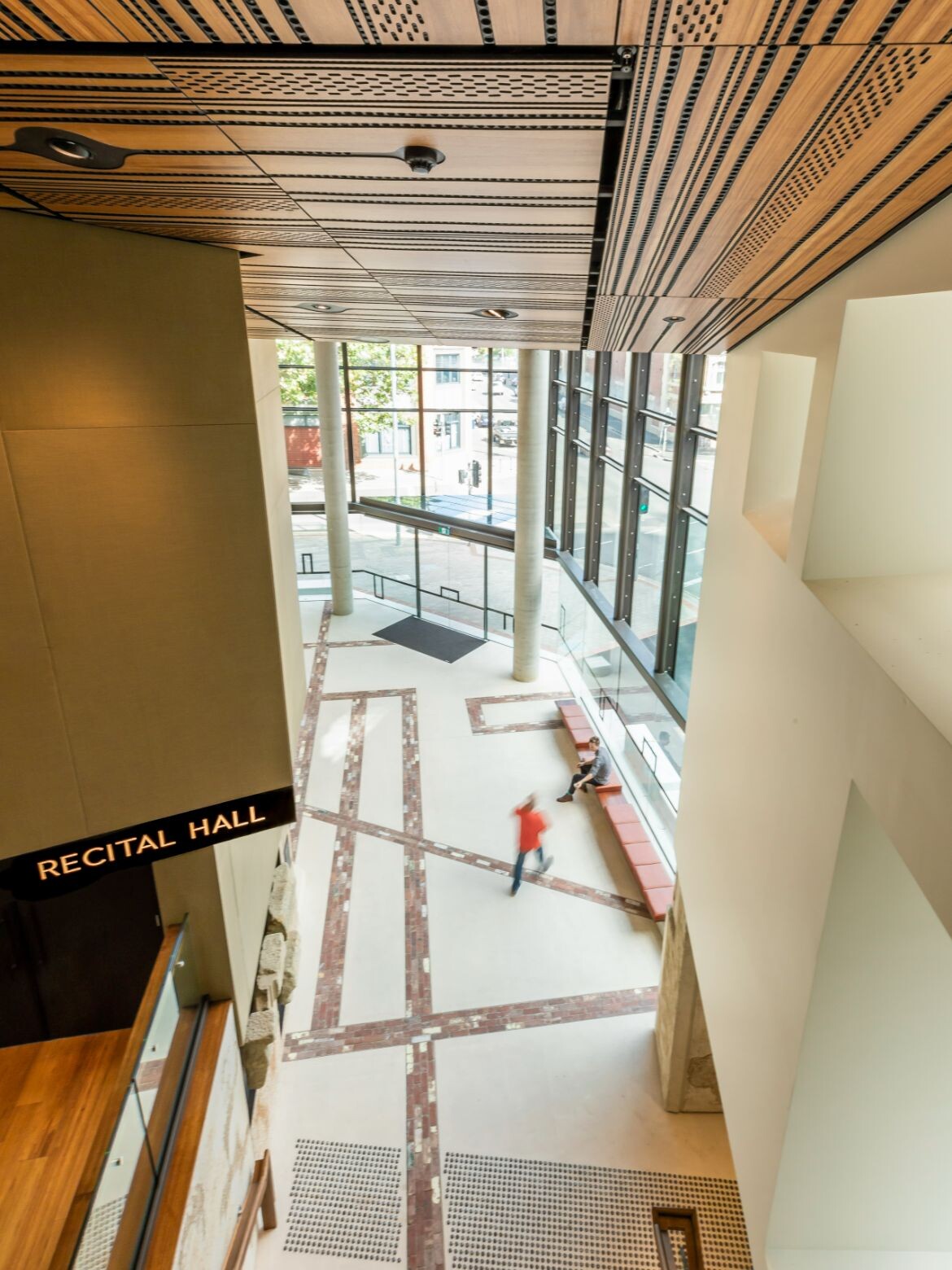
LIMINAL Objects is the vehicle for the studio to create furniture and bespoke pieces as seen in the award-winning Coastal Pavilions at Freycinet Lodge project where interiors, furniture and objects were all created by LIMINAL. The practice has also been recognised for its many education, cultural, affordable and social housing, tourism, health and commercial projects and there is nothing too complex for the studio to undertake.
It’s easy to sing the praises of a studio that pushes the boundaries of design and steps into unusual spaces and places to make them its own. Not content to replicate its ideas, LIMINAL takes on projects that stimulate the imagination and ensure that creativity is always the driving force.
Welcome to Melbourne, LIMINAL and Peta – and good to have you on the 2024 INDE.Awards jury once more.
LIMINAL Studio
liminalstudio.com.au
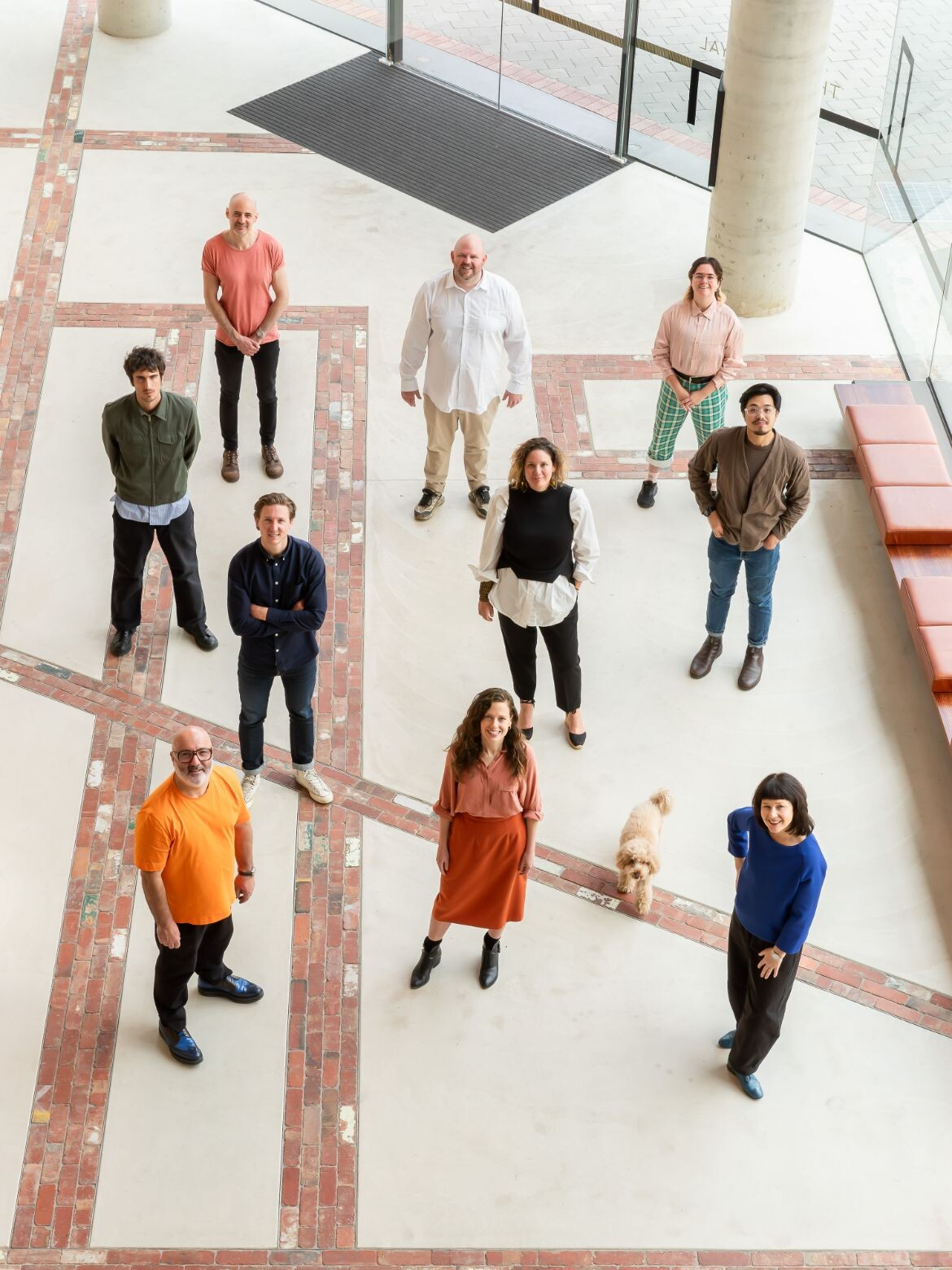
More on the INDE.Awards with Adam Markowitz and the object-makers