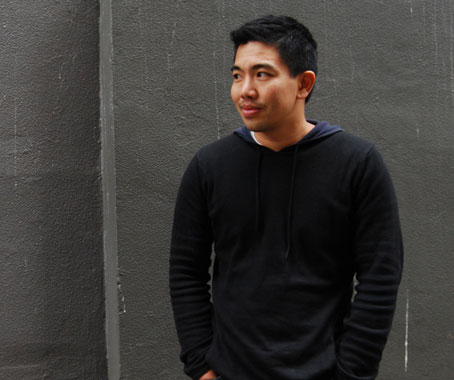
Matt Chan, winner of this year’s Emerging Architect prize at the AIA’s NSW Architecture Awards, speaks to Ola Bednarczuk about staying fresh and moving forward.
July 29th, 2011
Matt Chan of Scale Architecture was sitting in an empty office, ready to relocate and questioning which direction to take, when he got the call from the Australian Institute of Architects (AIA) saying he’d won the 2011 Emerging Architects Prize.
“The award was timely,” Chan says. “You reach a crossroad after certain point. You ask yourself, which way am I supposed to go? How do I generate more business? How do you keep surviving? How do you stay fresh?”
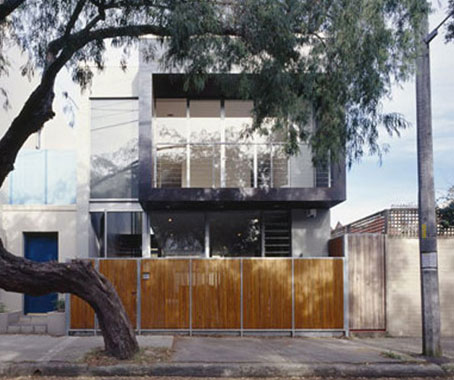
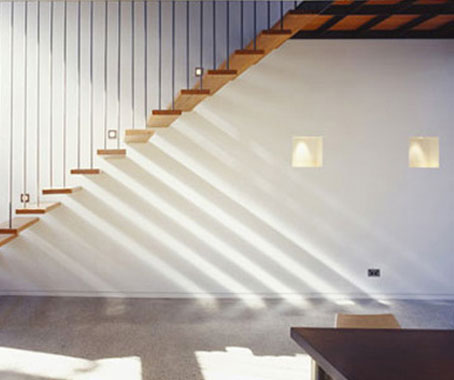
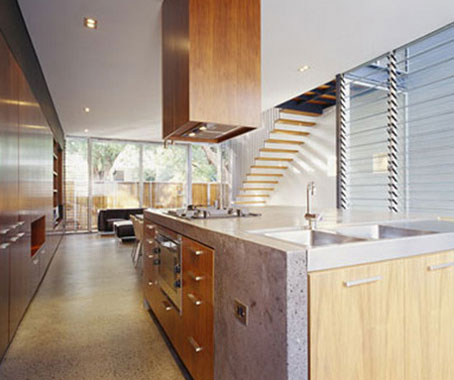
Milis Salem House
The recognition was a boost for Chan during a time of reflection and transition, proof of peer recognition and his contribution to design through teaching, research and practice.
“That means more to me at this point than reaching a more obvious commercial success within the practice,” he says.
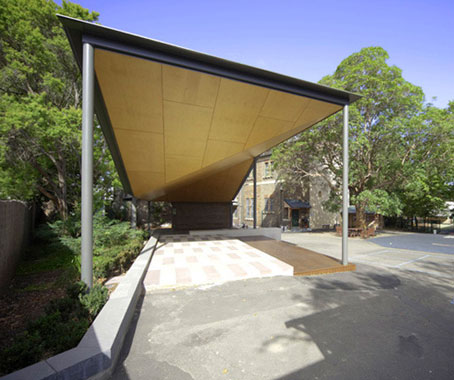
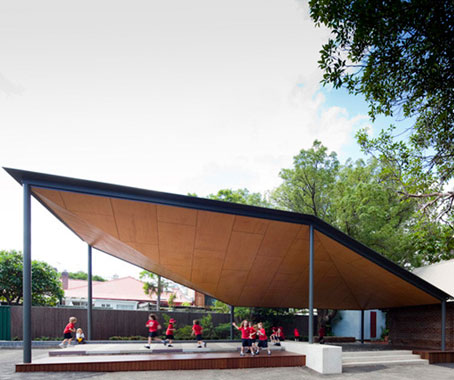
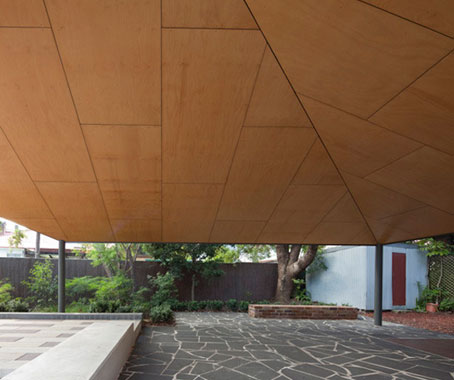
Australia St Infants School, Covered Outdoor Learning Area
Scale combines project work, installations and teaching to stay creative and inspired – and to make opportunities in more quiet times.
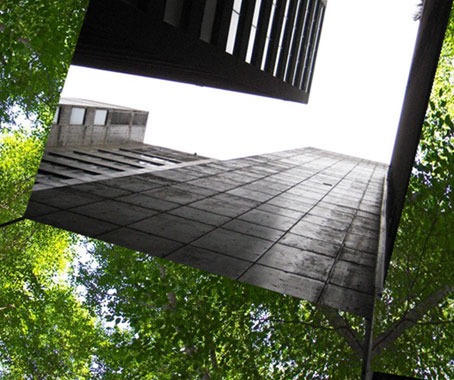
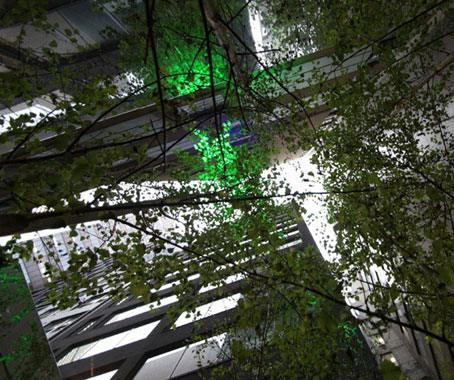
Infinity Forest, 2009 Laneways By George! Hidden Networks
“You have to be quick on your feet because things change around you – the economy changes, clients change their minds. You need to creatively think your way through.”
The term Emerging Architect is a tricky one for someone who’s been in the industry for a number of years – “it sort of means that you’re defined as much by what you haven’t done as by what you’ve done,” says Chan – but it also reflects the stage of growth that Scale Architecture is going through, and the future possibilities that the firm is presented with.
“I want to try to redefine what [Scale] is philosophically, what it means to the profession,” says Chan of his plans for the practice.
“I would rather do half a dozen projects in my life that mean something and are significant, than a whole bunch of projects that are substandard. And I think that’s the way I need to take – to make sure that those are all really important, well-regarded projects.”
Scale Architecture
scalearchitecture.com
INDESIGN is on instagram
Follow @indesignlive
A searchable and comprehensive guide for specifying leading products and their suppliers
Keep up to date with the latest and greatest from our industry BFF's!
In the second instalment of our performance seating three-parter, we turn to DKO’s Michael Drescher and Jacob Olsen to peek behind Sayl’s confident architectural form and explore the ideas of inclusivity, adaptability and freedom to move as hallmarks of what sitting your best actually means.
In the last instalment of our three-part performance seating series, Alex Bain from Architectus explains why sitting well shouldn’t feel like sitting at all and explores an unexpected success metric of the hybrid workplace: the grounding power of emotional support.
In the first instalment of our three-part series exploring what it means to sit your best, we pose the question to Gray Puksand’s Dale O’Brien, who discusses the importance of ease and majority rule when it comes to sitting and reveals why specifying a task chair is not unlike choosing a Volvo.
Hot on the heels of this week’s announcement of Siren’s new global CEO, Penny Sloane, we speak with Penny and Siren’s ‘OG’, Mia Feasey.
As the corporate landscape continues to evolve, a recent study by renowned design firm Hassell sheds light on the significant impact of office transformations on employee satisfaction.
The internet never sleeps! Here's the stuff you might have missed
Stepping into Intuit’s Sydney workplace certainly doesn’t feel like walking into an office. Why? In this film, we discover that, when joy takes precedence as a design driver, even a high-performing commercial CBD headquarters can feel like an intuitive wonderland that invites employees to choose their own adventure.
Presented by Shade Factor
In this interview, Michael Leeton reflects on his philosophy of placemaking, connection to landscape and the importance of designing homes that balance intimacy with scale, using his award-winning project House on a Hill as a central reference point.