The home of architecture and design in the Asia-Pacific
Get the latest design news direct to your inbox!

Get the latest design news direct to your inbox!
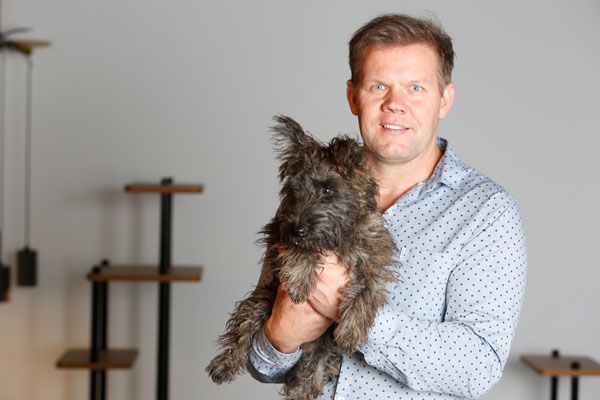
Ahead of Sydney Indesign 2015, we chat with Industrial Designer Jouni Jarvela.
August 11th, 2015
Name: Jouni Järvelä
Occupation: Industrial Designer / Business Owner
Location: Fortitude Valley, Brisbane
Company: Pop Concrete / Pop Plus
Position: Design Lead
The moment you knew you wanted to work in the design industry.
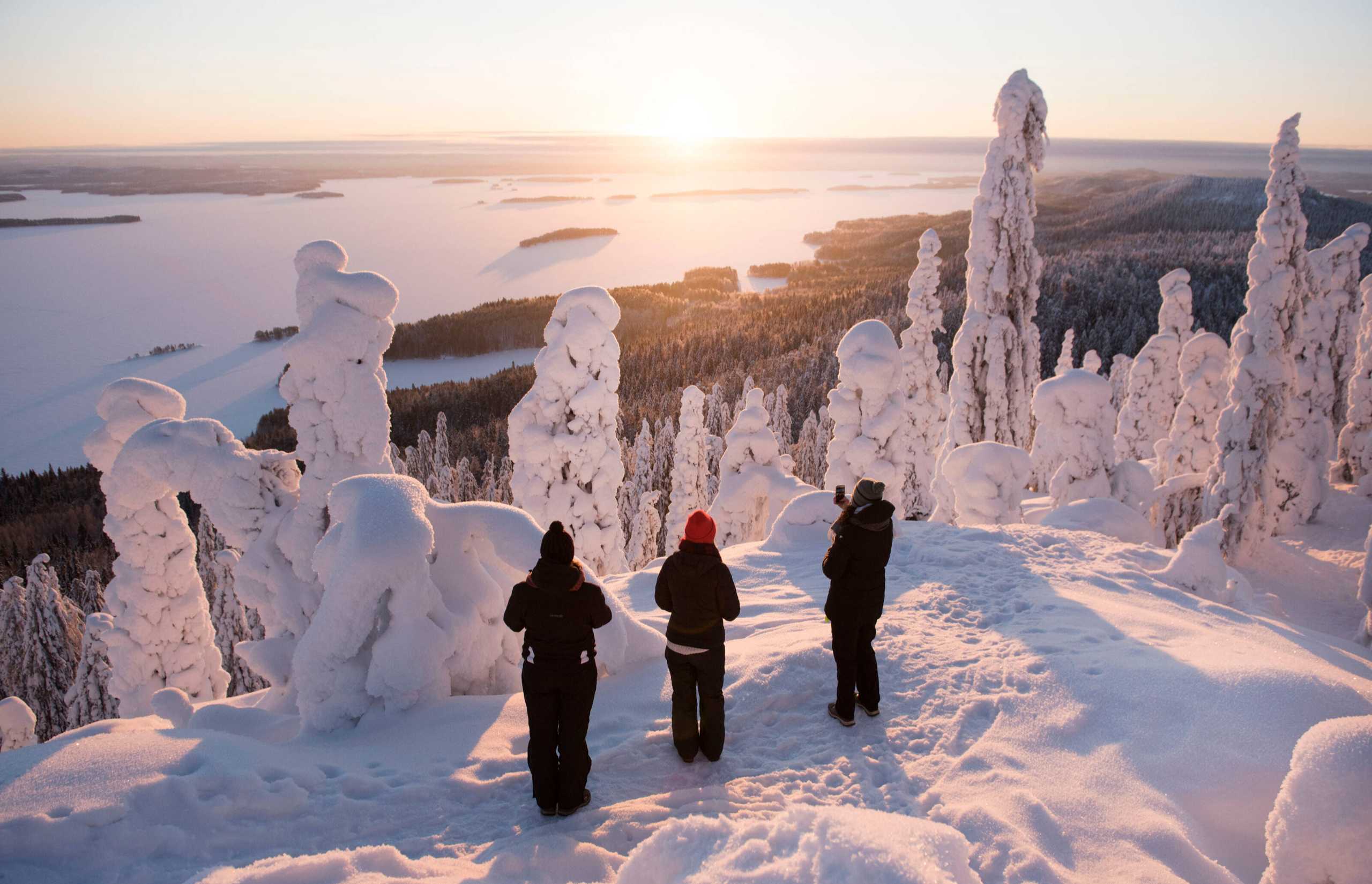
While travelling to visit relatives in Finland I had an opportunity to experience Helsinki. I was impressed by the cultural focus on good design. It is ingrained into society from the urban architecture through to furniture and homewares in the homes of locals. This inspired me to leave the construction industry to pursue a career in the design.
How did you come to be an industrial designer? What first drew you to the practice?
I joined my family concrete construction business at an early age. I’ve always enjoyed the satisfaction from seeing a completed job that was created from raw materials. I also love problem solving and taking challenges through a design development process to produce a functional and visually pleasing product.
After finishing my Industrial Design degree I approached my brother with a business idea. It was to produce well designed products that utilised concrete as a base material. With a 14m2 workshop we started Pop Concrete.
What interests you most about this particular field design?
The challenge to think through the whole design process for a product appeals to me. To take a product from its early ideation and concept sketches with the user experience taken into consideration through to developing intial prototypes. Seeing the product as a raw material go through the manufacturing process, assembled to be packaged and ready for market is a satisfying experience.
What has your experience with education design been?
My four years of Industrial Design studies at QUT were very rewarding. I learnt many critical design techniques and thinking habits that have proven to be an asset to launching a design led company.
The most unusual/interesting thing about the way you work.
I often resort to resolving a design by going to the factory and tangibly working through a challenge. The ability to change and modify the approach helps to keep a fluid design development process with limited stage gates. It may seem to be an unconventional way of working, but it has proven to be an effective technique that compliments my design work.
Which items in the workplace can you not live without?
Pencil, paper, tape measure, verneer callipers and coffee.
What have been your favourite three products this year?
The Leksa is a modular shelving / storage unit that we are launching at Sydney InDesign. I was inspired by a shelving unit that my father designed and made in the 1970’s for our family home.
The Toob pendant light is a simple cylindrical concrete light with the option of a spun copper shade.
The Fiksu bench seat is an addition to the Istu bench seat. It is a concrete / timber seat with angled and tapered leg design.
Your top influences.
Tapio Wirkkala, Hans Wegner, Benjamin Hubert
Favourite material.
Concrete.
Favourite local landmark/building.
Coronet court is an apartment building in the Brisbane suburb of New Farm. It is a distinctive building with striking Art Deco form.
Favourite international landmark/building.
Tempelinaukio Church in Helsinki. This church was quarried out of the bedrock and features natural rock walls and a stunning roof design.
Biggest career moment.
We have recently signed a distribution agreement with Living Edge. This has been an exciting development for our company and we are looking forward to the partnership and seeing our product throughout Australia!
Concern for the design industry in the coming decade.
De-valuing of design in the furniture industry and replica furniture companies.
Dream person to collaborate with.
Henry Wilson.
INDESIGN is on instagram
Follow @indesignlive
A searchable and comprehensive guide for specifying leading products and their suppliers
Keep up to date with the latest and greatest from our industry BFF's!
The internet never sleeps! Here's the stuff you might have missed