The home of architecture and design in the Asia-Pacific
Get the latest design news direct to your inbox!

Get the latest design news direct to your inbox!
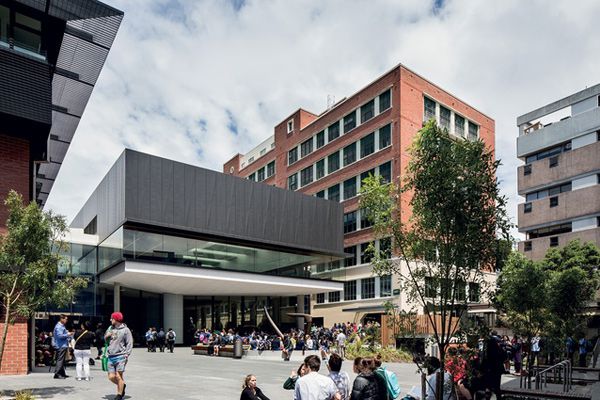
Wellington’s Victoria University School of Architecture was formally founded in 1975, and is now celebrating 40 years of inspiring the next generation of New Zealand architects.

February 22nd, 2016
In recognition of the 40-year milestone, the Victoria University School of Architecture is holding a celebratory academic symposium with a range of alumni, special guests and architecture professionals on the weekend of 18-19 March 2016.
Taking place on March 18, the symposium is set to bring together a range of architectural scholars to who will be examining the scope of architecture in the 1970s and its ramifications for today’s architectural practices.
That evening will see a formal Celebration Dinner held at The Boatshed on the Wellington Waterfront, which will be followed by a Saturday 19th of March alumni celebration, which will include presentations by former students and staff.
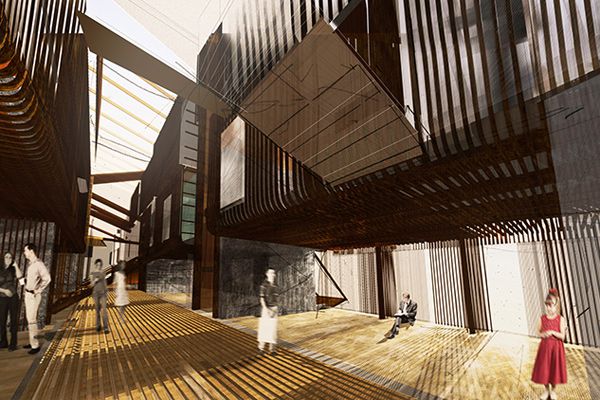
The weekend will be not just a celebration of the Victoria University School of Architecture, but also a celebration of design, the last effects of great architecture, and how buildings shape the cultural landscape.
Victoria University School of Architecture
victoria.ac.nz/architecture


INDESIGN is on instagram
Follow @indesignlive
A searchable and comprehensive guide for specifying leading products and their suppliers
Keep up to date with the latest and greatest from our industry BFF's!
The internet never sleeps! Here's the stuff you might have missed