Rob Backhouse on HASSELL
Published
By
jesse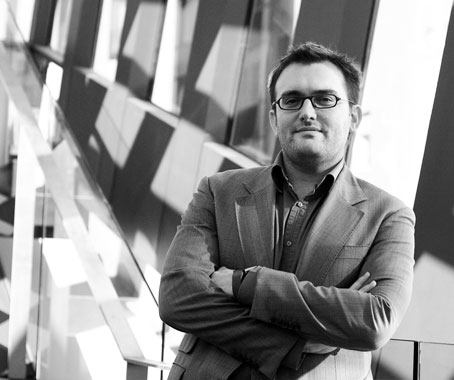
A diverse portfolio and a collaborative, flexible approach are seeing HASSELL go from strength to strength, Managing Director Robert Backhouse tells Ola Bednarczuk.
How did the GFC affect HASSELL as a business? How did the company fare, and how did it emerge so successfully?
We felt the impact of the GFC significantly across all our studios but most profoundly in Melbourne and Sydney. In 2009 we saw a 15% drop in revenue and as a result went through the painful process of reducing our headcount by 18%.
On the positive side, I think it helped enormously that our practice is built on a very diverse approach to integrated design involving architecture, interior design, landscape architecture, planning and urban design, across multiple sectors within both the public and private spheres.
I also attribute a great deal of our continuing success to the creativity of our people and the collaborative, flexible approach that underpins our culture.
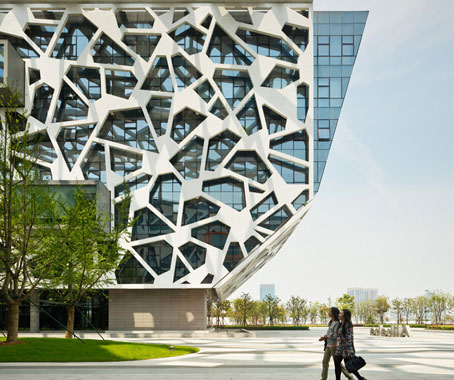
Alibaba Headquarters, Hangzhou, China
Judging by the recent appointment of several new principals (Craig Guthrie, John Miller, Mary Papaioannou), the company is going from strength to strength. What will these new appointments bring to the company?
While the market is still unpredictable, we are optimistic and have a positive outlook, as well as a stable pipeline of work. We’ve taken this opportunity to complement our existing skills and talent with a number of new appointments in Asia and Australia – a few of whom you’ve mentioned and others who will soon join the practice.
We’ve sourced talented design professionals from international markets to continue to enhance our design reputation and open the door to more opportunities on the most exciting projects in the regions where we work.
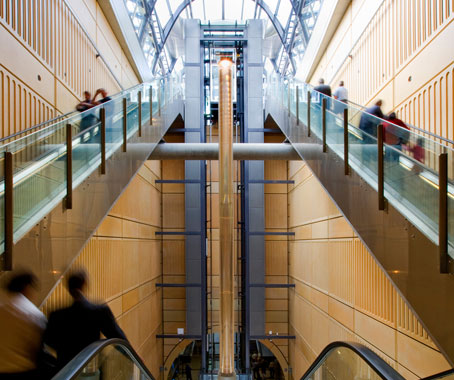
Epping to Chatswood Rail Link, Sydney
What’s in store for HASSELL in 2011 – will there be more international expansion? Will the scope of projects be different?
We expect to see the practice continue to grow in China and South East Asia where we are currently focusing a lot of attention. In China we’ve recently relocated to new studios in Beijing and Shanghai. Shanghai is now our largest studio space actually with a team of around 130 today and room to grow.
In addition to our existing studio in Bangkok, we’ve opened a new studio in Singapore to take a more regional approach to South East Asia. The second half of this year will see further international expansion.
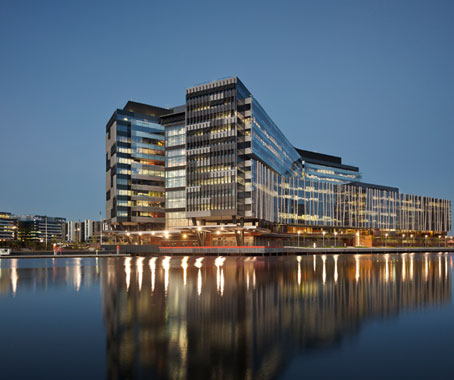
ANZ Centre, Docklands, Melbourne
HASSELL was recently named #1 architecture practice in Australasia for the second time running – what is the secret to the company’s success, and what could other companies learn from the way HASSELL operates?
Our objective has never been to be the largest design practice in Australasia – we’re always striving to be known for great design work that meets and exceeds the expectations of our clients. I think the secret of our success is based around the limitless opportunities within HASSELL for our people to participate in and learn from diverse projects from the smallest design of a doorhandle to the design of whole cities.
We’re also very focused on our inclusive culture that allows our clients to enjoy and be part of the design process – and we’ve found that our collaborative approach tends to have a great impact on our design outcomes and ongoing relationships with clients.
HASSELL
hassell.com.au
Related Articles
Events
A rollicking good story with Richards Stanisich and Royal Oak Floors
Jonathan Richards and Kirsten Stanisich discussed practice, design process and the business of running a studio at a live audience event hosted by Royal Oak Floors in Sydney.
Events
Indesign x Wilkhahn: Melbourne, where are you working?
Our latest collaboration saw a range of designers come together at Wilkhahn’s Melbourne showroom for a discussion on the workplace dynamics specific to the Victorian capital.
Events
“A journey into a whole new material world”: Plant Life at the NGV
Curator Ewan McEoin tells us about the NGV’s new exhibition on plant-based materials as alternatives to plastics, synthetic materials and other non-renewable resources.
Ideas
Beyond the panel: What makes a design event worth attending?
Ahead of Saturday Indesign, architects reflect on why smaller gatherings, unexpected voices, candid discussion and meaningful follow-up can make meeting in person genuinely worthwhile.