The home of architecture and design in the Asia-Pacific
Get the latest design news direct to your inbox!

Get the latest design news direct to your inbox!
5 designers take on the Rebirth challenge, for an exhibition that will change the way you think about design.
July 27th, 2011
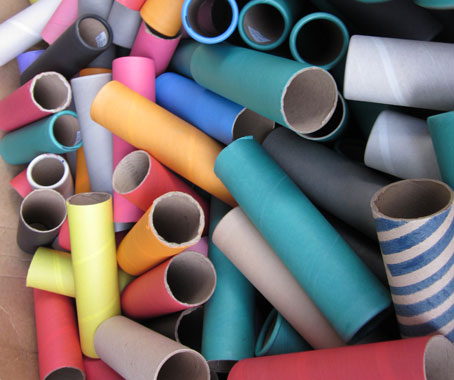
Each year, millions of waste products – including tonnes of carpet and other materials from our created environments – find their way into the earth as landfill.
These end products represent the problem of modern industry. Having used up the earth’s natural resources, not to mention the energy required for their production, they reach the end of their life cycle – discarded and useless.
What if we changed our way of thinking, taking inspiration from nature’s cyclical system where one’s waste becomes another’s food? What if we closed the loop and designed products so that they could be used over and over again?
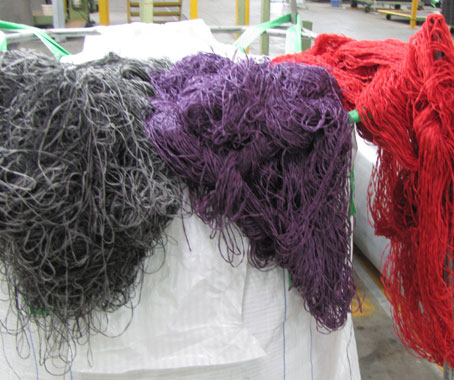
This is the challenge set by InterfaceFLOR as part of this year’s Saturday in Design.
Drawing upon the concept of upcycling, InterfaceFLOR are asking 5 designers to embrace Rebirth by using the post-industrial elements of carpet tile manufacture to create new and engaging spaces within the InterfaceFLOR showroom.
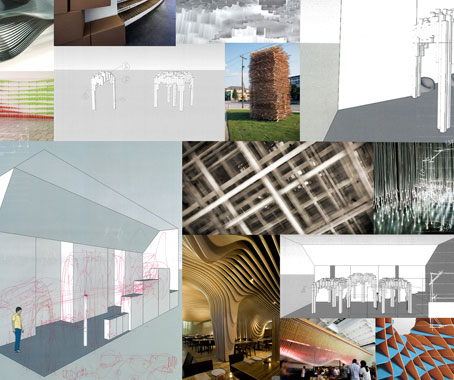
Concepts from futurespace
HASSELL, Geyer, futurespace, Cloth Fabric and Matt Woods will be turning the InterfaceFLOR showroom into an interactive space demonstrating the possibilities of upcycled products, and the importance of sustainable practices.
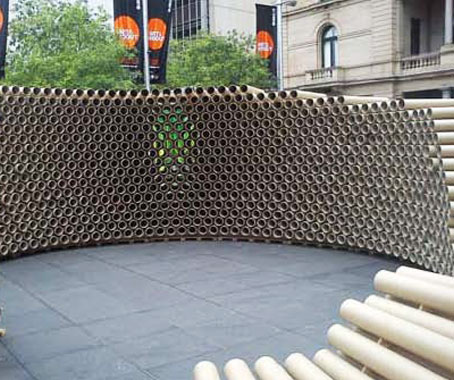
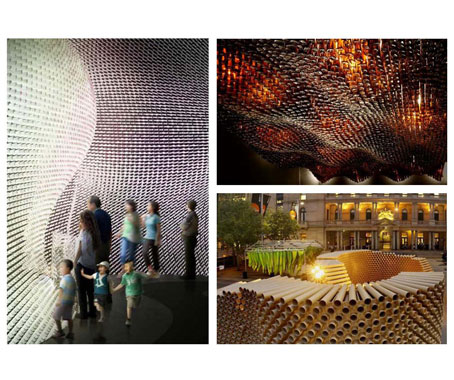
Concepts from HASSELL
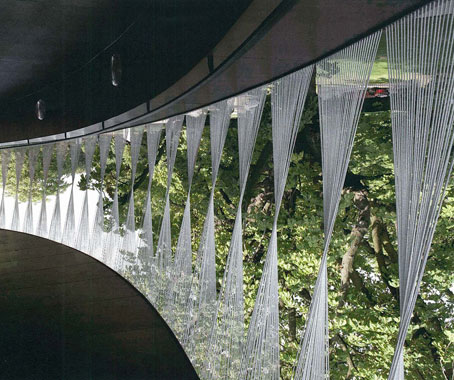
Concept from Geyer
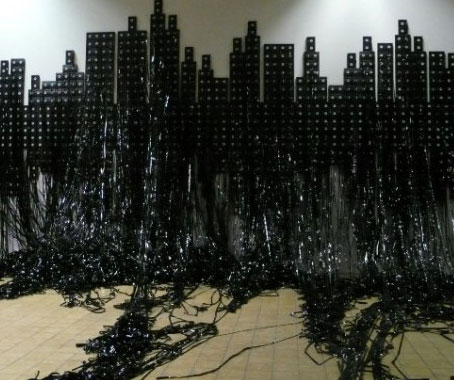
Mounir Fatmi, After Architecture – Geyer concept
The showroom will also feature live music performances, a bar and a café in an immersive experience that will be a feast for the senses.
Visit the website for more information, and come and discover the power of Rebirth with InterfaceFLOR during Saturday In Design.
Rebirth
rebirth.net.au
InterfaceFLOR
facebook.com/InterfaceFLORAustralia
INDESIGN is on instagram
Follow @indesignlive
A searchable and comprehensive guide for specifying leading products and their suppliers
Keep up to date with the latest and greatest from our industry BFF's!
The internet never sleeps! Here's the stuff you might have missed