The home of architecture and design in the Asia-Pacific
Get the latest design news direct to your inbox!

Get the latest design news direct to your inbox!
The revamp of the permanent galleries at the National Museum of Singapore by gsmprjct, FARM and Kingsmen Creatives Ltd redefines a museum visitor experience with a dynamic and immersive design. Olha Romaniuk writes.
December 3rd, 2015
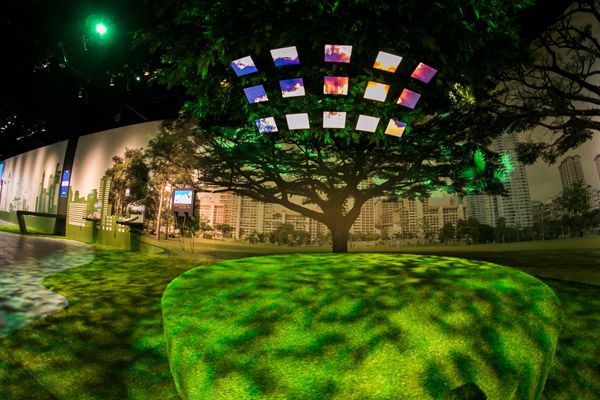
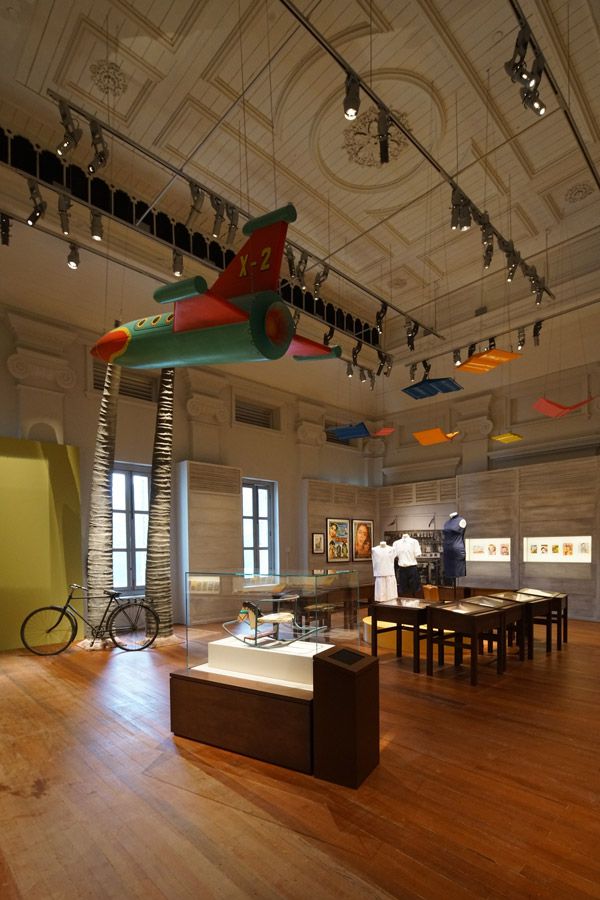
After a year-long facelift of its permanent galleries, the National Museum of Singapore has opened its doors to the renovated spaces that showcase Singapore’s history and national collection in new and immersive ways. Designed by gsmproject, FARM and Kingsmen Creatives Ltd, the exhibition presents a refreshed layout that guides visitors through sequences of experiences and reveals an updated narrative that utilises interactive elements to engage all of the visitors’ senses, transporting them into the featured time periods and settings.
“We’ve created a holistic storytelling experience through the thoughtful and deliberate use of space to highlight more than 1,700 artefacts on display,” explains Senior Assistant Director of the National Museum of Singapore, Jervais Choo. “This is complemented by the use of scene- and mood-setting imagery and visual anchors, accompanied by sounds and even scents to evoke a sense of time, place and circumstance for our visitors.”
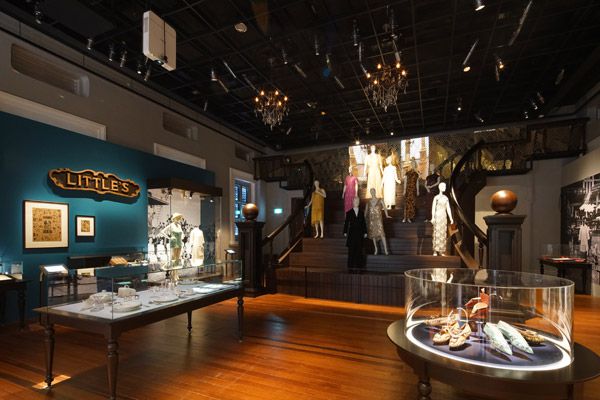
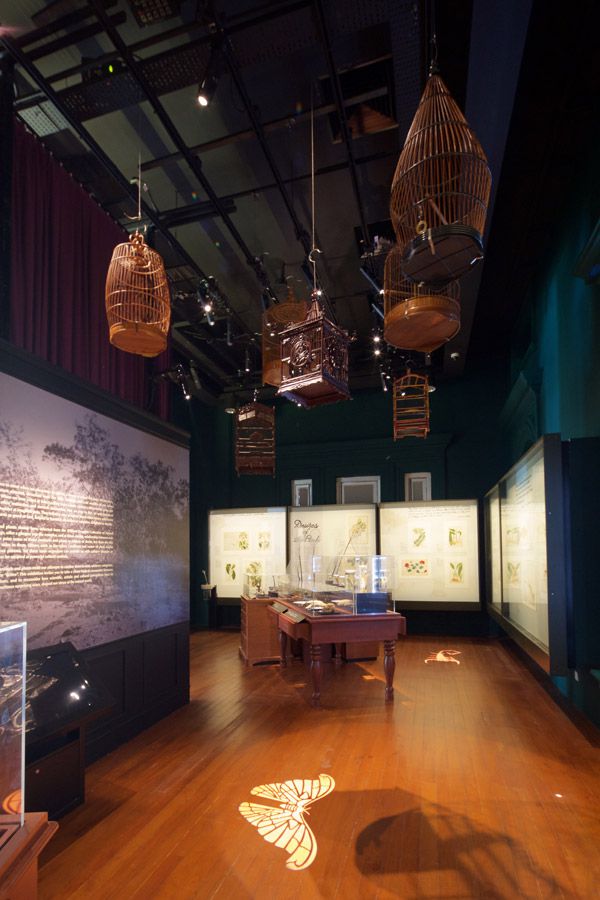
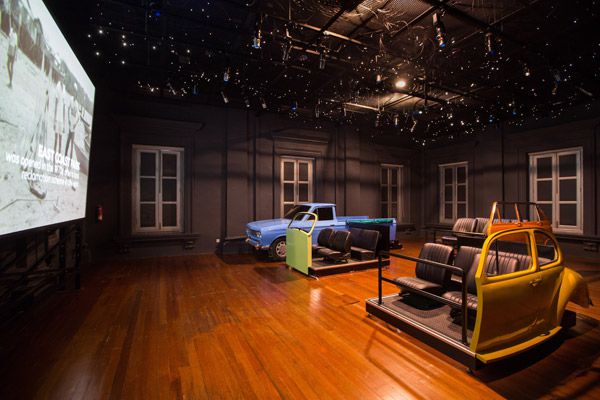
Divided into distinct sections spread over two levels of the museum, the Singapore History Gallery, Life in Singapore: The Past 100 Years galleries and the Goh Seng Choo Gallery focus on different aspects of Singapore life during various defining decades of the country’s history and feature immersive displays that vie for the attention of visitors. “A key design parameter is how we can better connect not just at a cognitive level, but also at an emotive level with our visitors,” iterates Choo. “We have been careful to draw out aspects that define the period of history being presented; sometimes literally, at other times through more subtle hints and elements in the design, with a good attention to detail.”
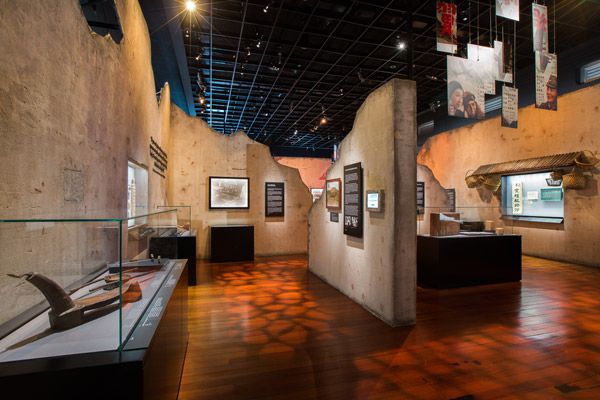
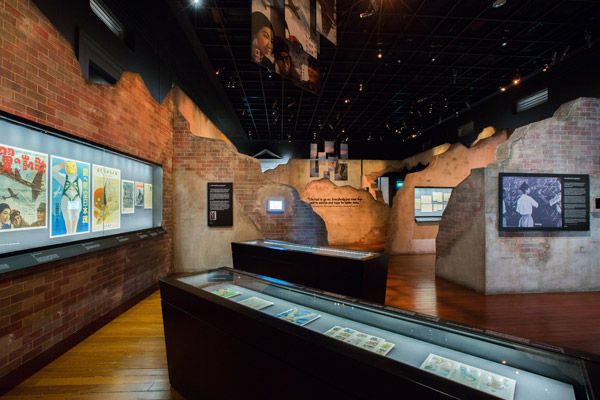
For each of the galleries, the gsmprjct/FARM/Kingsmen Creatives Ltd design team used thematic elements, textures and colours to convert the museum spaces into unique environments that are deemed to be distinctly Singaporean. Some more literal expressive design elements involved transforming the entrance to the Modern Colony gallery into a veranda of an old black and white pre-colonial bungalow, complete with a slow-moving, creaking ceiling fan and a display of newspapers from that time period. In the Surviving Syonan gallery, the design team transformed the space into a war-torn building, allowing visitors to navigate around crumbling walls to discover the gallery’s content.
As one of the challenges of the exhibition design was the ever-decreasing attention span of the museum-going audiences, the design team faced the task of making the exhibits less static and more interactive. The solution called for an integration of multimedia platforms, interactive stations, ambient sounds and even smells to provide a less typical museum experience and engage visitors in the stories on a personal level. Thus, in the History Gallery’s Global City section, the design team had set up an interactive map for visitors to share their stories and personal recollections. In the Growing Up gallery, the team used a zoetrope to tell a story of Singapore’s first three female Olympians. For an additional level of sensory immersion, leading fragrance developer Givaudan created signature scents for the Singapore History Gallery and Life in Singapore: Modern Colony Gallery.
To give the exhibits an additional aspect of relatability and to make a traditional museum experience feel more like a personalised journey through time, the design team integrated personal accounts and family heirlooms that hold special value in the eyes of the institutions or individuals who have donated or loaned the items to the National Museum of Singapore into the exhibition. “Behind each artefact lies a story to be told, and through various presentation methods, that narrative is brought to the fore. To hear the narrative through the voices of the protagonists themselves, whether through video recordings or oral history interviews lends a sense of authenticity to the account that immediately strikes at the heart of the visitor,” says Choo.
With an immersive approach to storytelling and an updated vision of what a museum experience should be, the revamp of the permanent galleries at the National Museum of Singapore delivers an engaging journey that manages to pull at the heart strings of those who lived through the formative years of the nation and also introduces younger and international audiences to the key events that shaped Singapore in personal and interactive ways. Choo shares this vision of the museum as it enters a new era by concluding: “We hope that visitors are able to feel connected to the exhibition narrative, and leave knowing that the story we are trying to tell is both real and relevant. Real, in that the exhibition hopes to encapsulate the many dreams and aspirations, as well as the trials and tribulations of the people who have come before us. Relevant, in that our visitors may realise how the past informs the present. In a rather strange way, if visitors leave with more questions than they came with, and find themselves wanting to find out more of our heritage and history, the exhibition would have fulfilled its aim.”
Photos: © National Museum of Singapore. This article originally appeared on IndesignLive Singapore.
Gsmproject
gsmprjct.com
FARM
farm.sg
Kingsmen Creatives Ltd
kingsmen-int.com
INDESIGN is on instagram
Follow @indesignlive
A searchable and comprehensive guide for specifying leading products and their suppliers
Keep up to date with the latest and greatest from our industry BFF's!
The internet never sleeps! Here's the stuff you might have missed