The home of architecture and design in the Asia-Pacific
Get the latest design news direct to your inbox!

Get the latest design news direct to your inbox!
Lexus’ exhibition at Salone del Mobile for 2016 followed a theme of anticipation – revealing a bright, and enchanting design future.
April 13th, 2016
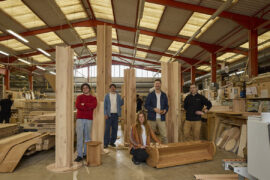
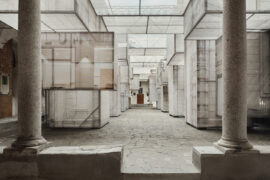
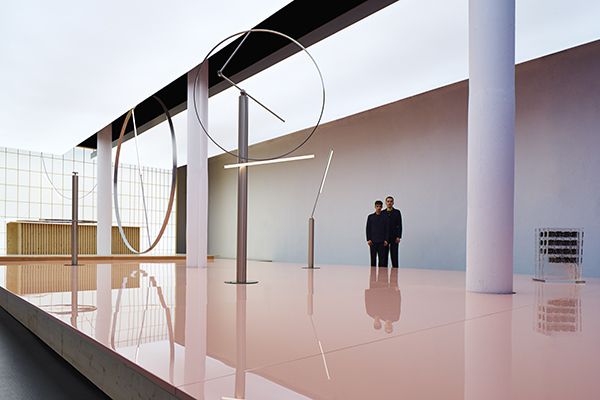
Lexus’ exhibition was designed by Andrea Trimarchi and Simone Farresin of FormaFantasma, and included a selection of fully formed prototypes from the 12 finalists of the Lexus Design Award.
Italian designers based in Amsterdam, FormaFantasma perceive their role as a bridge between craft, industry, object and user. They are interested in forging links between their research-based practice and wider design industry. The duo has worked with Established and Sons, as well as luxury fashion houses Fendi, Hermes and MaxMara/Sportmax. Their work has also been presented at MoMA and the Metropolitan Museum in New York, and at the Victoria and Albert Museum in London.
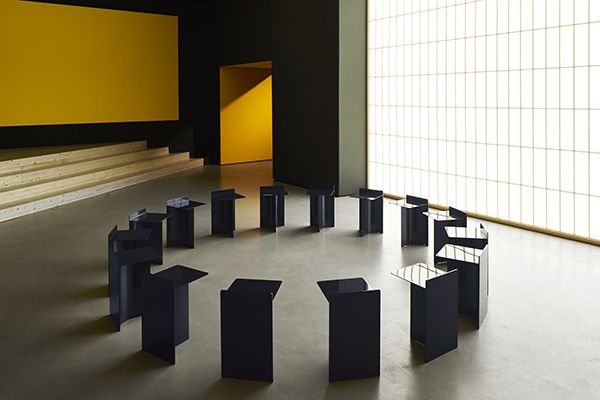
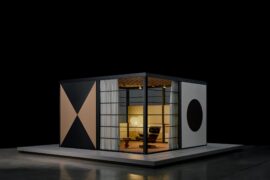
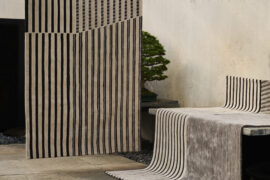
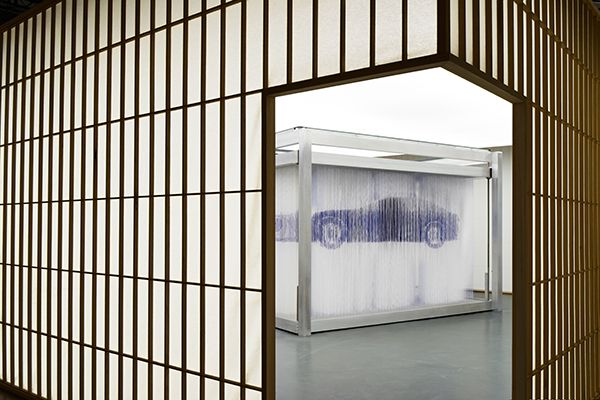
For Lexus, FormaFantasma has conveyed a future focused, forward thinking vision through subtle nuances of colour, light and form. From a garden entryway, two dramatic portals lead inwards. Transulecent walls and paper doorways inspired by Japanese shoji appear throughout the exhibition space, allowing light and shadows to shine through.
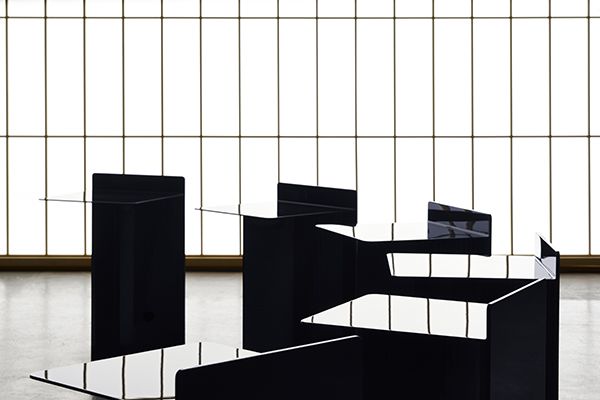
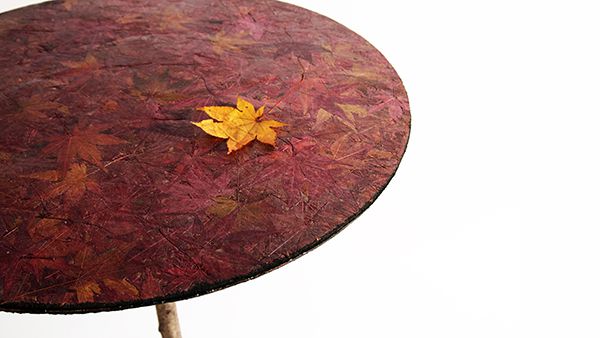
The exhibition is divided into three distinct areas, with the first area featuring finalist’s prototypes. Winning designs include a conceptual, modular garments, tables made with fallen leaves, a plantar that changes colour when it needs to be watered, and TRACE, a clock that uses liquid with UV rays and discolouration properties to allow us to visualise passing time.
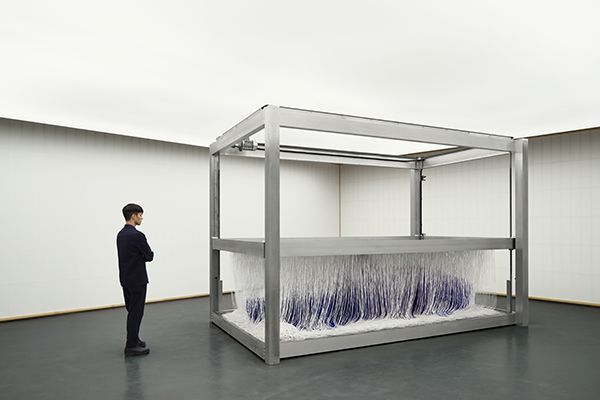
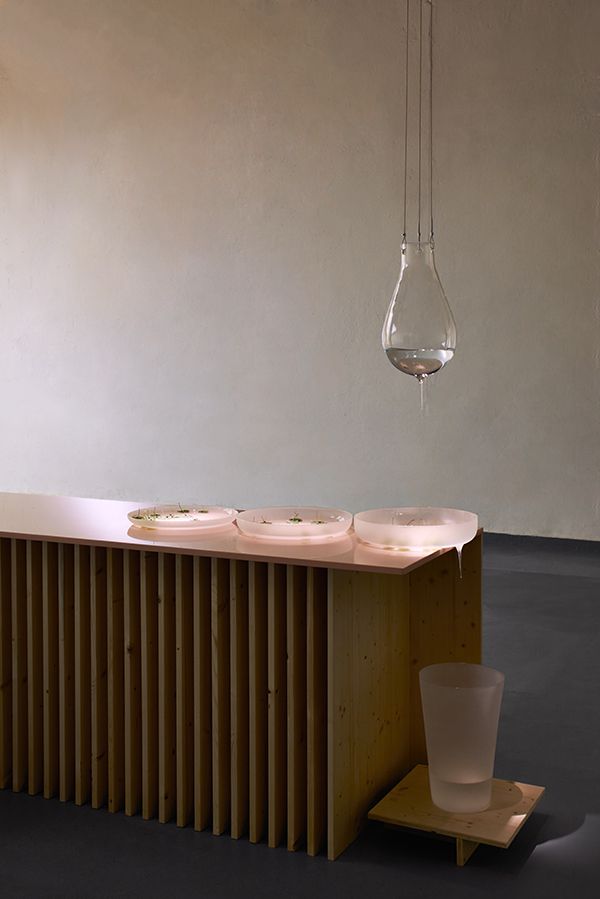
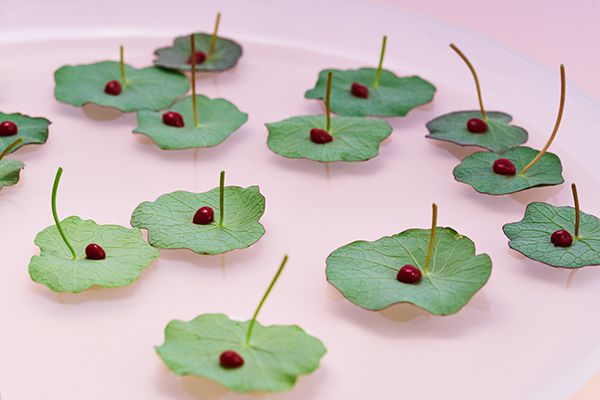
The second area features an three dimensional image of the futuristic Lexus LF-LC blue concept car. In the third area, Lexus has enlisted Michelin starred chef Yoji Tokuyoshi to create an utterly unique taste experience inspired by clear water and clean technology.
Lexus
lexus-int.com
INDESIGN is on instagram
Follow @indesignlive
A searchable and comprehensive guide for specifying leading products and their suppliers
Keep up to date with the latest and greatest from our industry BFF's!
The internet never sleeps! Here's the stuff you might have missed