The home of architecture and design in the Asia-Pacific
Get the latest design news direct to your inbox!

Get the latest design news direct to your inbox!
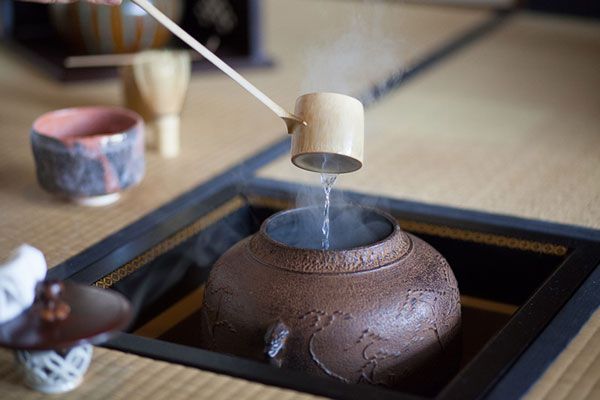
The tea ceremony is an important part of Japanese culture; it is one of the many traditional disciplines that the Japanese practise and it can take several years to perfect this art. Known as “chado” (translated as the ‘way of the tea’) the tea ceremony is not just about drinking tea – it is a meditative and thoughtful experience.
January 21st, 2015
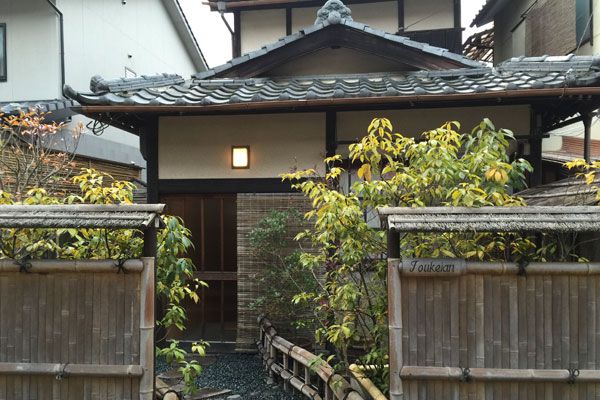
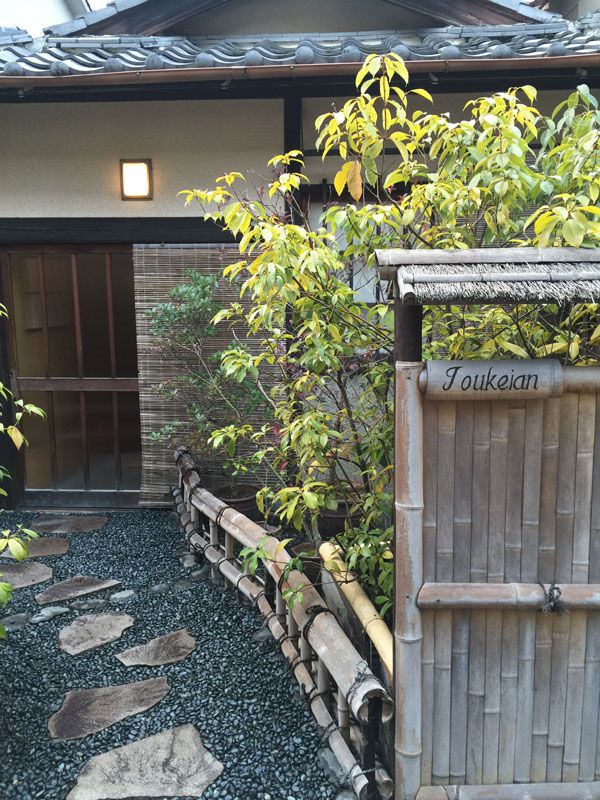
We visited the Joukeian tea house in Kyoto where the beautiful Soukou Matsumoto hosted us. It was important that we arrive on time, but not early, as the entry is sprinkled with water in preparation for our visit. The tea house itself is designed around the procedure of the ceremony and there is an entry with different surfaces for different footwear; stone for street shoes, timber for street socks, tatami for indoor socks.
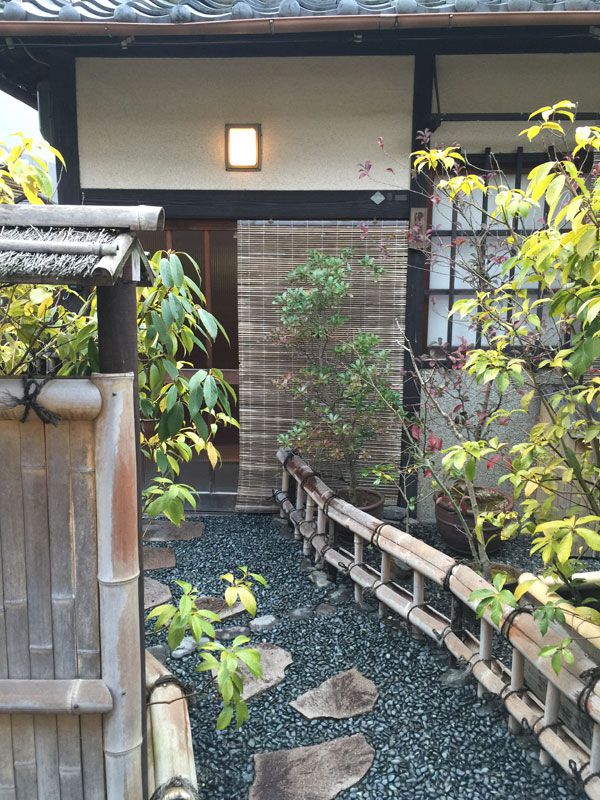
We are greeted and left in a reception area for a few minutes whilst our host finishes her preparations. We are then escorted down a long screened hallway and into the tea room overlooking a traditional tea garden. The tea ceremony usually occurs in two parts – the first part is about preparing the coals for the iron teapot and heating the water. The second part, which we participate in, is about the preparation and drinking of the tea.
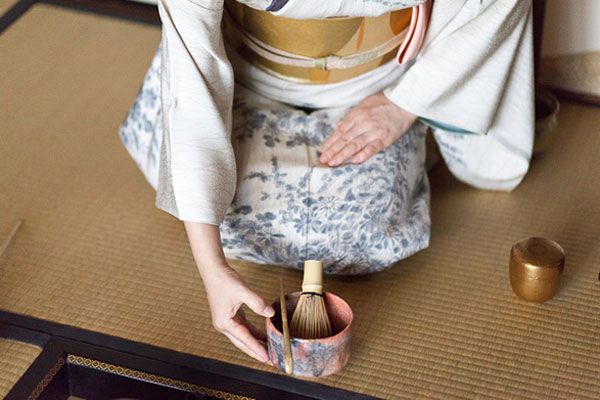
Depending on the time of year or national celebration, a variety tea is used. The ritual itself also changes according to the season. We are served sweets on paper first; this is to counteract the bitterness of the tea. And rather than add water to leaves, the tea is in powdered form and added to the water. The water and tea are mixed in a very precise order and manner, and the only way I could think of to describe the flavour was that it was ‘soft’. It is winter in Japan at the moment, and perhaps the ‘softness’ of the tea is to contrast with the harshness of the cold weather.
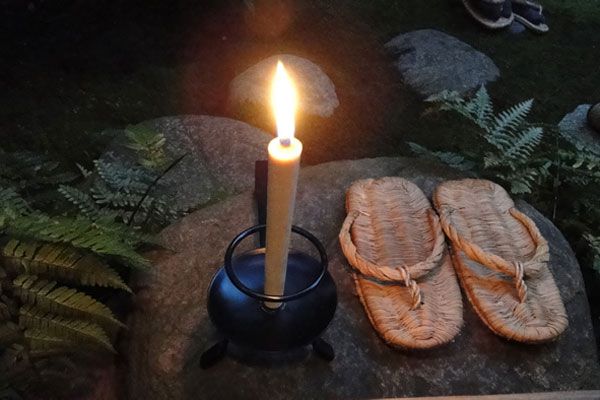
Each movement and action during this ceremony is definite and must be performed exactly the same way every time, the way it has been since the 9th century. Being in Kyoto, one of the most traditional parts of Japan, kneeling on tatami mats and overlooking Soukou Matsumoto’s exquisite tea garden, we can’t help but be transported back to a time when life was much simpler and much slower.
To follow Angela and Stephen’s journey through Japan go to instagram @futurespacedesign @indesignlive and look out for the hashtags #futurespacetravels #indesigntravels
JOUKEIAN
joukeian.gotohp.jp
INDESIGN is on instagram
Follow @indesignlive
A searchable and comprehensive guide for specifying leading products and their suppliers
Keep up to date with the latest and greatest from our industry BFF's!
Showcasing a stellar range of Australian furniture, lighting and product design conceived by emerging young designers, this year Workshopped focuses on the work of designers that are “creating the future, inspiring, enhancing and making a difference”.
I Salone Furniture Fair Milan starts today, taking over the Italian city until the 21st of April. indesignlive.com are reporting daily with the latest from the ground at the fair. To contact the editor with Milan news and highlights – or to submit images from the fair for our gallery please email.
The internet never sleeps! Here's the stuff you might have missed