The home of architecture and design in the Asia-Pacific
Get the latest design news direct to your inbox!

Get the latest design news direct to your inbox!
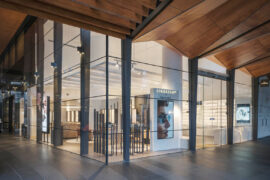
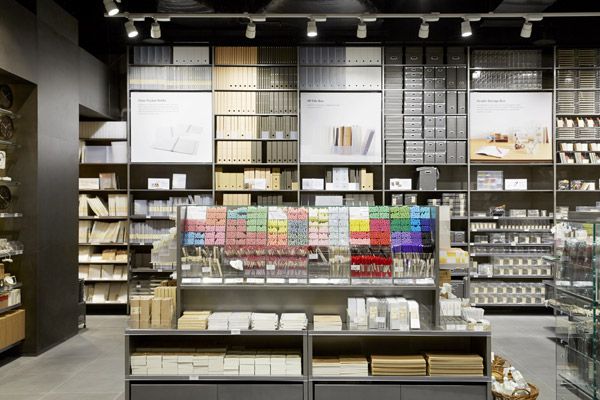
Famed Japanese stationary, homewares and apparel house, MUJI, are expanding their Australian empire to Sydney, following the immense success of their two initial Melbourne stores.
April 13th, 2015
Having garnered a rapidly growing cult status all around the world, MUJI set its sights on the Australian market just two years ago – chosen for its “vast land and comparatively small population” – and are now about to launch store number three. “Our first Sydney store will be the biggest yet,” explains MUJI Australia’s managing director, Hisashi Takeyama. “We will have plenty of space to showcase and express the wonderful world of MUJI.”
The success of the MUJI brand can be attributed to many things: the quality of its products, the minimalist aesthetic, its 30-year traditions and history, but more than anything the celebrity of MUJI comes down to their proven approach to market penetration.
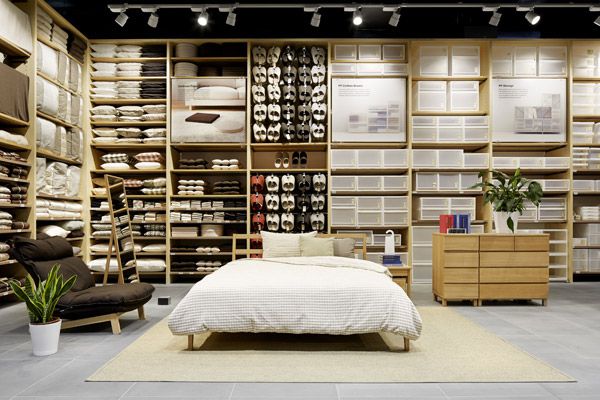
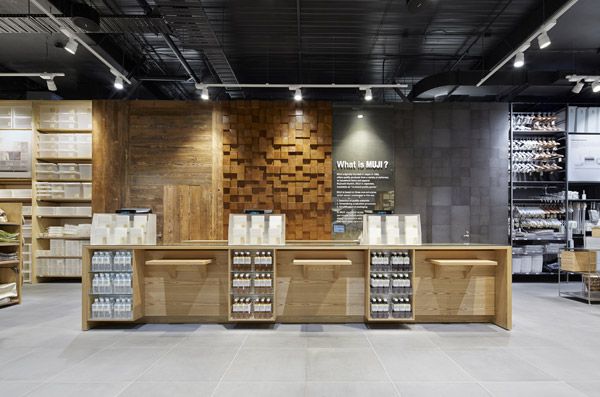
Where others might immediately try and blend with the local context, MUJI very cleverly follows a carefully branded template to begin with, so that the brand values are properly established from the start. From here, MUJI allows the regional flavour to develop and augment the brand organically over time.
Takeyama explains: “Of course, one of our goals is localisation in each country. We’re planning for MUJI to be customised here in the future too. But MUJI’s philosophy is the same anywhere in the world and we believe it’s important for customers to understand MUJI first before we modify that image. Therefore we use the same platform globally. After studying and sharing our philosophy, we’ll proceed to the next stage; to further develop MUJI in Australia for the Australian people. We don’t think of MUJI as just a Japanese brand. MUJI was born in Japan over 30 years ago, but we believe our philosophy needs to be shared and developed all over the world.”
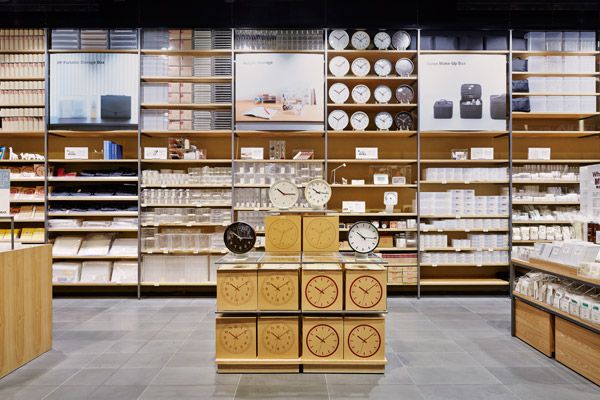
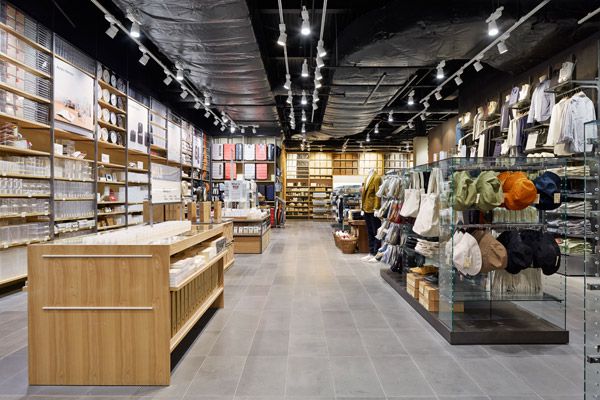
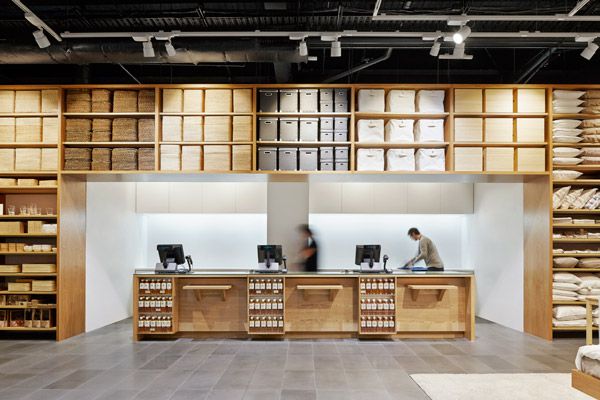
In addition, MUJI’s success is predicated on their emphasis of a strong in-store experience, believing that “in-store is the most important place for MUJI, because we can effectively communicate to our customers face-to-face,” says Takeyama. “This means our biggest promotion platform and communicative tool is in-store. We plan to further develop MUJI through our conversations with our customers. And further in the future, we also hope to hold events and activities to contribute to Australian society.”
MUJI Sydney is set to launch May 14th 2015.
INDESIGN is on instagram
Follow @indesignlive
A searchable and comprehensive guide for specifying leading products and their suppliers
Keep up to date with the latest and greatest from our industry BFF's!
The internet never sleeps! Here's the stuff you might have missed