The home of architecture and design in the Asia-Pacific
Get the latest design news direct to your inbox!

Get the latest design news direct to your inbox!
With roots in Germany, Zeitraum combine a rich knowledge of local timbers with expert workmanship to produce furniture that is both beautiful and durable.
July 23rd, 2014
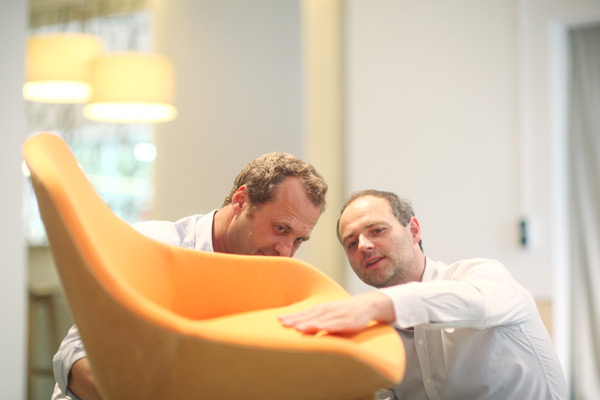
For Zeitraum, working with solid wood is an art. Fostering a knowledge and love of the material, Zeitraum pride themselves on being able to identify the unique potential of each individual cut.
“It [timber] is honest and full of character when treated correctly and with respect for its strengths and weaknesses,” the brand explains. “That‘s why we let its character come to the surface instead of hiding it under a layer of varnish.”
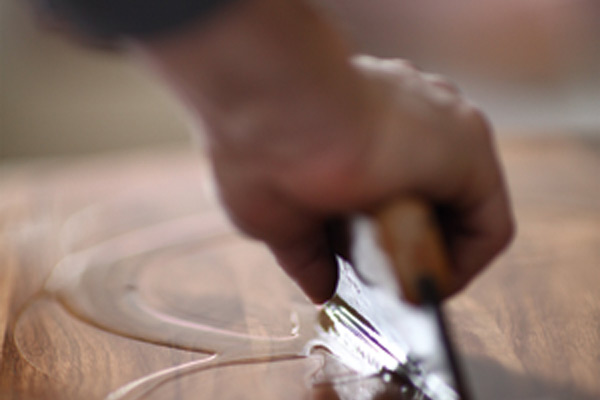
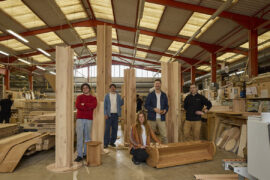
Zeitraum’s sustainable design approach is a result of over twenty years experience. Founded in Wolfratshausen near Munich in the year 1990, ZEITRAUM was the first manufacturer in the premium furniture sector to emphasise the combination of ecology and design.
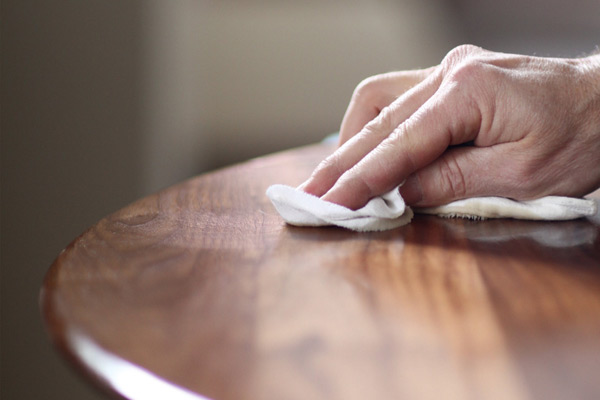
Today, Zeitraum works with hardwoods from sustainable German and American forestry, and forego chemically treating the wood. Native Oak and American Walnut make up the majority of timber used, which other regional woods such as ash, maple and beech.
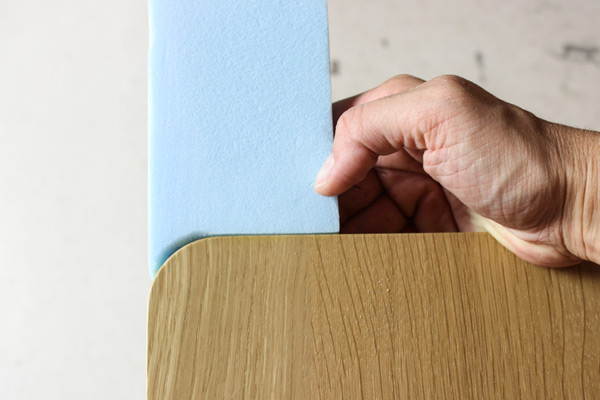
In addition to a personal approach to the materials, Zeitraum place a strong emphasis on the craftsmanship of their products. According to the brand: “Craftsmen teach us about the essence of our material,” Zeitraum explains. “We as the designers and manufacturers then take this knowledge and the use of computer-based technologies to travel new paths towards awareness of social change, taking current environmental and social aspects into account: diversity rather than standardisation, conservation of resources instead of waste, identification rather than mainstream, in short quality instead of quantity.”
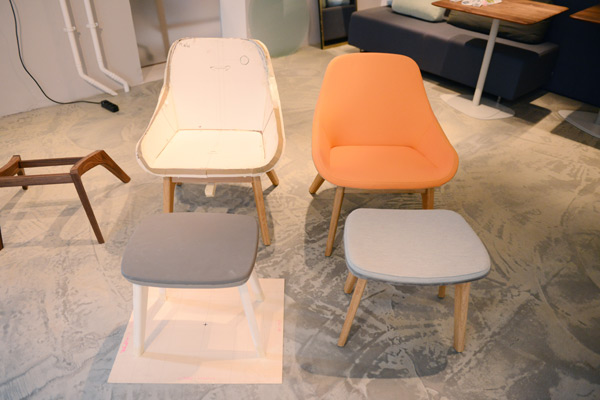
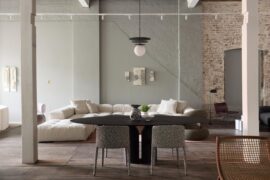
Zeitraum ‘Morph’ Lounge and Chairs
Zeitraum’s Morph Chairs are the embodiment of this personal design approach, resulting in furniture that is carefully considered in terms of its form and function. The organic, light appearance of the fabric blends seamlessly with a slight, yet solid wooden base.
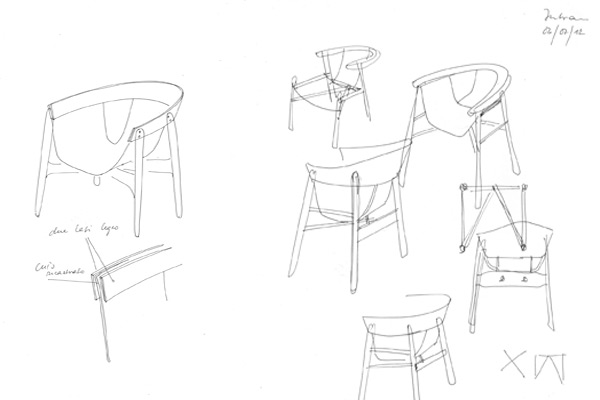
Looking to the future, Zeitraum will continue to produce quality furniture, with the philosophy that plain and simple is precious, and each piece of furniture should always be unique – right down to the grain.
Zeitraum
zeitraum-moebel.de
Cafe Culture Insitu
cafecultureinsitu.com.au
INDESIGN is on instagram
Follow @indesignlive
A searchable and comprehensive guide for specifying leading products and their suppliers
Keep up to date with the latest and greatest from our industry BFF's!
The internet never sleeps! Here's the stuff you might have missed