The home of architecture and design in the Asia-Pacific
Get the latest design news direct to your inbox!

Get the latest design news direct to your inbox!
What is A+D’s role in our emotional wellbeing? To create buildings that lift and inspire us on a daily basis through colour, light and form.

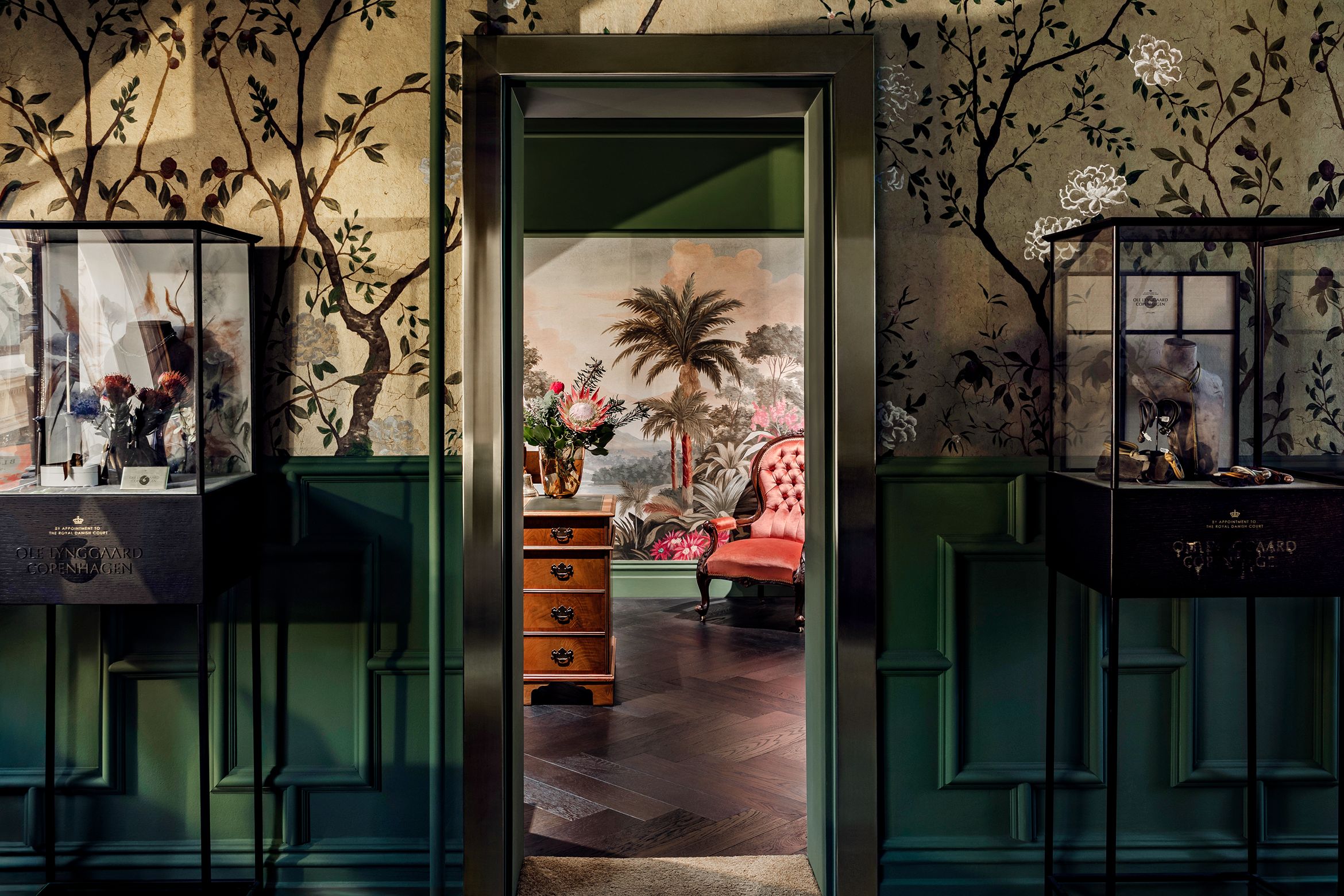
Photography: Sophia Baboolal
I recently interviewed a couple, both of whom work in high-powered finance jobs, who used ‘a cloud’ as inspiration for the redesign of their master bedroom.
It sounds a bit whimsical for people in such a serious profession but then this was exactly why they wanted to create a space that emanates calm. They removed the low ceiling to expose a high-pitched roof and shrouded this, along with the walls, fireplace and wooden floorboards, in fresh white paint. A white textured rug and matching bed linen completed the effect and both agree it’s now their favourite room as it’s so serene and takes them away from their stressful daily lives.
Not only is this emblematic of the times in which we find ourselves, more frazzled than ever and seeking tranquillity from our surrounds, but it demonstrates (albeit on a micro level) how buildings and the spaces within can have sway on our psychological wellbeing. In the past decade, more and more research has been conducted on the way aesthetics affect how we make decisions and feel about ourselves, and fields such as ‘embodied cognition’, which explores the role the physical world plays in developing cognition, have surfaced in research institutes across the globe.
It’s widely agreed, for example, that light, airy spaces can lift a person’s mood better than those that are dark and dingy. Or that lack of clutter, for many, will instil in them a sense of calm. The Architecture of Happiness by Alain de Botton draws upon the juxtaposition of London’s Westminster Cathedral with a nearby McDonalds. He points out that walking into the McDonalds you immediately feel more anxious and hurried due to the harsh lighting, colours and hard plastic furniture, compared with walking into the cathedral where you instantly feel solemnity and reverence. In Westminster you whisper, you walk slowly and you certainly wouldn’t jostle with friends. However, both spaces contain the same core architectural elements: doors, windows, ceilings and furniture on which to sit.
Indeed, even furniture can have an impact on our emotional wellbeing and state of mind. Take the new brand ‘Nau’ by Cult – a contemporary range of furniture and lighting by some of Australia’s most talented designers. By drawing on our country’s unique natural landscape, both for inspiration and production, Nau’s product offering is subliminally calming. Not just through its raw textures and beauty but also its simple, elegant forms and rustic palette.
The ‘Fat Tulip’ by Adam Goodrum is characterised by soothing dusky pinks and stone greys with a no-fuss, curvaceous shape that, in its lack of embellishment, exudes simplicity, elegance and serenity. Plump and inviting seats are made with engineered foam and sit firmly on low-profile timber legs. Cult describes it as a ‘future classic’ and they could well be right!
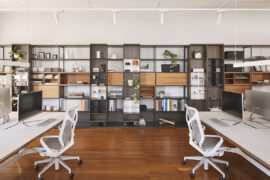
Adam Cornish’s ‘Frame’, meanwhile, is a modular shelving system and – named after its pared-back geometric language – is infinitely more stylish than your traditional filing cabinet. Its natural timber shelving elements form tactile planes to house books and objects while its non-utilitarian aesthetic brings a more laid-back, Danish-cool vibe to the office and home.
Cult is a company with a strong understanding of how furniture and architecture can influence not just the feel of the room but the people within it. To this end, we are delighted that they are sponsoring the all-important ‘Building Award’ at INDE 2017.
The influence of a building on our collective emotional state cannot be under estimated. Although De Botton points out in his aforementioned book that “there will be times when the most congenial of locations will be unable to dislodge our sadness or misanthropy”, he also says “an ugly room can coagulate any loose suspicions as to the incompleteness of life while a sunlit one set with honey-coloured limestone tiles can lend support to whatever is hopeful within us. Belief in the significance of architecture is premised on the notion that we are, for better and for worse, different people in different places – and on the conviction that it is architecture’s task to render us vivid to who we might ideally be.”
INDESIGN is on instagram
Follow @indesignlive
A searchable and comprehensive guide for specifying leading products and their suppliers
Keep up to date with the latest and greatest from our industry BFF's!
The internet never sleeps! Here's the stuff you might have missed