The home of architecture and design in the Asia-Pacific
Get the latest design news direct to your inbox!

Get the latest design news direct to your inbox!
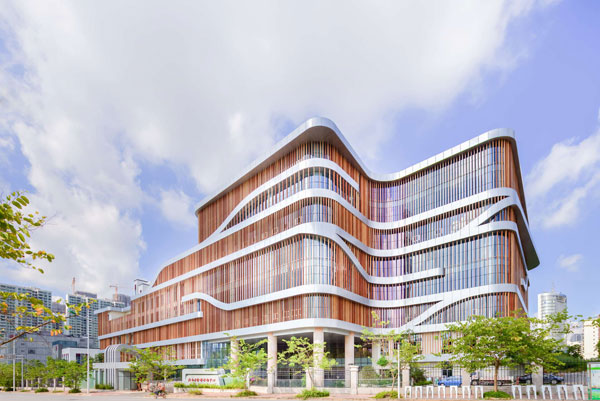
The Senior Care Centre of Guangxi, China, by Atelier Alter fosters a communal spirit through the memory of the cultural revolution.
April 16th, 2015
Images: Courtesy of Atelier Alter
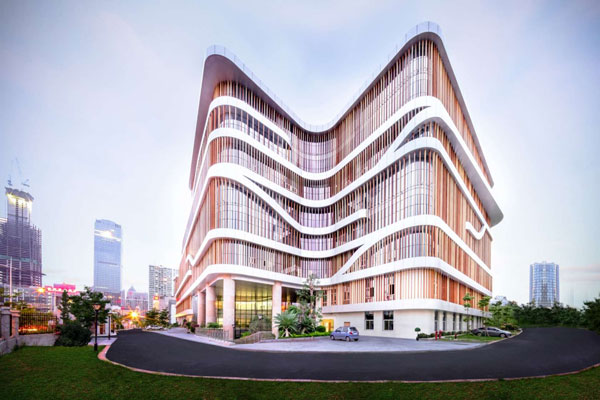
The 13-million-dollar Senior Centre of Guangxi by the Bureau of Retired Veteran Cadres has been designed to fulfill the needs of a generation that has spent a majority of their youth living through China’s cultural revolution.
Designed by New York and Beijing based inter-disciplinary practice, Atelier Alter, the architectural ideals of the centre is derived from a humanistic approach.
Won by the firm in 2010, the Senior Culture Centre was completed in 2014. Through the building, the firm aims to evoke a sense of belonging for elders and future generations to come by fostering a community spirit that remembers its past, with a place in modern society.
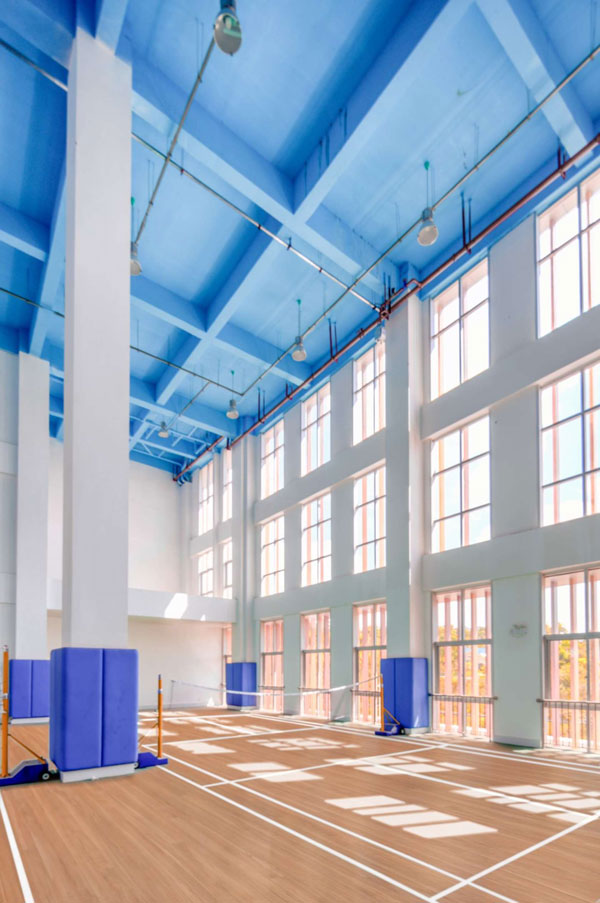
“Despite historic impacts, the ‘communal life’ created in the cultural revolution has always been the recollection of the time. The sense of belonging in the era of uncertainty offers a critic to the isolation and apathy of modernity,” explains Atelier Alter.
Farming is the theme of this said communal life within the 17,600 square feet premises, aligning to natural grounds being the central memory of the lost era. As a result, the space of resemblance is “constructed through the manipulation of ground.”
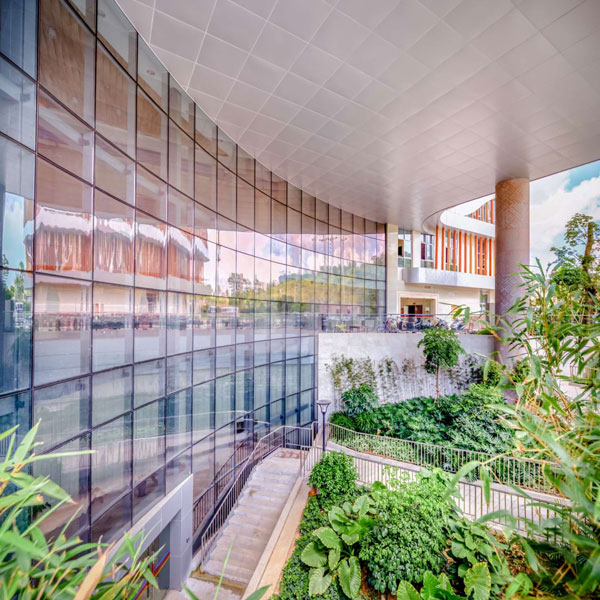
Reconciling the extremes in topography, a transition is created between the higher and lower points of the development through a series of shifting horizontal plates. Atelier Alter interpreted the topography as a “multi-level ground place,” where the underground leads on to the street level, and runs on vertically into the second storey.
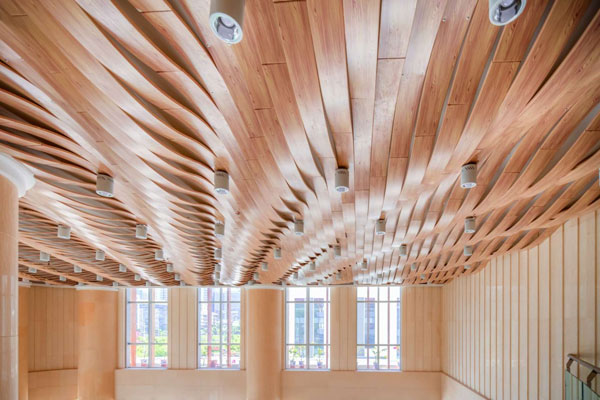
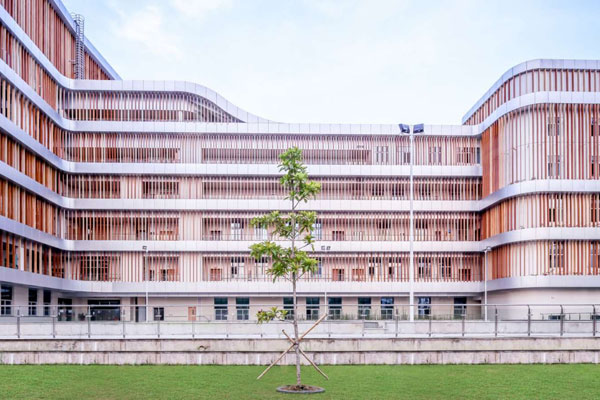
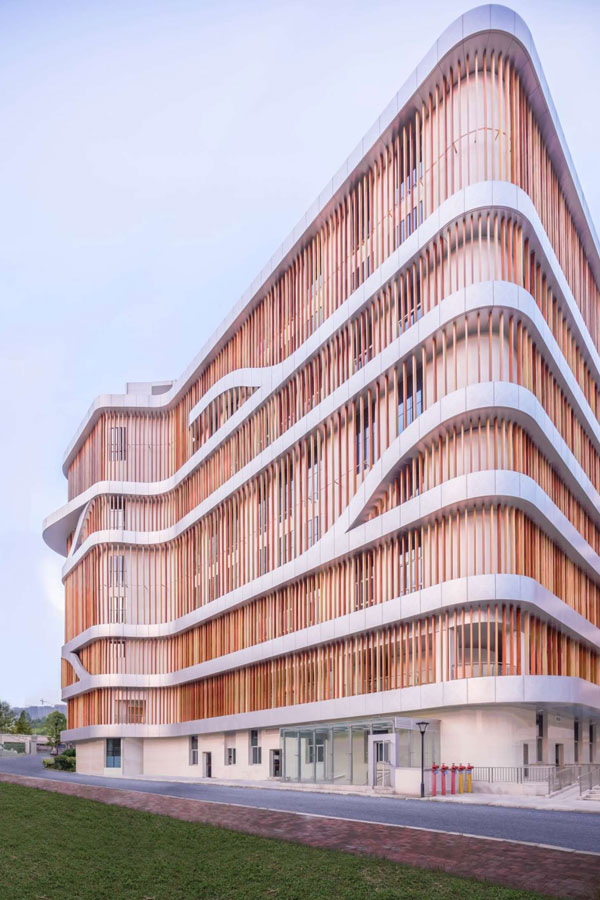
“As the ground plane keeps folding up, it forms the upper stories. We use a wood grain aluminum louver system to bring a drastic landscape to the interior, as a way to respond to the indigenous bamboo framing typology,” the designers explain.
Atelier Alter
atelieraltercn.com
INDESIGN is on instagram
Follow @indesignlive
A searchable and comprehensive guide for specifying leading products and their suppliers
Keep up to date with the latest and greatest from our industry BFF's!
The internet never sleeps! Here's the stuff you might have missed