The home of architecture and design in the Asia-Pacific
Get the latest design news direct to your inbox!

Get the latest design news direct to your inbox!
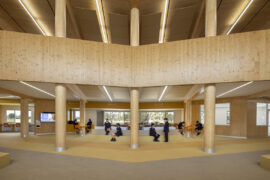
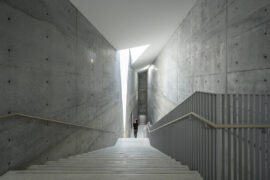
A strong sense of materiality and spatiality define the works of NODE (Nansha Original DEsign).
July 16th, 2015
Photographs courtesy of NODE
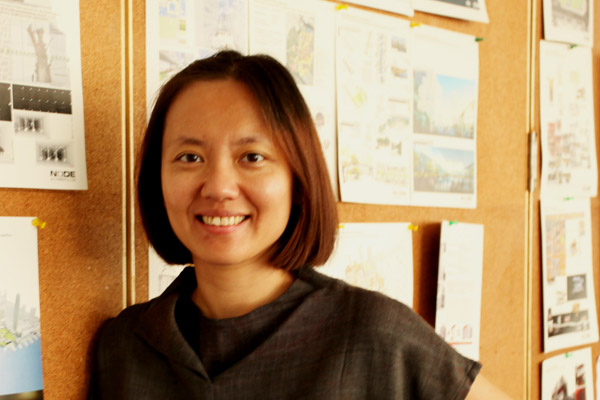
Born and raised in Guangzhou to military parents, Doreen Heng Liu studied at the Wuhan University of Science and Technology before attending UC Berkeley, where she received her Masters in Architecture. She worked in San Francisco for the likes of Mark Mack and Fitschen & Associates before returning to Hong Kong in 1994 to helm a series of projects associated with the Fok Foundation. Liu formally established Nansha Original DEsign (NODE) in 2004.
Projects in the pipeline include Liu Xian Dong, an underground office building topped by a roof garden, the latter – ironically – located on the ground floor. Liu is also one of four curators for the 2015 Bi-City Biennale of UrbanismArchitecture, which opens in Shenzhen on December 4.
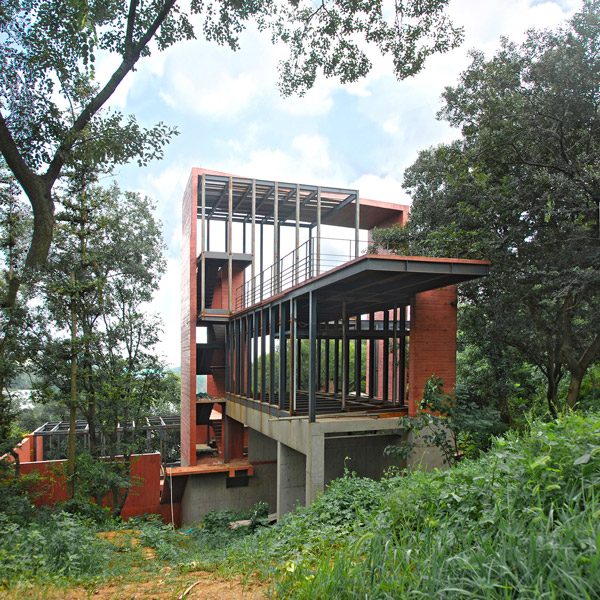
Artist House
Could you tell me about your upbringing? When and why did you want to become an architect?
I wasn’t exactly raised in a family of architects. Both my parents were in the military but my father was really interested in culture and history. My interests were varied. I liked everything from maths and physics to art and literature. I figured that architecture combined all of that. I was only 15 or 16 then.
Do you remember the first project you did for the Fok Foundation in Nansha?
It was a 10,000-square-metre Science Park in Nansha. It was quite a challenging project, especially since there were only three of us on the team but that boosted my confidence. It was then I knew that I wanted to become an architect for the rest of my life.
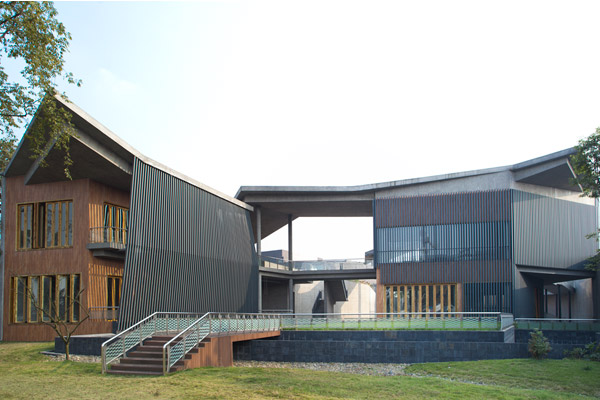
Drunk Hall
Who are your influences?
Stanley Saitowit, Bernard Maybeck and of course, my professor at UC Berkeley, Mark Mack. Their projects have this strong sense of materiality and spatiality to them. Materials are important as architecture isn’t merely some pretty object that you gawk at. It’s also about stimulating your other four senses, and that experience is created by the proper use of materials.
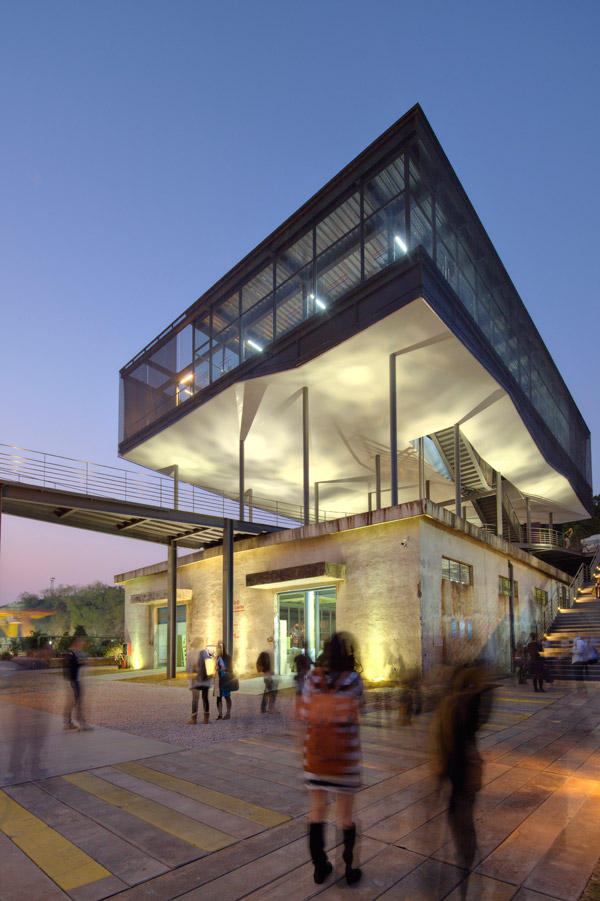
Fufa Glass Factory Floating Entrance
What about spatiality – how does it influence your work?
Good architects are able to manipulate the experience of space. One challenge facing architects is how to make a small space appear bigger, and how to make a huge, airy space appear more human.
Could you elaborate on the latter?
Take what we’ve done with the Guangdong Art Museum as an example. We want it to be a place where people can go and look at art as much as one that is part of the urban facade, where people can participate in it on a daily basis. To achieve that, the various facilities inside the building are connected by way of a public trajectory.
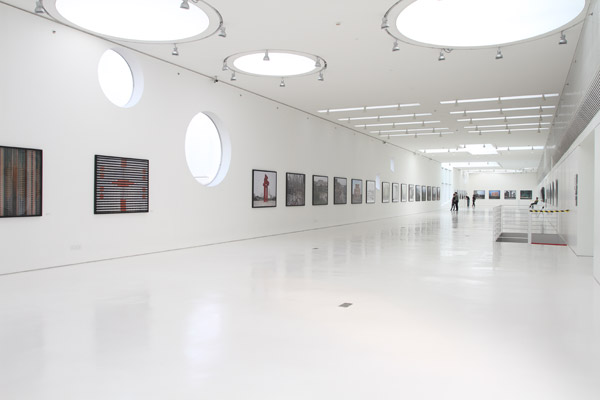
TIME Art Museum
Do you have a favourite material?
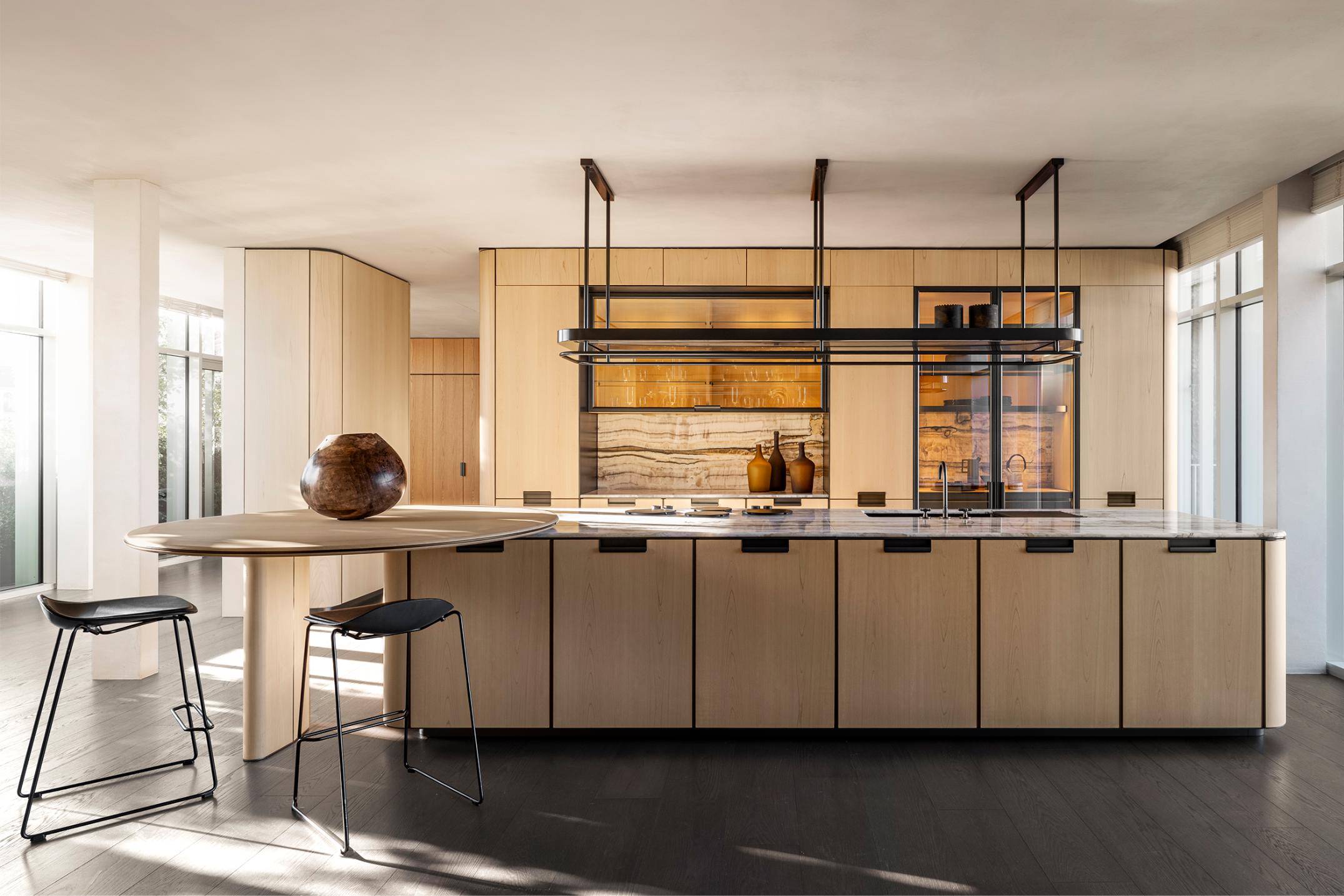
I wouldn’t say I prefer one material over the other, but I do like combining and contrasting different materials in unexpected ways, for example, melding wood with steel. I think that twist gives a sense of excitement.
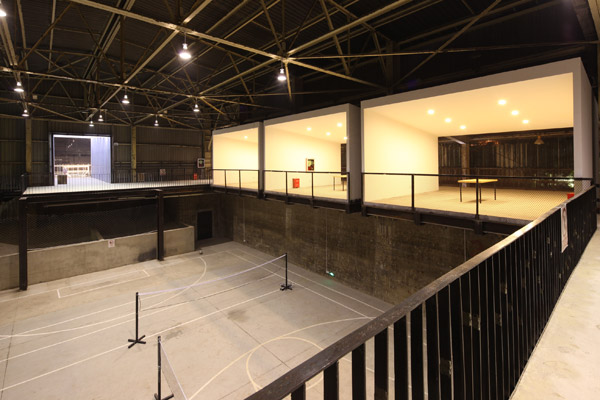
Fufa Glass Factory Warehouse
Are you welcoming the move away from the star architect phenomenon that seems to have taken the world by storm in the last decade?
The Chinese market is big enough to accommodate different types of architect. I think the main problem confronting the Chinese architectural scene is not whether a building appears outrageous or not, but whether production can keep up with design. Often times, architects are producing great designs, but the production we have now is not sophisticated to back them up, in turn leading to mediocre products.
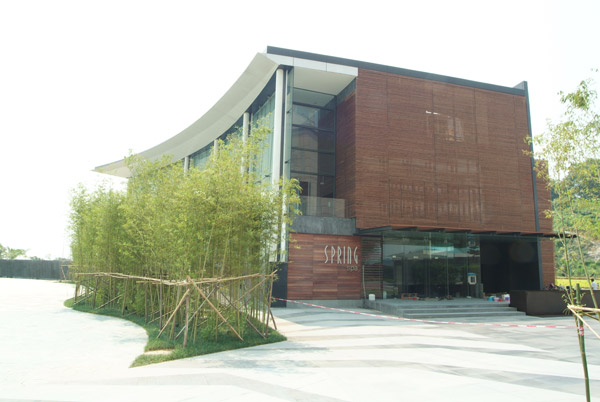
Nansha Health Center
Why do you think that is the case?
A lot of clients haven’t got an inkling as to what they want. They change their minds without extending the construction period. Nobody, including us, has found a solution to this problem.
NODE
nodeoffice.com
INDESIGN is on instagram
Follow @indesignlive
A searchable and comprehensive guide for specifying leading products and their suppliers
Keep up to date with the latest and greatest from our industry BFF's!
The internet never sleeps! Here's the stuff you might have missed