The home of architecture and design in the Asia-Pacific
Get the latest design news direct to your inbox!

Get the latest design news direct to your inbox!
Australia’s presence at the Venice Architecture Biennale takes a virtual turn in 2014.
July 22nd, 2013
With the temporary absence of an Australian Pavilion whilst the new Denton Corker Marshall design is under construction, the 2014 creative directors had to conceive a showcase that would embrace the lack of any conventional exhibition space.
Further, working to the theme devised by Dutch architect and Biennale director, Rem Koolhaas, the winning proposal was required to focus on historical importance as well as national identity.
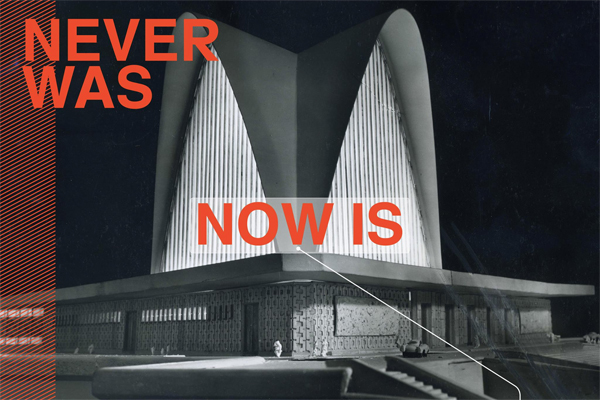
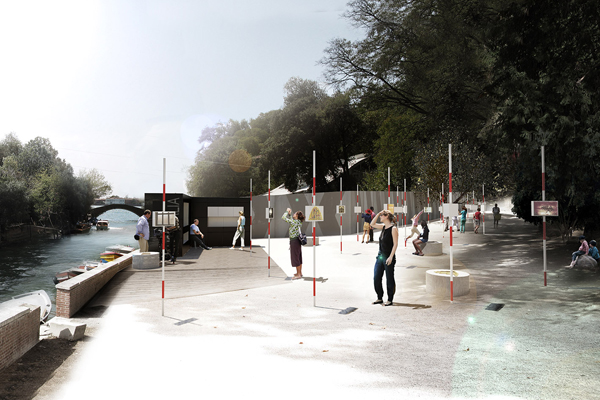
In Augmented Australia 1914-2014, felix, a creative team from Perth, Melbourne architectural historian Philip Goad, as well as Sophie Giles and Simon Anderson propose to resurrect 21 unsung projects. Architectural designs that for whatever reason, were never actually realised. Taking submissions from the public, 21 plans will be virtually constructed and through the use of hand held smart devices visitors will be able to immerse themselves in the ghosts of “unborn” buildings, at sites strategically allocated to each project.
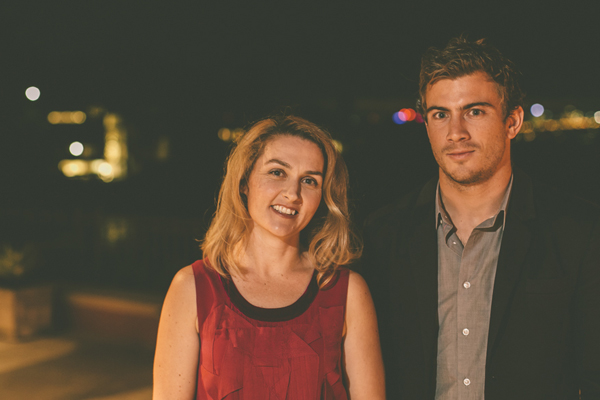
Sophie Giles and Matt Delroy-Carr from the Augmented Australia creative team.
“Visitors will be able to point their smart phone at the trigger images to open up a catalogue of virtual material allowing them to visualise, walk through and admire the scale and greatness of each project,’ explains co-director of felix, Rene Van Meeuwen.
“These lost projects provide a wealth of insight into architecture for an Australian setting from the past 100 years and are often more exciting than the end result.”

Guests experience the Augmented Australia concept.
The announcement of the exhibition and the winning concept took place in Sydney at the Point Piper home of Malcolm and Lucy Turnbull.
For a full album of images from the launch announcement, click here.
Australian Institute of Architects
Venice Biennale
INDESIGN is on instagram
Follow @indesignlive
A searchable and comprehensive guide for specifying leading products and their suppliers
Keep up to date with the latest and greatest from our industry BFF's!
The internet never sleeps! Here's the stuff you might have missed