LAUNCH PAD 2014 – ENTRIES NOW OPEN
Published

With Melbourne in Design peeking just over the horizon, Launch Pad has opened its call for entries. And, to celebrate 10 years of supporting emerging Australian design, we catch up with Launch Pad 2013 winner Edward Wong and finalist Seaton Mckeon to hear about their experiences in the competition.
“Competitions in my opinion are a good way to establish a brief for yourself, especially if you are planning on creating a product from scratch. This competition provided just the right platform to begin the process of design.” explains Wong, “Most of my projects that I embarked on did not reach the commercial stage, so this competition would be beneficial for me to gain insight into taking my designs and experience that extra step further.”
Wong entered Launch Pad 2013 with the Ella Table Light, a table lamp that uses reflectivity to alter the light’s brightness.

Ella Table Light
“I did not really think too far about the prospect of my entry.” reflects Wong, “I was just focussed on being able to produce and finish a product that I was ultimately satisfied with. Getting through the first round was at that time sufficient for me as it was enough for me to know that I was still capable of creating and making something different.”
Once through the first round, entrants gain access to the competition’s mentorship program, which aims to help designers realise their concepts in the clearest and most efficient manner.

Edward Wong (centre), with Launch Pad mentors.
“The mentorship really helps build the commercial side of the production process.” reflects Wong, “The knowledge of the mentors and their time was valuable to the development of the product. I think what is more important is the opportunity to establish a working relationship with each of the mentors. This is perhaps one of the key advantages of the competition.”
Mckeon’s concept for the competition was the ‘Flexi-Bollard’, which experiments with separating the traditional bollard into two halves and creating a catalogue of different possibilities.

Flexi-Bollard
For him, Launch Pad was the catalyst for elaborating the project and communicating it to the industry: “The project really entered the public domain for the first time with the Launchpad competition, as it marked a new level of development in terms of a physical 1:1 prototype and a collection of smaller 1:5 scale models…. I really enjoy the prototype that came out of it. It was great to have the bollard machined perfectly to the design file, and then to enjoy the final painting and sanding.” he comments.

Seaton Mckeon
Launch Pad is an invaluable opportunity for emerging designers to develop concepts, acquire feedback and advice from experienced industry members, create working prototypes and be given the exposure that can launch their career in design.
Launch Pad 2014
launch-pad.com.au
The Launch Pad finalists exhibition will be displayed during Melbourne Indesign: 22-24 August 2014.
melbourneindesign.com.au
Related Articles
Events
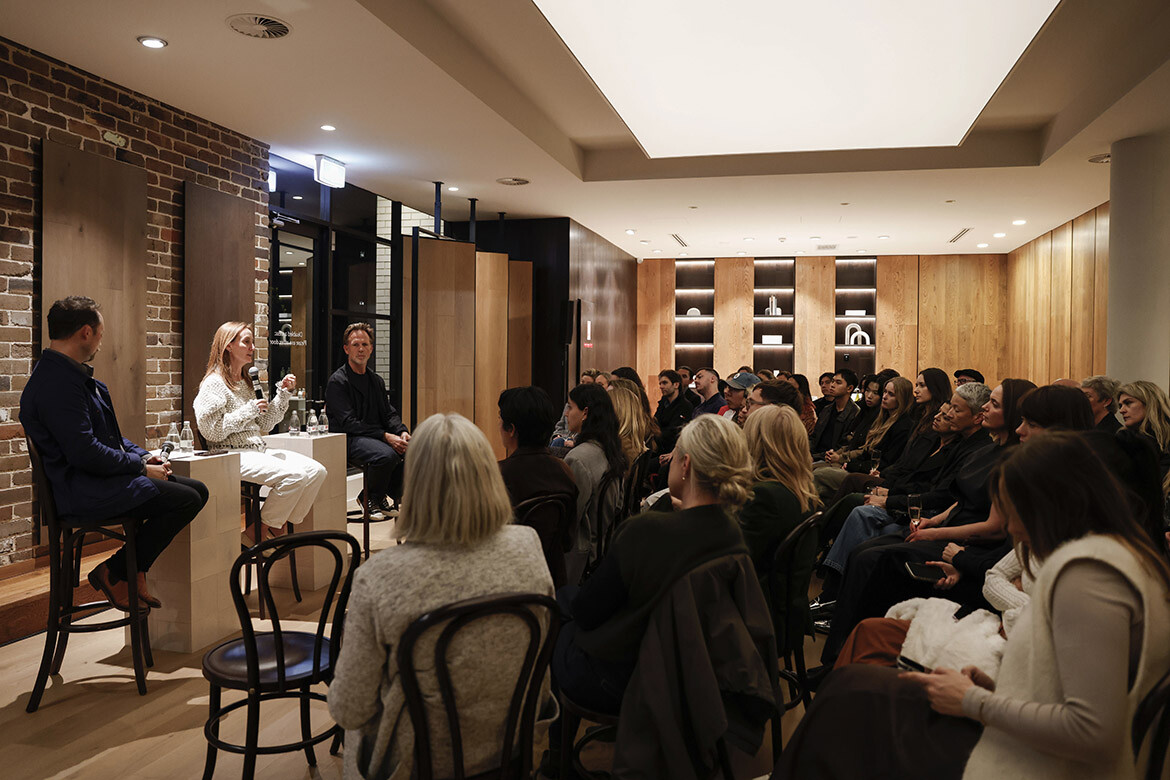
A rollicking good story with Richards Stanisich and Royal Oak Floors
Jonathan Richards and Kirsten Stanisich discussed practice, design process and the business of running a studio at a live audience event hosted by Royal Oak Floors in Sydney.
Events
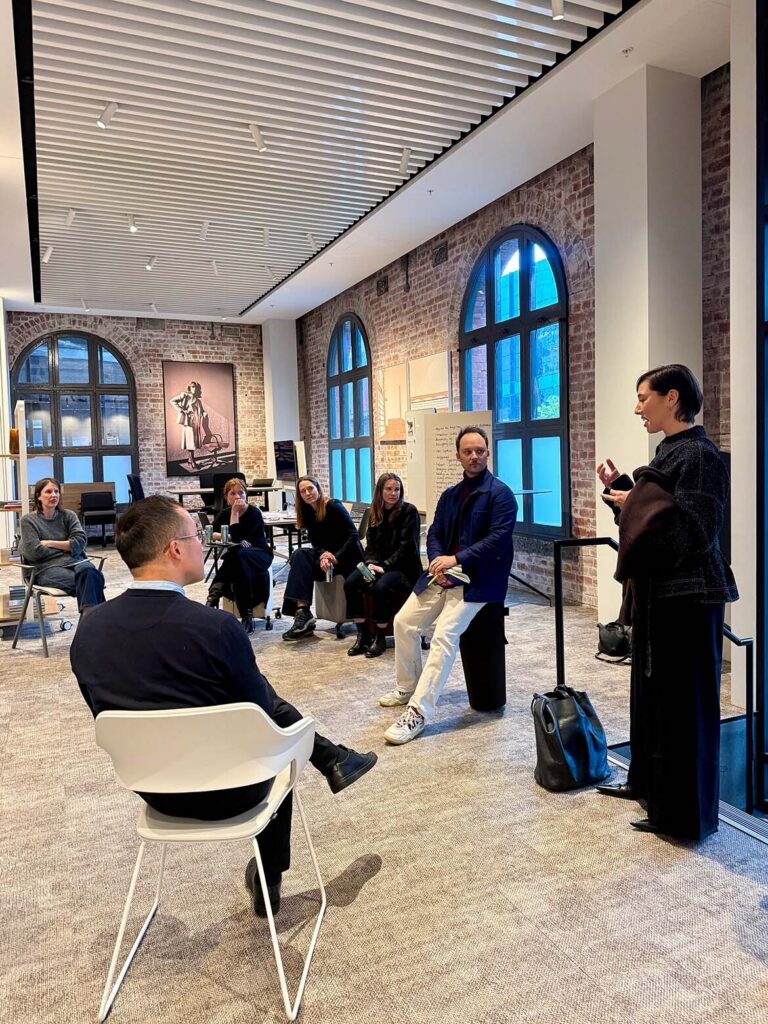
Indesign x Wilkhahn: Melbourne, where are you working?
Our latest collaboration saw a range of designers come together at Wilkhahn’s Melbourne showroom for a discussion on the workplace dynamics specific to the Victorian capital.
Events
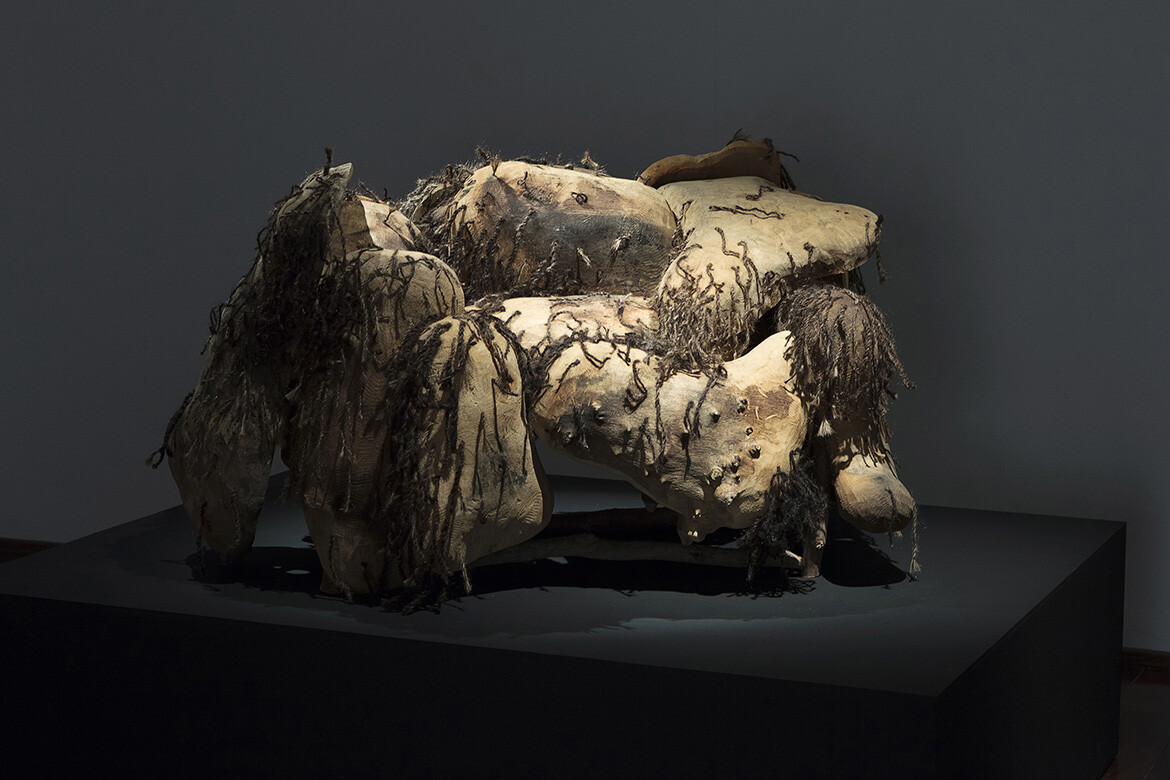
“A journey into a whole new material world”: Plant Life at the NGV
Curator Ewan McEoin tells us about the NGV’s new exhibition on plant-based materials as alternatives to plastics, synthetic materials and other non-renewable resources.
Ideas
Beyond the panel: What makes a design event worth attending?
Ahead of Saturday Indesign, architects reflect on why smaller gatherings, unexpected voices, candid discussion and meaningful follow-up can make meeting in person genuinely worthwhile.