The home of architecture and design in the Asia-Pacific
Get the latest design news direct to your inbox!

Get the latest design news direct to your inbox!
Mandi Keighran files this special report from Design Days Dubai, examining the thriving art and design scene of the UAE
March 22nd, 2013
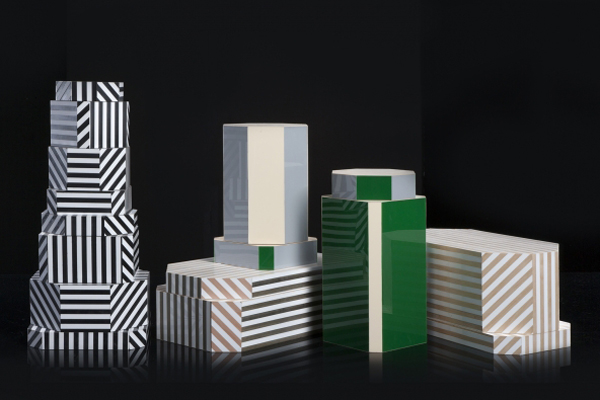
As the first fair in the Middle East and South Asia dedicated to collectible and limited edition furniture and design objects, Design Days Dubai is playing a key role in the changing face of the design industry in the United Arab Emirates (UAE). The second edition of the fair was held in a purpose-built tent structure in Downtown Dubai from the 18 to 21 March 2013. It was part of the larger Art Week in Dubai, which also encompasses Art Dubai, SIKKA, a galleries night, and a broad programme of associated cultural events across the UAE.
Design Days Dubai was again curated by French national, Cyril Zammit, who has resided in the UAE for over five years. It is obvious both in the careful selection of exhibitors and the sensitive scale of the space and the programme, that Zammit is deeply involved in every aspect of organisation.
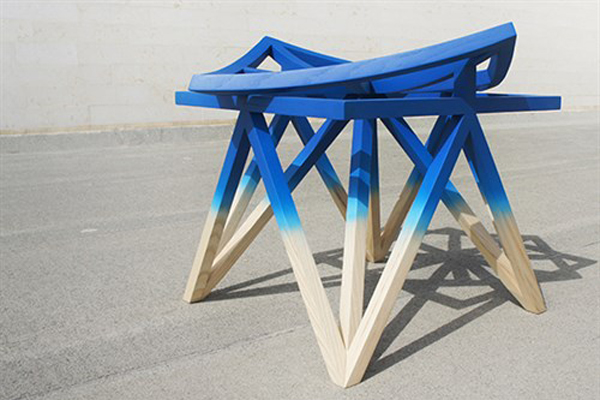
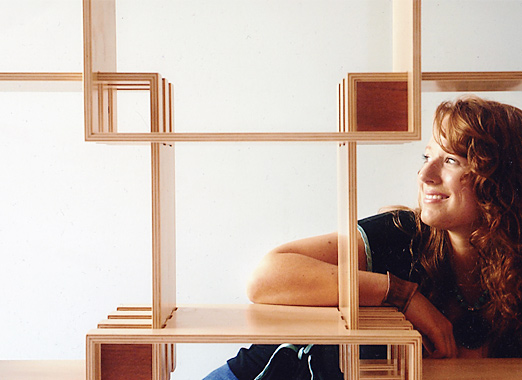
Unfolding Unity Stool – Aljoud Lootah
This year the fair comprised 29 exhibiting galleries from around the world, including Australia, South Africa, Mexico, Taiwan, Korea, and Europe. The event also saw a 100% increase in the number of galleries from the Middle East – including participants from Dubai, Kuwait, and Beirut.
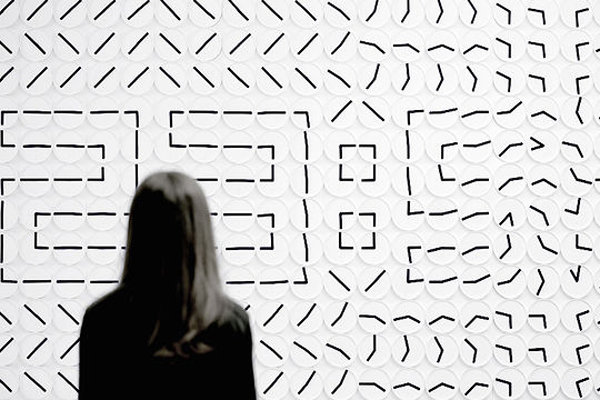
A Million Times (Time Dubai) – Humans Since 1982
Several installations contributed atmosphere and interest to the venue. Visitors were welcomed by an installation titled ‘A Million Times (Time Dubai)’ by Humans Since 1982 presented by Victor Hunt Designart Dealer. The kinetic piece is an evolution of the Stockholm-based studio’s earlier work, exploring the relationship between analogue and digital time-keeping.
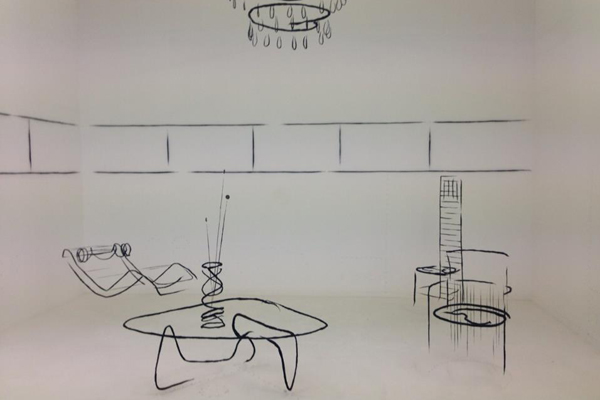
Analogia Project – Andrea Mancuso
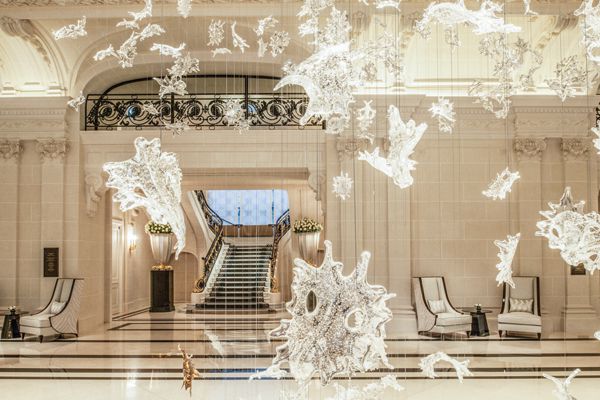
The Analogia Project by Andrea Mancuso and Emilia Serra was another popular installation. The work, designed especially for Design Days Dubai, re-created a room full of classic furniture as if it were drawn in the air.
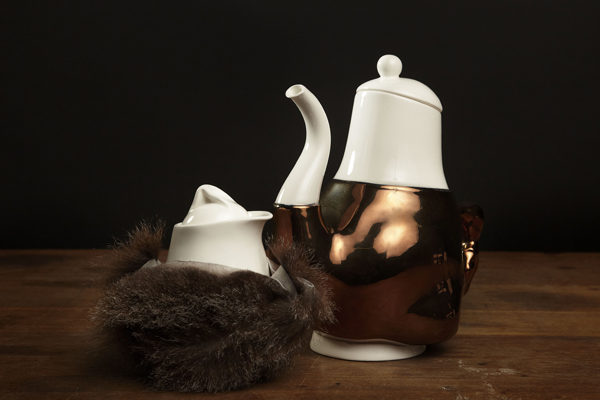
Briggs Family Tea Service, Broached Commissions – Trent Jansen
Australia was represented at Design Days Dubai by Broached Commissions, who presented works from last year’s Broached Colonial collection. Lucy McRae’s ‘Prickly Lamp’ proved particularly popular with local press and visitors. As part of the event’s education programme, Broached Commissions founder Lou Weis gave a talk about the creation of spaces in which to connect in Dubai.
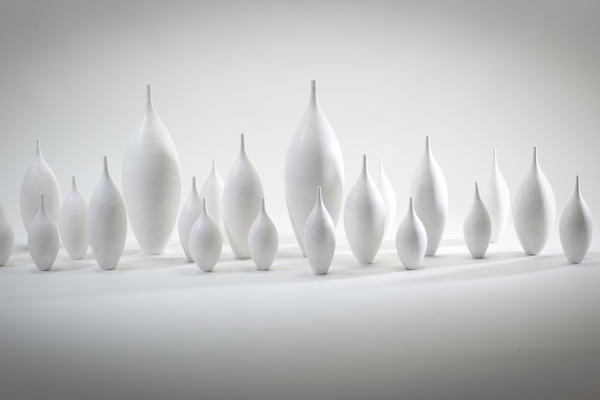
Crackle – Peter Collis
The Majlis Gallery – the first art gallery to open in Dubai in 1989 – showcased the work of New Zealand ceramicist, Peter Collis, with an ethereal installation of his ‘Crackle’ vessels.
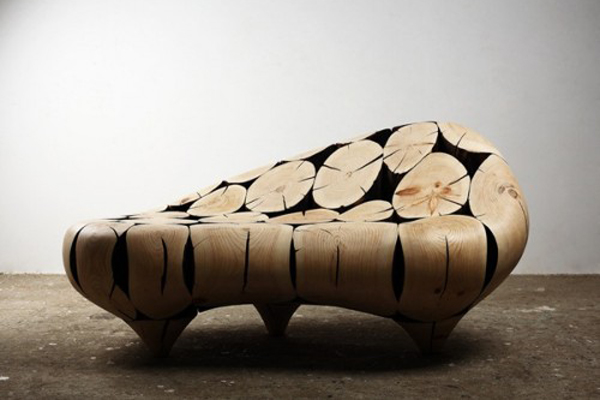
0121 -Lee Jae-Hyo
Korea was represented by _Croft and Gallery Seomi. Jungyong Lee, Director of Gana Art, the organisation that runs _Croft, was a return exhibitor. The first edition of Design Days Dubai had proved successful for the gallery and, like many of the exhibitors, Lee was excited by the prospect of showcasing the gallery’s work to a new market.
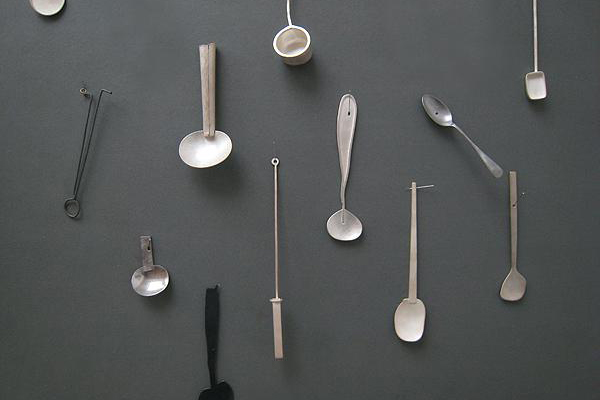
Spoons – Simone Ten Hompel
The British Crafts Council was another exhibitor for whom the event provided opportunity to reach new audiences. Alongside a place in the education programme that included short films, discussion panels and workshops with designer Max Lamb, the British Crafts Council showed work from four UK galleries – Gallery Libby Sellers, Gallery S O, Marsden Woo Gallery, and Vessel Gallery.
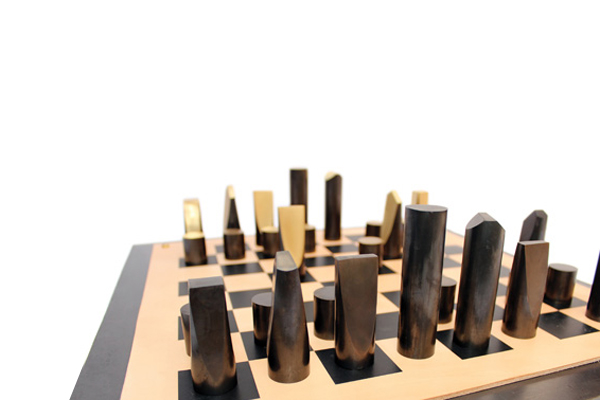
Slice Chess Set – Simon Hasan
While reaching a new audience was an exciting prospect for the exhibiting galleries, the real purpose of the fair was to sell work to collectors, and many galleries reported high success.
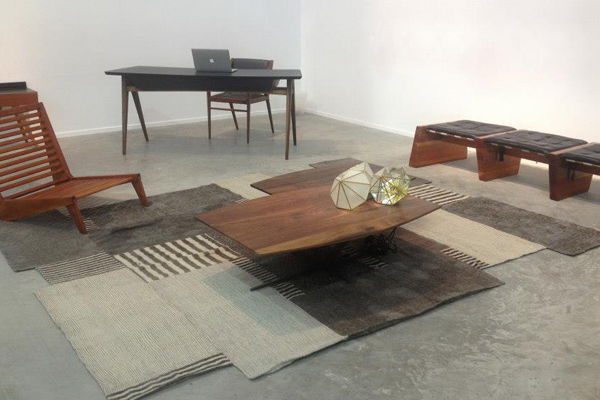
Telharmonium – Fabrica Mexico
Galeria Mexicana de Diseno, a gallery from Mexico City, showcased a collection by Telharmonium for Fabrica Mexico designed specifically for Design Days Dubai. The entire collection sold on the first day of the fair.
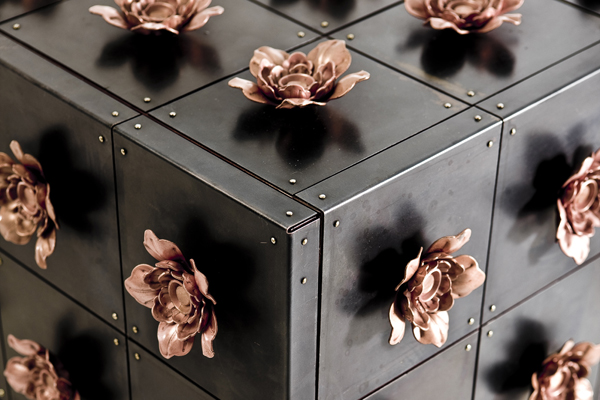
Rosetta Sideboard – Egg Design
Southern Guild also reported high levels of success, including the sale of their ‘Rosetta Sideboard’ by Egg Design. While sales success stories like these prove the importance of the event in supporting collectible and limited-edition design globally, the event also plays an important role in the development of Dubai’s relatively young contemporary design industry.
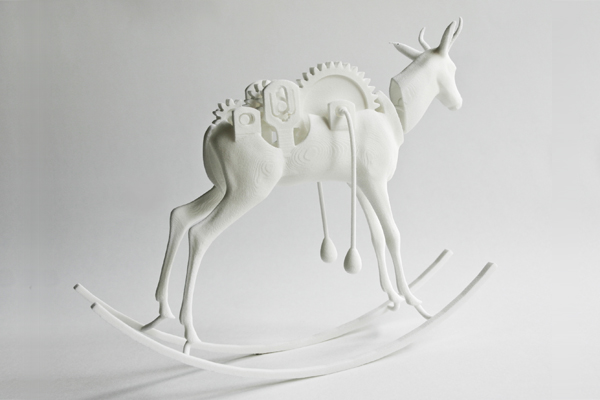
Rocking Springbuck – Michaela Janse Van Vuuren
Dubai-based Emeriti designer, Khalid Shafar, had the most presence of any local designer at the fair, and his work heavily referenced local tradition. Tai Ping Carpets showed a collection of limited edition rugs by Shafar inspired by traditional weaving techniques.
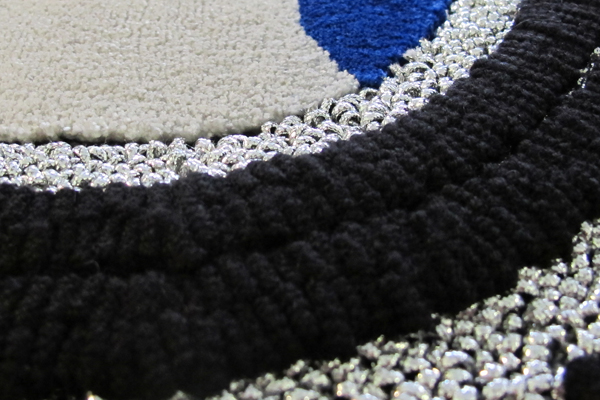
Tai Ping Carpets
Carwan Gallery showed his new ‘Fallen Palm’ seating and presented a performance titled ‘Illusion Pearl’ in reference to Dubai’s pearl diving history; Moissonnier displayed two sideboards that had been transformed into bespoke sculptural pieces referencing the horse racing culture in Dubai; and he was part of the Design Road Professional 2012/13 programme on show at the Dubai Culture stand.
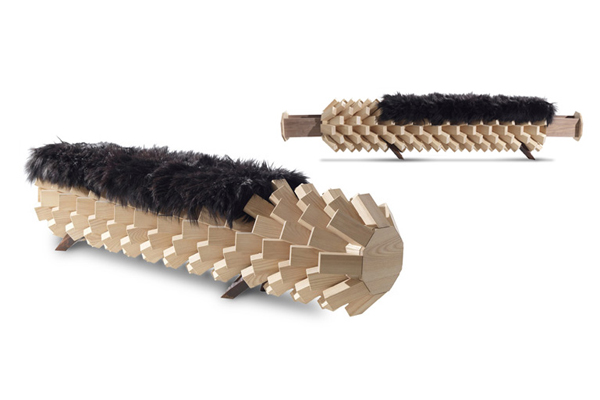
Fallen Palm – Khalid Shafar
Shafar is clearly a driving force in a growing design movement in Dubai. As is the Design Road Professional initiative, which worked with four emerging designers – Shafar, Aljoud Lootah, Zeinab Al Hashemi, and Salem Al Mansoori – over six months to see projects through from concept to realisation.
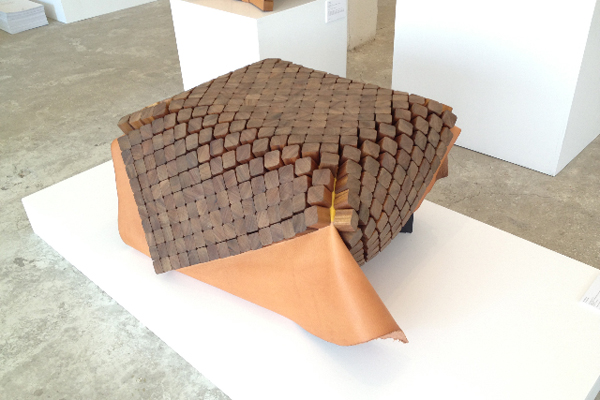
Marc Baroud – Carwan Gallery
Currently, the importance of Dubai is primarily as a market for the international collectible design industry – and the success of sales both last year and this year proves this importance. Dubai is, however, also fostering an emerging local scene – an industrial design course was introduced at the American University just two years ago, and organisations such as Design Road Professional are working hard to support designers. With the speed that things happen in Dubai, many are predicting that it won’t be long before we see a thriving local scene in Dubai and local Emirati designers begin to make an impact locally and globally. And, Design Days Dubai will certainly continue to play an important role.
Design Days Dubai
INDESIGN is on instagram
Follow @indesignlive
A searchable and comprehensive guide for specifying leading products and their suppliers
Keep up to date with the latest and greatest from our industry BFF's!
The internet never sleeps! Here's the stuff you might have missed