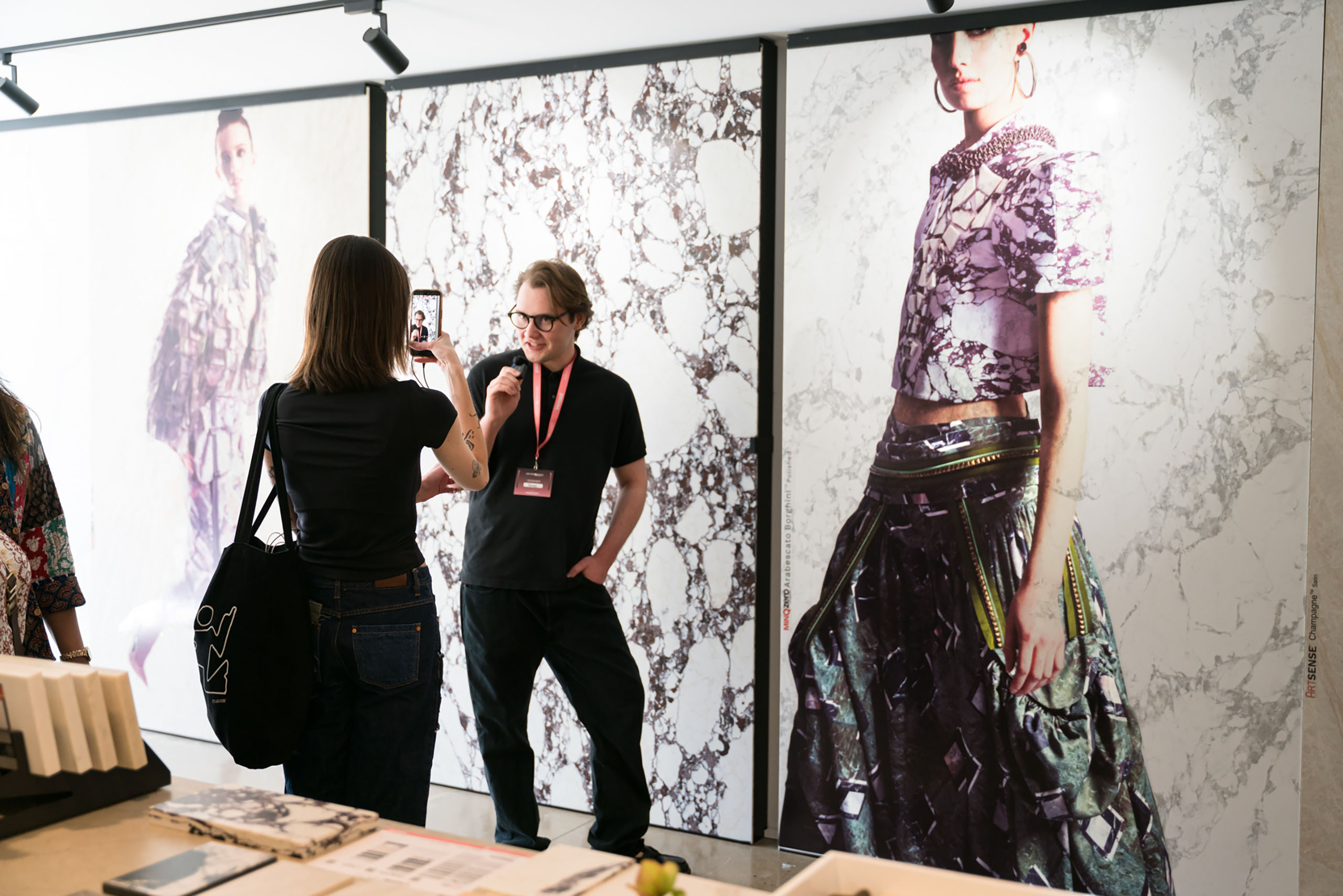
Looking back at Saturday Indesign last month, the Design Discussions series offered plenty of opportunities to hear from the people shaping Australia’s architecture and design landscape. The program began on the Friday evening ahead of the main event, with a special discussion hosted by Anterior XL and Krause Bricks that took a closer look at one project: SJB‘s Billyard Avenue in Elizabeth Bay.
Bringing together Adam Haddow and Victoria Judge of SJB with developer Peter Walsh of North East Corp, the SJB Special was moderated by our very own Timothy Alouani-Roby. The conversation took permanence as its starting point. What makes a building last? Is it the materials, the architecture or the decisions made long before construction begins? And how do architects and developers reconcile the desire to create something enduring with the commercial pressures of building today?
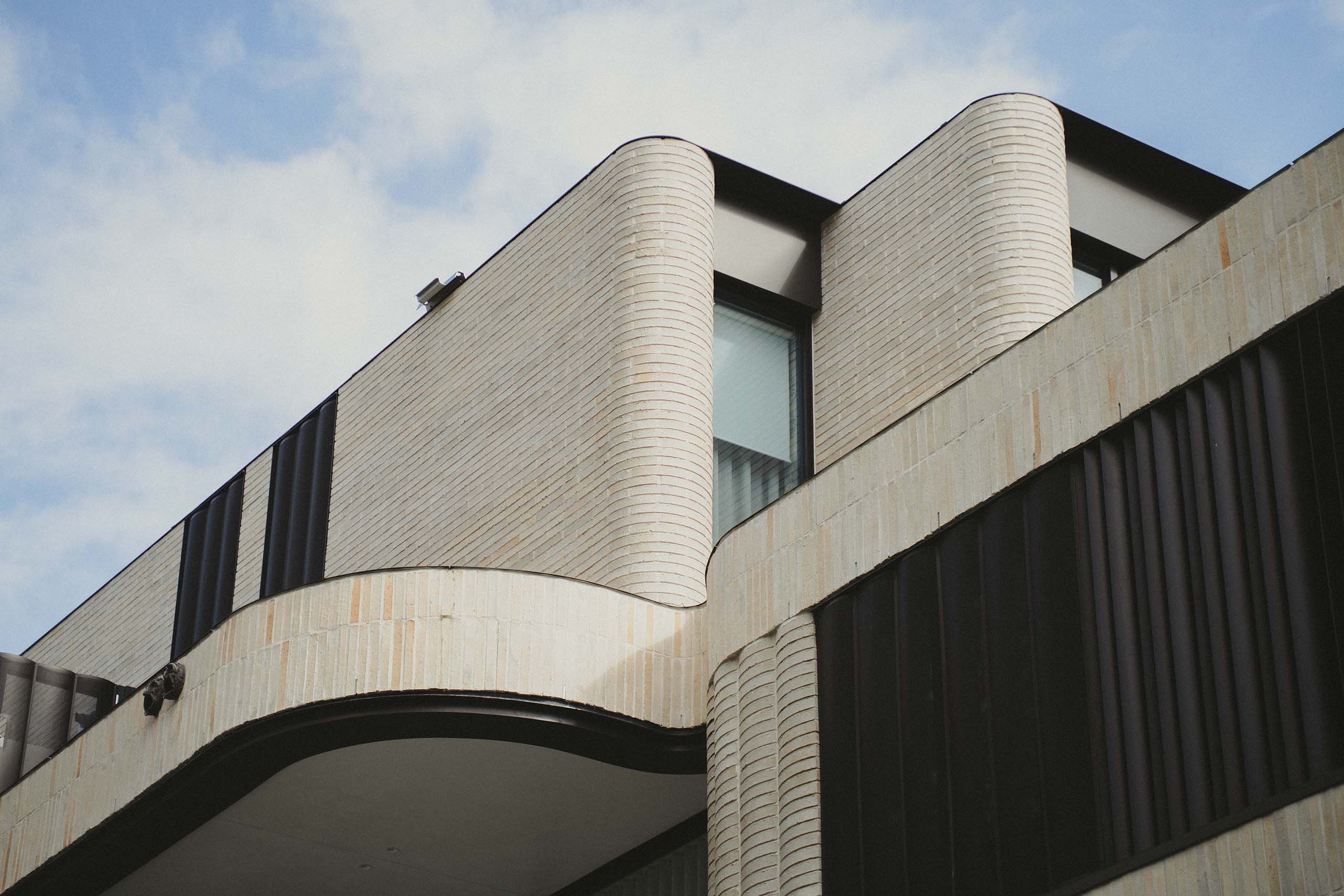
Billyard Avenue was a fitting project to consider. Set among the handsome 1930s apartment buildings of Elizabeth Bay, it occupies a neighbourhood where much of the architecture has already stood the test of time. These buildings remain sought after almost a century later, raising an obvious question for SJB: how do you add something contemporary to such an established setting and give it the same chance of ageing gracefully?
The answer lies partly in how the building responds to its neighbours. Rather than borrowing their architectural details wholesale, Billyard Avenue looks to the qualities that have made them so enduring, including proportion, craftsmanship and the use of materials with substance and character. It is an approach that respects the history of Elizabeth Bay without attempting to recreate it.
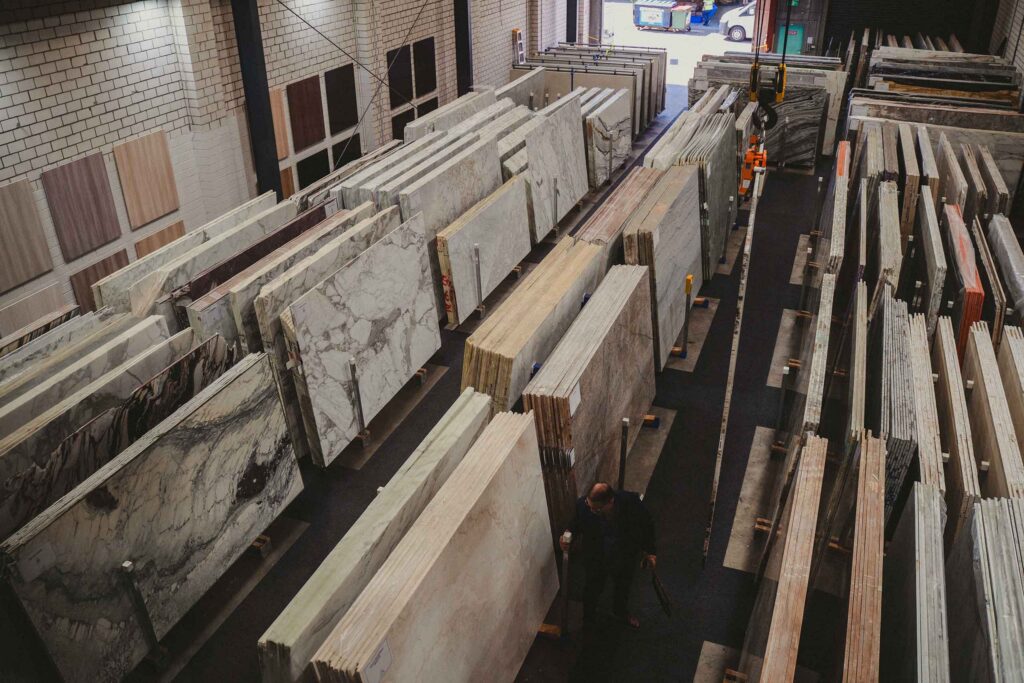
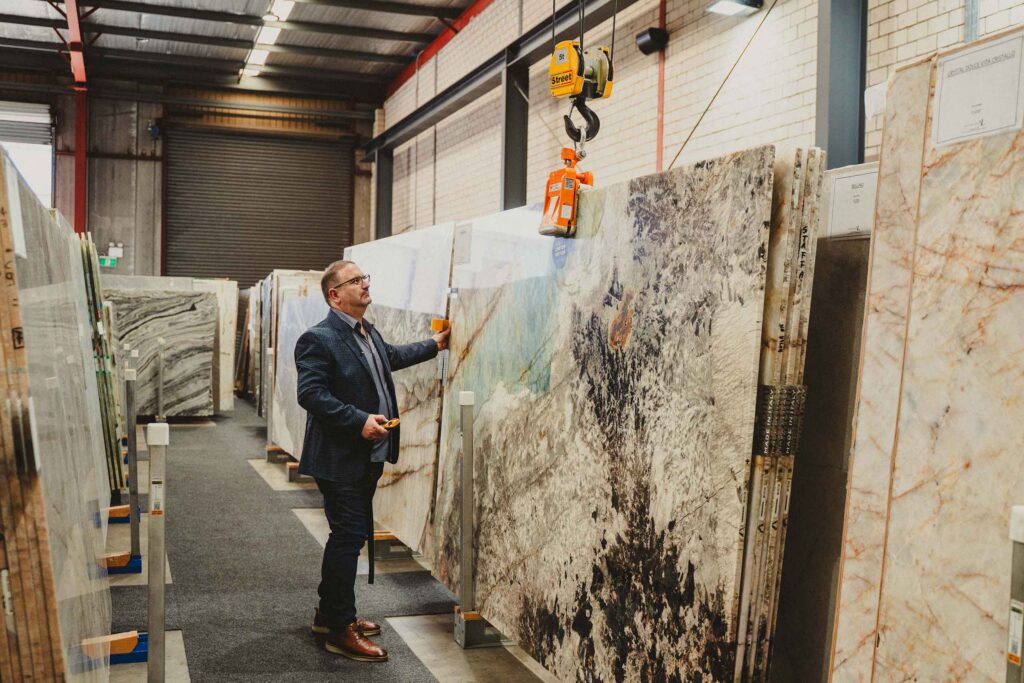
Much of the discussion revolved around materials, particularly the difference between choosing something for its immediate impact and considering how it might look in 20, 50 or even 100 years. Natural stone was an important part of this conversation. Its appeal extends beyond colour and finish to the variation, texture and character that come with the material itself.
Related: Warren and Mahoney Guest Editors join the podcast
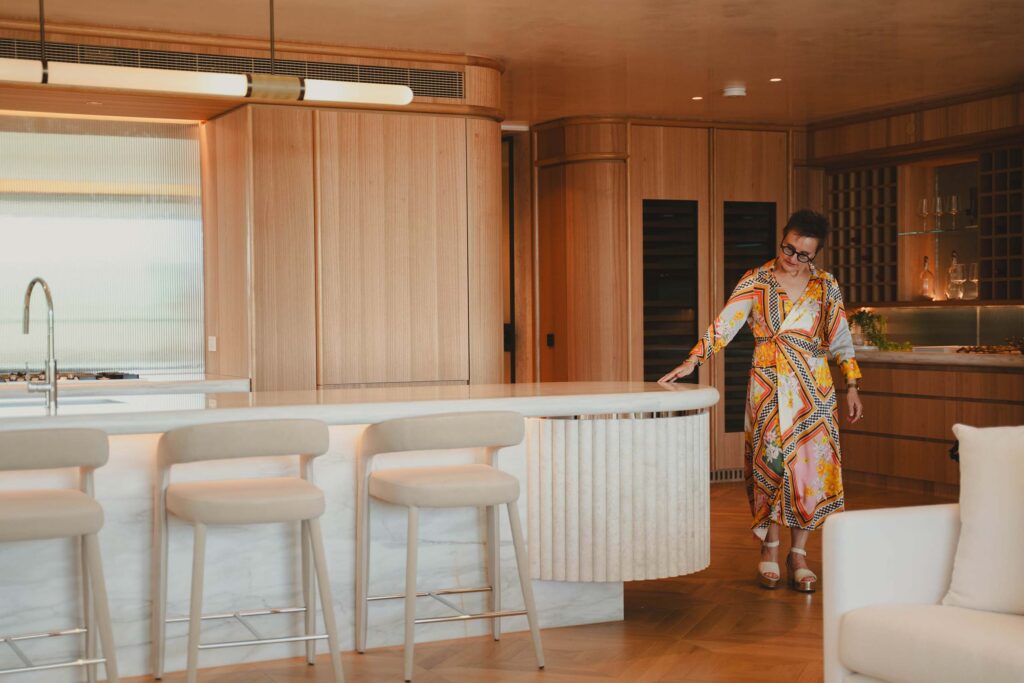
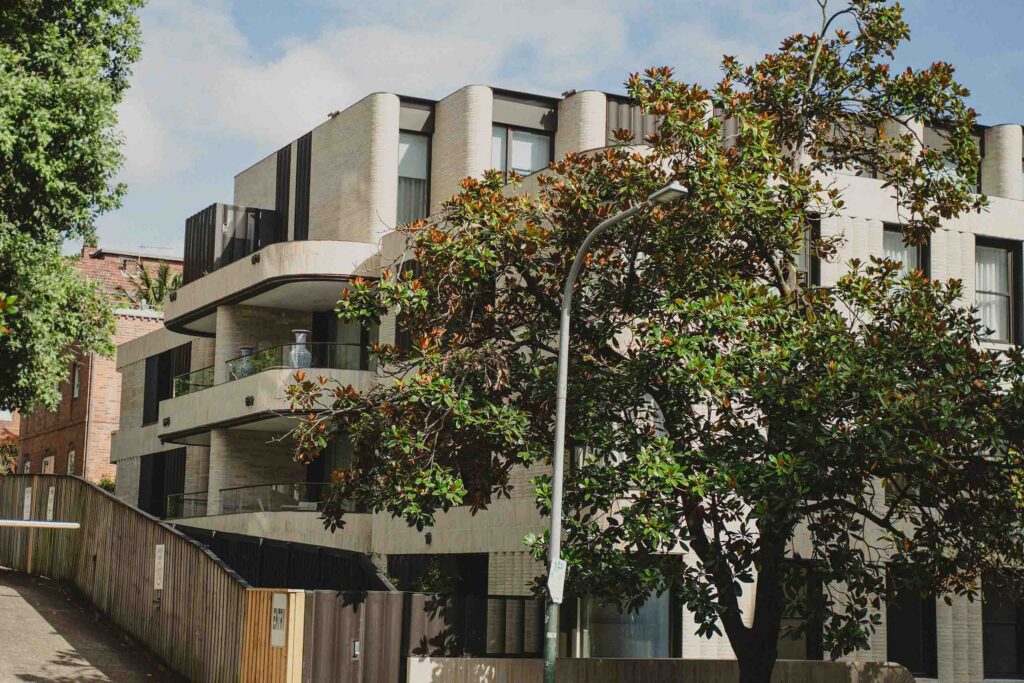
Of course, a material’s longevity depends on more than its inherent properties. How it is selected, detailed and installed can make all the difference. The involvement of Anterior XL and Krause Bricks brought attention to the importance of material knowledge and the craftsmanship needed to translate architectural intentions into something built to last.
There is also the question of taste. Architecture, like fashion, has its trends, and residential design is particularly susceptible to the changing preferences of buyers. A striking finish might photograph beautifully today, but will it still appeal in a few decades? Billyard Avenue offered a useful example through which to consider how architects can create character without relying too heavily on the fashions of the moment.
The presence of Peter Walsh added another perspective to the conversation. Longevity might be an appealing architectural ambition, but it also has to make financial sense. Materials that cost more upfront can present a challenge during development, particularly when budgets are under pressure. Yet there is a longer-term argument to be made for investing in quality, from reduced maintenance and replacement to the lasting appeal of a well-made building.
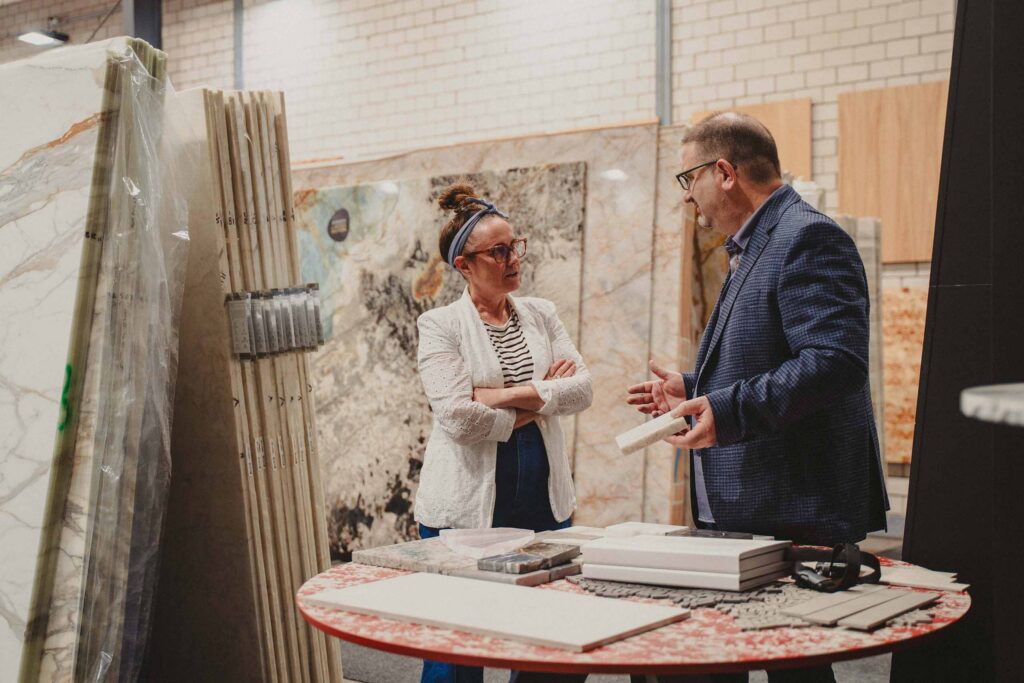
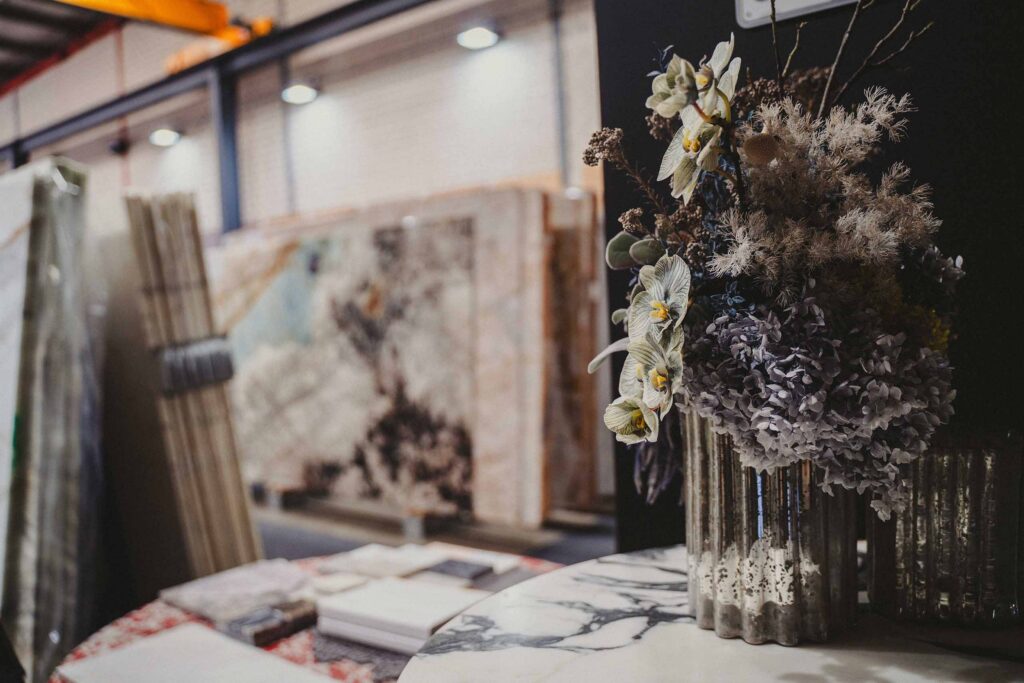
For a project such as Billyard Avenue, these decisions carry particular significance. Buyers expect a high level of finish, but luxury alone does not guarantee longevity. The question is how to create a home that continues to feel valuable and enjoyable long after its first owners have moved in.
Another aspect of the discussion concerned the balance between making an architectural statement and knowing when to exercise restraint. Some elements of a building are intended to be memorable, while others work quietly in the background. Getting that balance right can be just as important as selecting the materials themselves.
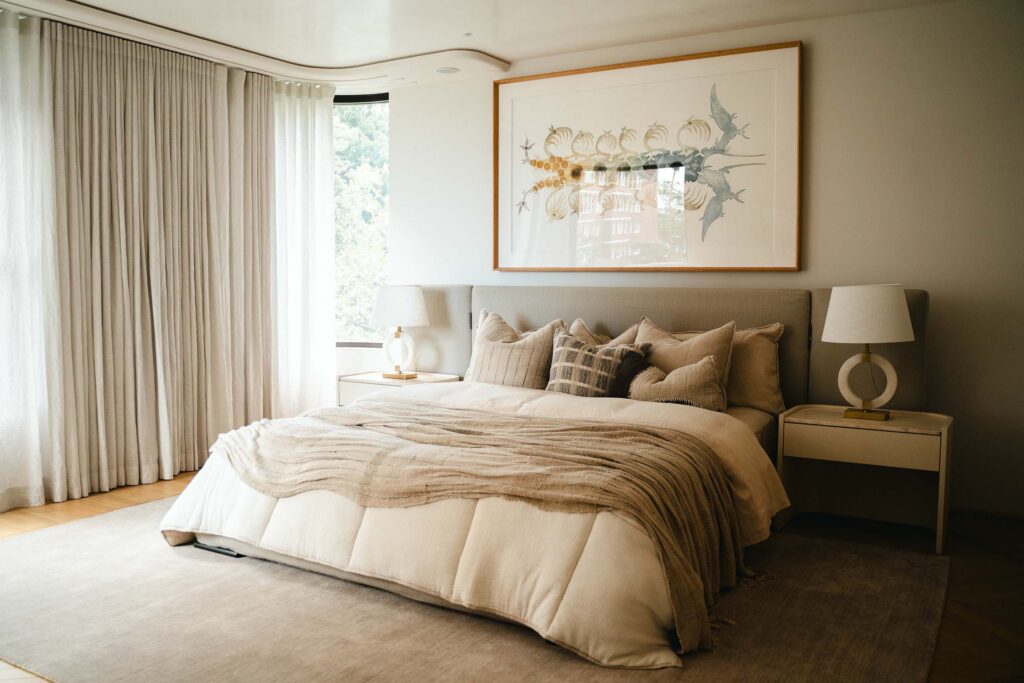
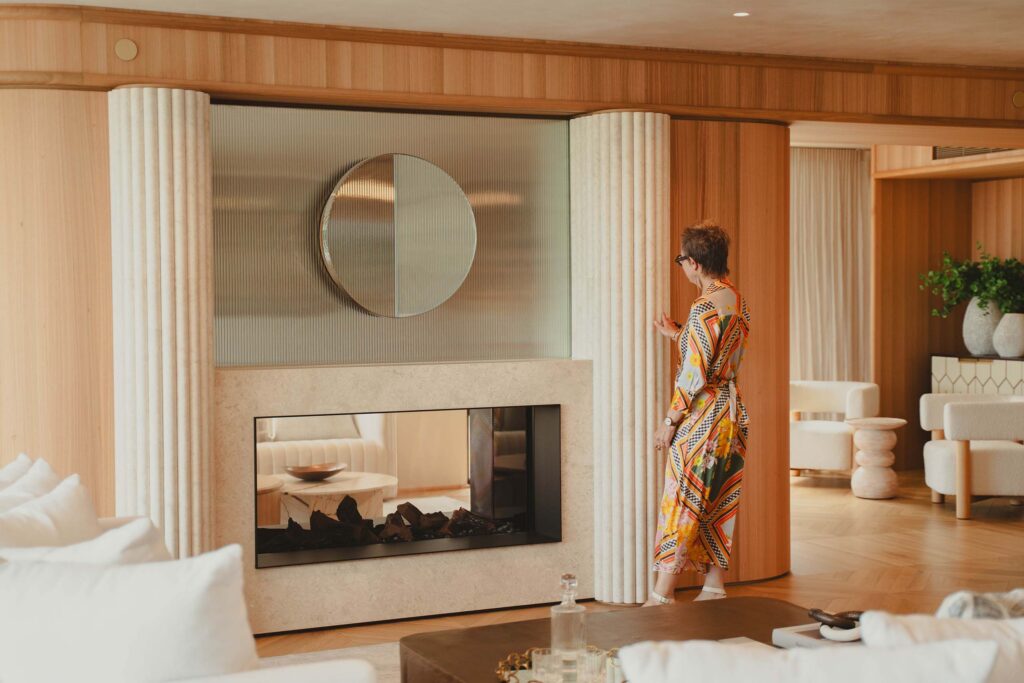
Having the architects and developer together allowed these decisions to be considered from different sides. A choice that begins as an architectural ambition must eventually contend with budgets, construction and the expectations of future residents. Billyard Avenue gave the panel a specific project through which to explore those relationships, with the conversation extending well beyond the finished building.
As part of Saturday Indesign’s editorially curated Design Discussions series, the SJB Special offered a chance to spend time with the people behind a project and examine the thinking that informs their work. With one practice, one developer and one building at its centre, the discussion explored questions that are relevant to residential architecture well beyond Elizabeth Bay.
Surrounded by apartment buildings approaching their centenary, Billyard Avenue invites us to think about the architecture being built today and how it might be regarded by the people living in Sydney decades from now. After all, the real test of a building begins once the architects and builders have left.
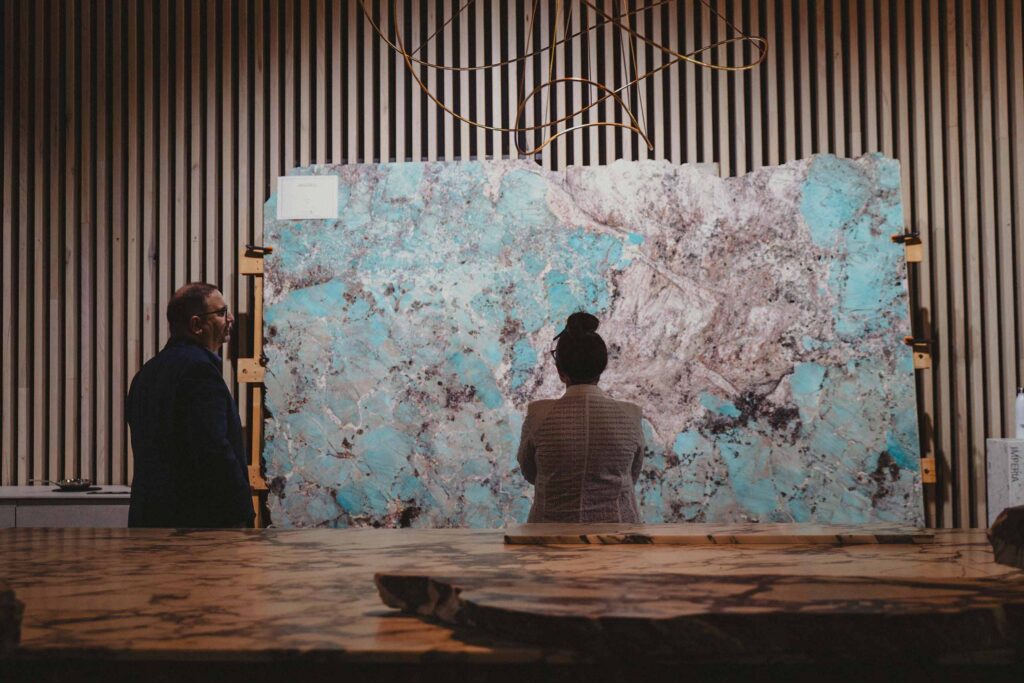
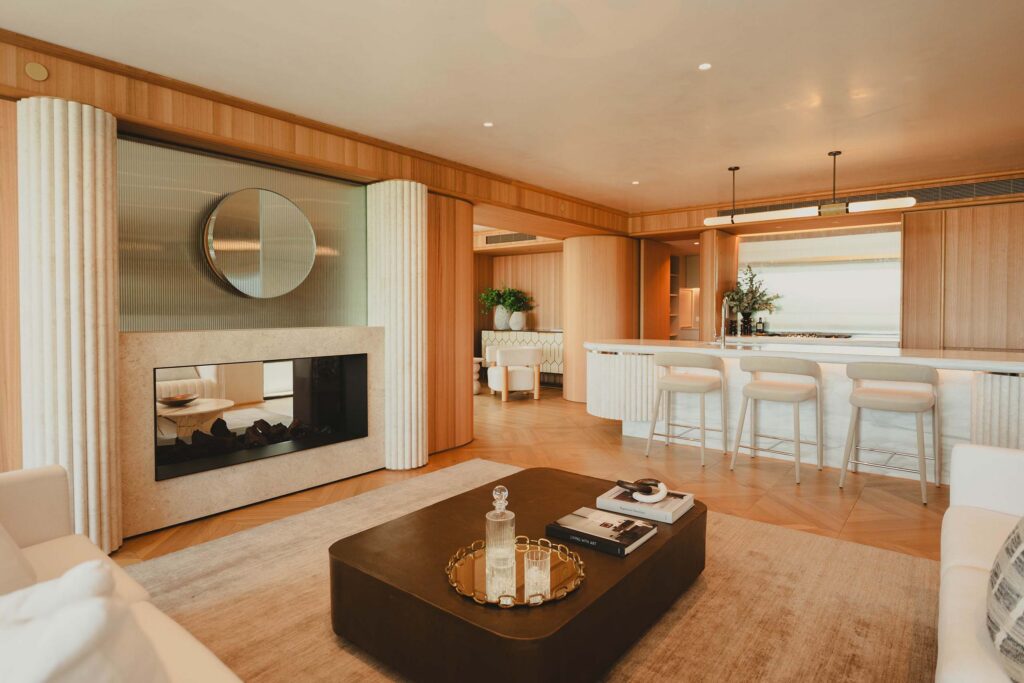
SJB
sjb.com.au
Anterior XL
anteriorxl.com.au
Krause Bricks
krausebricks.com
Saturday Indesign
saturdayindesign.com