The history of the written word in China dates back over 4000 years. Earlier still, oracle bones were used for divination by Shang Dynasty emperors and engraved with the oldest known form of Chinese script. Amidst a wide variety of material settings – from bone to bamboo, wood, stone, silk, and tortoise shells – calligraphy was found. During the Han dynasty (202DC-9AD) Cai Lun, who served the court, invented paper. A Chinese copy of the Diamond Sutra is now recognised as the world’s oldest printed book. One thousand years later, Mao’s ‘Little Red Book’ came second to the bible as the most printed book on earth.

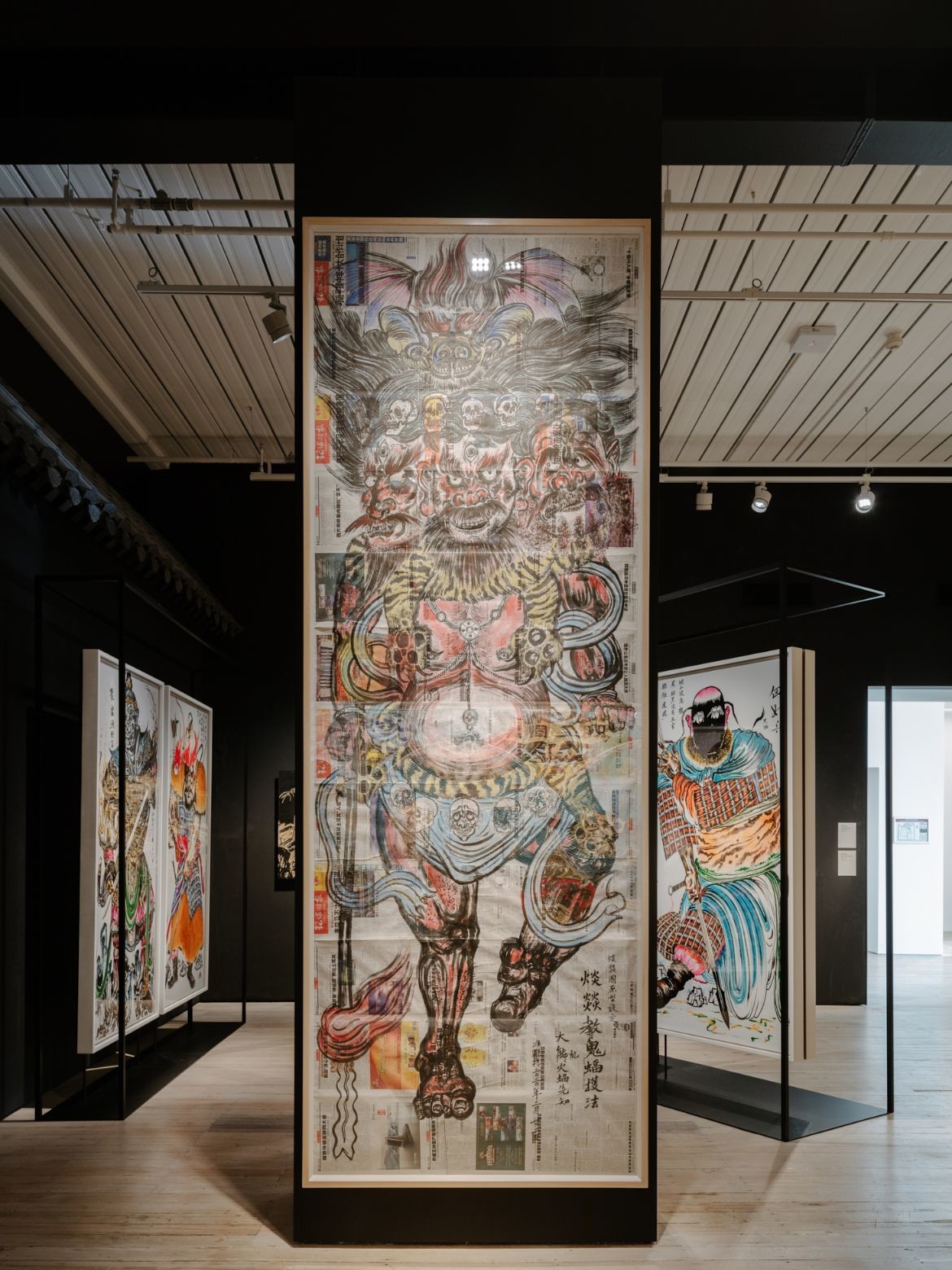
“The artists in Shuo Shu map the evolution of the story from timeless myths and literary romances to political propaganda and modern-day censorship. Artists become shapeshifters, and their stories twist and turn to fit within codes and secret messages. Whilst a closed mind is like a closed book, stories reveal themselves to those who are open,” says Williams.
The exhibition, like most at White Rabbit, is exceptional, with plenty of gobsmacking treats and moments of awe. In typical good form, Williams has brought together works of surprising variety and interpretation of the theme. Gu Wenda’s Forest of Stone Steles, for example, comprises a collection of stones carved with characters representing the seasons (they are deliberately unreadable). For this exhibition they are shown with projected images of his imagined calligraphy forest for Central Park.
Related: hug store by ATMOSPHERE Architects

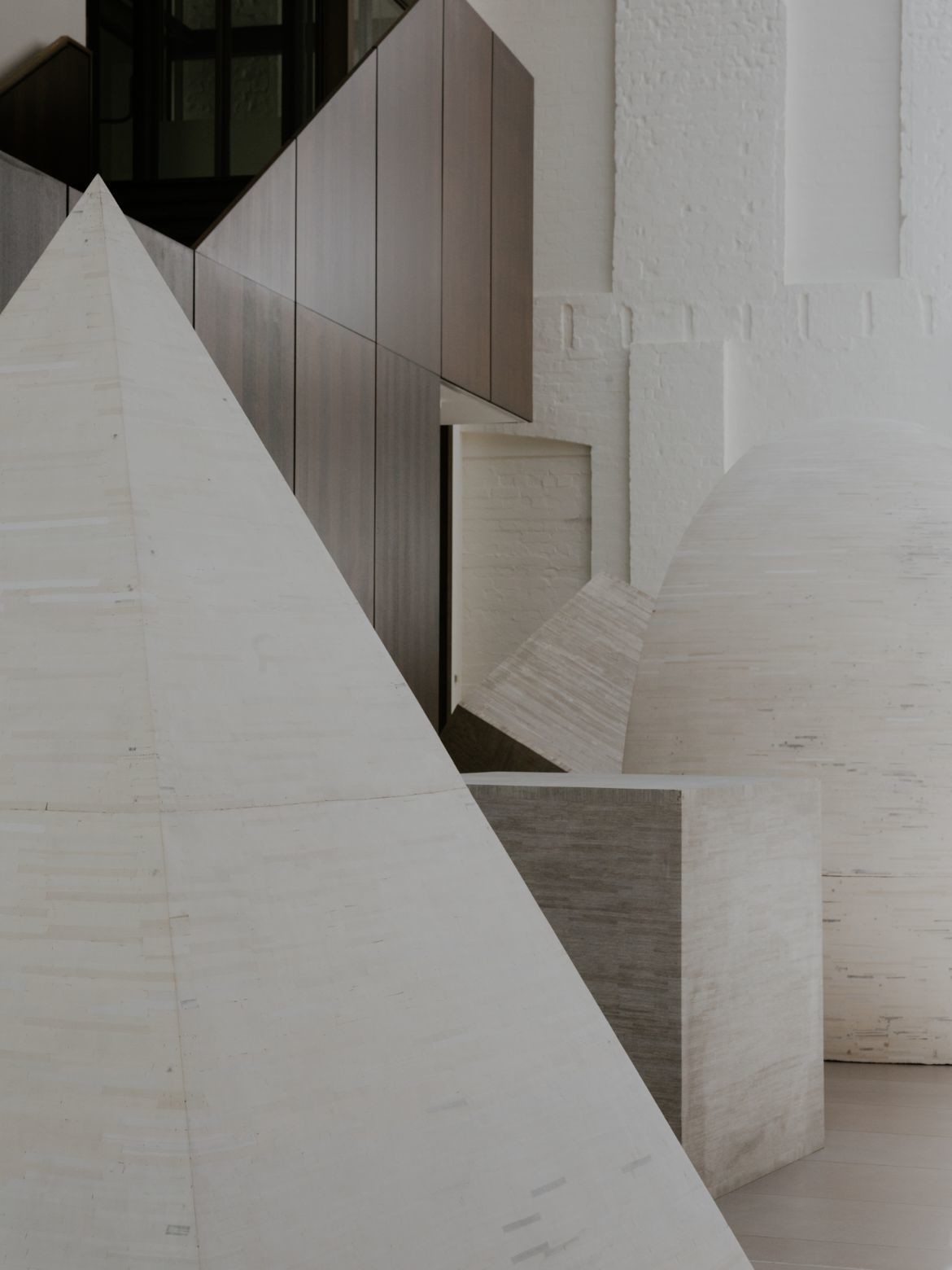
Liu Wei’s Density 1-6, with separate pieces weighing between 400 and 1500 kilograms, is an enormous installation of monumental geometric forms looming over the visitor. It is also breathtakingly beautiful in a quite unsettling way. True to Williams’ theme, each is made from millions of books pressed and glued together before being carved to the strange geometric forms on display.
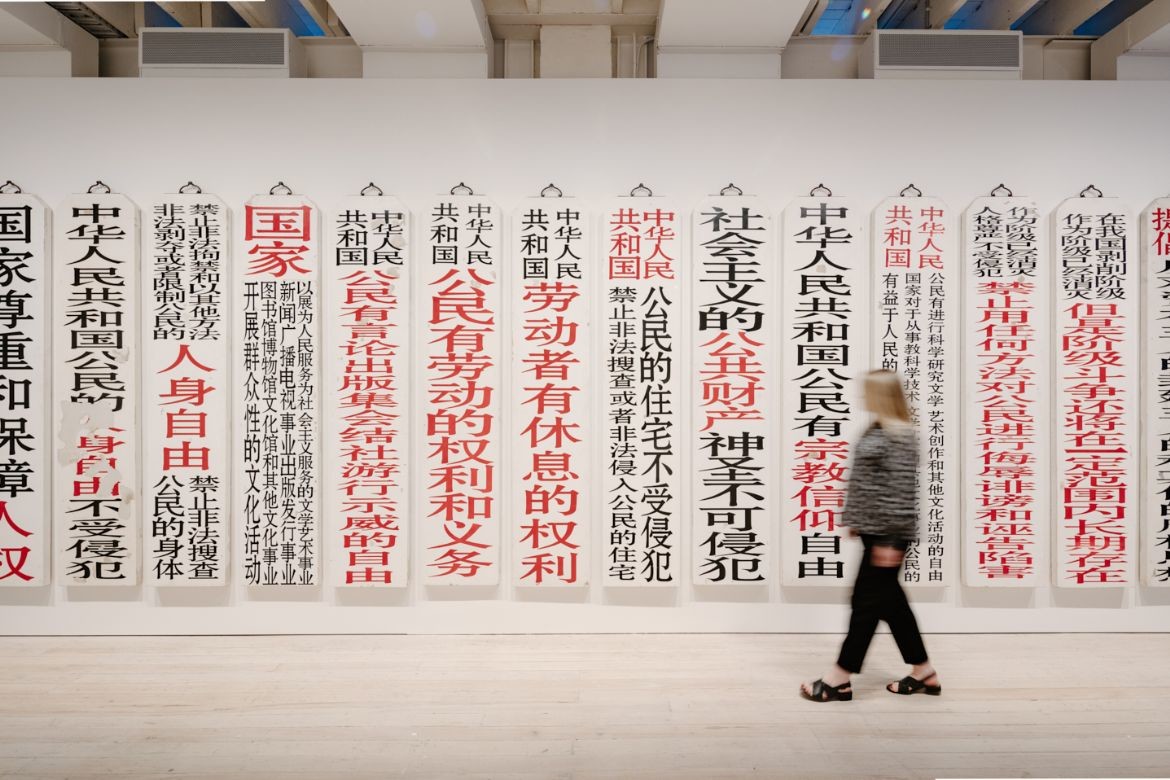
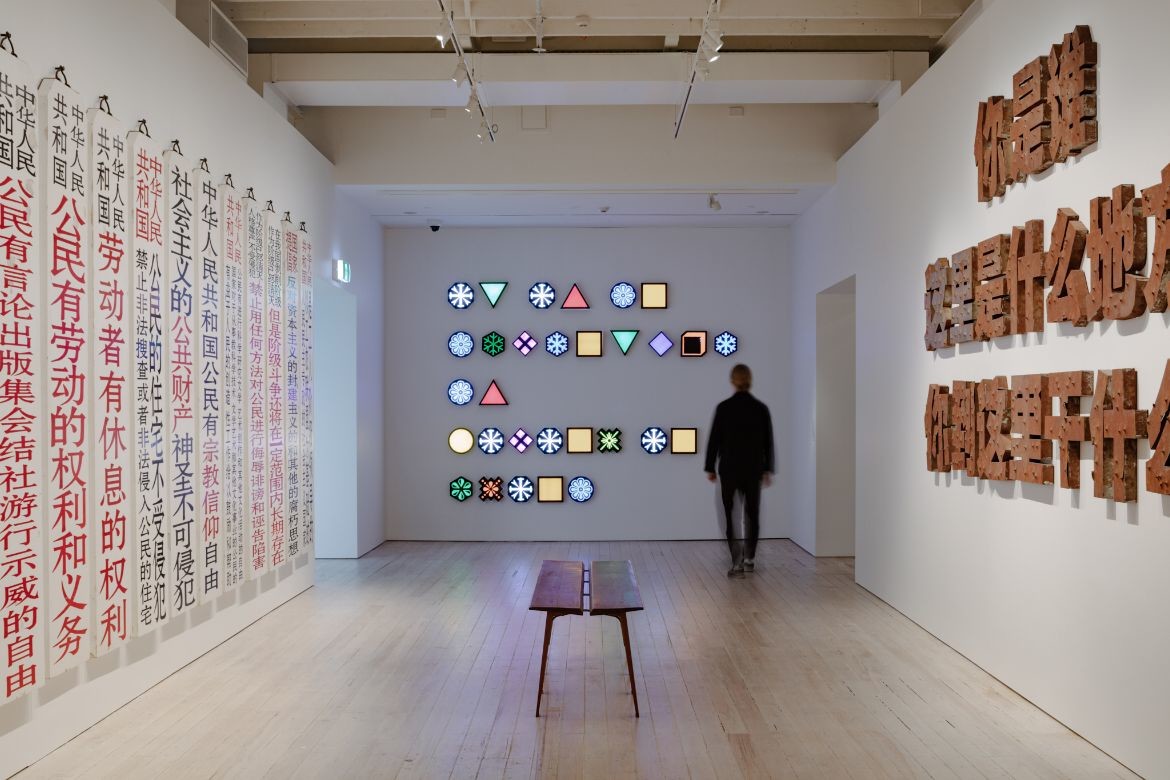
More typical to storytelling are works of calligraphy, such as Sign Boards by Jin Feng. This installation of 31 boards reveals sensitive material relating to human rights and freedom of speech taken directly from the Chinese constitution. They recall exhortatory slogans and signs of the Mao years on one hand and ephemeral, optimistic democracy on the other.
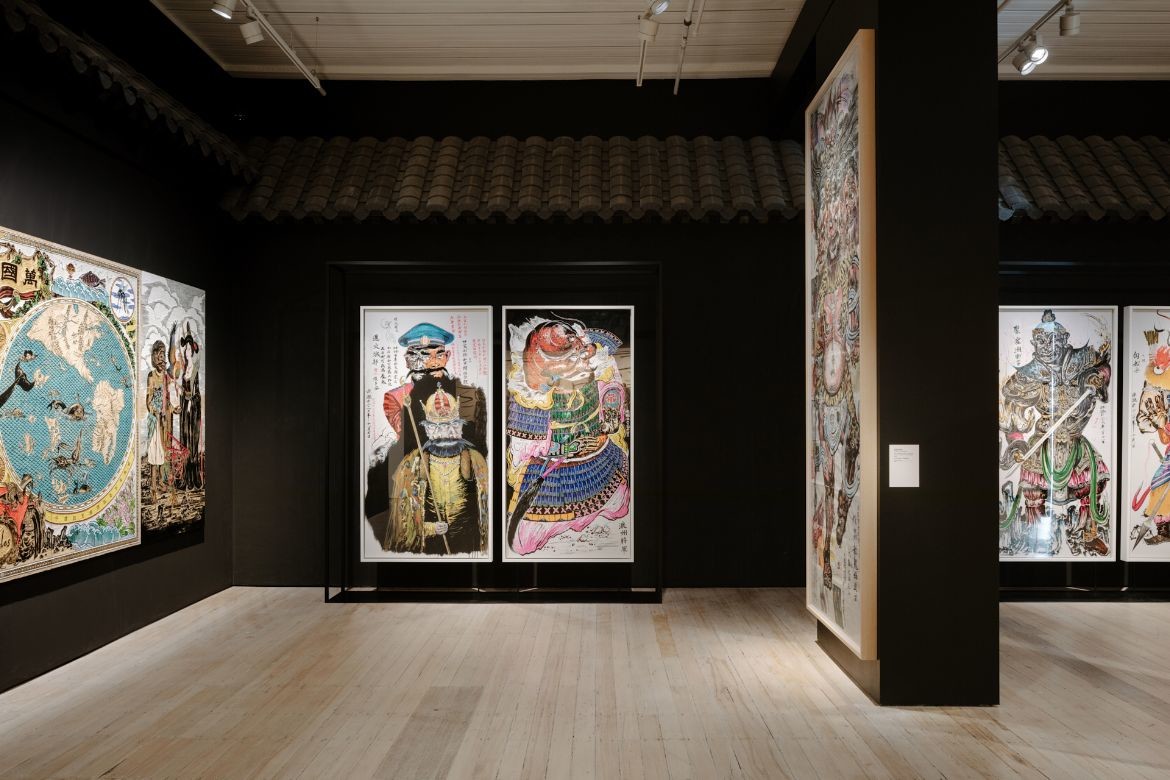
Wonderful images are plentiful, with colour and intricate details shifting from dark to light under the masterful hand of Sun Xun.
The White Rabbit Gallery was established in 2009 to share Judith Neilson’s private collection of 21st-century Chinese art with the public. Shuo Shu 说书 is the 26th exhibition in the gallery, which is a registered charitable institution funded solely by Judith Neilson.
White Rabbit Gallery
whiterabbitcollection.org
Photography
Hamish McIntosh


We think you might like this story on the ‘Big in China’ exhibition at White Rabbit Gallery.