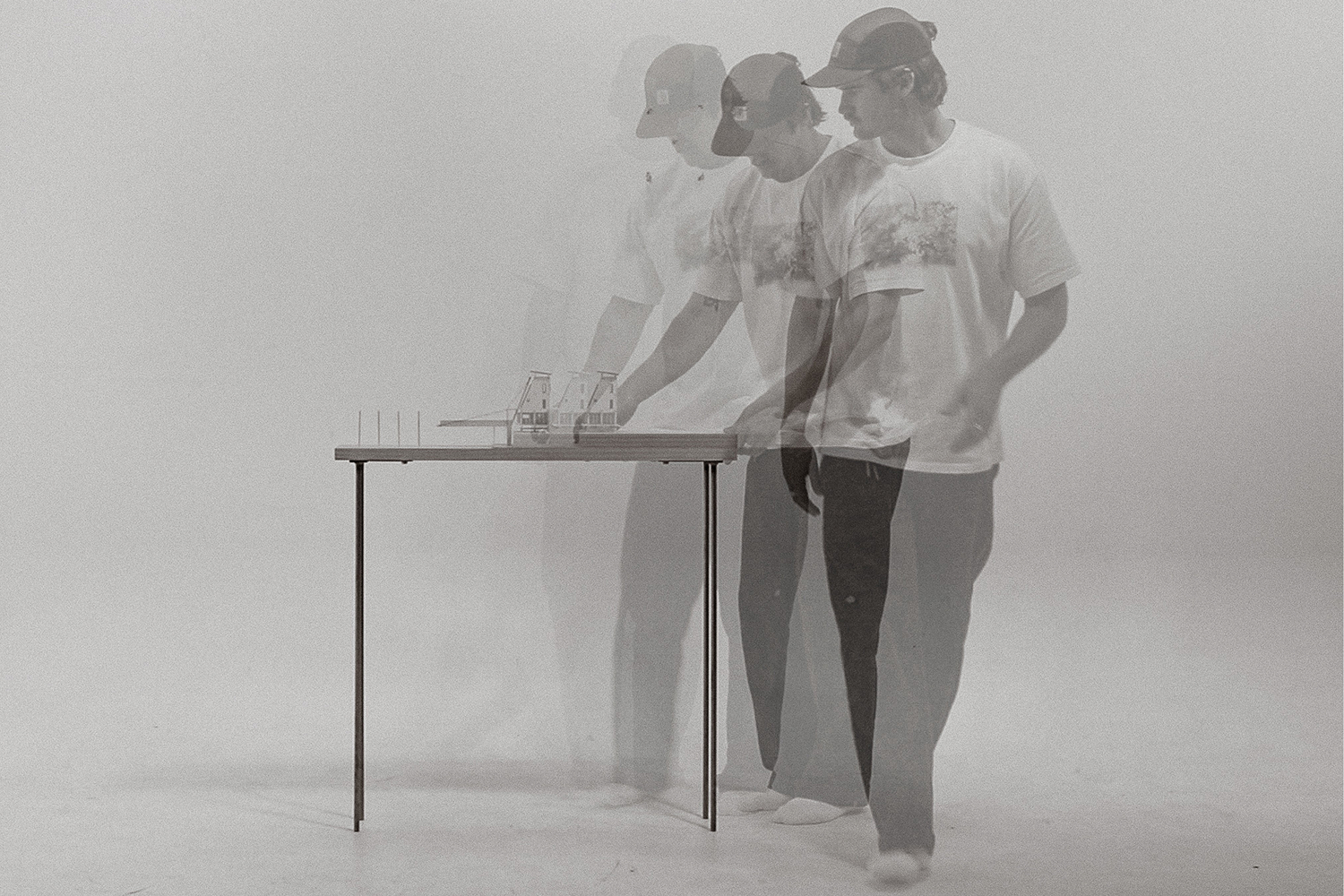
“At the end of the day, what matters to us is the buildings,” says Brad Wray, co-director of Branch Studio Architects. The studio, which was founded by Wray with business partner Nicholas Russo in 2012, has already built a catalogue of outstanding work. And it is the “work”, as they put it, that speaks for itself. The studio’s projects are imbued with something extra – a level of thought and conceptual execution that helps to create buildings with legacy.
It is not by accident that their projects present this way. “There’s definitely a thinking behind each and every project that we do. We always try to instil an idea into our work,” says Wray. Behind the scenes the pair is navigating a variety of decisions and subtle shifts, which are inevitably steering the practice in different directions. Although there is no right or wrong way, these dichotomies present many crossroads that are starting to shape more than just the work.

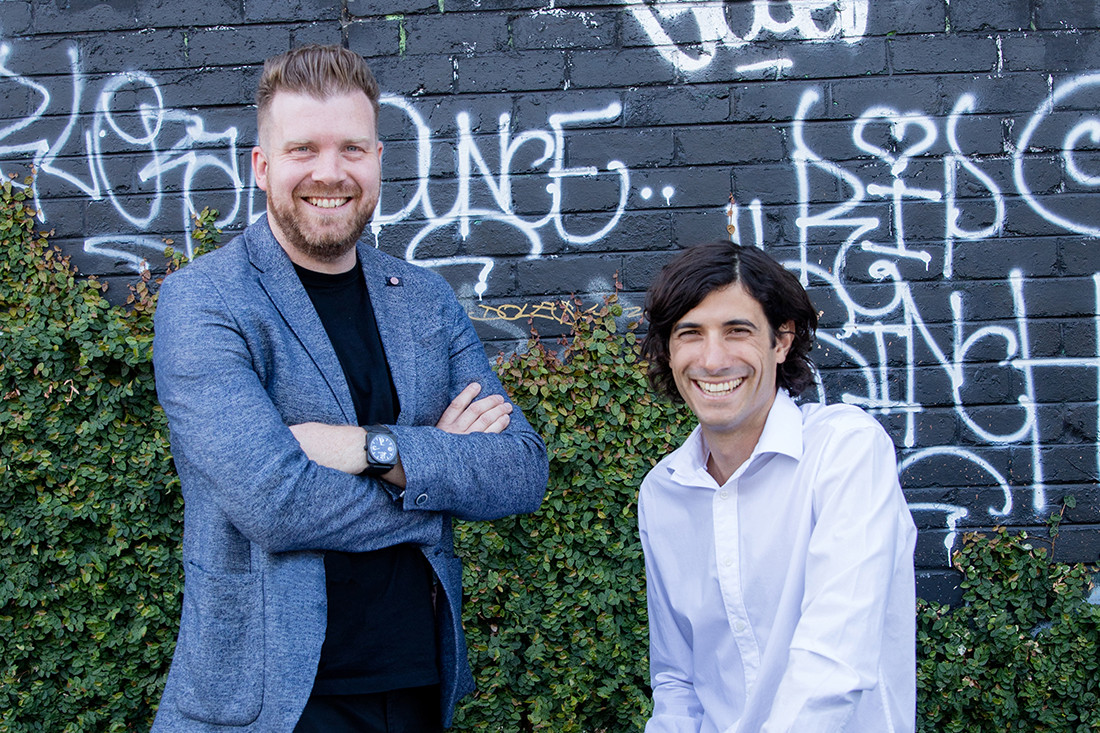
The Branch Studio team in Brunswick.
Small versus big
Where is the sweet spot in design? How big should a practice grow? What is the best scale to produce work in? These are the questions that Branch has been grappling with since its inception. “We’ve been doing small-to-medium projects over a number of years and just working away at it,” shares Wray. Starting with smaller-scale projects and building up to bigger and bigger work is a tried and true path for many architects. But Branch doesn’t want to get so big that it forgoes the smaller stuff altogether, because “it’s often the small projects that are the most engaging”. As Russo says: “No project is dismissed as ‘too small’, ‘too restrictive’ or ‘too cheap’ to achieve a successful architectural outcome.”

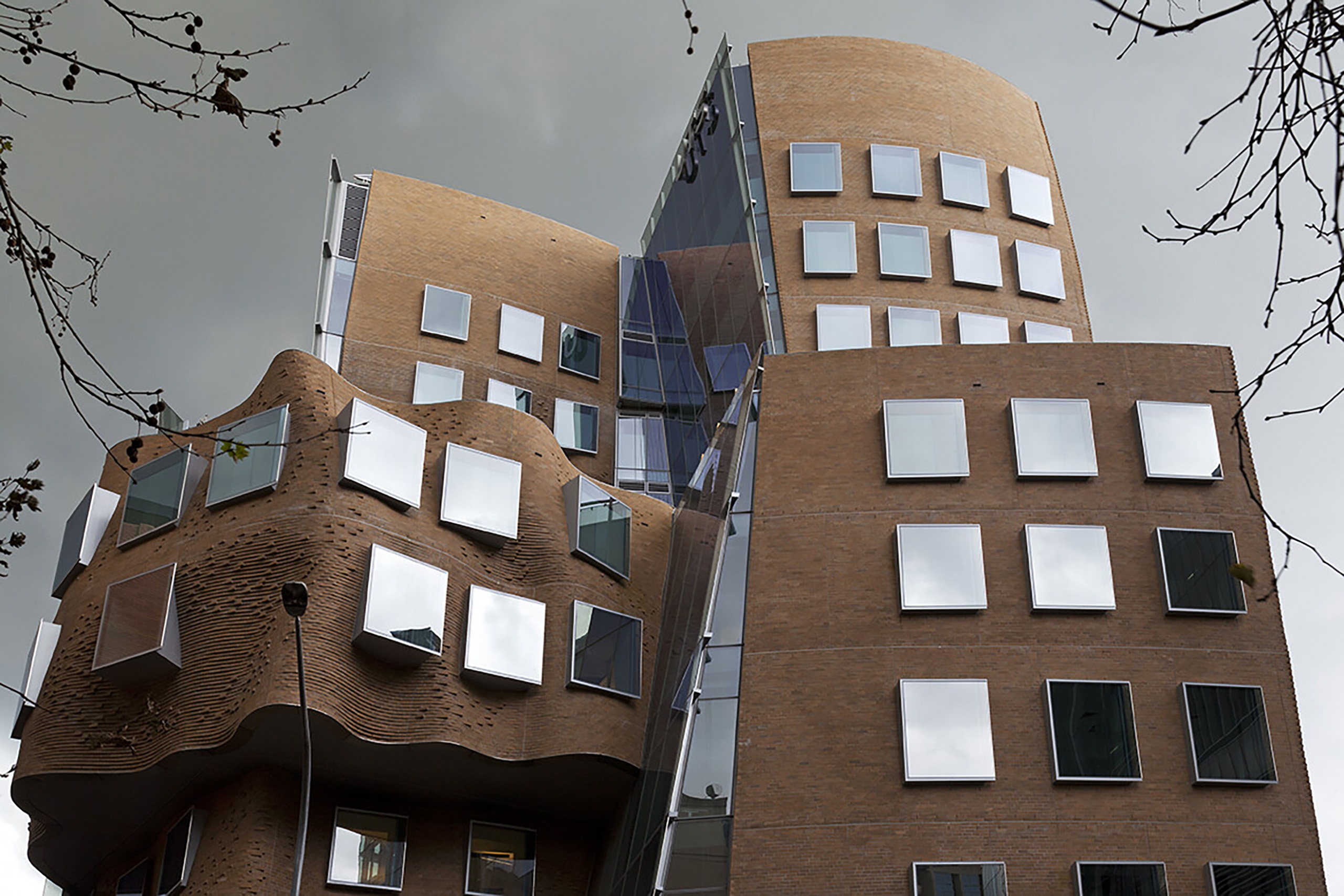
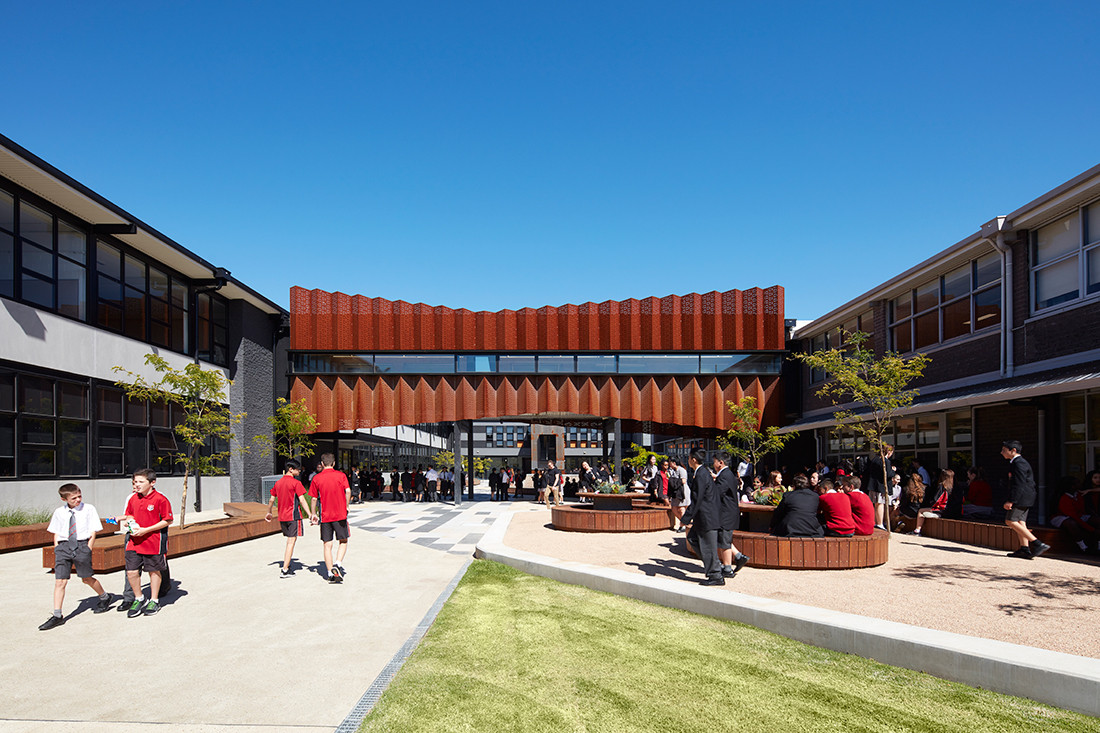
Caroline Chisholm College administration building
This battle between large and small plays out not just in the work but also in how large the team and operations should be. From the business side of things, Russo notes, “I think in the last year or two we have uncovered a good formula for our business with the types of projects we undertake, the size of our practice and the roles we all have within it.”
Caroline Chisholm College Flyover Gallery
Educational versus residential
Branch has carved out a niche and reputation in both education and residential architecture. A unique position to find themselves in and one that they often oscillate between. “We talked about cutting back on doing the residential work and just concentrating on the educational work,” says Wray. But in the end he and Russo have kept both facets of the practice running, with education being a special focus. “We just absolutely love working for schools,” says Wray. “I love finishing a project, it’s exciting to see the students’ faces. Generally they wouldn’t get the opportunity to experience a good piece of design on a daily basis, so it makes it really rewarding.”
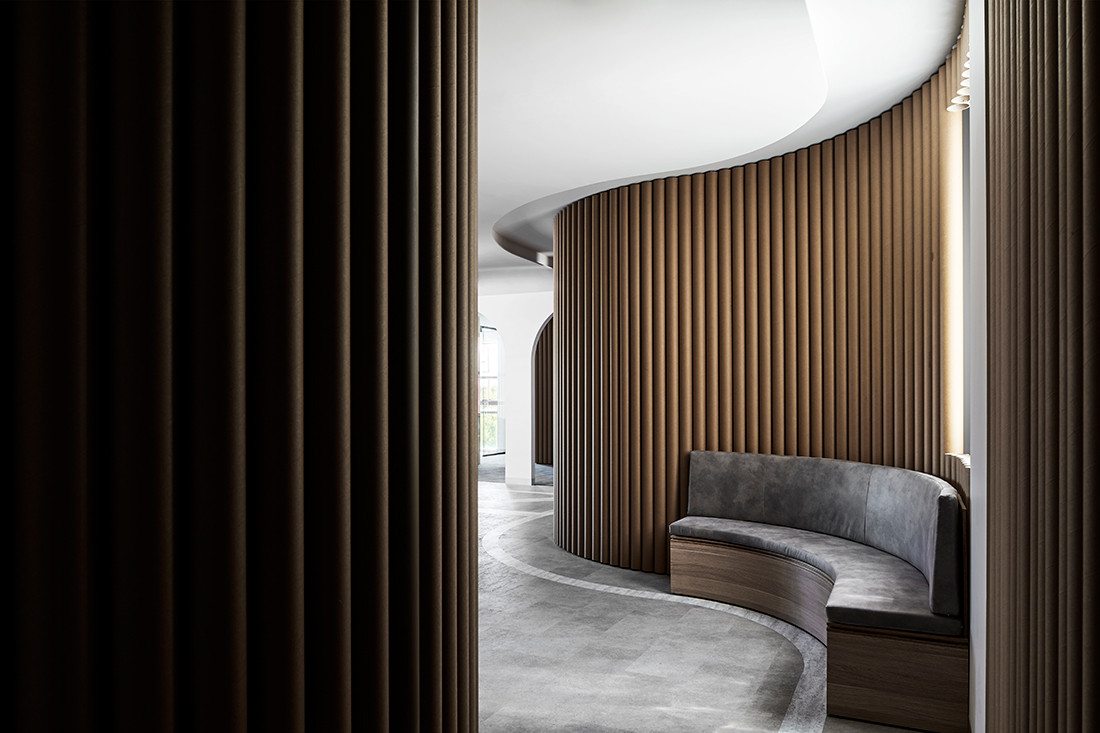
Piazza Dell’Ufficio: Caroline Chisholm College Admin Centre
The school projects have continued to get larger in scale and budget, and are the result of ongoing relationships – one in particular being Caroline Chisholm College where the studio has completed 12 projects, with one more larger scale work due for completion in 2019. Wray explains: “I think with schools it comes back to this element of trust: trusting your architect and their abilities.” And if the relationship with Caroline Chisholm is anything to go by, there is plenty of trust on the table.
.
“Generally [students] wouldn’t get the opportunity to experience a good piece of design on a daily basis, so it makes it really rewarding.” – Brad Wray
.
International influence versus regional context
“Brad and I often look internationally for inspiration,” says Russo, adding, “it’s great to have an understanding of what is happening in a global sense and how that then relates to what we do locally. We try not to become insular or seduced by design fads and are influenced by work that maintains a quality and integrity beyond fashion and fanfare.”

Quaine Library, St Monica’s College, Epping
Although perhaps not apparent from first glance, many of Branch’s projects take inspiration from international reference points – including a studio space that gives a nod to Carlo Scarpa’s seminal Brion Vega tomb. Another example is the recently completed Piazza Dell’Ufficio administration building for Caroline Chisholm College, which takes references from traditional European piazzas. “From a pedagogical point of view it was about bringing the students and staff together,” says Wray. “[Piazzas are] such important spaces for getting people to come together. So we thought about how we could read them in a contemporary way. How could we bring them here, into 2019 and beyond?”

Piazza Dell’Ufficio: Caroline Chisholm College Admin Centre
Although very much in the thick of a growing volume of projects, the pair continues to thoughtfully manoeuvre through the journey of architectural practice. Navigating the future is an exercise in “understanding where we’re going, what we’ve done, what’s important to us, and what’s not.” A timely perspective indeed.
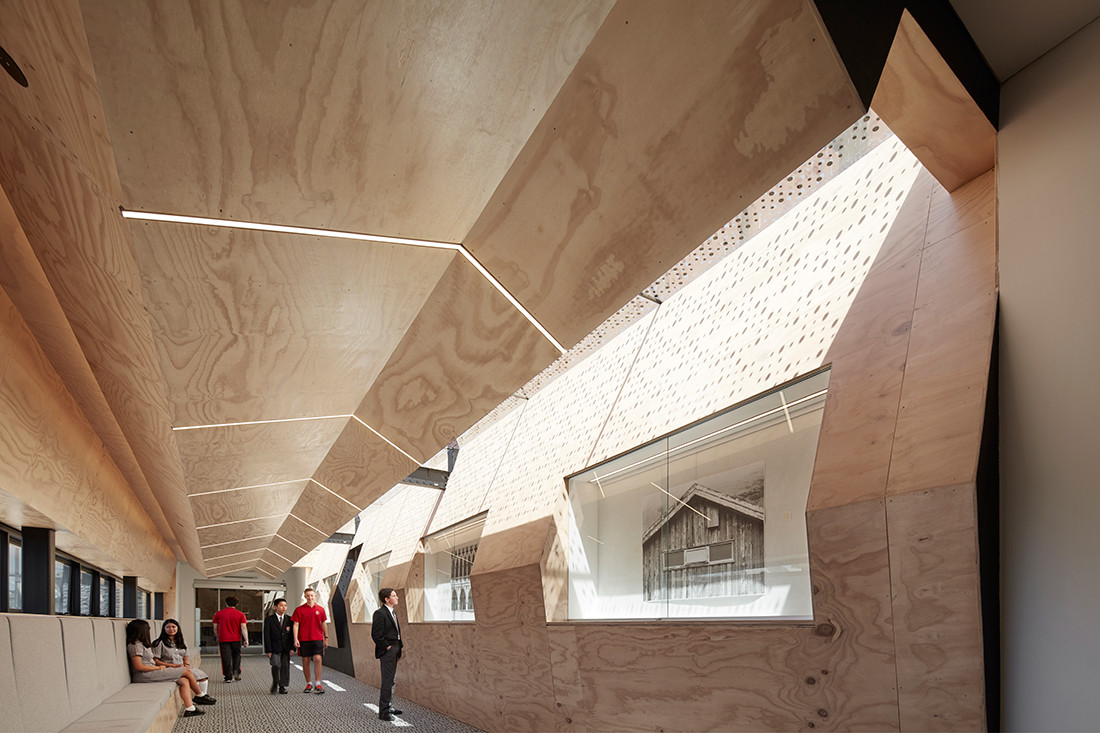
Caroline Chisholm College Flyover Gallery
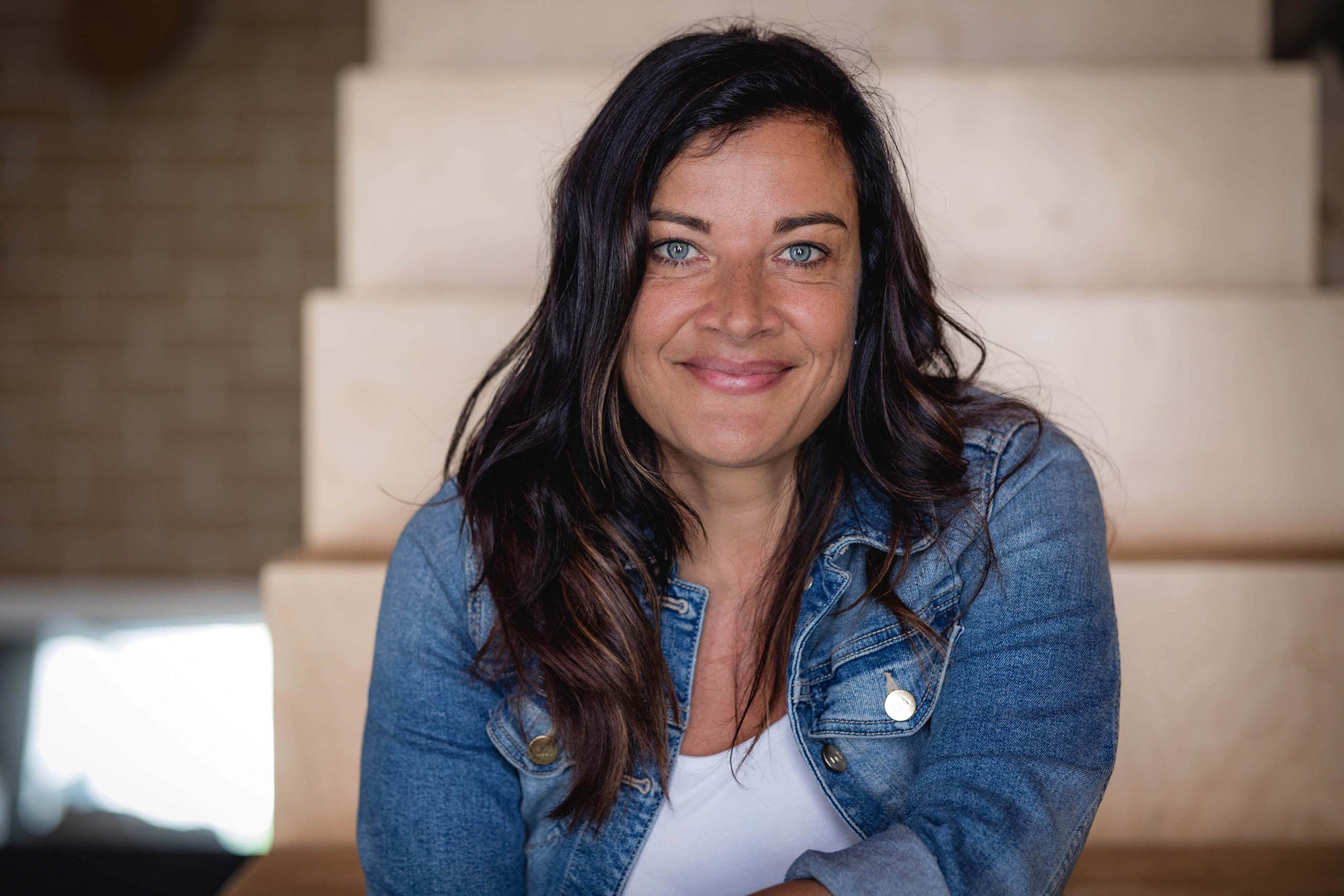
Portrait photography by Elizabeth Bull. Project photography by Peter Clarke.
More Branch projects here. This profile originally appeared in issue #77 of Indesign magazine – the ‘Knowledge Economy’ issue. Join our online design community to stay in the loop with all the industry happenings, sign up here.