The home of architecture and design in the Asia-Pacific
Get the latest design news direct to your inbox!

Get the latest design news direct to your inbox!
Cantilever is a name synonymous with design-focused kitchens that stand the test of time. When they went looking for a like-minded appliance brand with an exemplary sustainability record to collaborate with, the choice was simple.

May 13th, 2021
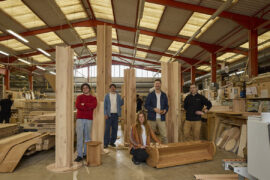
Any building project comes with an environmental cost and one of the worst offenders is the kitchen renovation. Cupboards are pulled out and sent to the tip, and working white goods often suffer a similar fate. For the past 15 years Cantilever has been tackling this problem one piece of architectural hardware at a time, and says the answer is relatively simple.
“The best solution is designing it well from the start,” says Travis Dean, director of Cantilever. “One of our longevity principles is based around the idea that if a design is fit for purpose, fit for the space, uses quality materials and quality hardware, then it will be timeless and it won’t be pulled out and end up as landfill.”
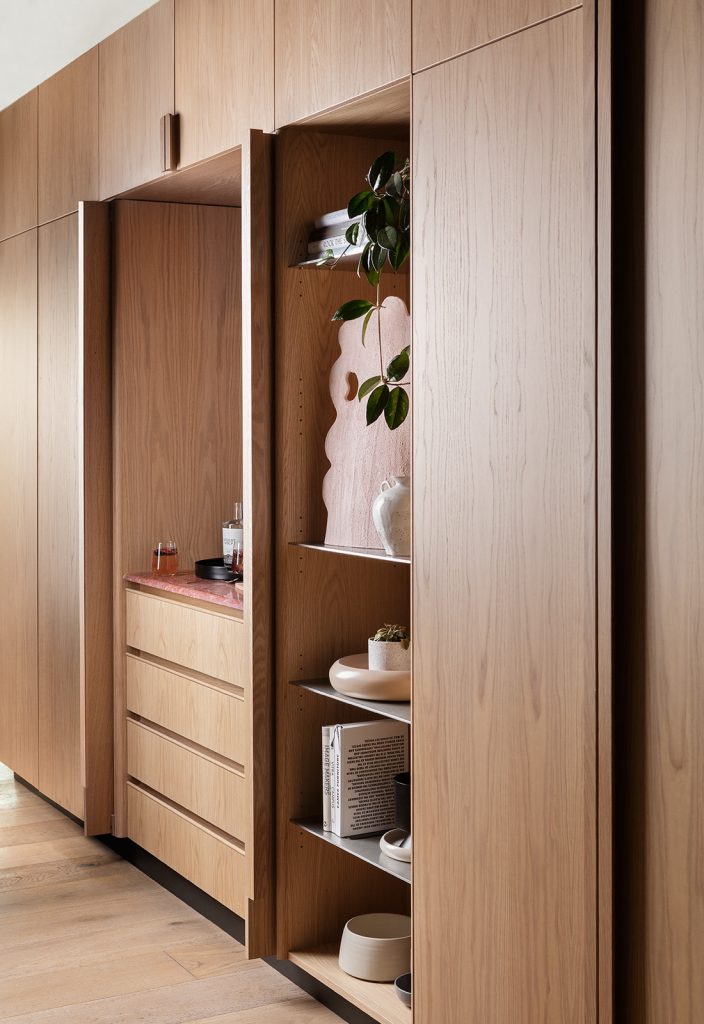

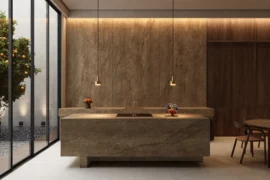
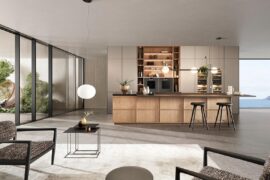
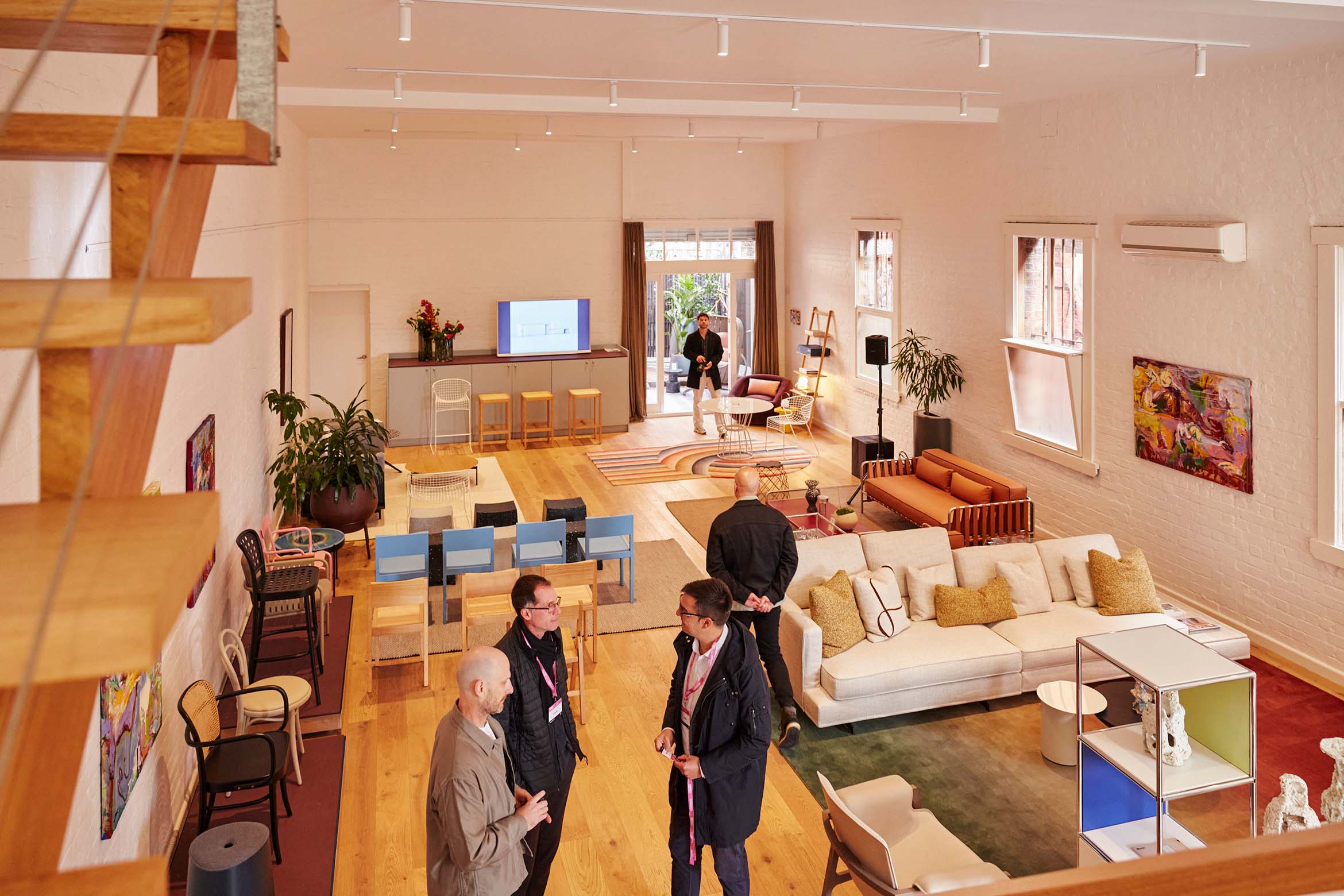
Cantilever source eZero fibreboard, water-based finishes, low-VOC materials and quality hardware for its projects, and minimises offcut wastage – an industry-wide issue – through clever design. So when the opportunity to showcase the EDIT kitchen system in Cosh Living’s new showroom in Melbourne came up, Dean approached V-ZUG, impressed by the Swiss appliance manufacturer’s sustainability credentials.
“We look to brands that have a design aesthetic that links to our products but also have a philosophy that aligns from a sustainability point-of-view,” says Dean. “[V-ZUG run their] factory carbon neutral and they lead in certain features, like their steam ovens. Their dishwashers have some great sustainable features like capturing the water from the last cycle and using that to rinse on the next cycle – it’s smart.”

There’s also a shared ethos in staying true to design-led propositions when it comes to functionality and understanding how people use their kitchens. For V-ZUG that means versatile products that feature intuitive interaction, such as the Supreme cooling fridges; or different programs suited to users’ needs, interests and skills – such as the Combi-Steam cooking range.
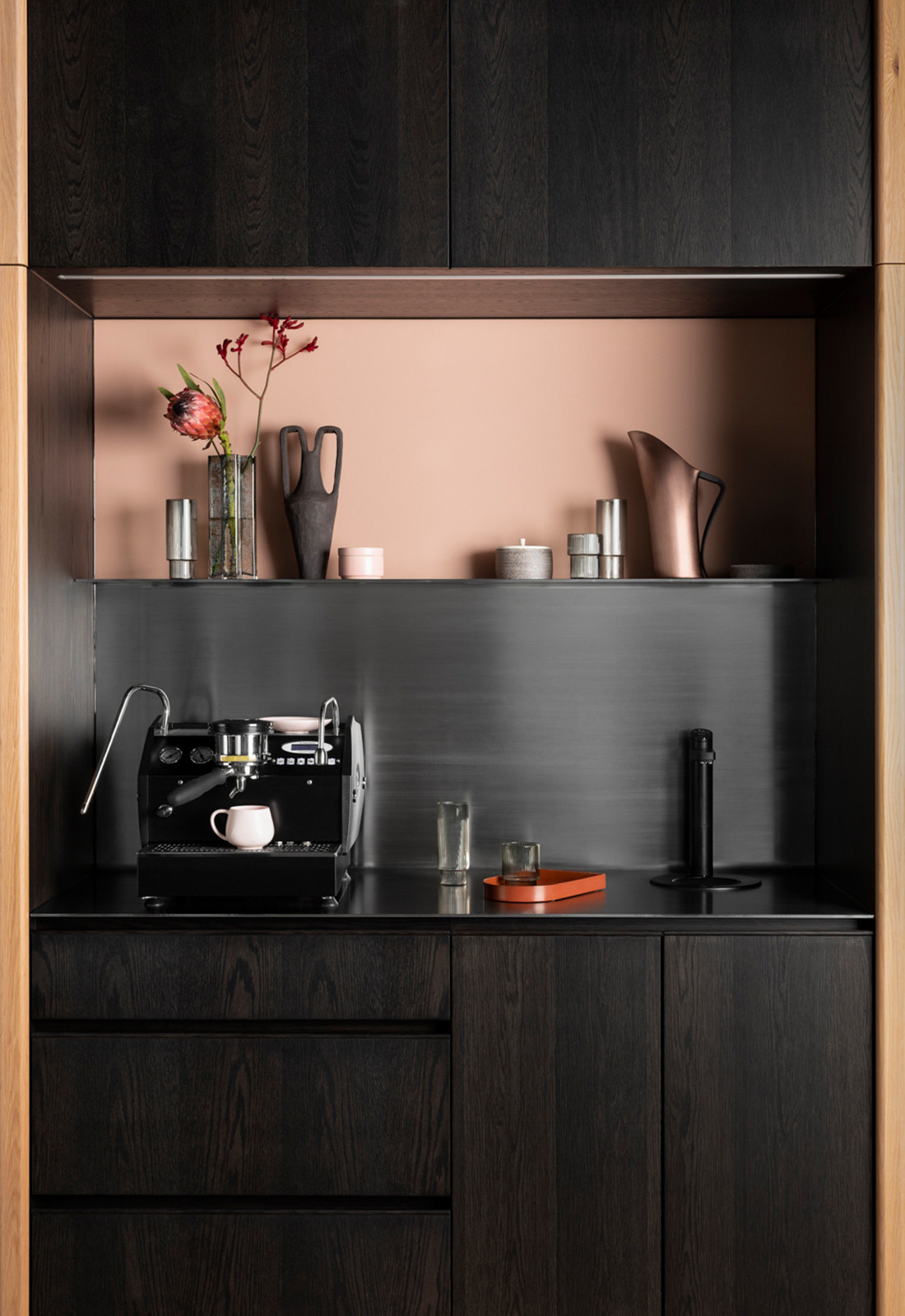
Analysing user behaviour to develop a product that will remain relevant in years to come extends to other aspects of the V-ZUG range that appeal to Cantilever: upgrading models via technology updates rather than physically replacing them, and relying on an understated look using V-ZUG’s signature black mirror glass finish to survive and transcend different style trends.
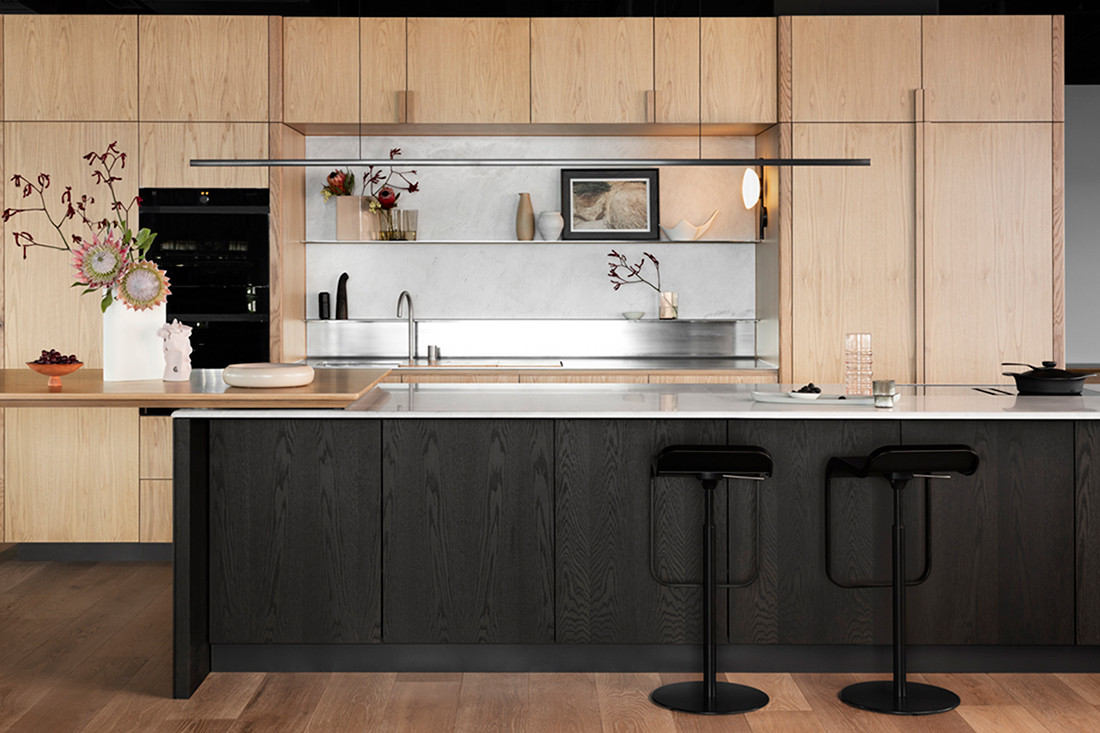
“I like that they don’t try to be the hero of the kitchen,” says Cantilever’s creative director, Kylie Forbes. “They are focused on a restrained simplicity in their design and that relates back to our own philosophy of design: having that refined, deliberate simplicity to give longevity to the aesthetic, but ultimately letting the use and the experience of the family be the hero.”

The Cantilever-V-ZUG collaboration is a true reflection of those shared values and creates a kitchen that provides a lifetime of enjoyment in an environmentally friendly way.
Cantilever
V-ZUG
INDESIGN is on instagram
Follow @indesignlive
A searchable and comprehensive guide for specifying leading products and their suppliers
Keep up to date with the latest and greatest from our industry BFF's!
The internet never sleeps! Here's the stuff you might have missed