Every room has the potential to feel balanced and layered, but it often needs the right element to pull everything together. So how do you create that sense of grounding? Carpets play a big part in achieving that.
With such a wide range of carpets available, you have different options for playing with scale, tone, and contrast. Here’s how to use these elements to create balance and depth in your space.
Add texture to improve flow and harmony
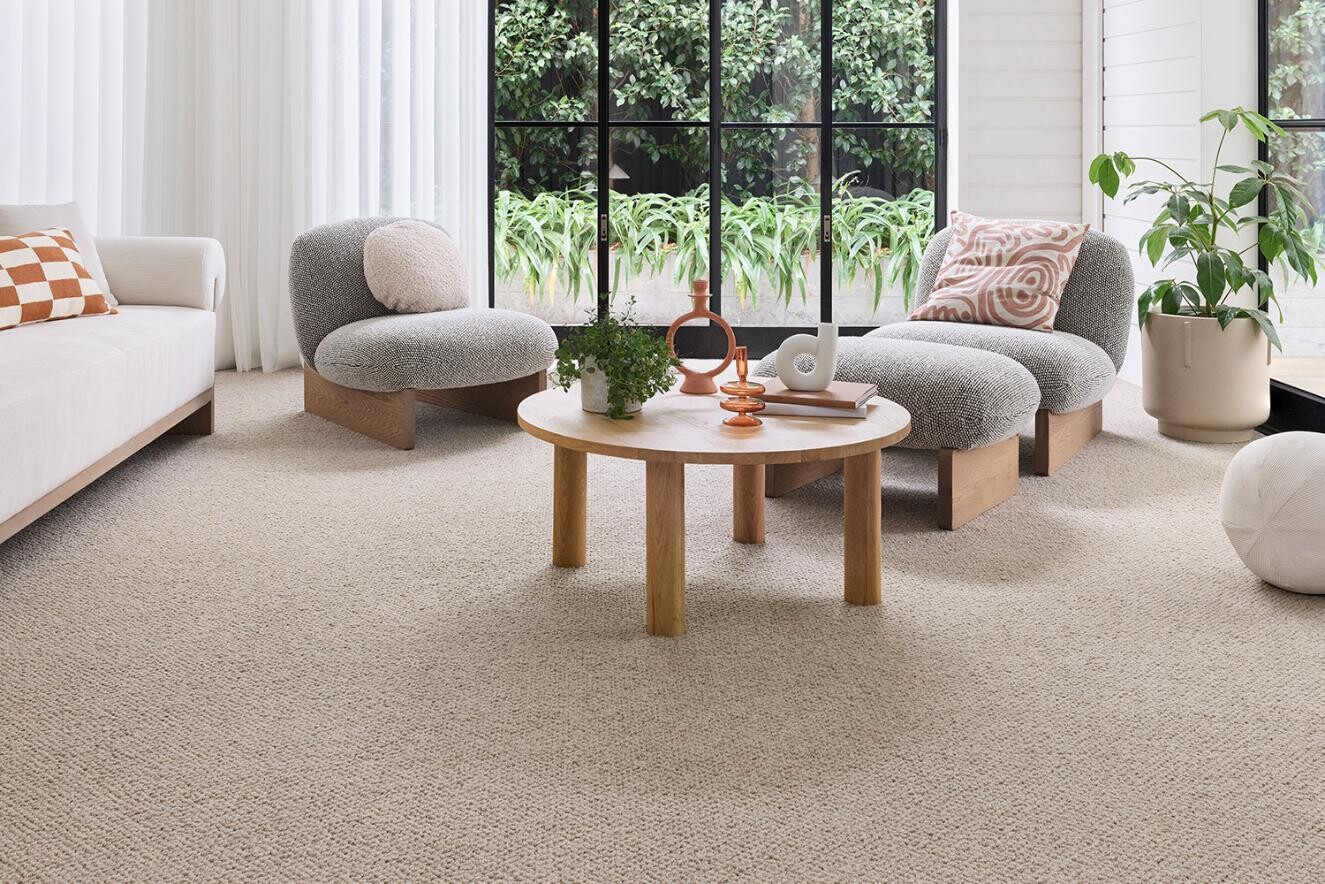
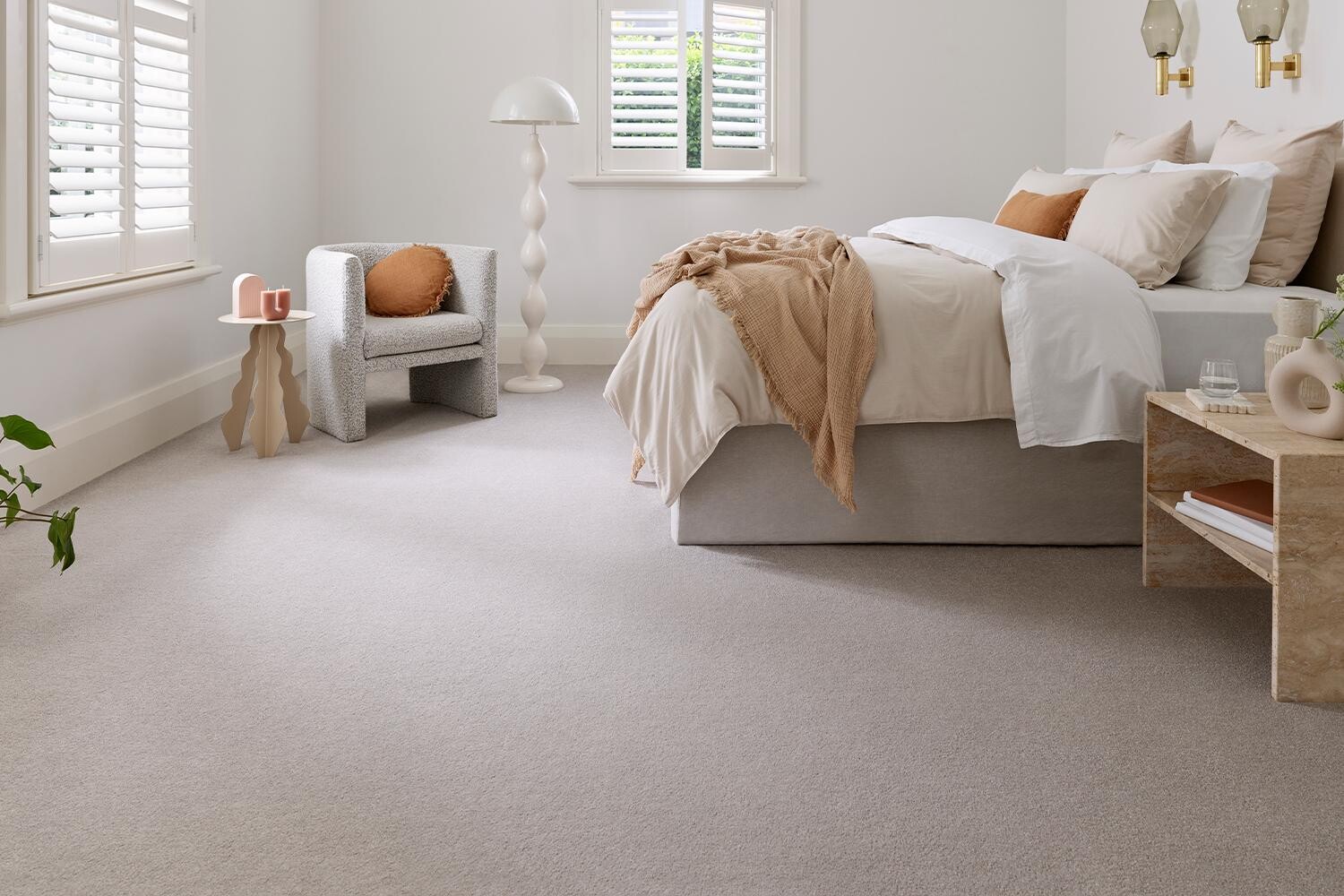
Walk into a room with a thick cut pile carpet, and you might notice the space feels more settled. That’s because the smooth surface gives the floor a clean, uniform look. This carpet type works well for spaces where you want your furniture to be the main focus, without a busy floor pattern getting in the way.
Loop pile carpets work differently, as the raised loops add a gentle texture that gives a simple room more visual interest. And in styles where you can see clear rows, the direction of the loops can guide your eye. This means you can use this in narrow hallways to make them feel wider.
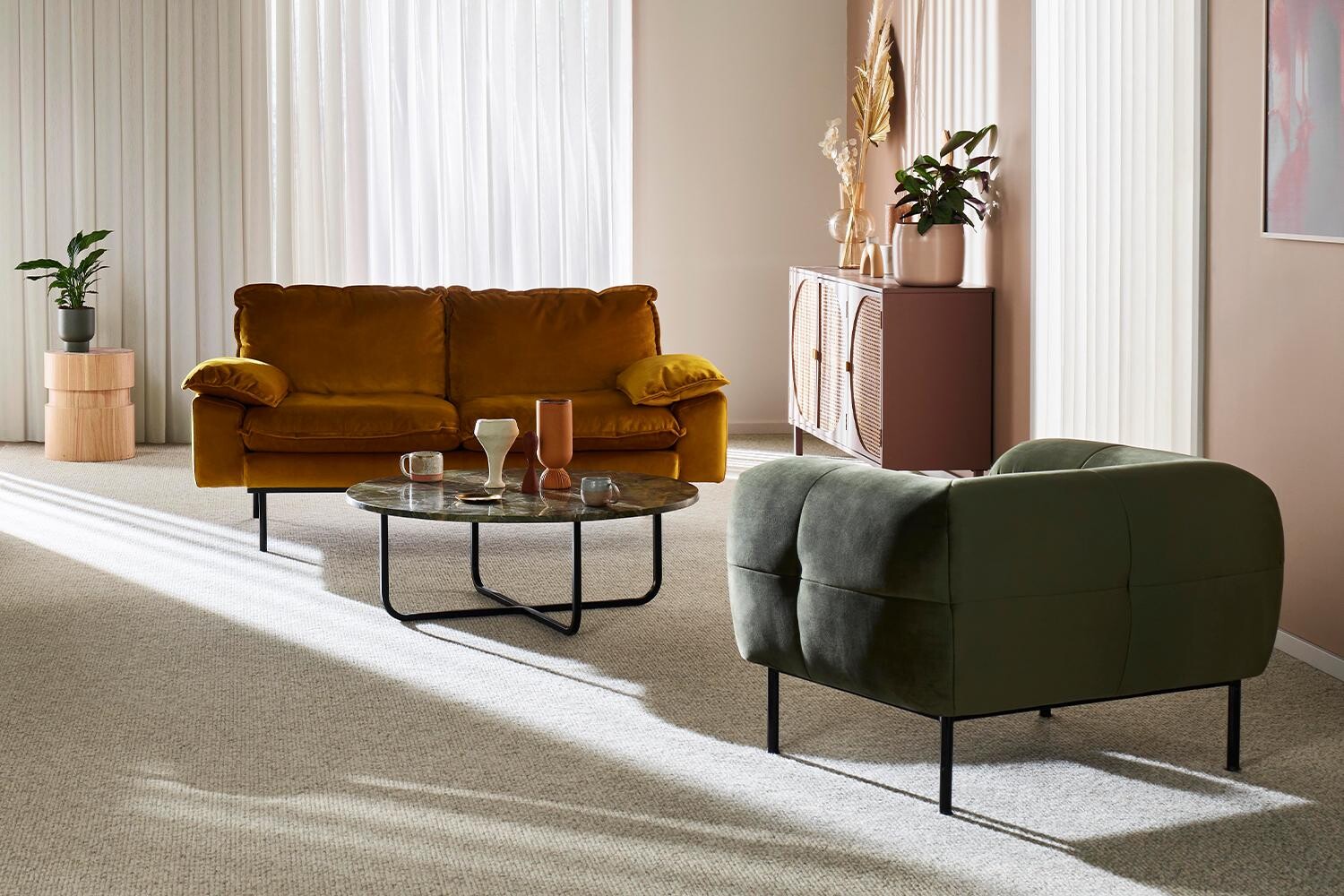
Bring colour to define your space
Your carpet colour sets the tone for how a room feels and functions. If you’re working with a space that feels a little cramped, a light-toned carpet in soft grey or beige can make the room feel more open. These softer shades also give you flexibility when arranging furniture and decor because they sit comfortably in the background.
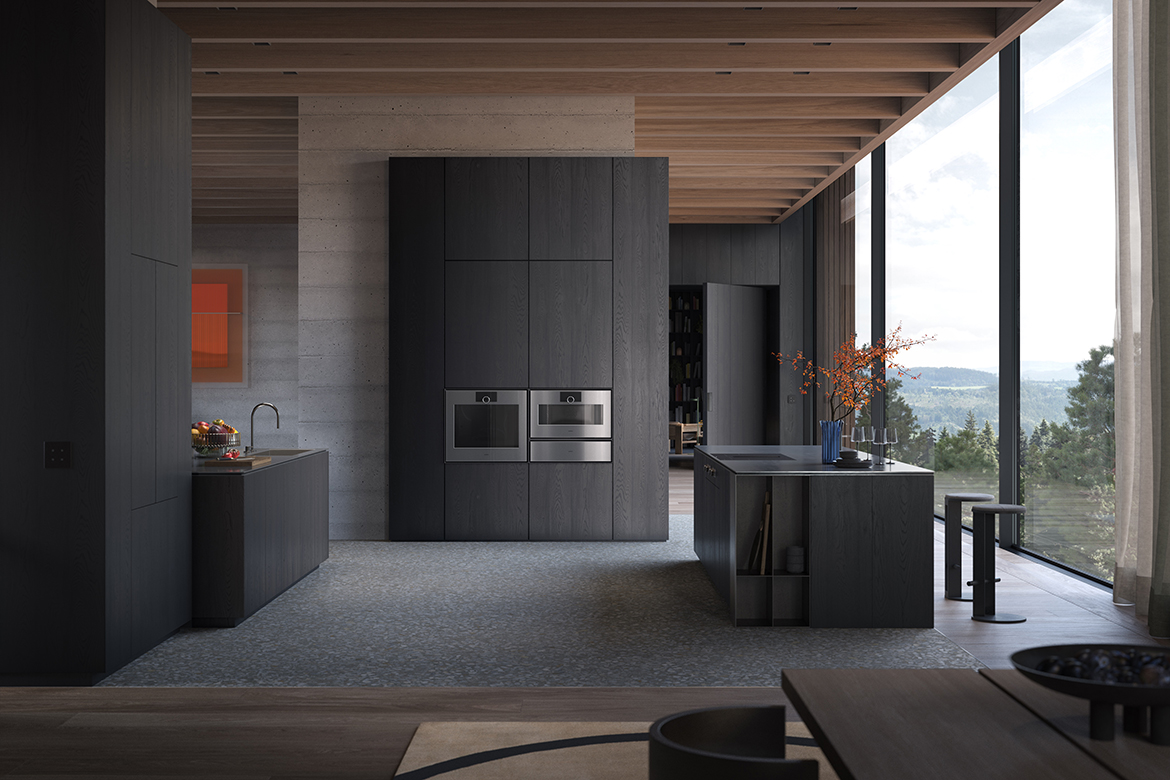
For bigger rooms that feel open but not very inviting, a darker carpet adds a sense of depth that helps anchor the layout. Deeper tones can make seating or dining areas feel more cohesive, which is useful when you want clearer structure without closing the room in.
Find the right look with carpet fibres
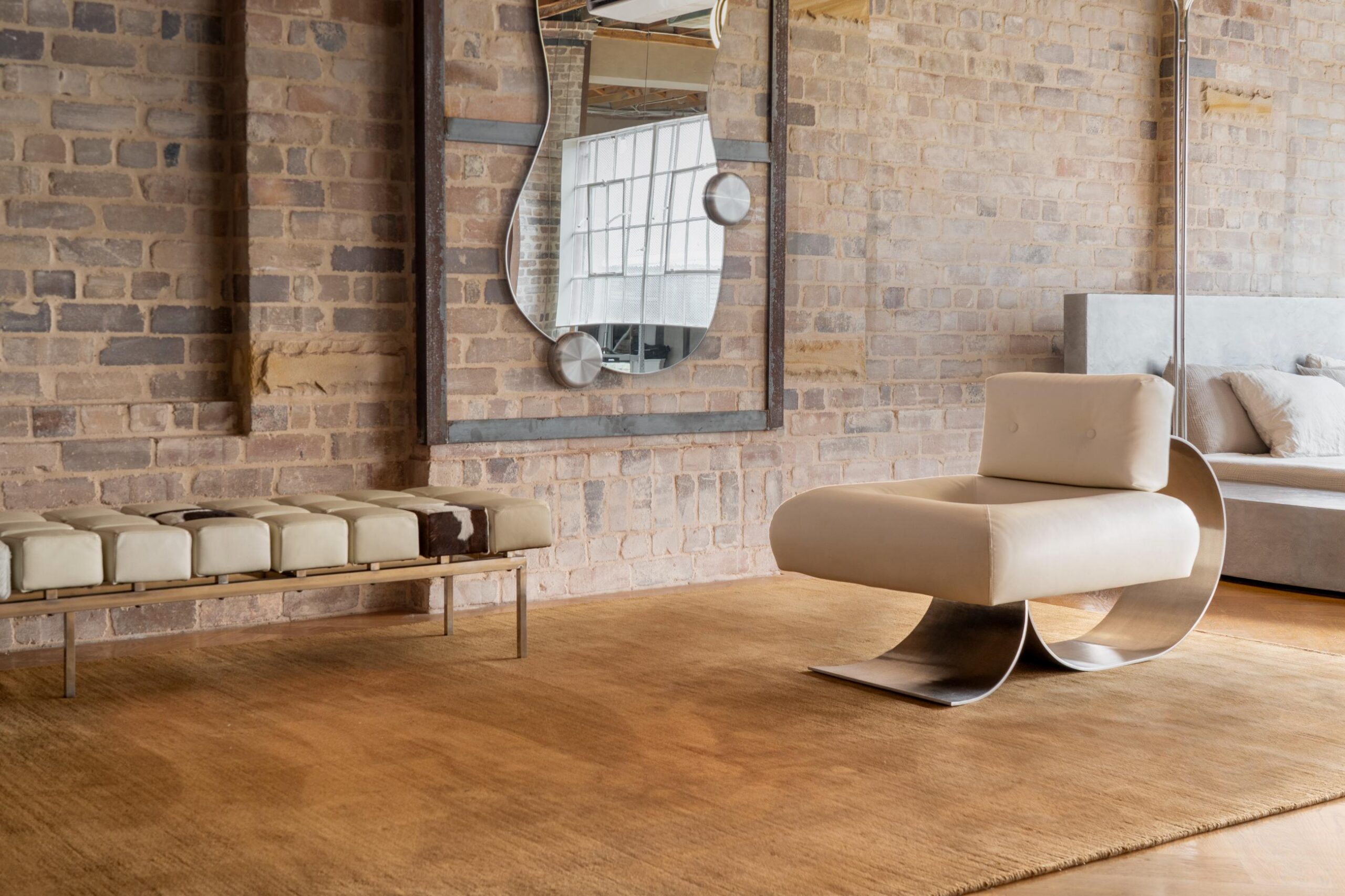
When you pick a carpet, the material should support how you live and how you want the room to feel. For a space that feels warm and comfortable, wool gives you natural softness. It also adds insulation, which is especially helpful in bedrooms, lounge rooms, and homes built on concrete slabs where floors tend to feel cool.
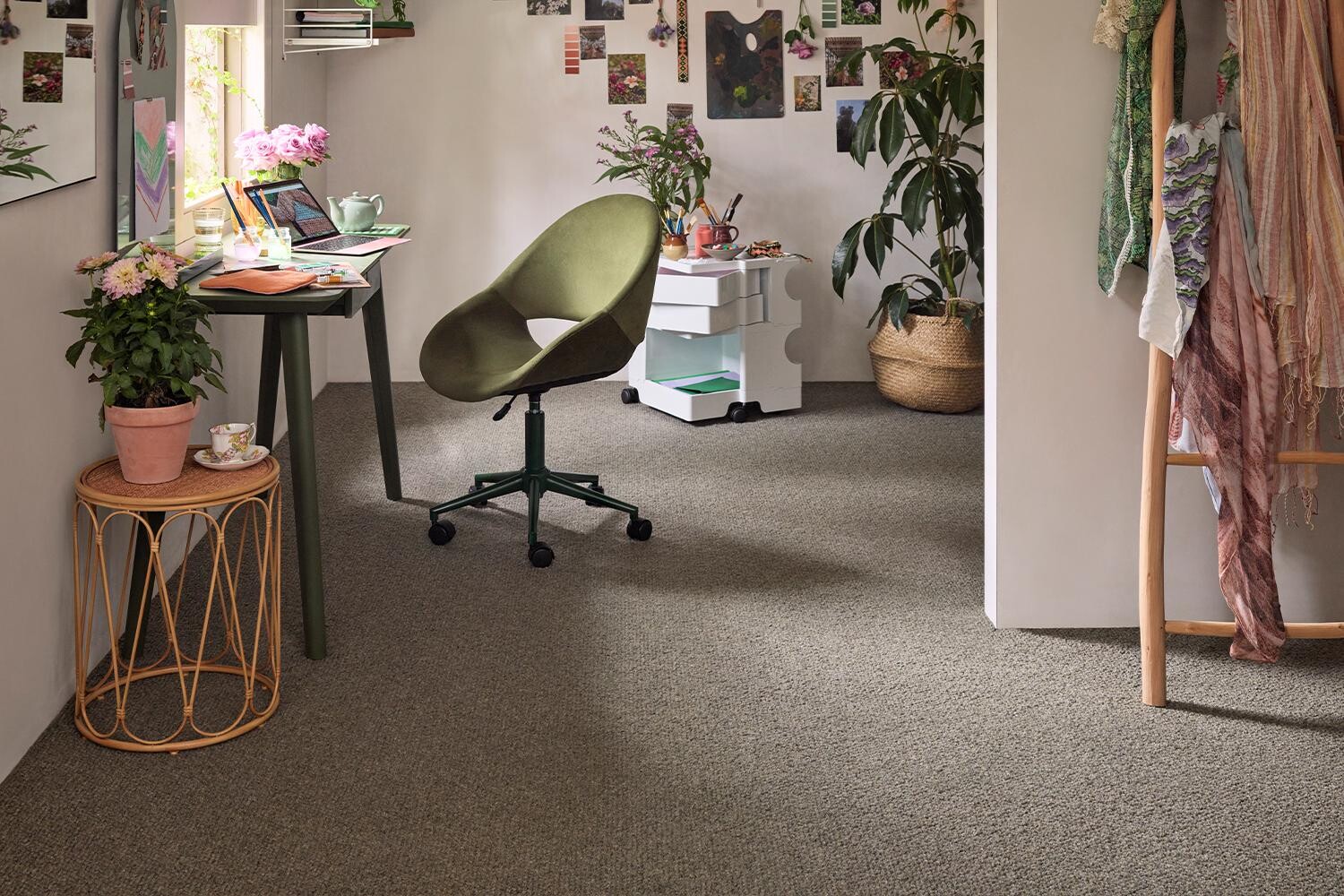
Different carpet fibres also respond differently to your space. If you live in a home that gets plenty of direct sunlight, synthetic carpets handle those conditions well.
Fibres like solution-dyed nylon, specifically, are made to resist fading, so your carpet stays vibrant. They cope well with everyday spills and steady foot traffic, which makes them practical for family areas.
See how these ideas work in real spaces
Getting that perfect sense of balance and depth in a room often comes down to your carpet. The right one can make a space feel larger, more cohesive, and intentionally designed.
For practical information about how carpets support balance, depth, and comfort, Carpet Court, Australia’s largest retailer of blinds, carpets, and flooring, offers clear insights into the right options for your home. This helps you understand how texture, colour, and pile work together to create a harmonious space.