The home of architecture and design in the Asia-Pacific
Get the latest design news direct to your inbox!

Get the latest design news direct to your inbox!
Now in its ninth year, Open House Melbourne has broken free of its weekend-long format to become a genuine year-round program of events. Ben Morgan writes.
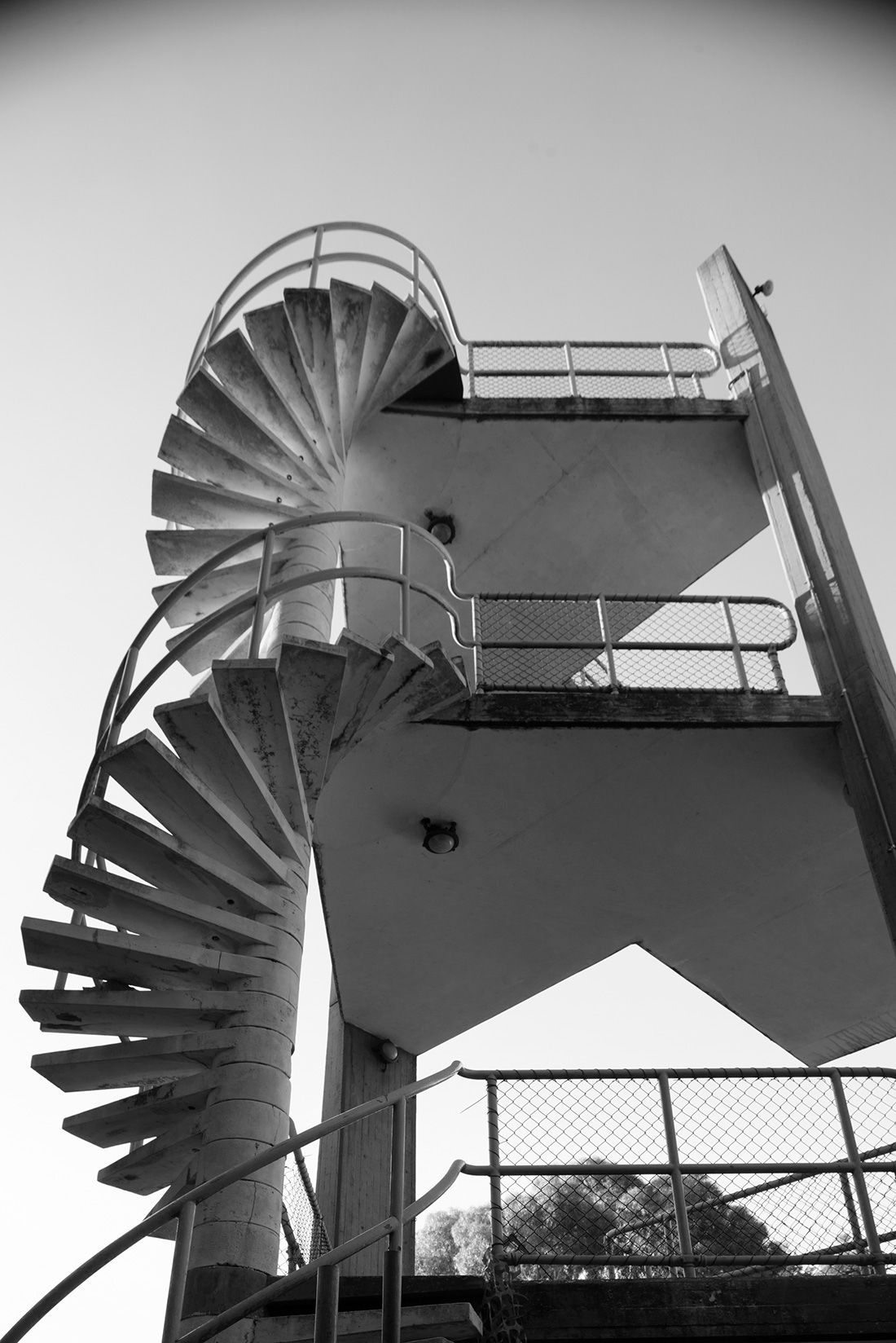
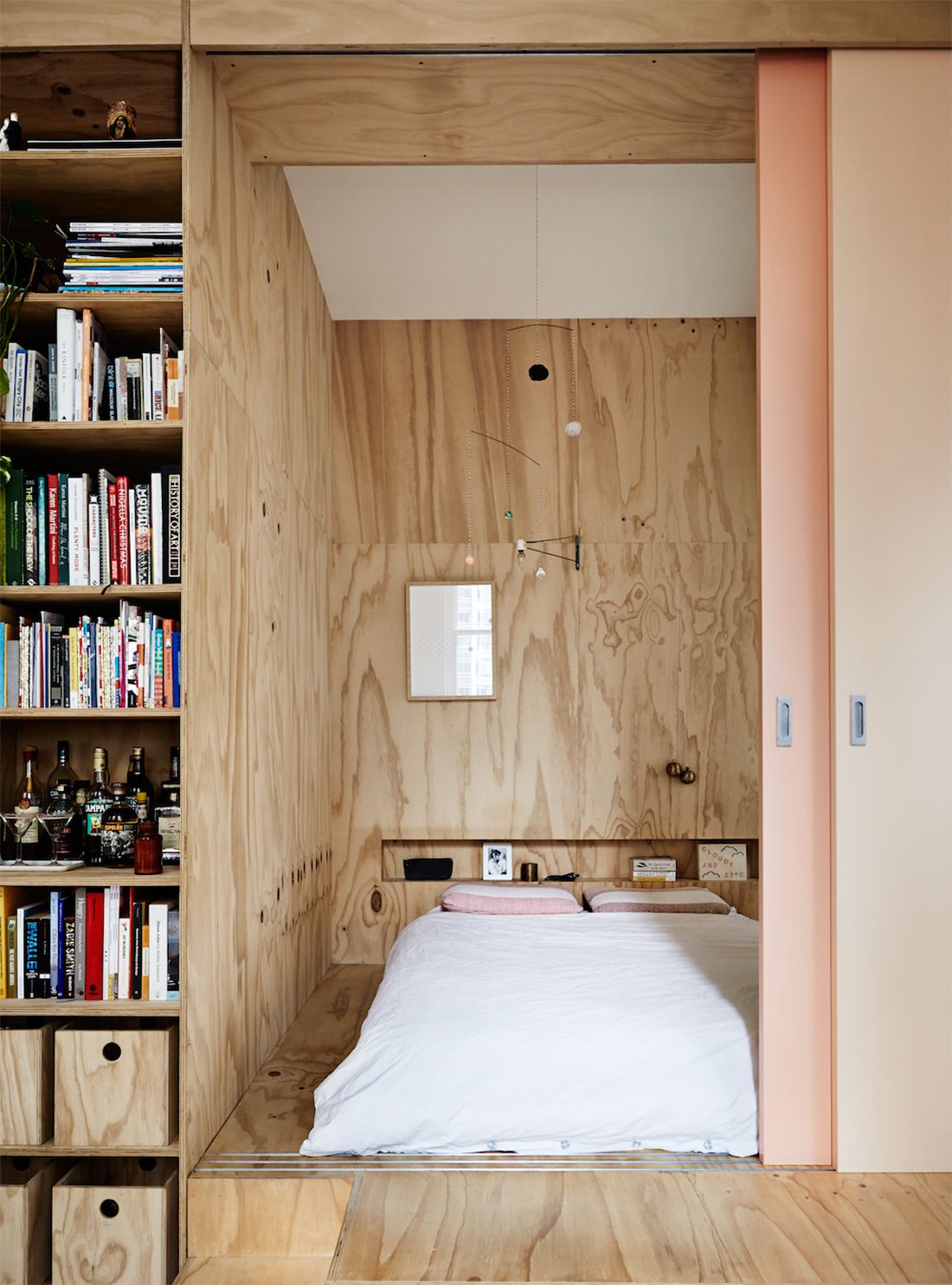
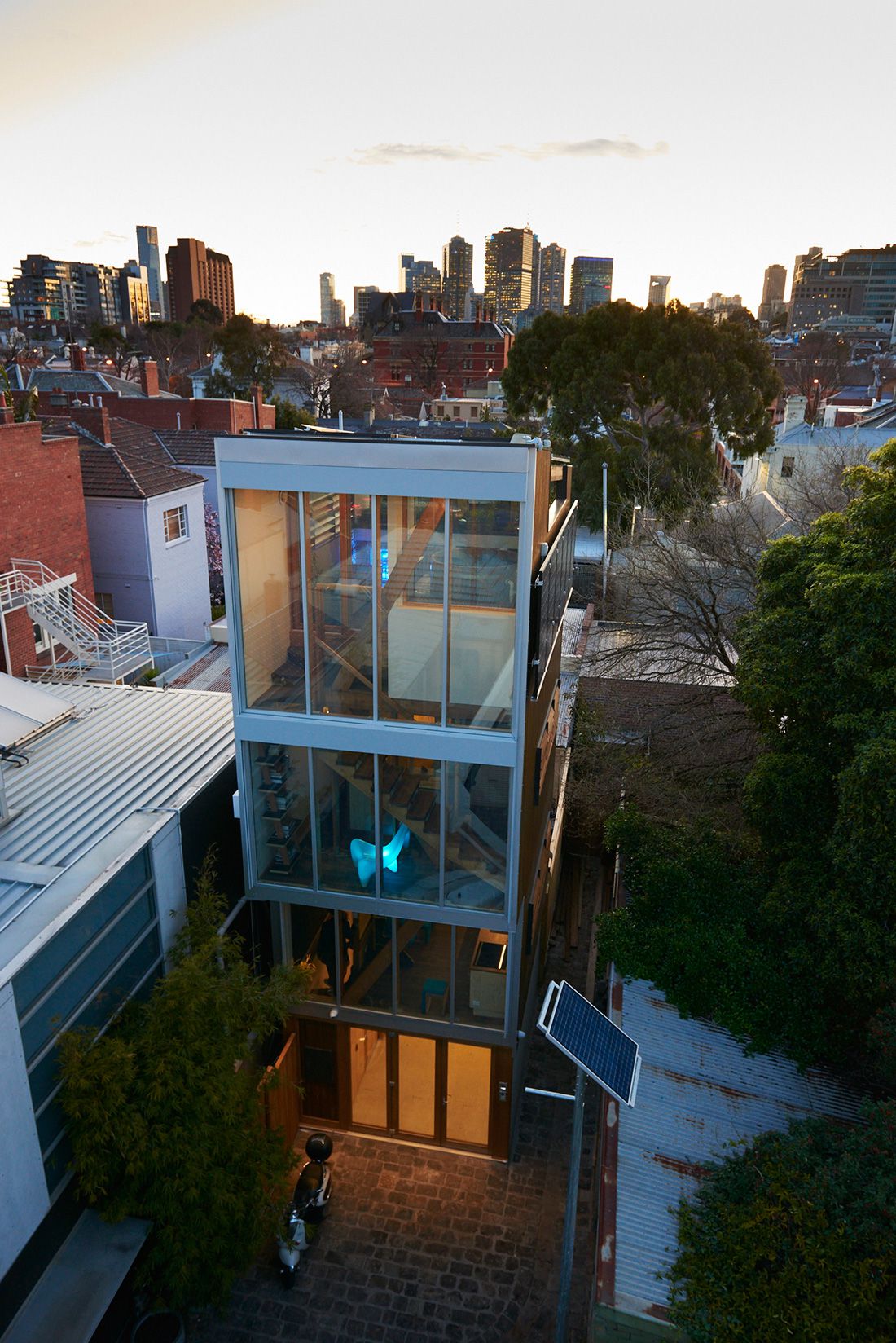
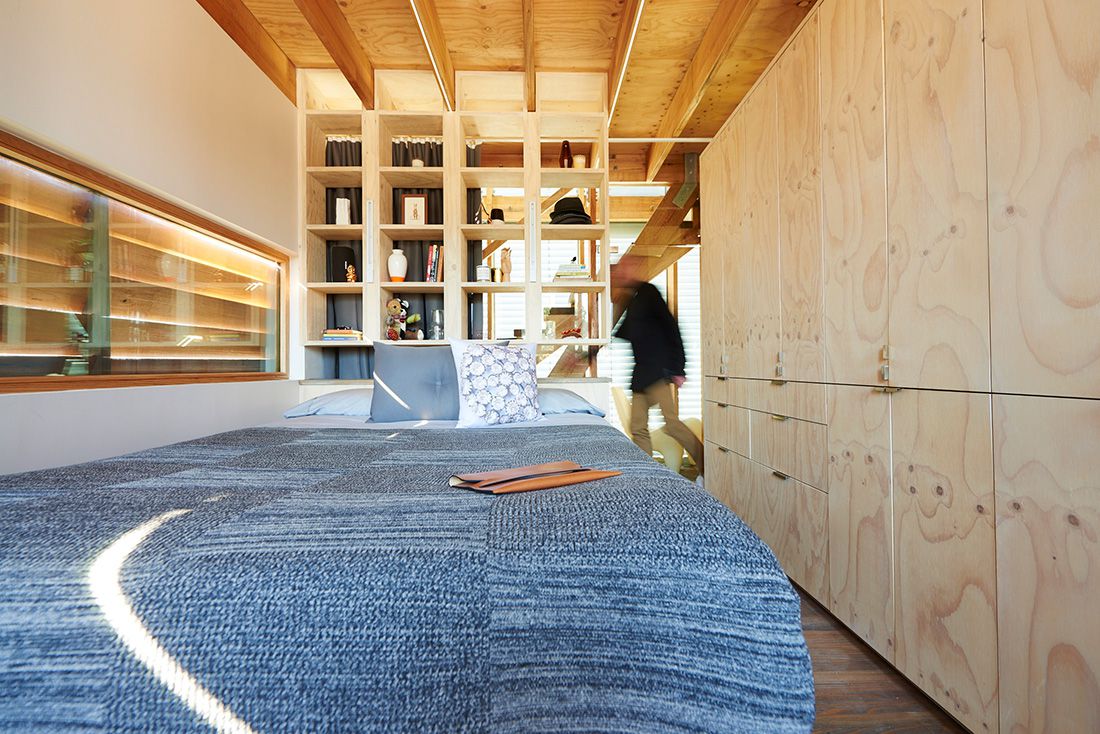
Open House Melbourne (OHM) was once a weekend event, giving the public an opportunity to step into some of the city’s hidden spaces, and shedding new light on the history, design and diverse uses of its public buildings. While many Melburnians may still know it best for these fascinating two days in July, the program has grown – and continues to evolve – into a year-round exploration of the interactions between humans and the urban environment.
Creative Director of OHM, Emma Telfer, has been working hard to ensure the program continues to push boundaries and ignite conversation. The 2016 OHM has grown the number of events – including a speaker series, exhibitions and exciting new collaborations. “We’re moving towards a model of three key moments in the year with at least a month-long program,” Telfer explains. “July will always be about open access, making it as free and accessible as possible, the other two programs will really drill down into a theme or a challenge that the city is facing in terms of its built environment.”
The formalisation of the OHM year-round program has come to life with ‘What’s the Beef with Brutalism’ in May, a number of exciting additions to the July program and plans for further programming in the second half 2016. “For me personally it’s really exciting to see that maturity in the organisation,” Telfer adds.
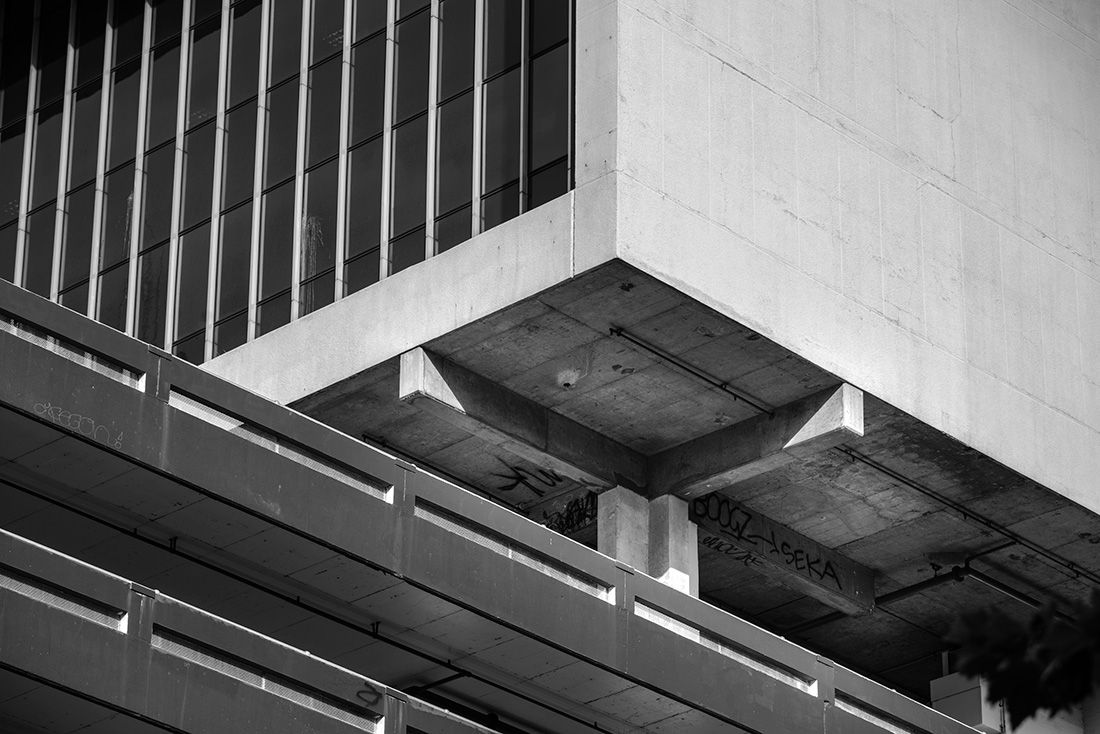
The focus on Brutalism this year – with various talks and events – reflects OHM’s desire to discuss and explore the tougher issues facing our urban makeup. Oft maligned, but also passionately defended, the world of Brutalist architecture was celebrated at the Brutalist Block Party in May, in collaboration with Assemble Papers. It’s these perhaps less sexy yet immediately relevant topics that appear to be really engaging Melburnians.
The conversations around our architectural heritage are matched by talks and exhibitions looking at the future of urban habitation, particularly useful for architects and designers tackling the major challenges raised. The most exciting part of the July portion of the program may be the Occupied Exhibition, looking at the realities of housing urban populations – which are set to double in Australia’s major cities in the next 30 years. Housed at the RMIT Design Hub building, Occupied “brings together local and international practitioners and showcases proposals for housing more with less, retrofitting, adapting and repurposing existing structures and environments”. The exhibition is curated by Grace Mortlock, David Neustein, Fleur Watson, and builds on a number of aspects explored in Mortlock and Neustein’s earlier work, Offset House.
Of course, the July weekend remains a standout event, with over 140 buildings this year, and an emphasis on buildings outside the CBD. Locations such as Jack’s Magazine – a former explosives store by the banks of the Maribyrnong River – and Australian Islamic Centre, designed by Glenn Murcutt and Hakan Elevli, offer a rich experience in the West. The ‘Further Afield’ category highlights those locations and events pushing the program into the greater Melbourne area – which will become a growing focus for OHM.
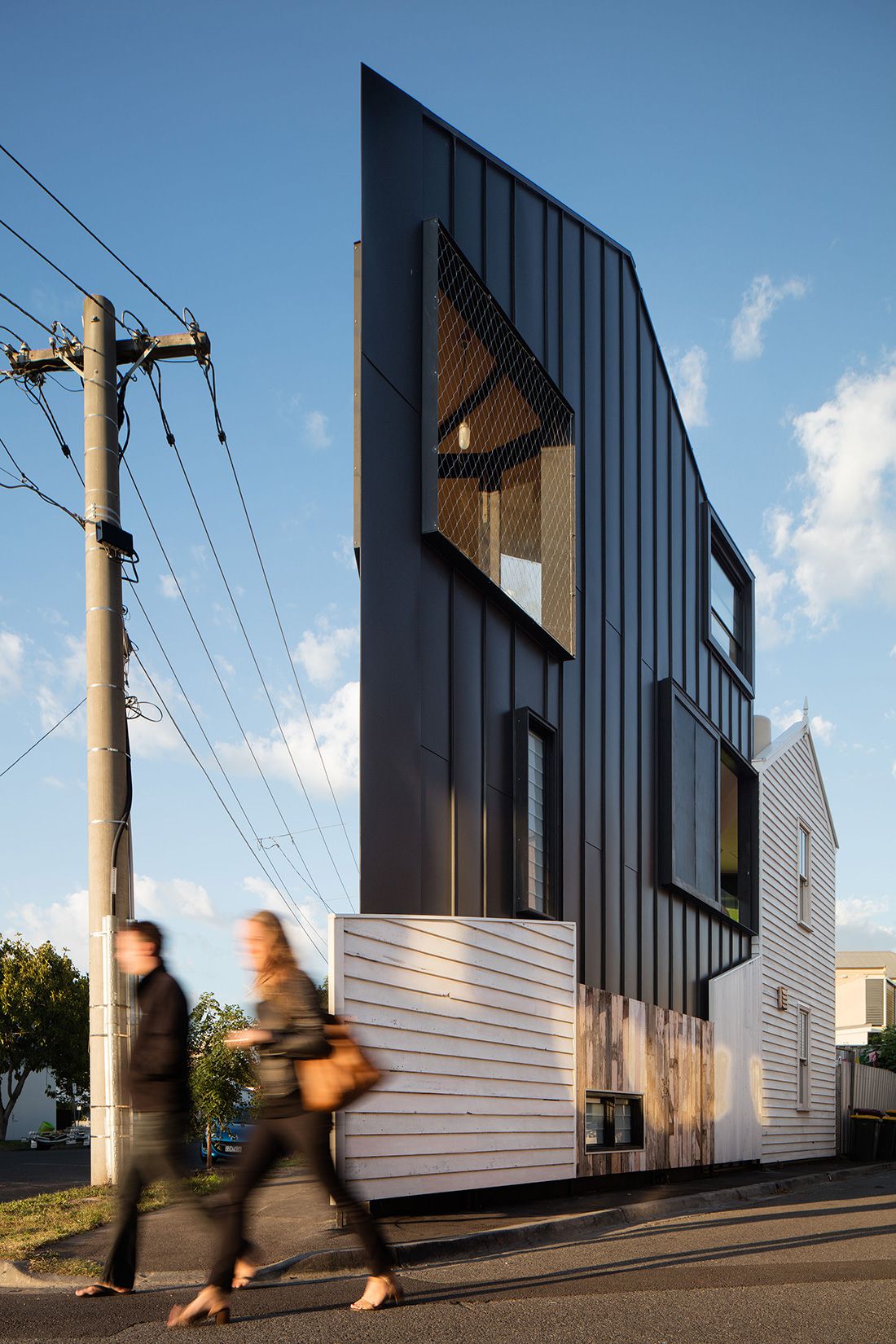
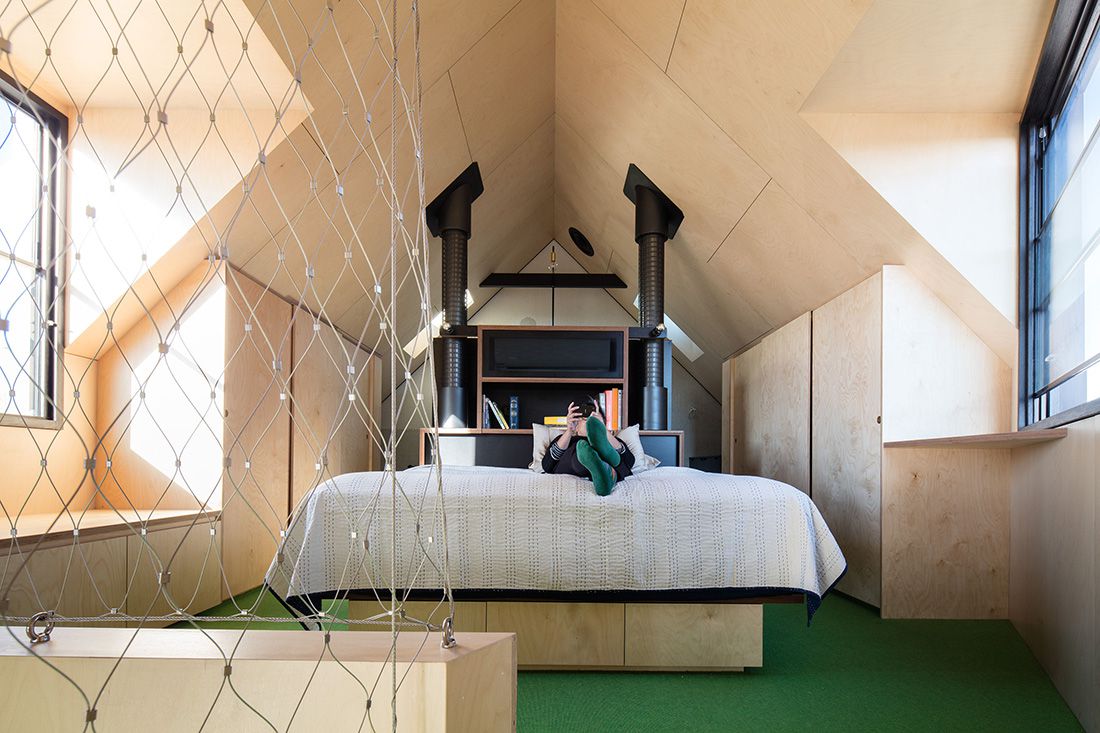
This year’s residential component has also been increased, with homes by some of Melbourne’s most-exciting architects being opened for the first time – including the Flinders Lane Apartment by Clare Cousins Architects and the Tip Top development in Brunswick East by ROTHELOWMAN as well as The Acute House by OOF! Architecture and the 5×4 Hayes Lane Project, which both explore design solutions to difficult sites.
Overall, the program continues to grow year-on-year, but there is indeed a level of maturity in the 2016 program that affirms OHM’s position as a premier event for Melbourne, and at the same time positions it as a crucial driver of the urban design conversation.
The full program can be found online here. Some events and tours are ticketed (with a nominal commitment fee), however the vast majority are free.
INDESIGN is on instagram
Follow @indesignlive
A searchable and comprehensive guide for specifying leading products and their suppliers
Keep up to date with the latest and greatest from our industry BFF's!
The internet never sleeps! Here's the stuff you might have missed