The home of architecture and design in the Asia-Pacific
Get the latest design news direct to your inbox!

Get the latest design news direct to your inbox!
New York and London based design duo Craig and Karl have applied design to a worthy cause.
May 17th, 2016
Designers Craig Redman and Karl Maier have worked on projects with LVMH, Google, Apple, Vogue, Vanity Fair, and The New York Times. Under the moniker Craig and Karl, the duo have lent their bold and quirky graphic flair to cigarette lighters for Paris boutique Colette, artwork for Nike Jordan and a West Coast tour poster for Prince. In 2012, the designers created a graphic portrait of Charles and Ray Eames for Herman Miller’s Then x Ten exhibition.
Despite a collection of very cool, high profile and glamorous clients, Craig and Karl’s project list is regularly dotted with more socially conscious creative collaborations. “We like to ensure that each brand we work with is doing great things, whether it’s from a product, innovation, manufacturing or environmental perspective,” says Redman. The pair created a mural for Bikes 4 Humanity at Barangaroo in Sydney, marking a collection depot for donated bikes that are then sent to communities in Africa. For Craig and Karl, design plays an important part in building and enlivening awareness for social issues.
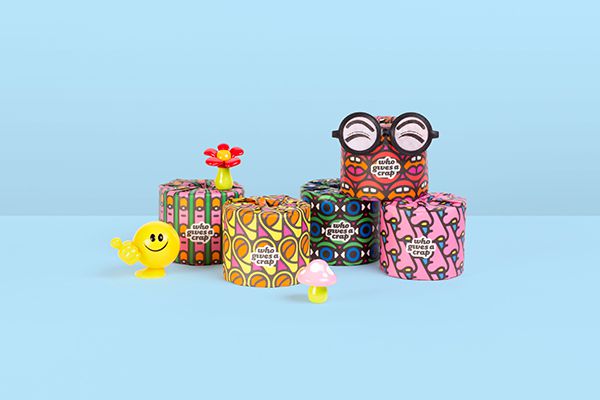
Most recently, the designers have partnered with Australian social enterprise, Who Gives a Crap (WGAC). Since launching in 2012, the company has continually challenged perceptions around toilet paper, transforming the typically unspectacular and utilitarian product into a beautifully designed, environmentally friendly and ethical offering. The company creates toilet paper, kitchen towels and tissues that are 100% forest friendly, have no inks, dyes or scents contributes 50% of all profits to building toilets across the developing world.
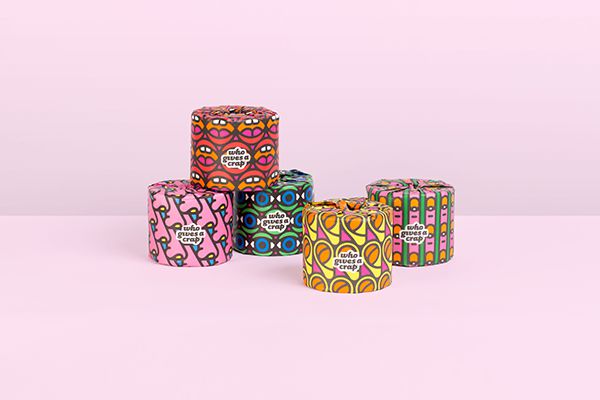
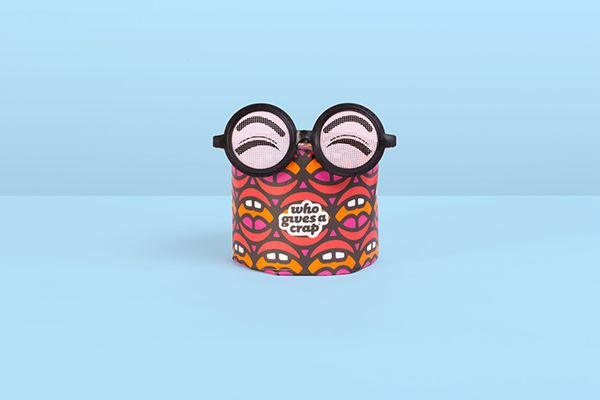
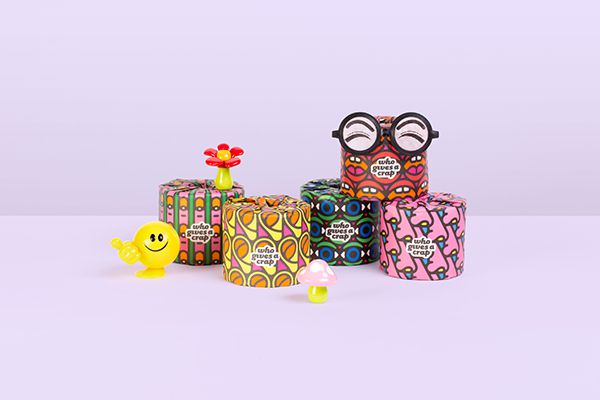
“We love Craig and Karl’s style and have dreamed of working with them since we first got started,” says WGAC CEO Simon Griffiths. Craig and Karl have designed five different patterns for the company’s wrappers, each displaying a different human feature – eye, ear, nose, mouth or finger.
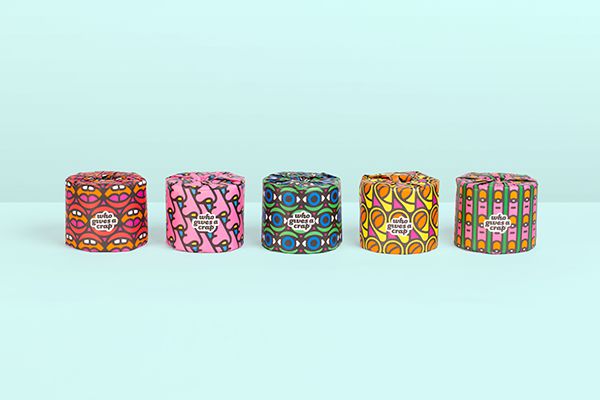
“We wanted to see where they would go with the collaboration, so gave them an open brief to design five wrappers,” Griffiths continues. “As we knew they would, Craig and Karl did an amazing job. They really considered how our customers interact with our products – they create amazing pieces of art, make pyramids, reuse the wrappers for presents – and the limited edition reflects this.”
“A big part of the appeal in working with the socially conscious Who Gives A Crap was the company’s thoughtfulness that goes beyond the consumers immediate needs,” adds Redman.
The design collaboration provided a more meaningful, playful and attractive way to spread WGAC’s sustainable message. “Good design can make you more aware of the world and can deliver an important message in a smart and meaningful way,” says Maier. “It can provide unexpected opportunity to educate and inform the broader community.”
Who Gives A Crap
au.whogivesacrap.org
Craig and Karl
craigandkarl.com
INDESIGN is on instagram
Follow @indesignlive
A searchable and comprehensive guide for specifying leading products and their suppliers
Keep up to date with the latest and greatest from our industry BFF's!
The internet never sleeps! Here's the stuff you might have missed