The home of architecture and design in the Asia-Pacific
Get the latest design news direct to your inbox!

Get the latest design news direct to your inbox!
The first of 9 major events over 6 years, the BMW Guggenheim Lab New York explored and experimented with ideas surrounding the future of the city. Dhiren Bhagwandas met with Guggenheim co-curator Maria Nicanor.
November 29th, 2011
It’s not every day that a high-end automotive marque partners up with a global art institution on a project surrounding our collective urban future. This is exactly what BMW and the Solomon R. Guggenheim Foundation set out to do this year, with the first iteration of the BMW Guggenheim Lab running for 10 weeks in New York between August and October 2011.
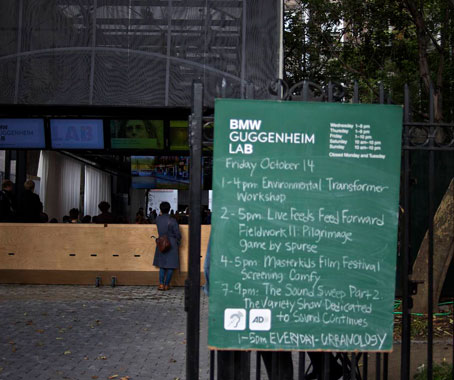
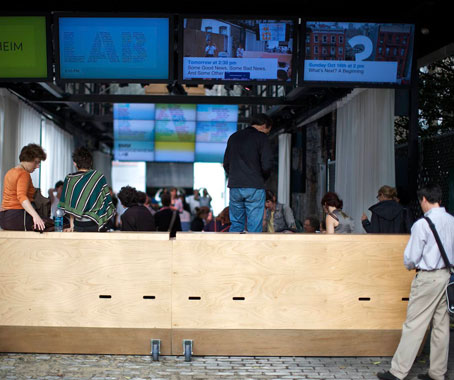
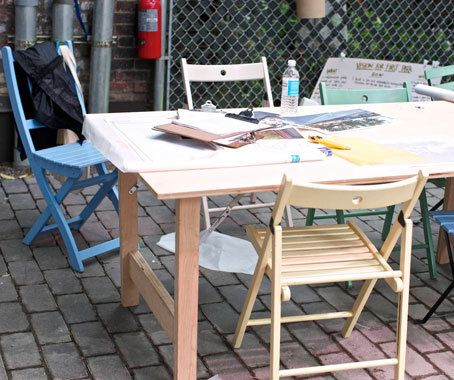
“The project responds to the fact that corporations can fund large projects that the Government can no longer support on their own,” says BMW Guggenheim Lab co-curator Maria Nicanor. “We are working with a universal topic, so everyone is interested, but we wanted to make it meaningful too.”
The mission of the BMW Guggenheim Lab is to “inspire innovative ideas for urban life”. Offering a rich and diverse program of events surrounding the theme Confronting Comfort, the Lab enables visitors to experiment, envisage and interact with progressive solutions for the future of their city.
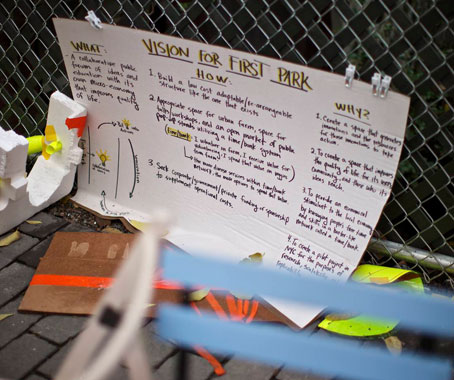
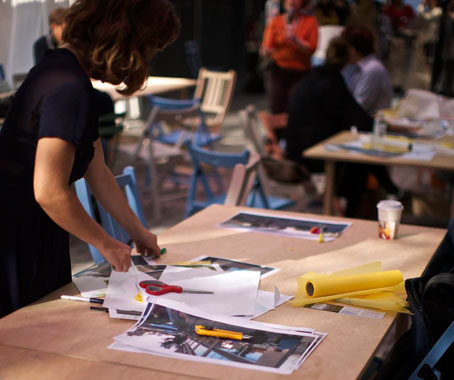
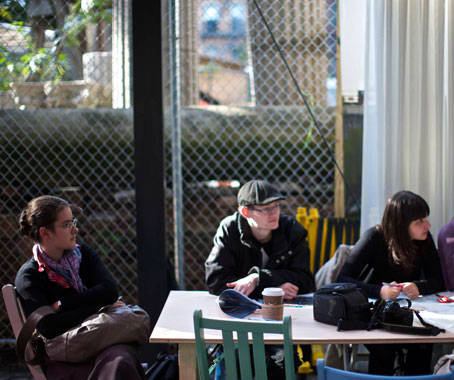
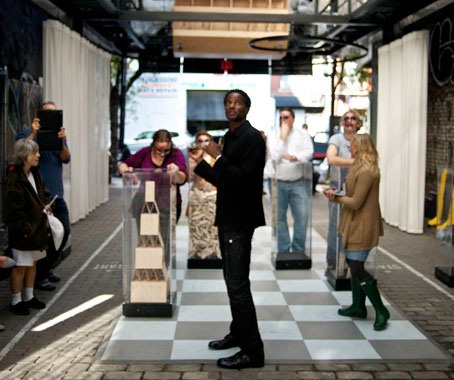
Tucked between 2 buildings on an abandoned lot in the East Village – the cultural heart of Manhattan – the Lab itself is an example of design innovation.
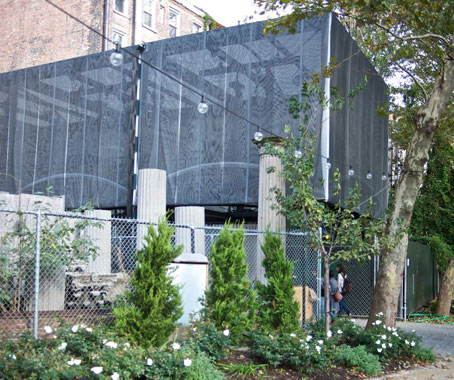
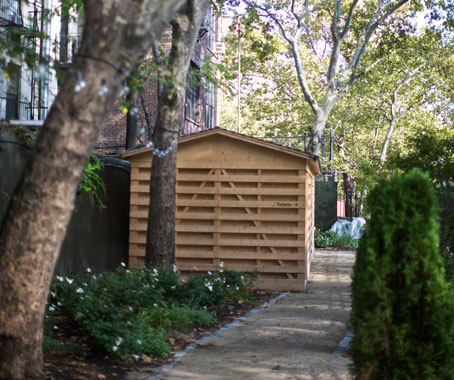
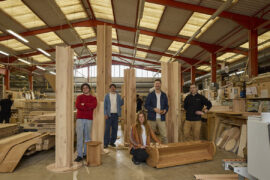
Tokyo architects Atelier Bow-Wow developed the multi-purpose collapsible carbon fibre pavilion, suitable for myriad uses thanks to objects and furniture neatly stored in cages suspended within the mesh-clad canopy overhead.
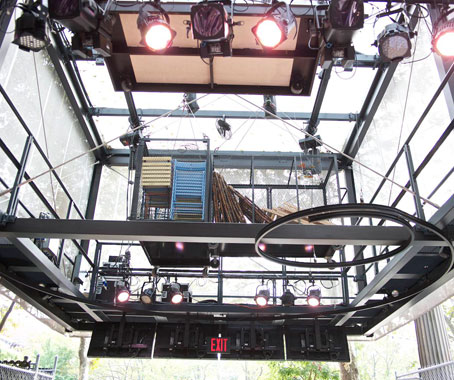
A multi-disciplined team from fields including architecture, urban planning, microbiology and environmental activism developed a broad program that adapted and changed based on feedback from the local community.
“It’s not only architects and urban planners who shape the city, it is shaped by everyone,” says Nicanor. “It’s all about participation. You can’t ignore reality – you have to become a part of what is happening.”
Events included ’toxicity tours’ which investigated the health impacts of waste, and ’Urbanology’, an online simulation tool based on real-world urban dilemmas.
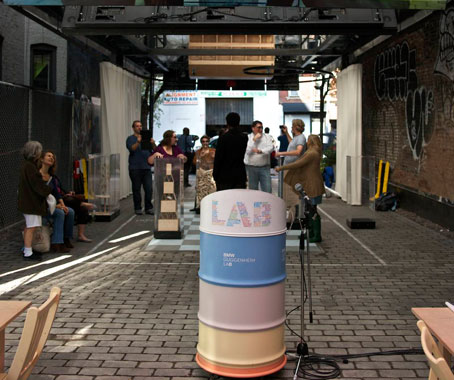
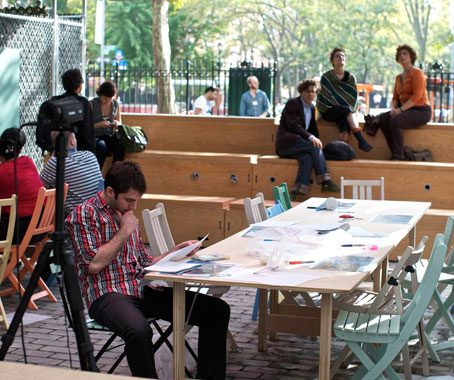
Photography: Paul Barbera
The next stop for the BMW Guggenheim Lab will be Berlin followed by Mumbai, with each Lab responding to the context and situation of its location. Nicanor assures “it won’t be a case of cookie cutter outcomes in each city”.
In the meantime, stay tuned to the BMW Guggenheim Lab website and continue the conversation.
BMW Guggenheim Lab
bmwguggenheimlab.org
INDESIGN is on instagram
Follow @indesignlive
A searchable and comprehensive guide for specifying leading products and their suppliers
Keep up to date with the latest and greatest from our industry BFF's!
The internet never sleeps! Here's the stuff you might have missed