The home of architecture and design in the Asia-Pacific
Get the latest design news direct to your inbox!

Get the latest design news direct to your inbox!
This week indesignlive talks photographing architecture with a leading photographer.
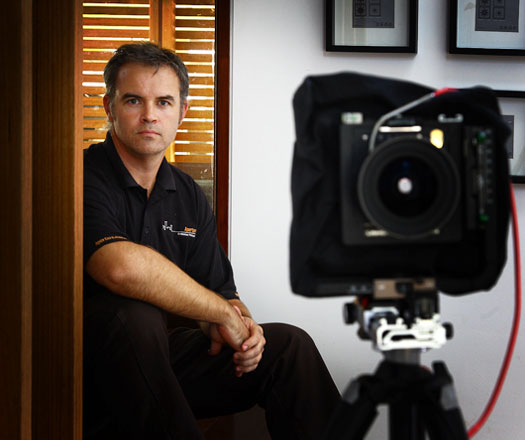
March 25th, 2010
How do you approach your subject?
Every project has a different set of parameters – there is no one standard formula to photographing architecture. There has to be a balance between artistry and commercial reality.
You need to understand the components of each job and work out the best times of the day to access various elements of the design. Materials also photograph differently during the day or night so again you need to understand how this affects the final result.
Discussion with the architect is also extremely important, although a lot of my clients now demonstrate a full confidence in my ability to interpret their work. ’¨’¨
You talk about the difference between photographing architecture and architectural photography – why do you make that distinction?
I like to use the term photographing architecture because it implies a greater experience and specialisation on the subject.
Anyone can shoot architecture just like you can weddings. But it is those photographers who have a real passion, interest and intimate knowledge base of the subject that excel above all others.
Photographing architecture is a description of not only the type of photography being undertaken but also a reference to the levels of understanding, experience and technical ability needed by the photographer.
Your subjects range from sports stadiums and corporate headquarters to residential blocks and houses – overall what would you say inspires you the most?
The one thing that does inspire me the most about photographing architecture is a project’s use of light and space regardless of the project type.
I travel nationally and overseas on commissions and it does not matter which culture you are in all projects have this one underlying aspect that I try and capture – the light and space. Without light, space has no sense. Without space, light has no meaning.’¨’¨
What has been your favourite photograph you have taken of a piece of architecture?
There is one image that has been my favorite for many years, not because of the actual architectural subject but the preparation of locating the shot, the experience of waiting for the shot and the natural environment in which the project was sited.
I was shooting a private house up at Agnes Water and the house’s position along a steep ridgeline overlooking a pristine beach made it a magical commission. It was the only house (at the time) along this strip of coastline.
I wanted to produce a shot that put the house in natural context and created this sense of space for the viewer.
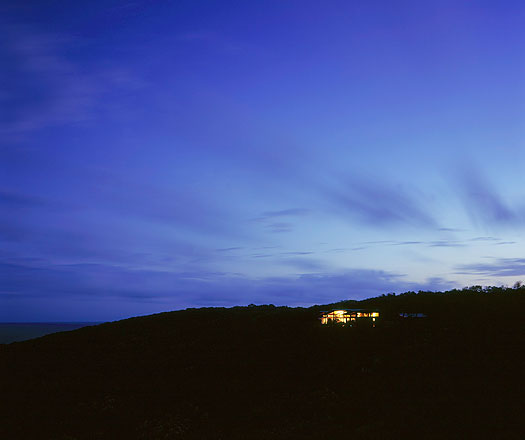
The shot itself took a little over 1 hour to create, waiting for the right amount of illumination, sky colour and cloud patterning. But it was being able to just stand there and take in the ambience of the scene, listening to the crashing waves on the beach below and the twilight sounds of the wildlife that contributed to the experience of the shot.
Scott Burrows
aperture.com.au
INDESIGN is on instagram
Follow @indesignlive
A searchable and comprehensive guide for specifying leading products and their suppliers
Keep up to date with the latest and greatest from our industry BFF's!
Wovin Wall have just launched their new websitie.
Offering unparalleled design and acoustic options across their stunning wall and ceiling systems, the new web site highlights the latest product launches and product developments.
You can also download colour cards showing their entire range of available finishes.
Use their extensive searchable library of case studies for inspiration and view the innovative ways in which Wovin Wall’s® products are changing the face of hospitality, retail and corporate spaces around the world.
Wovin Wall
wovinwall.com
Cutler & Co present a design dinner and discussion with Oron Catts, director of SymbioticA and recently listed by Icon Magazine as one of 20 designers influencing the future. Catts will speak about his work as the co-founder of SymbioticA at the Centre of Excellence in Biological Arts at the University of Western Australia as […]
The internet never sleeps! Here's the stuff you might have missed