The home of architecture and design in the Asia-Pacific
Get the latest design news direct to your inbox!

Get the latest design news direct to your inbox!
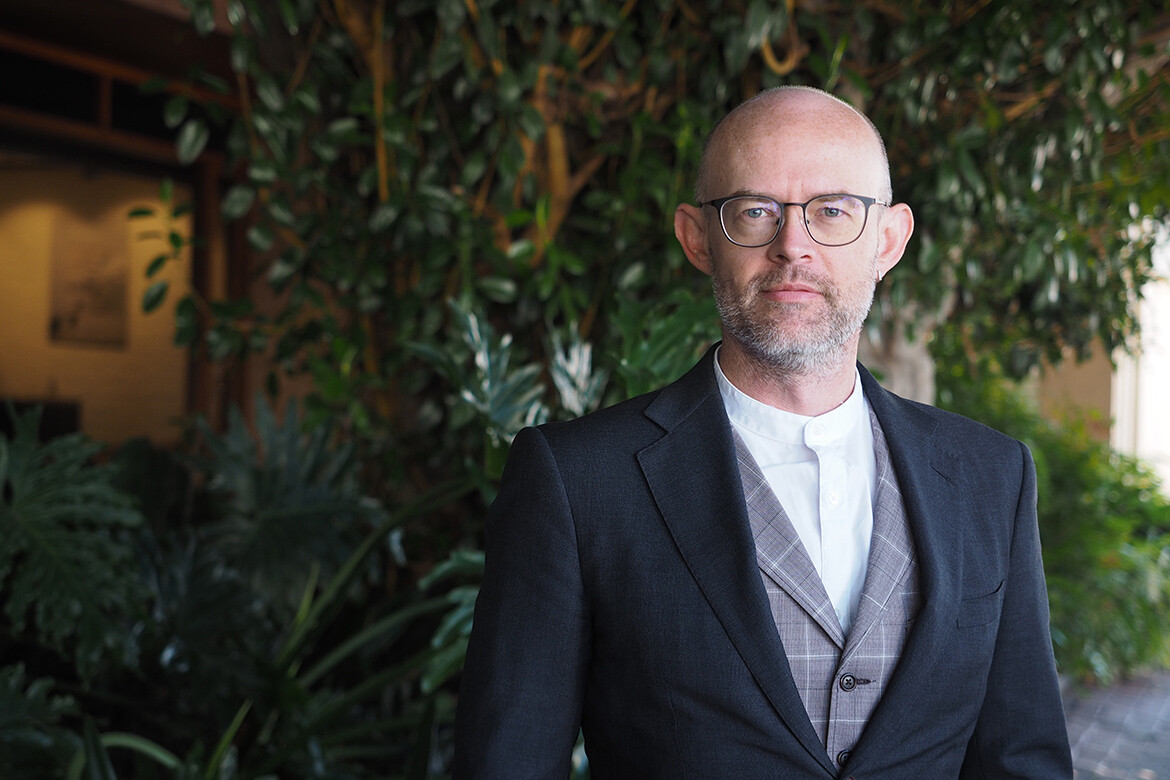
Things get a little philosophical on the podcast as Gerald Matthews of Adelaide-based Matthews Architects discusses the state of architectural education, AI and the practice’s 50-year milestone.

April 10th, 2026
In this wide-ranging episode of STORIESINDESIGN podcast, the conversation explores the pressures reshaping architecture through the lenses of artificial intelligence, education, authorship and professional practice. Gerald Matthews of Matthews Architects reflects on how AI has intensified concerns first raised several years ago, arguing that while the technology offers enormous potential for complex computation and efficiency, its growing role in creative work risks eroding originality and intellectual integrity. In architecture, he suggests, AI may imitate design thinking but cannot replace the discernment behind truly thoughtful buildings — at least not for clients who can still recognise the difference.
A major theme is the future of architectural education. Challenging conventional university pathways, the discussion examines an alternative apprenticeship-based training model developed within the practice itself. This approach prioritises deep technical knowledge — materials, construction sequencing, procurement and building systems — before creative development, reversing the standard academic emphasis on concept-first design.
The episode also revisits the provocative phrase, “the last days of architecture” — expanding it beyond AI to critique the fragmentation of architectural practice into separate creative, technical and managerial silos. According to Matthews, great architecture depends on individuals who integrate all three capacities, and the loss of that holistic model threatens the profession’s long-term vitality.
Alongside these broader industry concerns, the conversation touches on architecture as both art form and social instrument, including the importance of the architect-client relationship as a kind of creative patronage. Marking the 50th anniversary of the Adelaide practice, the episode also reflects on legacy, regional design culture in South Australia.
Matthews Architects
matthewsarchitects.com.au
Next up: Another 50th anniversary podcast, this time with SJB
INDESIGN is on instagram
Follow @indesignlive
A searchable and comprehensive guide for specifying leading products and their suppliers
Keep up to date with the latest and greatest from our industry BFF's!
The internet never sleeps! Here's the stuff you might have missed