The home of architecture and design in the Asia-Pacific
Get the latest design news direct to your inbox!

Get the latest design news direct to your inbox!
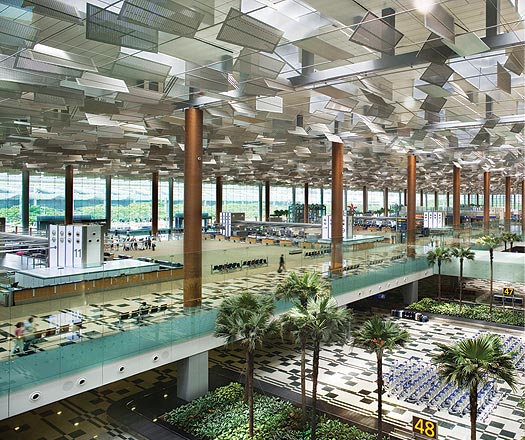
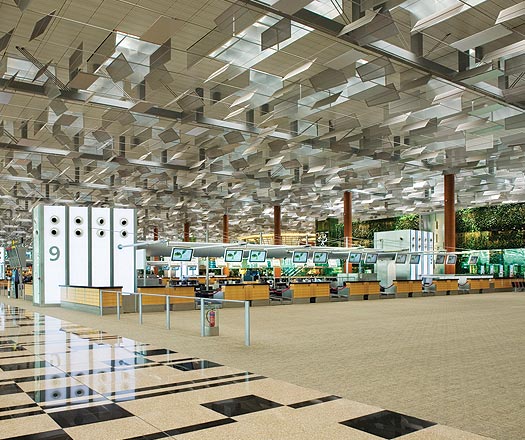
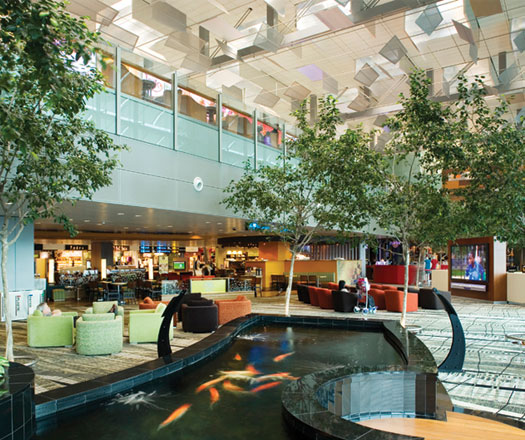
The much-anticipated Changi Airport’s new Terminal 3 was officially launched this July in Singapore, after a seven-year development project led by Australian firm, Woodhead.
July 31st, 2008
Following an international competitive bid, Woodhead in conjunction with Wilson & Associates, Singapore, won this prestigious interior design of the new S$1.8 billion, Terminal 3.
The 380,000 m² project accommodates over 100 retail and 30 food and beverage outlets and is expected to be used by over 22 million passengers each year, bringing the total capacity of Changi airport to 70 million passengers.
Woodhead’s design philosophy for the terminal was to ensure all passengers felt a “Sense of Place” in relation to Singapore from the moment they arrive.
A key highlight of Terminal 3 is the five-storey high vertical garden, the ‘Green Wall’, spanning 300m across the main building and viewable from both the Departure and Arrival Halls.
Woodhead
woodhead.com.au


INDESIGN is on instagram
Follow @indesignlive
A searchable and comprehensive guide for specifying leading products and their suppliers
Keep up to date with the latest and greatest from our industry BFF's!
The internet never sleeps! Here's the stuff you might have missed